
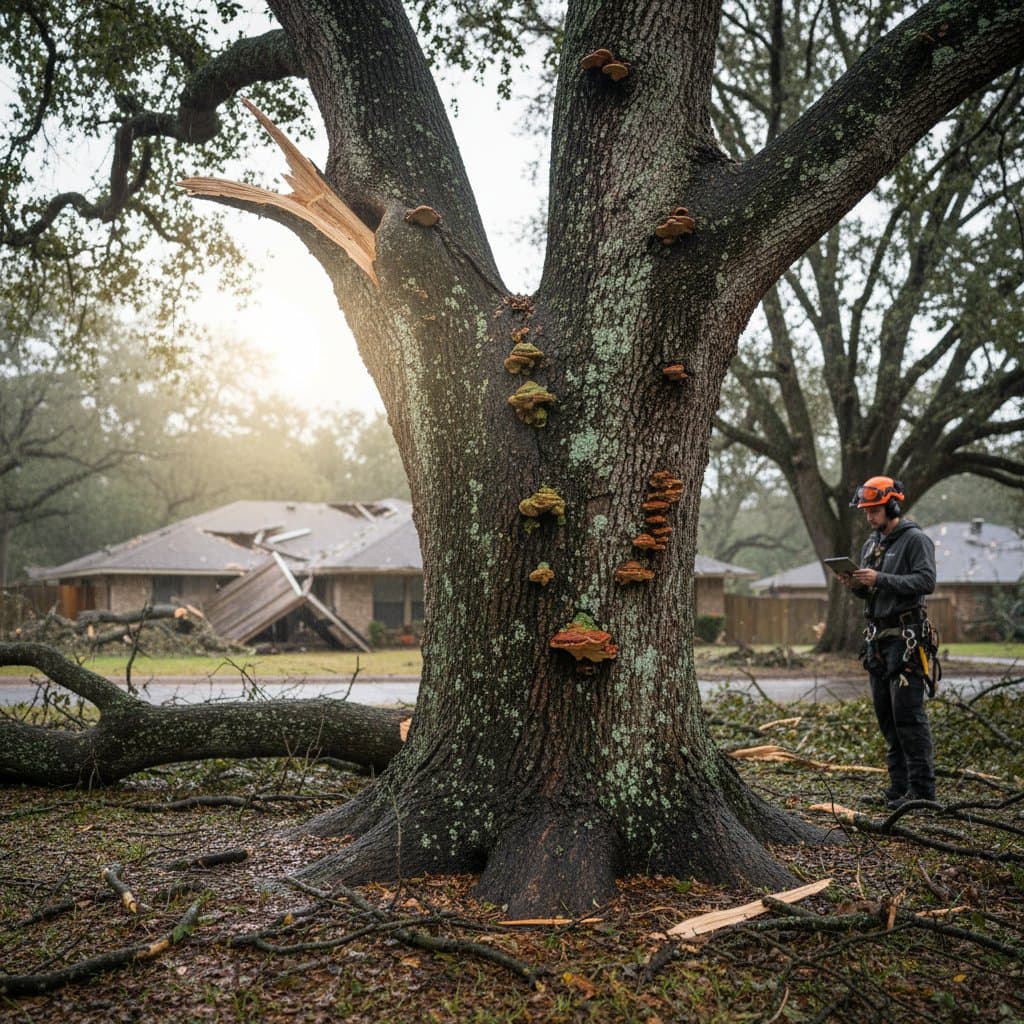
The 300% Surge in Tree Fungal Infections After Major Storms
Powerful storms bring immediate dangers such as fallen branches, uprooted trees, and structural damage to properties. However, a more insidious threat emerges in the ensuing months: fungal infections that compromise tree health. Arborists across affected regions have documented a 300 percent increase in these infections among native and ornamental trees following recent mega storms. This escalation weakens trees, accelerates decay, and poses ongoing risks to landscapes. The following sections detail the causes of these outbreaks, identification methods, treatment options, and preventive measures to safeguard your trees.
Understanding Fungal Tree Diseases
Fungal tree diseases result from microscopic spores that penetrate the bark, leaves, or roots of trees. These pathogens interfere with the tree's vascular system, hindering water and nutrient transport, which leads to progressive decay or mortality. Prevalent types encompass root rot, canker diseases, and powdery mildew. Trees possess natural defenses against minor invasions, but extreme weather compromises these barriers, enabling rapid fungal proliferation.
Mechanisms by Which Storms Promote Fungal Outbreaks
Major storms establish optimal conditions for fungal expansion. Torrential rains drench the soil, depriving roots of oxygen, while fierce winds abrade bark and fracture limbs, revealing vulnerable inner wood. Such injuries provide direct entry points for spores. Elevated humidity from pooled water facilitates spore dispersal via wind and contact, transforming a solitary infected limb into a vector for widespread contamination among adjacent trees.
Prevalent Fungal Diseases Linked to Storm Damage
Root Rot
Root rot arises in water-saturated soils that starve roots of oxygen, fostering decay and inviting fungi like Armillaria or Phytophthora. Indicators include foliage yellowing, stunted growth, and mushy texture at the trunk base. Affected trees exhibit leaning or instability, signaling urgent intervention to avert collapse.
Canker Diseases
Cankers develop at sites of bark injury from debris impacts or limb failures. Fungi infiltrate these wounds, forming depressed, discolored lesions that expand over time. Species such as maples, oaks, and elms prove especially susceptible, with cankers girdling branches and impeding sap flow.
Leaf Blight and Anthracnose
Post-storm moisture promotes leaf-infecting fungi, including anthracnose, which manifest as necrotic spots or distorted margins. Infected leaves often drop prematurely, though initial effects appear aesthetic. Persistent episodes erode canopy vigor, diminishing the tree's resilience to further stressors.
Powdery Mildew
Powdery mildew flourishes in high-humidity environments within dense canopies, coating leaves and shoots with a powdery residue. This infection impairs photosynthesis, imposing stress on storm-damaged trees. While rarely lethal outright, it compounds recovery challenges by sapping energy reserves.
Indicators of Fungal Infection in Trees
Conduct thorough tree inspections in the weeks following storms to detect issues promptly. Key symptoms encompass fungal fruiting bodies or mushrooms on bark or root flares, bark discoloration or exfoliation, sap exudation or trunk staining, foliage wilting or sparsity, and hollow resonance upon trunk percussion. These signs warrant professional evaluation, as deep-seated infections resist reversal. Vigilance enables timely action to preserve tree integrity.
Expenses Associated with Fungal Disease Management
Treatment costs for fungal infections fluctuate based on infection scope and tree dimensions. Superficial cases may resolve through targeted pruning and fungicide applications, ranging from $100 to $300 per tree. Advanced root or bole infections necessitating removal escalate to $500 through $2,000 or higher, influenced by tree scale and site factors.
| Tree Size | Typical Treatment or Removal Cost |
|---|---|
| Small (under 30 ft) | $100 - $500 |
| Medium (30 to 60 ft) | $300 - $1,200 |
| Large (over 60 ft) | $800 - $2,000+ |
These estimates represent standard residential pricing and may adjust for regional labor rates, access difficulties, and damage magnitude.
Influences on Cost and Infection Intensity
Tree Dimensions and Variety
Larger specimens demand specialized machinery and extended labor for intervention. Varieties like oaks and pines harbor inherent vulnerabilities to particular fungi, amplifying treatment complexity.
Damage Scope
Specimens with widespread limb involvement or core rot require comprehensive therapies, exceeding expenses for localized surface afflictions.
Soil Hydrology and Hydration Levels
Inadequate drainage sustains root immersion, perpetuating rot risks. Ameliorating soil composition or deploying drainage systems mitigates future vulnerabilities.
Site Accessibility
Proximity to structures or utilities complicates safe operations, thereby inflating professional fees.
Protocol for Professional Fungal Remediation
- Assessment and Identification: A certified arborist scrutinizes the tree, pinpointing the fungal type and gauging infection progression.
- Remediation Strategy: Options span pruning, antimicrobial applications, or excision, calibrated to infection gravity.
- Limb Removal and Cleanup: Compromised sections receive precise excision, with refuse promptly cleared to curb dissemination.
- Antifungal Applications: Soil drenches or trunk injections deploy to halt pathogen advancement.
- Ongoing Surveillance: Periodic reevaluations track healing and forestall relapse.
Weighing DIY Approaches Against Professional Expertise
Amateur efforts suit minor issues, such as pruning small, accessible infected branches with sterilized tools to avoid cross-contamination. Apply commercial fungicides per label instructions for surface treatments, but recognize limitations in diagnosing complex cases. Professional arborists excel in accurate identification, safe handling of large trees, and regulatory compliance, ensuring effective, hazard-free outcomes. For substantial infections, delegate to experts to prevent exacerbation or personal injury.
Selecting a Reputable Tree Care Provider
Prioritize firms holding ISA certification and comprehensive liability coverage to guarantee qualified service. Solicit client testimonials or visual documentation of prior fungal interventions for credibility assessment. Obtain itemized quotes from at least three providers to compare value. Verify inclusions for site restoration and pathogen disposal adherence. Adherence to municipal guidelines on infected material handling underscores professionalism.
Frequently Asked Questions
How soon after a storm might fungal symptoms emerge on trees?
Symptoms can surface within weeks amid prolonged dampness. Consistent post-storm monitoring facilitates early interception.
Is recovery possible for trees afflicted by fungal infections?
Early-stage detections permit revival via excision and antifungal measures. Irreversible decay typically mandates removal to protect surroundings.
Do home insurance policies encompass fungal-related tree removals?
Coverage applies sparingly, confined to storm-proximate origins. Review policy specifics for clarification.
What measures prevent post-storm fungal incursions?
Enhance site drainage, expeditiously sever compromised limbs, and sanitize equipment between uses. Engage arborists for concealed defect detection.
Strategies to Fortify Tree Resilience Post-Storm
Implement mulching to regulate soil moisture without excess saturation, fostering aerobic root environments. Select storm-resistant species for replanting, prioritizing those with robust bark and upright growth habits. Annual professional audits identify vulnerabilities, enabling preemptive care. These practices not only curb fungal threats but also enhance landscape durability, yielding enduring aesthetic and structural benefits.