
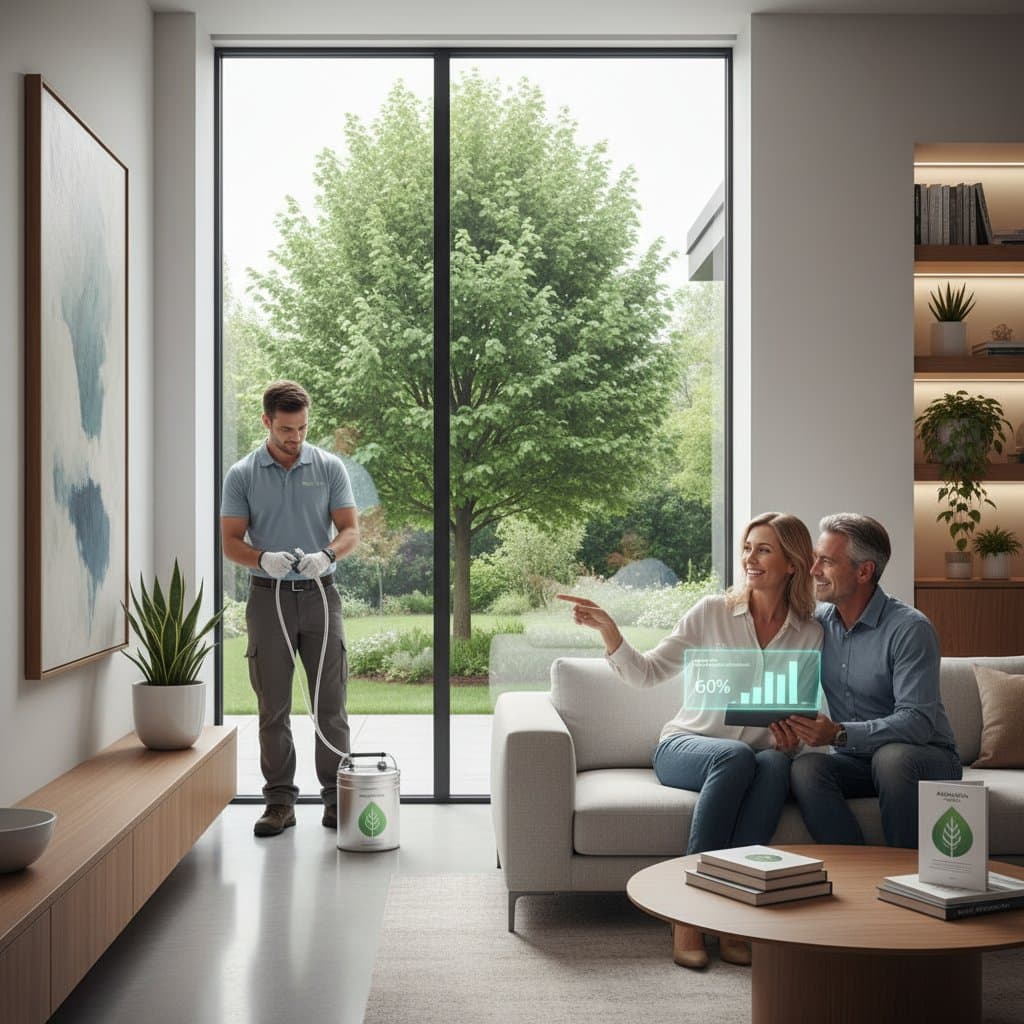
Reduce Ash Tree Removal Costs by 60 Percent with Innovative Vaccine
Homeowners face substantial expenses when dealing with emerald ash borer infestations, but a new injectable vaccine offers a preventive solution that cuts removal costs by up to 60 percent. This treatment targets the destructive pest responsible for killing millions of ash trees across North America. By addressing threats early, the vaccine maintains tree vitality and avoids the financial burden of full removals and replacements.
Those who have encountered the steep price of disposing large ash trees now have an effective alternative. The vaccine provides safe, enduring protection with minimal interference to daily life. Grasping its mechanism and ideal application timing empowers individuals to safeguard their properties economically and aesthetically for years ahead.
Understanding the Ash Tree Vaccine
The ash tree vaccine consists of an injectable systemic insecticide designed specifically for ash species vulnerable to the emerald ash borer. This beetle, characterized by its metallic green body, lays eggs on tree bark; its larvae then burrow into the inner layers, disrupting essential nutrient and water transport. Infested trees often decline rapidly, succumbing within two to four years if untreated.
Administered through targeted injections, the vaccine integrates into the tree's vascular system. The active compounds distribute evenly, forming a protective shield that eliminates or deters adult beetles and larvae upon contact. A single application typically delivers protection for two to three years, varying with tree dimensions and overall condition.
Benefits for Homeowners: Cost Savings and Preservation
Conventional management of emerald ash borer often necessitates complete tree removal, which incurs expenses ranging from $800 to $2,000 for mature specimens, escalating with factors like height, location near buildings, or access challenges. Specialized machinery, such as cranes for urban settings, further inflates these figures.
In contrast, the vaccine application costs $100 to $300 for a typical mid-sized tree, offering a fraction of removal expenses. This investment yields ongoing savings by obviating the need for disposal, stump removal, and replanting efforts. Retained trees continue to deliver practical advantages, including natural shading, enhanced visual appeal, and ecological services like improved air quality and reduced runoff during storms.
Beyond finances, the treatment mitigates hazards from destabilized, dying trees, such as branch failure that could damage property or endanger safety.
Factors Affecting Vaccine Effectiveness
Success with the vaccine hinges on several considerations that homeowners should evaluate prior to treatment:
- Tree Condition: Optimal results occur in trees with robust health or minor infestation levels. Those exhibiting over 50 percent canopy loss rarely rebound fully.
- Application Timing: Injections prove most effective during active growth periods, typically spring through early summer, when sap flow facilitates uptake.
- Tree Dimensions: Greater girth demands higher volumes of solution and extended processing time, modestly raising expenses.
- Site Conditions: Adequate soil hydration and moderate temperatures enhance absorption rates.
- Expert Delivery: Certified professionals employ precise techniques to inject at calibrated depths and volumes, tailored to trunk measurements.
Proper alignment of these elements supports reliable, multi-year defense against pests.
Step-by-Step Guide to Tree Injection
Familiarity with the injection procedure underscores its methodical and non-invasive nature. Professionals follow this sequence for residential applications:
- Initial Evaluation: The arborist examines the tree for infestation indicators, foliage vigor, and structural integrity to determine suitability.
- Dosage Calculation: Trunk circumference at breast height guides the precise amount of vaccine required.
- Site Preparation: Shallow, angled holes are created at the trunk base, spaced evenly to access xylem tissues without compromising stability.
- Delivery Phase: A low-pressure device introduces the solution into the vascular network, ensuring even distribution.
- Closure: Holes receive biodegradable plugs or sealants to block pathogens and preserve integrity.
- Follow-Up Monitoring: Periodic checks assess symptom regression and growth resumption over the ensuing months.
For most yard trees, completion requires under 60 minutes, generating little noise or residue.
Professional Application Versus DIY Options
Although over-the-counter insecticides exist for surface application, they lack the penetration of injected vaccines and demand frequent reapplication. Attempting injections without expertise risks vascular injury, suboptimal dosing, or ineffective pest control.
Engaging a qualified arborist guarantees adherence to safety protocols and regulatory standards for handling insecticides. These specialists possess diagnostic skills to assess tree prognosis accurately, recommending vaccination when viable or removal when necessary. Early consultation often rescues borderline cases, extending tree lifespan cost-effectively.
Selecting a Reliable Arborist
Choosing an adept professional safeguards treatment outcomes. Prioritize candidates who demonstrate:
- Credentials: Membership in accredited bodies like the International Society of Arboriculture.
- Specialized Background: Proven track record in emerald ash borer interventions, with documented success rates.
- Coverage and Compliance: Valid liability insurance and required state or local certifications.
- Cost Breakdown: Detailed quotes covering materials, services, and any monitoring.
- Client Feedback: Verifiable case studies or endorsements from similar projects.
Reputable providers conduct thorough consultations, outlining options to align with your landscape objectives.
Identifying Emerald Ash Borer Infestation Early
Prompt recognition of symptoms enables timely intervention, boosting survival odds. Common indicators include:
- Sparse or discolored foliage emerging from the crown
- D-shaped emergence holes approximately 1/8 inch wide in the bark
- Winding larval galleries visible beneath peeled sections
- Longitudinal fissures revealing wood-boring paths
- Heightened presence of woodpeckers pecking for insects
Upon noticing these cues, schedule an expert inspection without delay to halt progression.
Frequently Asked Questions on Ash Tree Vaccines
How durable is the protection from a single injection?
Coverage extends through two to three seasons in most cases. Arborists advise refreshers based on local infestation intensity and tree maturity.
Does the treatment endanger pets, wildlife, or beneficial insects?
The internalized formula stays confined within the tree, presenting no external exposure risks to non-target species.
Can treatment rescue an actively infested tree?
Lightly affected trees with substantial live canopy often stabilize post-injection. Advanced decline with widespread mortality typically warrants alternative strategies.
Maintain Tree Health and Financial Security Long-Term
Integrating the ash tree vaccine into routine landscape care fortifies against ongoing threats like emerald ash borer. Homeowners who act proactively enjoy enduring savings, reduced maintenance demands, and resilient properties. Consult a certified arborist today to evaluate your ash trees and implement protective measures tailored to your site.