
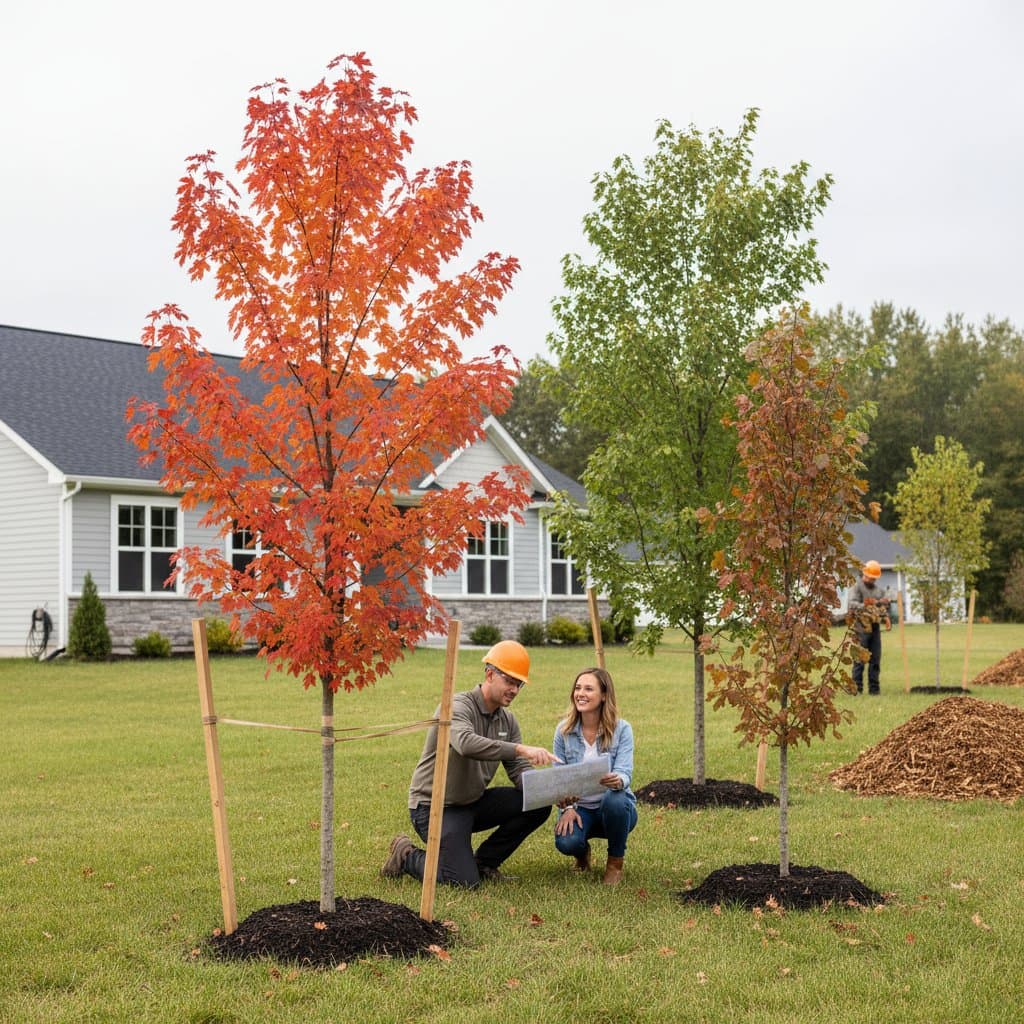
Hardy Trees That Outlast the Ash Borer Crisis
The emerald ash borer infestation continues to ravage ash trees across the United States, forcing homeowners to seek durable replacements. These resilient species restore essential shade, enhance visual appeal, and support ecological stability in affected landscapes. This article explores top alternatives, selection criteria, and practical steps for successful replanting in 2026 and beyond.
Ash trees have long been prized for their robust structure, elegant form, and versatility in urban and suburban settings. However, the invasive emerald ash borer has destroyed millions of these trees, creating gaps in tree canopies that expose properties to sun, wind, and erosion. Selecting replacements involves more than aesthetics; it requires attention to long-term health, local adaptation, and resistance to pests. Homeowners who choose wisely can create landscapes that endure future challenges while boosting property values.
Key Factors That Influence Your Choice of Ash Tree Replacement
Effective replacement begins with assessing your site's unique conditions and the tree's intended role. This approach minimizes risks and maximizes benefits, ensuring the new tree integrates seamlessly.
- Soil and Moisture Conditions: Ash trees adapt to various soils, yet many replacements favor well-drained, loamy types with a pH between 6.0 and 7.5. Conduct a soil test through a local extension service to identify pH levels and nutrient deficiencies, then amend as needed with compost or lime.
- Sunlight Availability: Replacement trees typically require full sun exposure of at least six hours daily. Evaluate your site's light patterns throughout the year to confirm suitability.
- Growth Rate and Size: Opt for moderate growers like oaks for longevity, or faster options like maples for quicker shade. Measure your available space to select trees that mature to 40-70 feet without overcrowding structures.
- Pest and Disease Resistance: Prioritize species with proven resilience against regional threats, such as borers or fungi. Consult local forestry resources for updates on emerging pests.
- Native Habitat Compatibility: Select natives or near-natives to bolster biodiversity. These trees attract pollinators, provide bird forage, and withstand local droughts or floods more effectively.
Balancing these elements leads to a tree that thrives with minimal intervention, delivering both immediate and sustained value.
Understanding the Emerald Ash Borer and Its Legacy
The emerald ash borer, an invasive beetle from Asia, specifically attacks ash trees by laying eggs under the bark. Larvae tunnel into the wood, disrupting water and nutrient transport, which leads to branch dieback and eventual tree death within two to four years. Infestations spread rapidly through firewood transport or natural dispersal, affecting over 30 states as of 2025.
Insecticide treatments, such as trunk injections with imidacloprid, offer temporary protection for healthy trees but prove ineffective against advanced decline. In heavily infested areas, removal becomes the only viable option to prevent further spread. The resulting loss of canopy cover disrupts urban ecosystems, increases energy costs from greater sun exposure, and heightens stormwater runoff. Replanting diverse, resistant species rebuilds resilience, fostering a more varied and stable environment.
Best Tree Replacements for Ash
Focus on trees that match ash characteristics in height, shade provision, and adaptability while emphasizing durability. Each recommendation includes specific care tips to ensure establishment.
1. Swamp White Oak (Quercus bicolor)
This native oak serves as an excellent substitute for larger ash trees, growing 50 to 60 feet tall with a rounded canopy up to 50 feet wide. It endures periodic flooding and drought, making it suitable for varied sites. Plant in spring or fall, water deeply during the first two years, and expect golden-bronze fall foliage that supports wildlife.
2. American Elm (Ulmus americana) Disease-Resistant Hybrids
Hybrids like 'Valley Forge' or 'New Harmony' resist Dutch elm disease, growing 60 to 70 feet in a graceful vase shape reminiscent of ash. They tolerate urban pollution and compacted soils. Site them in full sun with mulch around the base to retain moisture, and prune young trees to promote strong branching.
3. Kentucky Coffeetree (Gymnocladus dioicus)
Known for its rugged tolerance, this tree reaches 70 feet with an open, irregular crown that allows underplanting. It handles salty soils and air pollution common in cities. Seeds are toxic, so remove pods if children or pets are present; otherwise, its textured bark and late-emerging leaves add year-round interest.
4. Red Maple (Acer rubrum)
Versatile and fast-growing to 40-60 feet, red maple excels in moist or clay soils and delivers vibrant red fall color. Select upright cultivars like 'Autumn Blaze' to avoid weak crotches. Fertilize sparingly in spring and monitor for iron chlorosis in alkaline soils, treating with chelated iron if needed.
5. Hackberry (Celtis occidentalis)
A resilient urban warrior, hackberry grows 50-70 feet tall and withstands drought, wind, and poor soils. Its warty bark attracts birds, which feed on berries. Plant away from sidewalks to accommodate surface roots, and rake fallen fruit to prevent staining.
6. Bald Cypress (Taxodium distichum)
This deciduous conifer forms a narrow pyramid up to 70 feet, with feathery needles that turn rusty orange in autumn. It thrives in wet or dry conditions and resists decay. Space it 20 feet from buildings, and avoid pruning except to remove dead wood.
7. Tulip Tree (Liriodendron tulipifera)
Reaching 70-90 feet with tulip-like flowers in spring, this fast grower prefers fertile, moist loam. Its straight trunk provides substantial shade for large yards. Protect young trees from deer browsing with fencing, and ensure consistent moisture during dry spells.
8. Hybrid Elm Varieties
Cultivars such as 'Frontier' or 'Accolade' blend elm elegance with borer resistance, growing 40-50 feet in compact forms ideal for streets. They adapt to a range of soils and offer dense summer shade. Inspect for elm leaf beetle periodically and treat with horticultural oil if infestations occur.
Signs You Need to Replace an Ash Tree
Prompt identification of decline prevents hazards and allows timely replanting. Monitor trees annually, especially in known EAB zones.
- Thinning Canopy: Leaves sparse in the upper crown indicate disrupted flow; inspect for D-shaped exit holes.
- Vertical Splits in Bark: Cracks ooze sap, signaling larval galleries inside.
- Woodpecker Activity: Excessive drilling exposes borers; this often accelerates decline.
- Epicormic Shoots: Basal sprouts emerge as the tree stresses and redirects energy.
- Falling Branches: Dead limbs drop unpredictably, risking injury or damage.
Consult an arborist if three or more signs appear. Early intervention preserves nearby trees and site safety.
DIY vs. Hiring a Professional: What to Consider
Small-scale replanting suits capable homeowners, but mature tree work demands expertise. Weigh your skills against project scale.
For DIY, remove the stump via grinding or chemical treatment, then dig a hole twice the root ball's width at the same depth as the nursery pot. Backfill with native soil mixed with organic matter, stake if windy, and water weekly for the first season.
Professionals excel in hazardous removals, using cranes for large ashes and ensuring precise replanting. They assess root zones to avoid utility conflicts. Budget for their services when dealing with heights over 30 feet or multiple trees.
How to Choose a Qualified Tree Specialist
Reliable experts deliver quality results and protect your investment. Start your search through arborist directories or neighbor recommendations.
- Certification: Seek International Society of Arboriculture (ISA) credentials, verifying knowledge of safe practices.
- Insurance: Confirm certificates for general liability and workers compensation to cover accidents.
- Written Estimates: Compare detailed bids outlining scope, timeline, and cleanup.
- Local Experience: Prioritize firms with EAB removal portfolios in your area.
- References: Review photos of past projects and contact clients for feedback.
Clear contracts and post-job walkthroughs build trust and accountability.
FAQ: Homeowner Questions About Replacing Ash Trees
Can I replant another ash tree in the same spot?
Replanting ash trees risks rapid reinfestation where EAB persists. Opt for non-host species to break the cycle and safeguard your landscape.
How much does it cost to replace a mature ash tree?
Costs vary by location and tree size. Expect $500 to $2,000 for removal and stump grinding, plus $200 to $800 for a 2-inch caliper replacement, including planting.
How soon should I replant after removing a dead ash tree?
Replant in the same season if possible, ideally fall or spring, to leverage natural rainfall. Prepare the site by grinding the stump below grade and improving soil to support root growth.
What if my neighborhood has ongoing EAB treatments?
Participate in community programs for systemic insecticides on remaining ashes. For replacements, choose diversely to reduce future vulnerability across the area.
Establishing Long-Term Landscape Resilience
Rebuilding after ash loss presents an opportunity to create a more robust ecosystem. Integrate multiple species for biodiversity, incorporate understory plants for layered habitats, and commit to annual maintenance like mulching and watering. These steps not only replace lost trees but elevate your property's environmental and aesthetic quality for decades.