
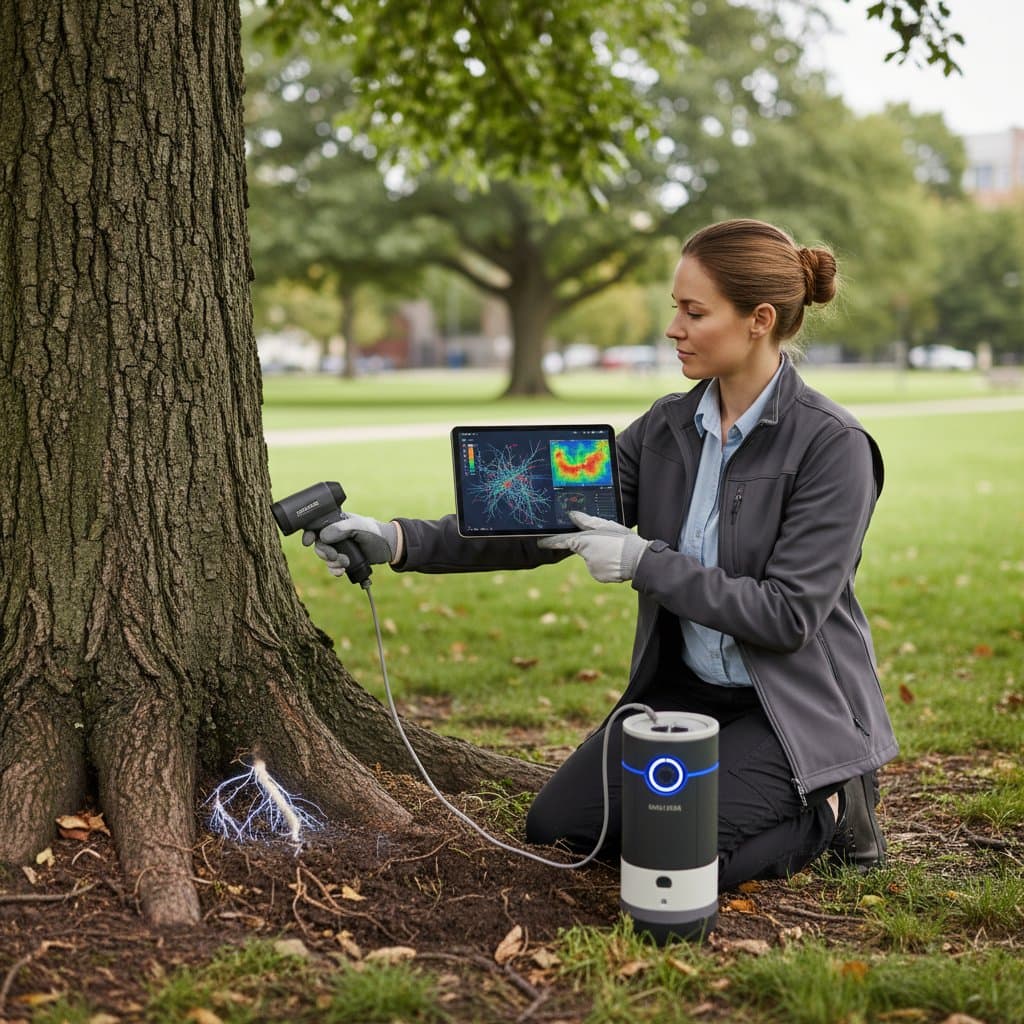
Early Detection Technology Combats Mushroom Root Rot and Saves Trees
Mushroom root rot ranks among the most devastating tree diseases, quietly undermining roots until trees decline and perish. Recent advancements in diagnostic and treatment methods enable early identification of this fungal threat, containment of its spread, and restoration of tree vitality. Homeowners benefit from precise tools, sustainable remedies, and science-supported arborist expertise to safeguard prized trees and sustain vibrant landscapes.
Once a stealthy and untreatable foe, mushroom root rot now yields to innovative detection systems and biological interventions. These developments allow arborists to locate affected roots, isolate the pathogen, and rehabilitate trees previously deemed unsalvageable. Grasping the mechanics of these technologies empowers homeowners to act decisively in preserving their trees and fostering resilient outdoor spaces.
Understanding Mushroom Root Rot
Mushroom root rot stems from fungal pathogens, primarily Armillaria species. These organisms invade the root system, consuming decayed wood before penetrating healthy tissues. The infection impairs water and nutrient uptake, resulting in sparse canopies, yellowing leaves, and potential tree instability.
The fungus propagates via underground root contacts or rhizomorphs, which resemble black shoelaces and extend through soil to infect adjacent trees. This leads to widespread decline in affected areas. The pathogen endures in roots and soil for years, underscoring the need for prompt detection.
Key Factors Influencing Mushroom Root Rot Severity
Environmental and biological elements dictate the progression and dissemination of mushroom root rot. Identifying these influences guides homeowners and arborists in crafting effective prevention and mitigation plans.
- Soil Moisture Levels: Excessively wet or waterlogged conditions promote fungal proliferation while depriving roots of oxygen.
- Tree Vulnerability: Drought, soil compaction, or injury from construction heightens susceptibility.
- Proximity of Roots: Closely spaced trees facilitate underground transmission.
- Species Sensitivity: Oaks and pines face higher risks, whereas certain hardwoods exhibit greater tolerance.
- Climate and Debris: Elevated temperatures, humidity, and accumulated organic matter accelerate fungal development.
Addressing these triggers through targeted irrigation adjustments, soil enhancements, and strategic planting distances minimizes infection risks.
Modern Detection Methods for Mushroom Root Rot
Conventional identification depended on overt indicators, such as fruiting bodies at the trunk base or mycelial fans under bark. By then, damage proved extensive. Contemporary tools permit arborists to uncover infections in their nascent stages, prior to surface manifestations.
Infrared and Thermal Imaging
Thermal imaging devices capture variations in soil and trunk temperatures signaling fungal presence or root deterioration. Metabolic shifts in infected areas generate detectable heat signatures, which experts analyze to confirm decay patterns.
Acoustic Tomography
This approach transmits acoustic waves through the trunk to chart internal voids. Variations in wave velocity highlight compromised sections from fungal damage. Arborists use these insights to evaluate stability and advise on tree retention.
Soil DNA Testing
Advanced lab analyses scan soil samples for pathogen DNA. These assays pinpoint Armillaria and related fungi with high precision, even absent visible symptoms. Such foresight enables timely interventions.
Electrical Resistivity Scanning
By gauging electrical conductivity in soil and roots, this method reveals disease-induced alterations in moisture and tissue integrity. Results yield three-dimensional root health visualizations for comprehensive site assessments.
These techniques provide definitive diagnoses, differentiating root rot from mimics like nutritional shortages or water deficits.
Step-by-Step Treatment Protocol
Upon confirming mushroom root rot, a methodical response integrates precise therapies, soil remediation, and vigilant upkeep.
Step 1: Assessment and Isolation
Certified arborists review diagnostic results to gauge infection scope. Healthy root segments prompt the establishment of barriers, including excision of contaminated material, to curb dissemination.
Step 2: Root Zone Aeration
Soil compaction exacerbates rot by retaining moisture. Specialized equipment introduces oxygen to the root area, bolstering microbial allies and enhancing tree resistance.
Step 3: Biological and Fungicidal Applications
Emerging controls deploy antagonistic microbes and eco-compatible fungicides against Armillaria. These agents outcompete the pathogen and fortify roots. Enzyme-based options degrade fungal structures without environmental harm.
Step 4: Nutritional Supplementation
Targeted nutrient deliveries via injections or granular applications revitalize trees. Optimal feeding spurs fresh root development and bolsters natural defenses.
Step 5: Continuous Surveillance
Regular evaluations track pathogen suppression. Subsequent scans or tests affirm efficacy and inform ongoing strategies.
Weighing DIY Approaches Against Professional Interventions
Some homeowners tackle root rot independently, yet its complexity demands caution. Missteps can intensify damage or transmit the fungus further.
DIY efforts might encompass drainage enhancements, selective root pruning, and compost integration. These measures support soil vitality but seldom eradicate the pathogen fully.
Professional services leverage diagnostics, potent treatments, and secure protocols. Experts assess hazards like concealed weaknesses that risk failure. Expenses scale with tree size and infection degree, yet such expertise frequently rescues irreplaceable assets.
Selecting a Competent Arborist
The ideal specialist maximizes outcomes while minimizing property risks. Prioritize these credentials:
- Professional Certification: Verify affiliation with esteemed arborist associations.
- Relevant Expertise: Inquire about handling root pathogens and fungal issues.
- Advanced Equipment: Ensure access to tools like thermal scanners or genetic assays.
- Safety Standards: Confirm adherence to protocols for digging and treatments.
- Transparent Proposals: Demand itemized plans detailing procedures, timelines, and projections.
Reputable professionals communicate assessments plainly, set achievable goals, and outline recurrence prevention.
Indicators of Mushroom Root Rot
Subtle cues often evade notice until progression advances. Monitor trees for:
- Tan or honey-toned mushrooms clustered at the trunk base
- Fan-like white mycelium under bark at ground level
- Upper branch dieback or foliage sparsity
- Bark fissures or depressions near soil
- Untimely leaf shedding or limb loss
- Musty or acidic scents from rotted wood
- Unexplained tree toppling absent severe weather
Prompt inspections upon observing these signs avert mature tree losses.
Frequently Asked Questions on Mushroom Root Rot
What Initiates Mushroom Root Rot?
Fungal spores or rhizomorphs enter via stressed or injured roots. The invader then colonizes wood, deriving sustenance and eroding root strength.
Does It Spread to Adjacent Trees?
Affirmative. Underground networks or soil transfer the fungus. Stump removal and barriers interrupt this pathway.
What Is the Treatment Timeline?
Visible gains emerge in months, with complete rebound spanning seasons. Consistent oversight and soil care prove vital.
Are Fungicides Landscape-Safe?
Professionally administered modern versions selectively target fungi, sparing plants and soil life. Adhere to expert directives.
Can Trees Fully Recover?
Early, adept management yields survival and vigor for many. Extensive root loss may necessitate removal for security.
Prevention Tips for New Trees?
Opt for resilient varieties, moderate watering, and ensure drainage. Clear legacy stumps to eliminate pathogen sources.
Does Mulch Aid or Aggravate Root Rot?
Applied correctly, mulch moderates moisture and deters weeds, benefiting trees. Maintain a sparse layer beyond the trunk to avoid dampness that nurtures fungi.
Sustaining Tree Health Over Time
Long-term vigilance fortifies landscapes against root rot recurrences. Integrate diverse species, optimize watering routines, and conduct annual inspections. Collaborate with arborists for tailored maintenance, ensuring enduring tree stability and aesthetic appeal.