
Tree Waste to Biochar: Arborists' 2026 Profit Surge
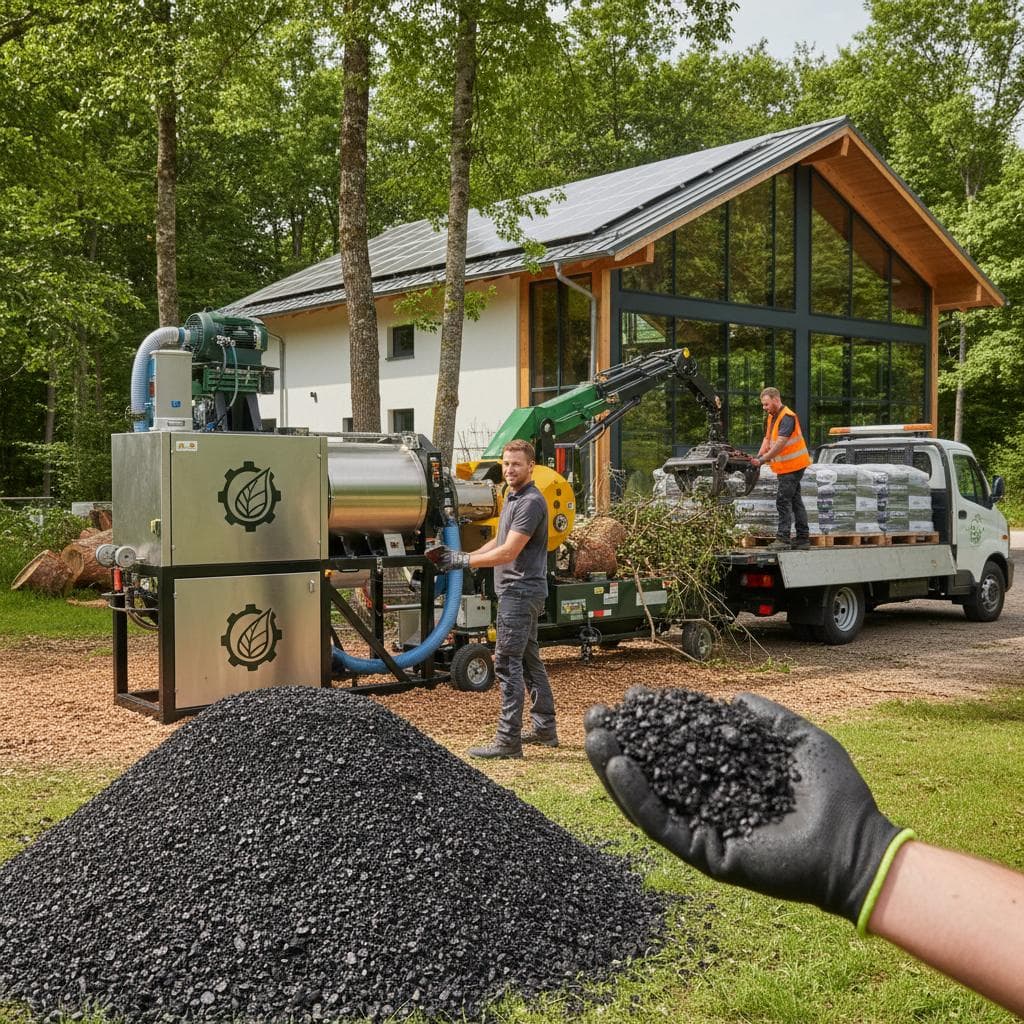
Homeowners and arborists discover a new method to convert tree waste into a valuable resource. Professionals no longer pay for disposal; they generate revenue by transforming leftover wood and branches into biochar. This process reduces waste, produces a high-demand product for soil enhancement and carbon sequestration, and positions tree care experts at the forefront of sustainable practices. The following sections detail biochar fundamentals, production economics, influencing factors, step-by-step processes, implementation strategies, and common inquiries.
What is Biochar?
Biochar represents a stable carbon formorganic materials, such as tree waste, in a low-oxygen setting through pyrolysis. The outcome yields lightweight, porous charcoal suitable for soil addition to boost fertility, retain water, and foster microbial activity. Distinct from compost, biochar resists rapid decomposition, enabling carbon storage in soil for hundreds of years.
Average Biochar Production Costs
Production costs for biochar from tree waste typically span $400 to $1,500 per ton, influenced by operation scale and equipment selection. Small-scale arborist setups often employ portable kilns or retort systems capable of handling multiple cubic yards of debris daily.
| Production Scale | Average Cost per Ton |
|---|---|
| Small Batch (portable kiln) | $400 - $700 |
| Medium Commercial | $700 - $1,000 |
| Large Industrial | $1,000 - $1,500 |
These estimates encompass fuel, labor, maintenance, and transport expenses. Initial setup demands investment, yet biochar resale values reach $800 to $2,000 per ton based on quality and market conditions.
Factors Affecting Biochar Production Profitability
Tree Species
Hardwoods, including oak and maple, generate denser, superior biochar relative to softwoods like pine, which produce lighter variants. Arborists optimize outcomes by sorting waste according to species, thereby elevating product quality and sale prices.
Moisture Content
Fresh tree waste contains elevated moisture levels that hinder pyrolysis efficiency. Pre-drying wood decreases fuel requirements and enhances yields; operators utilize solar racks or covered storage for weeks prior to processing.
Equipment Type
Equipment selection directly impacts costs and quality. Portable kilns offer affordability and mobility for small batches, while retort or continuous-feed systems ensure uniformity and greater volume, ideal for expansion.
Local Regulations
Certain areas mandate emissions controls or permits for pyrolysis operations. Arborists consult regulations early to avoid setbacks and align with environmental mandates.
Market Demand
Demand fluctuates by region; agricultural zones or gardening hubs facilitate rapid sales. Collaborations with landscapers, nurseries, or soil distributors secure reliable outlets and pricing stability.
Transportation and Storage
Biochar's lightweight, bulky nature affects logistics. Compression or pelletizing minimizes volume, streamlining transport and preserving margins.
The Tree Waste to Biochar Process
Arborists achieve optimal results through a structured conversion of tree waste to biochar. Each phase contributes to efficiency and product integrity.
-
Collection and Sorting
Gather branches, trunk pieces, and chips from pruning or removal tasks. Classify by size and species for even pyrolysis heating. -
Drying
Reduce moisture to under 20 percent for superior energy use and biochar consistency. Employ air-drying methods or covered piles. -
Preparation
Chip or size materials to suit kiln dimensions. Uniform pieces promote even heating and minimize incomplete charring. -
Pyrolysis
Heat prepared wood in oxygen-limited conditions at 400 to 700 degrees Celsius. Capture released gases to fuel subsequent runs. -
Cooling and Quenching
Cool char gradually to avert ignition risks. Quench with water or nutrients to activate for soil applications. -
Screening and Packaging
Sift to eliminate oversized fragments, then package in bags or bulk. Include labels detailing materials and methods for compliance.
DIY vs. Professional Biochar Production
When to DIY
Homeowners or small gardeners produce limited biochar via pit or barrel techniques for personal soil needs. Prioritize safety with fire safeguards and gear.
When to Hire a Professional
Businesses managing substantial debris volumes require industrial equipment and skilled personnel. Such setups control temperatures, curb emissions, and yield marketable biochar while upholding safety and standards.
How Arborists Can Add Biochar to Their Service Offerings
Arborists integrate biochar production through targeted steps that ensure viability and growth.
-
Assess Waste Volume
Calculate monthly debris output to select appropriate equipment capacity. -
Research Equipment Options
Evaluate kilns, retorts, and continuous units regarding fuel efficiency, upkeep, and emissions. -
Understand Local Regulations
Engage agencies for permit details; explore grants for eco-initiatives. -
Develop Partnerships
Connect with farmers, landscapers, and centers for bulk deals and steady income. -
Train Staff
Provide instruction on operations; leverage manufacturer resources for expertise. -
Market the Product
Position biochar as a soil vitalizer that sequesters carbon and enhances health. -
Track Production Metrics
Log yields, expenses, and revenues to optimize procedures progressively.
Frequently Asked Questions
How much profit can arborists make from biochar?
Margins range from 30 to 60 percent post-equipment recovery, with direct sales to farms or nurseries maximizing returns.
Is it expensive to start a biochar production operation?
Costs vary by size: portable units start at thousands, larger systems at tens of thousands. Begin modestly and scale with demand.
What tree waste works best for biochar?
Hardwoods such as oak, hickory, and maple yield robust, carbon-rich biochar. Softwoods suit lighter applications.
Can biochar production reduce disposal costs?
Processing on-site eliminates hauling fees, converting waste to revenue.
Does biochar help the environment?
It sequesters carbon, enriches soil, curbs nutrient loss, and advances land sustainability.
Positioning Arborists for Sustainable Revenue
Biochar production elevates tree waste management into a revenue generator that aligns with ecological priorities. Arborists cut costs, enhance green profiles, and forge community ties through this approach. Strategic adoption equips businesses to capitalize on rising demand, fostering enduring profitability and environmental impact.