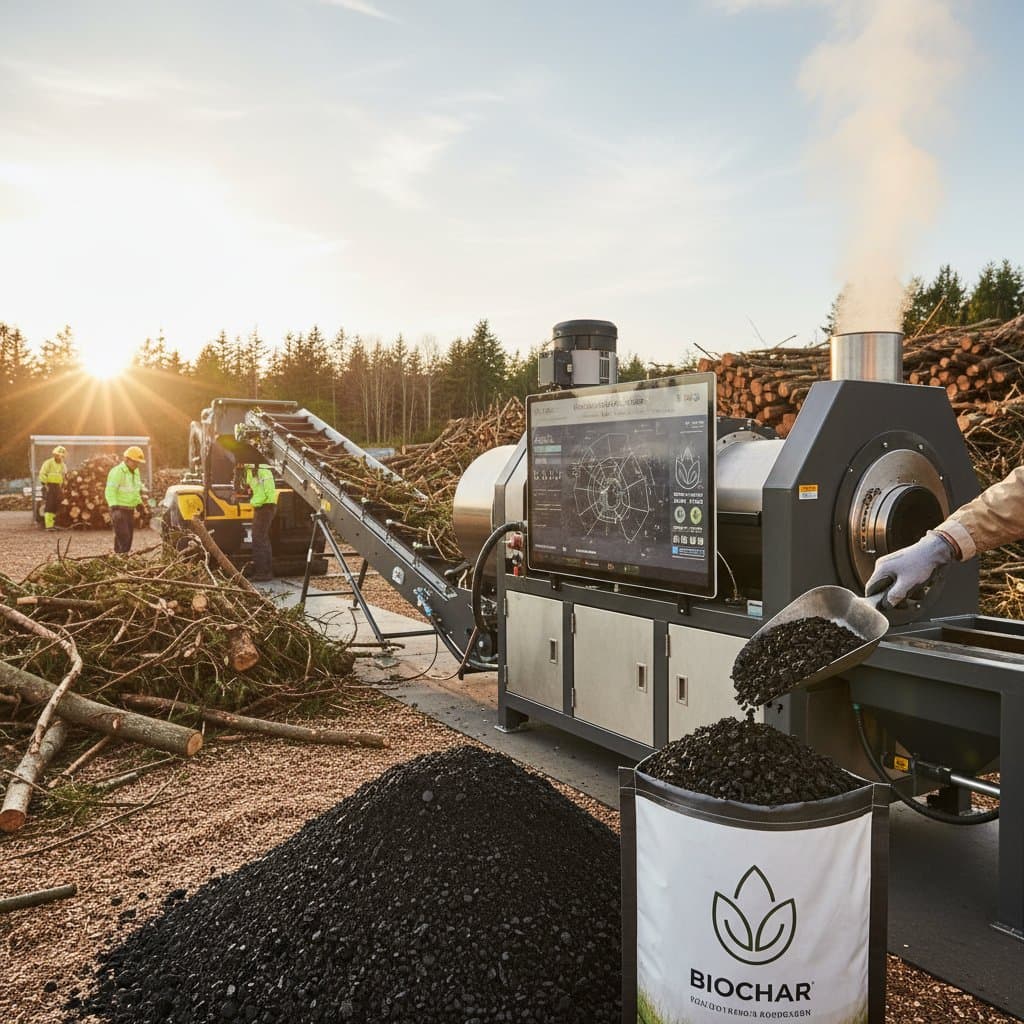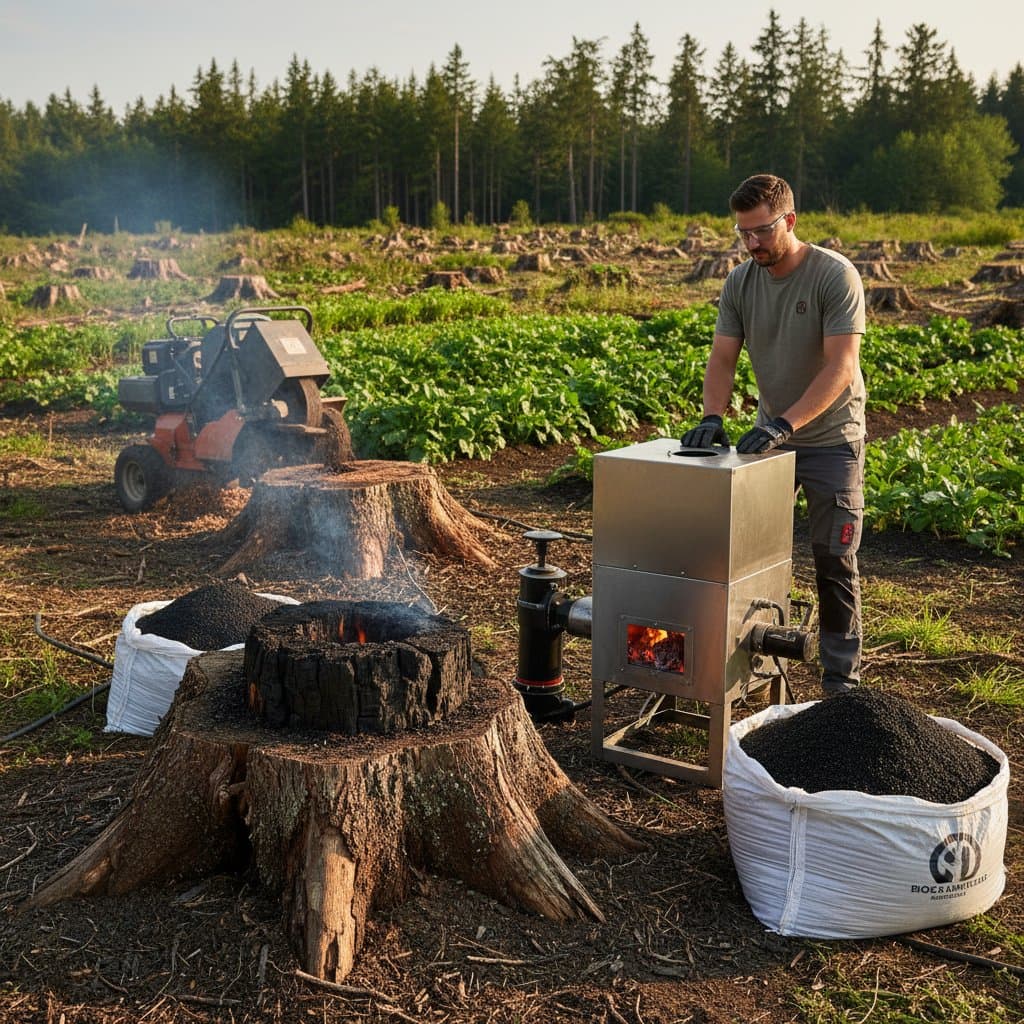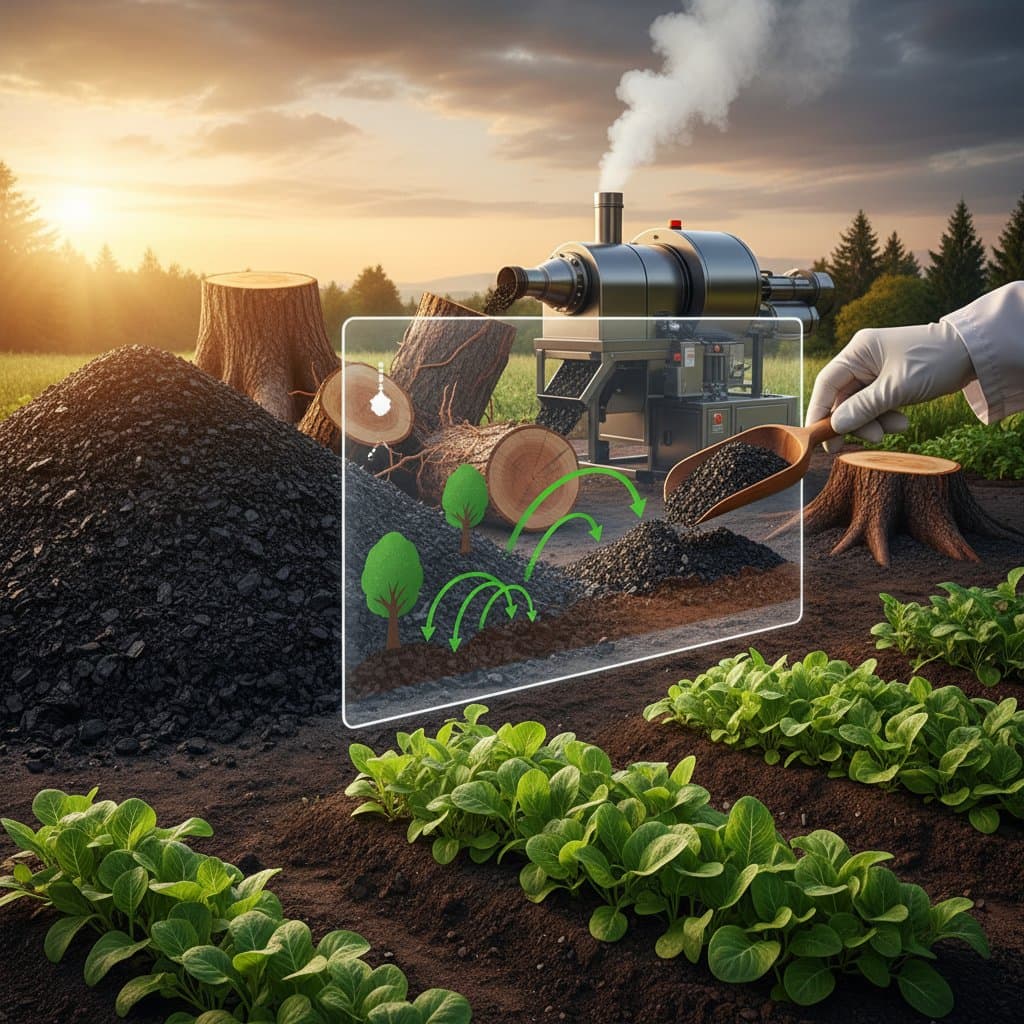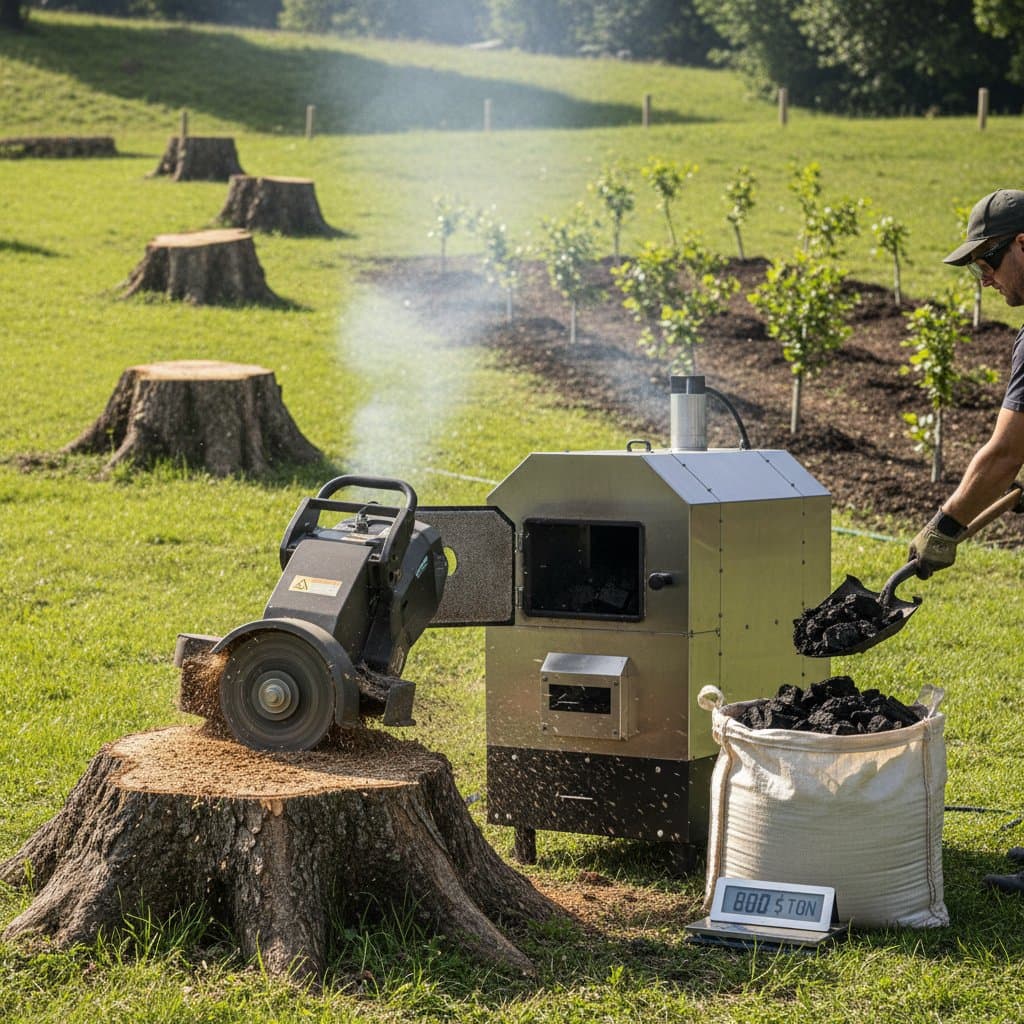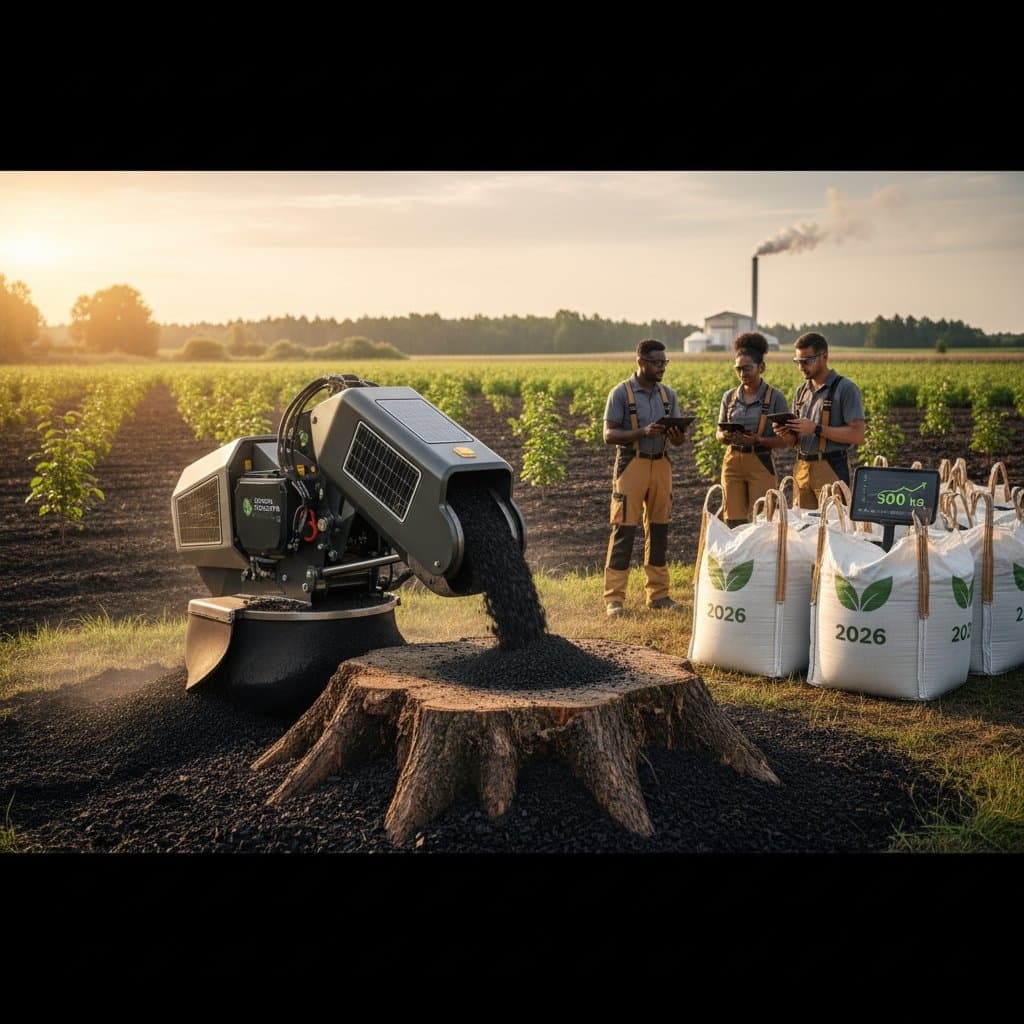
Turn Stump Waste Into $500/Ton Biochar Profit
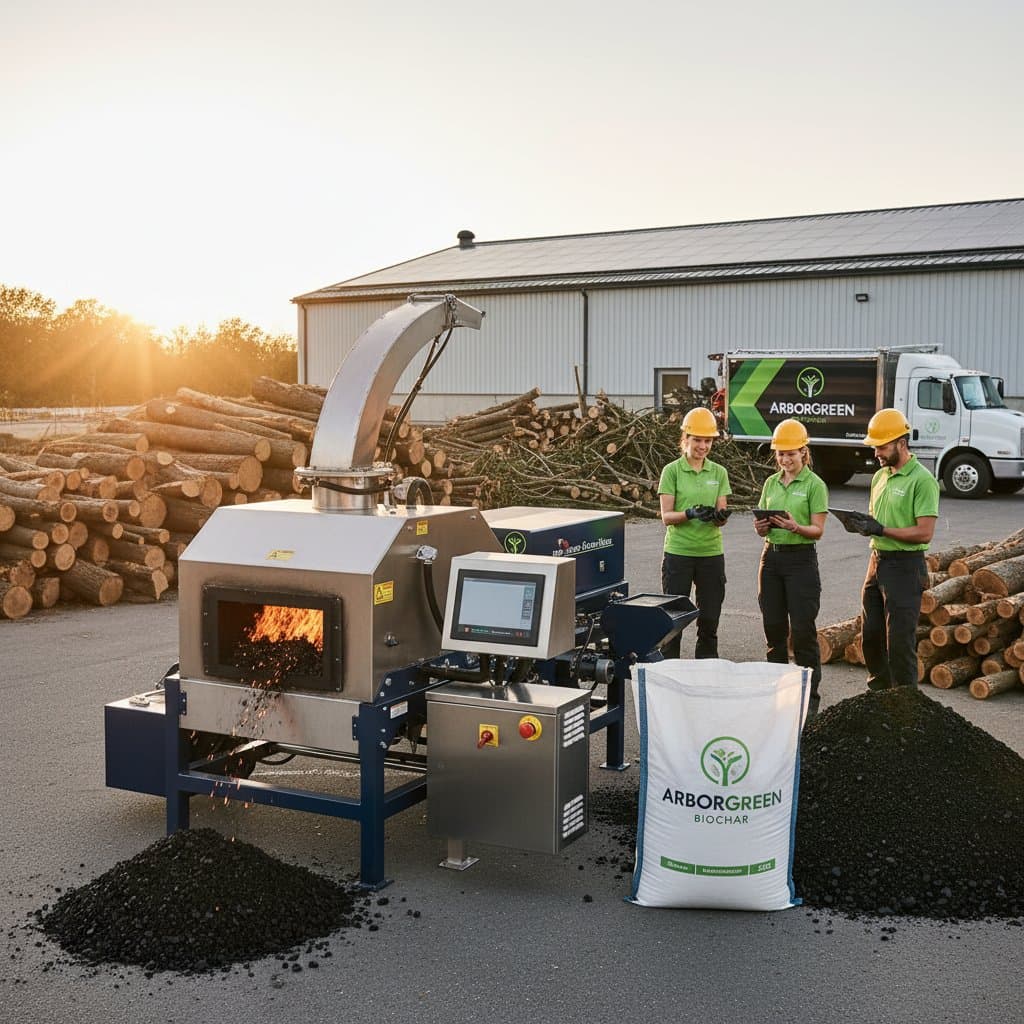
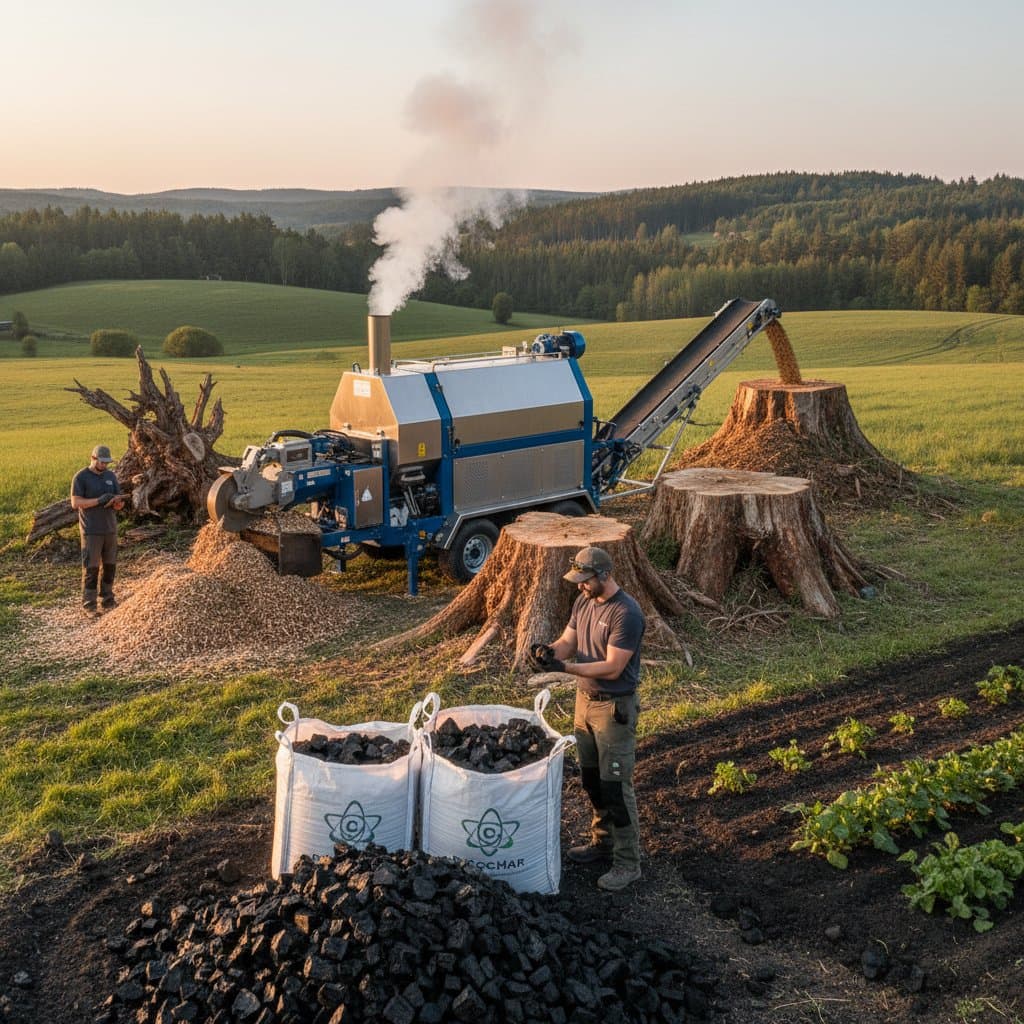
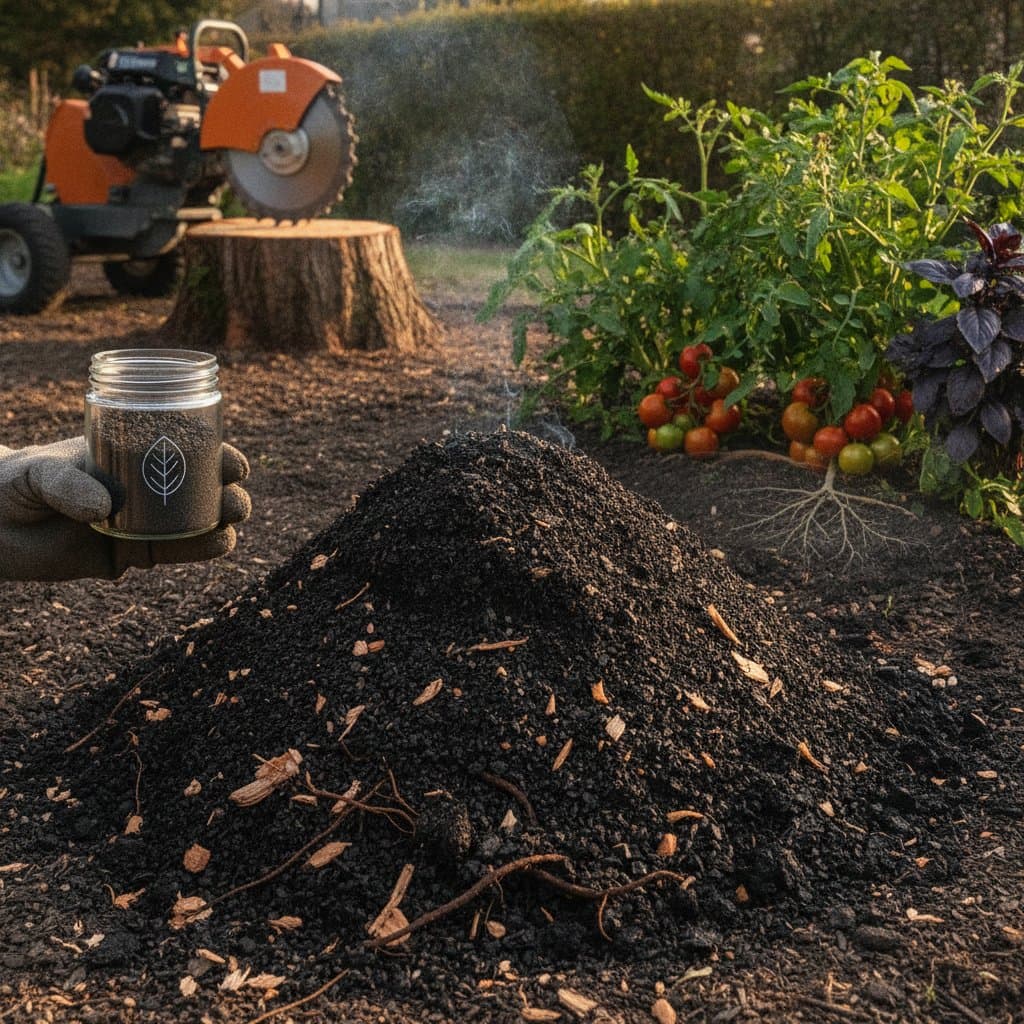
Transform stump grinding waste into biochar worth up to 500 dollars per ton. Review production costs, system options, and practical steps to create a sustainable income stream from debris.
Loading...

Transform stump grinding waste into biochar worth up to 500 dollars per ton. Review production costs, system options, and practical steps to create a sustainable income stream from debris.
Convert tree stumps, often seen as waste, into biochar—a sustainable product fetching up to $800 per ton. This guide covers costs, equipment, production steps, and market tactics, enabling tree services and landscapers to generate income while enhancing soil and sequestering carbon.
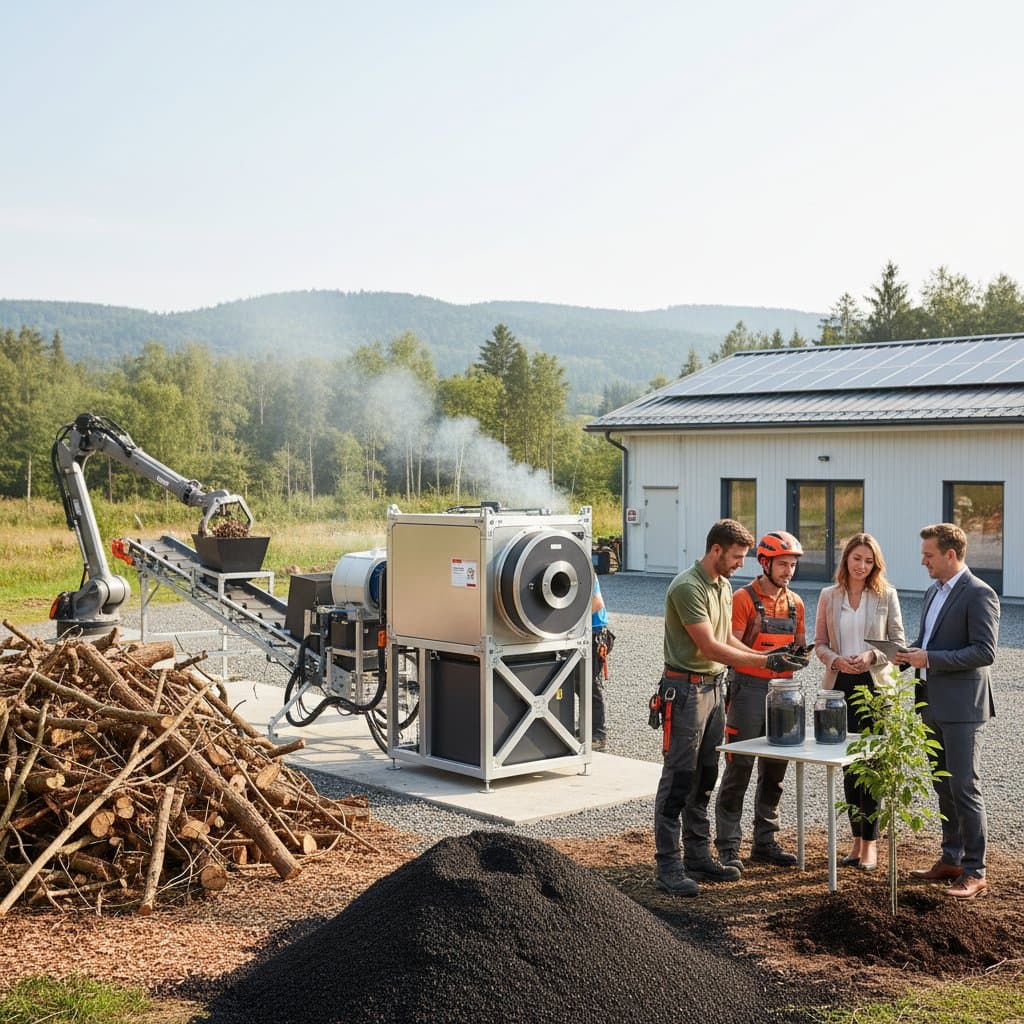
Tree waste evolves from burdensome debris into a valuable, eco-friendly asset via biochar production. This process turns branches and trunks into carbon-rich soil enhancers, cutting emissions and unlocking new income sources. Homeowners, arborists, and businesses can convert disposal issues into opportunities within the expanding biochar market of 2026.
Arborists unlock profits through sustainability by transforming tree waste into biochar, a durable carbon-storing soil enhancer. With accessible equipment, zero raw material costs, and expanding demand, tree care firms convert expenses into income and lead in eco-practices by 2026.
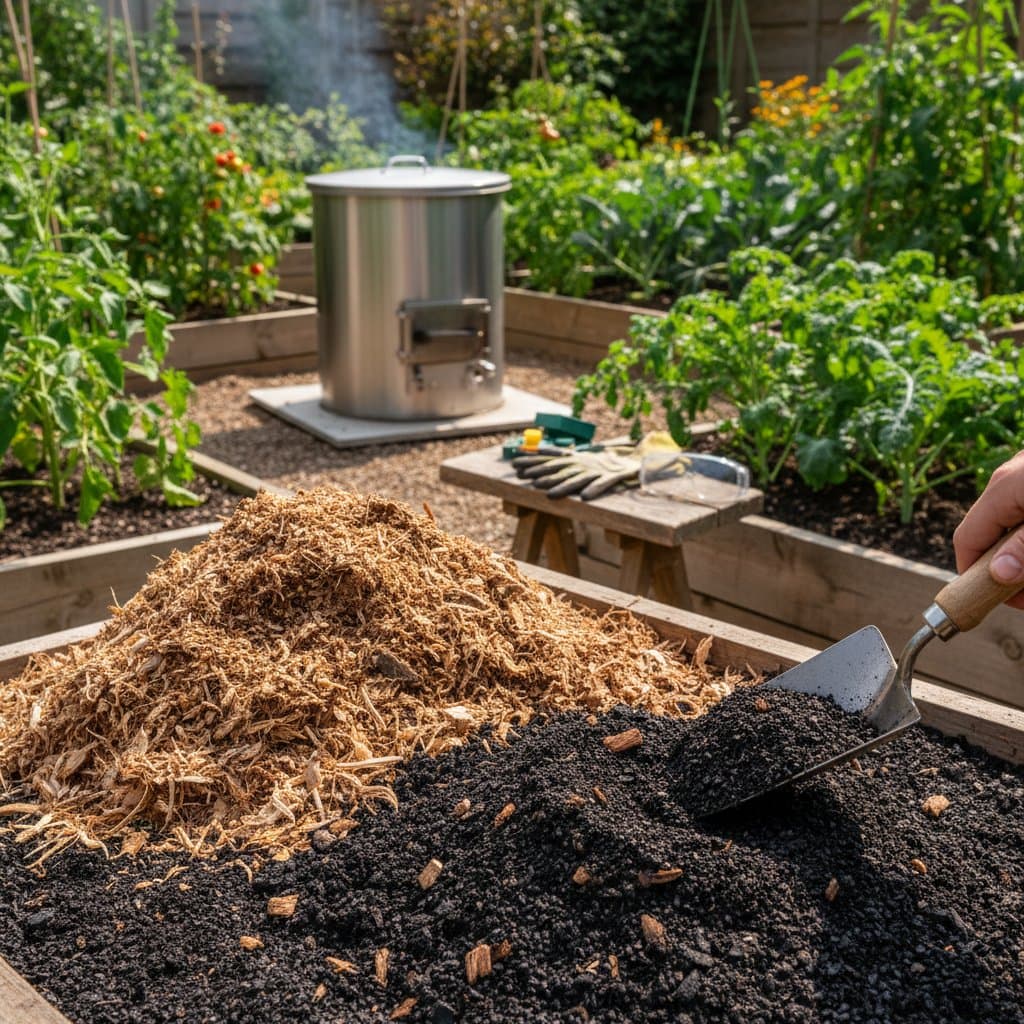
Convert stump grinding waste into biochar to enhance soil fertility, conserve resources, and promote plant resilience. This comprehensive guide covers safe production techniques, key benefits, and practical usage tips, transforming debris into a vital gardening asset.
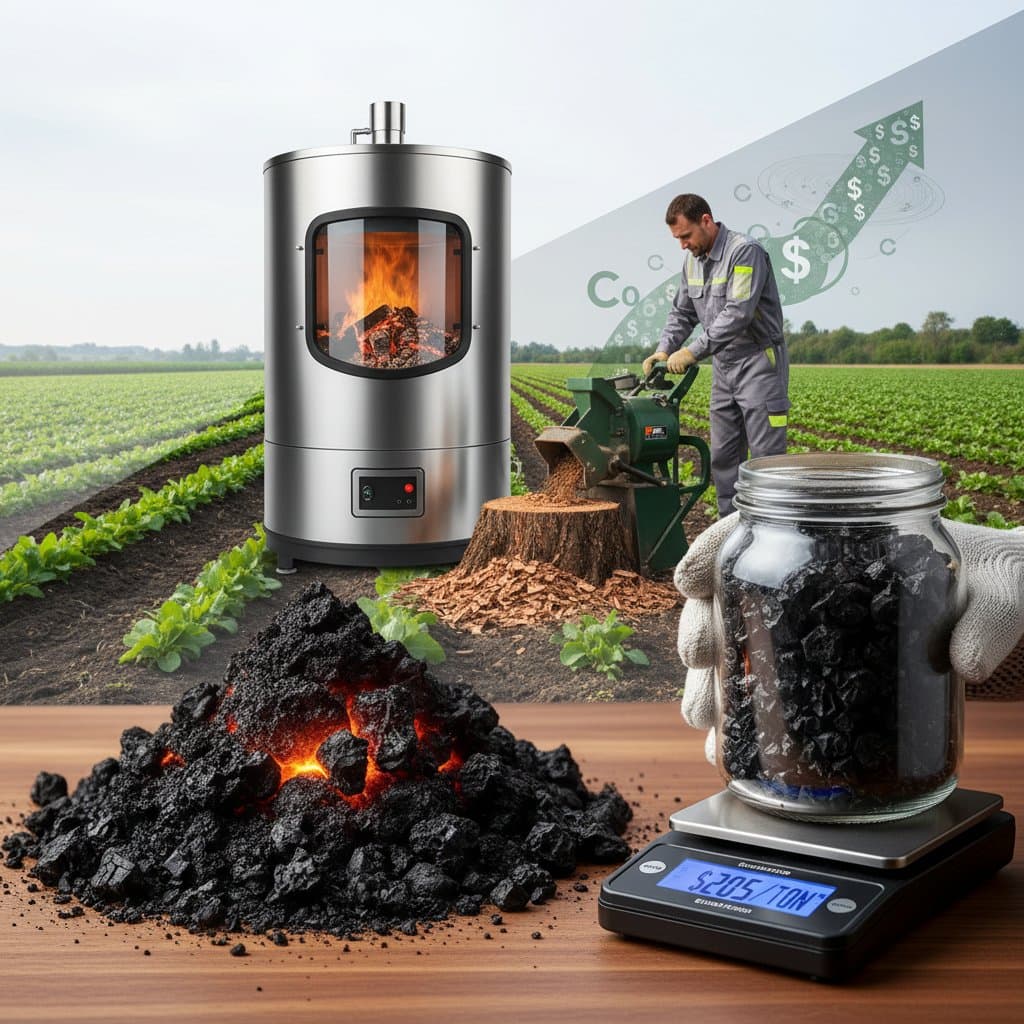
Convert leftover tree stumps into a valuable resource by producing biochar that sells for more than $200 per ton. This eco-friendly method minimizes waste, boosts soil quality, and lowers carbon emissions. Homeowners and industry professionals alike can establish a reliable income source through effective biochar production techniques, suitable equipment selection, and strategic planning.
Convert tree stumps from waste into a revenue source through biochar production. This versatile material improves soil quality, sequesters carbon, and opens doors to income streams. Follow this guide to assess costs, select equipment, and implement steps for launching your operation or collaborating with experts, paving the way for environmental and financial gains by 2026.
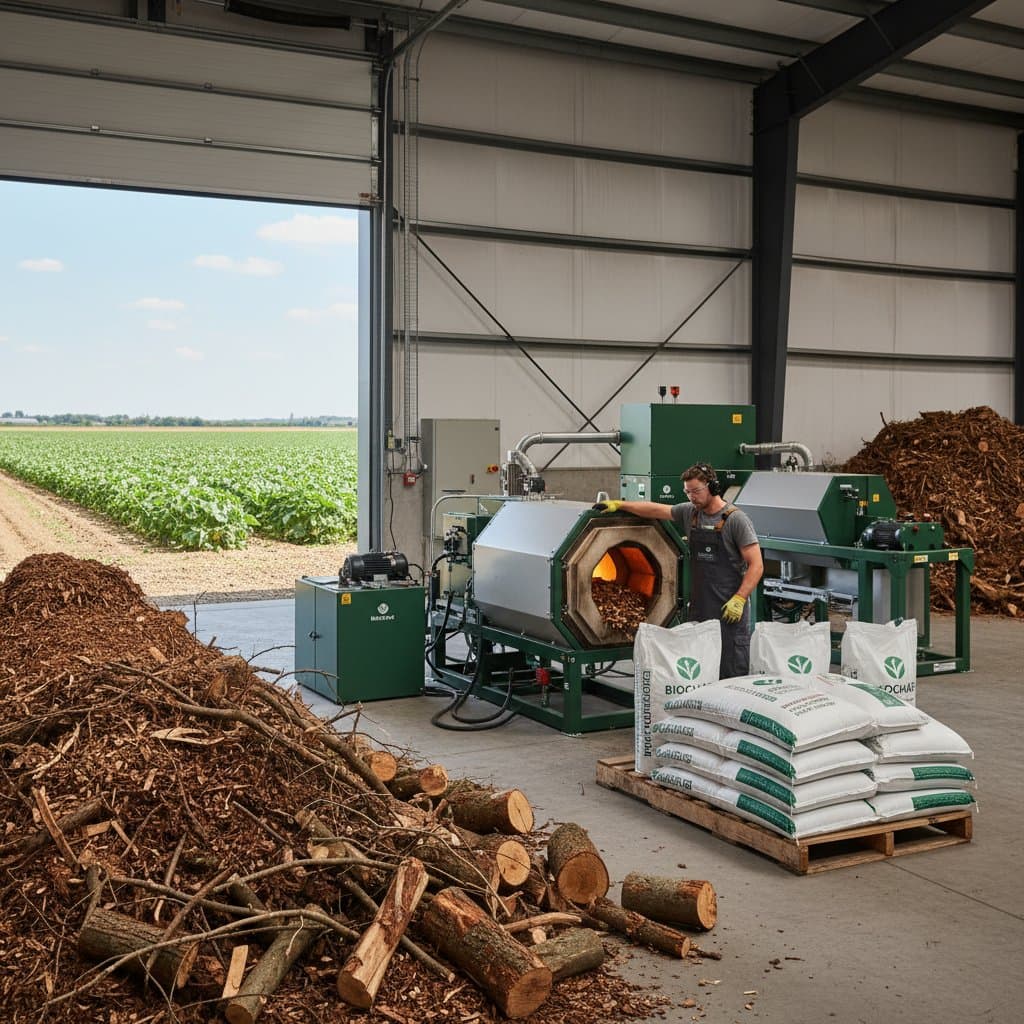
Tree waste presents a lucrative opportunity for arborists as biochar values approach $800 per ton. By transforming wood chips into this premium, carbon-sequestering product, professionals eliminate disposal expenses and generate substantial profits. Discover scalable production techniques, cost-effective systems, and market strategies poised to redefine tree care economics through 2026.
Arborists transform tree waste into biochar, shifting from disposal expenses to revenue streams up to $1,500 per ton. This guide covers production essentials, profitability drivers, and steps to adopt this sustainable practice, enhancing soil quality and carbon storage while fueling business growth.
Convert tree stump waste into biochar for profit and sustainability by 2026. Tree professionals and homeowners can process grindings into soil enhancers, cut emissions, and open new revenue channels with practical steps and equipment advice.
Biochar production revolutionizes tree waste management, reducing disposal costs by up to 60% and producing a carbon-sequestering soil amendment. This approach minimizes landfill dependency, emission outputs, and can yield revenue streams. Explore how individuals and communities leverage this method for eco-conscious, economical tree care by 2026.
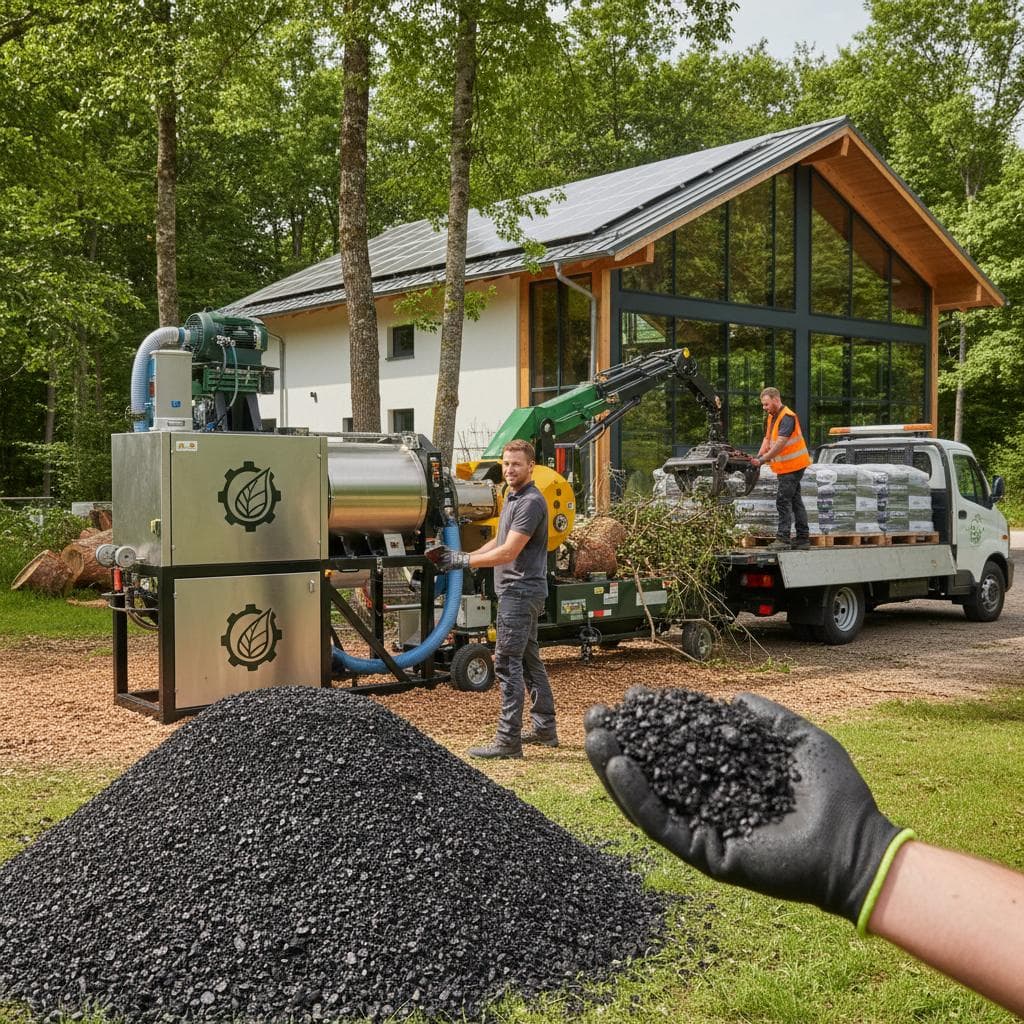
Arborists convert tree waste into biochar, a carbon-rich soil amendment that turns disposal expenses into income. This practice employs scalable production methods, from basic kilns to sophisticated pyrolysis systems, delivering environmental gains, cost savings, and expanding market potential by 2026.
Convert tree stumps into biochar to minimize waste, enrich soil, and establish income sources. This overview covers production expenses, techniques, tools for various scales, quality assurance, regulations, and strategies for cultivating eco-conscious markets.
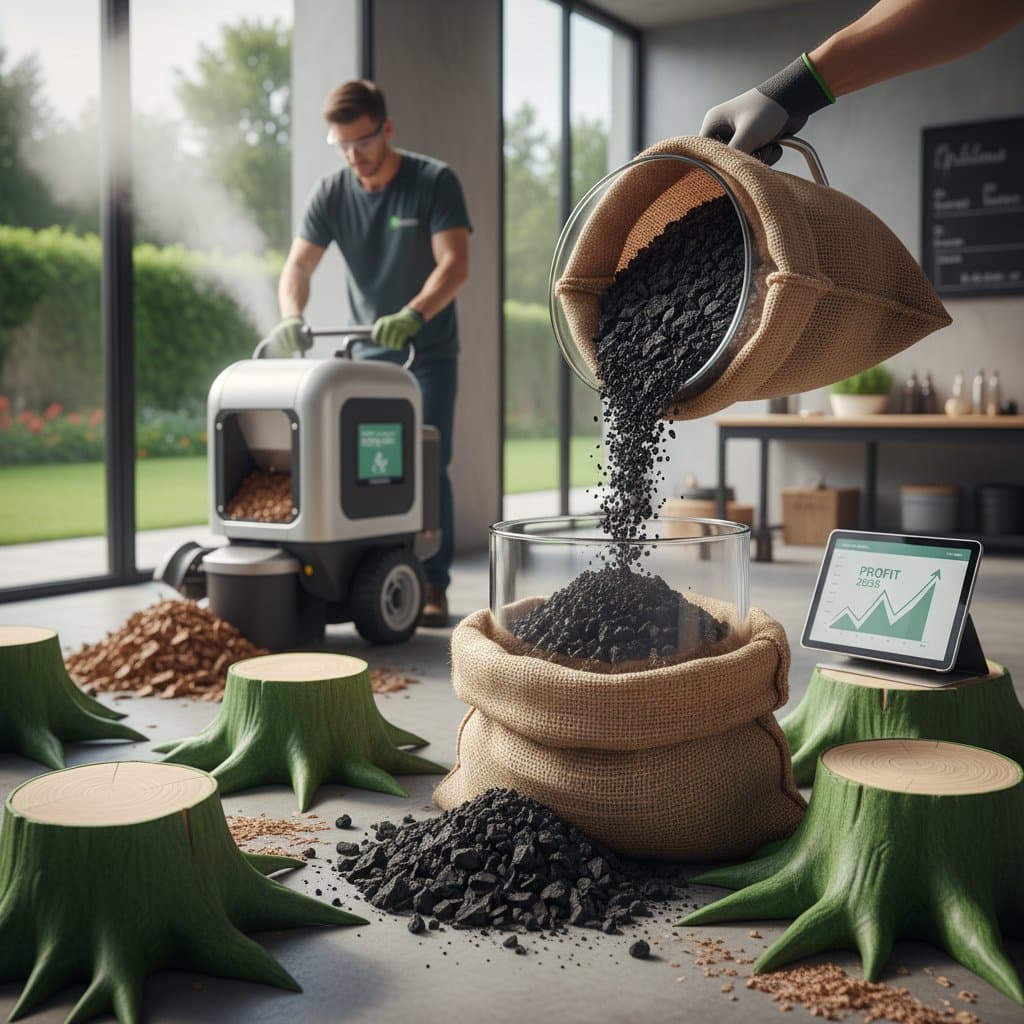
Tree stumps, often discarded as waste, hold the key to profitable biochar production. This carbon-rich amendment improves soil fertility, retains water, and sequesters carbon. With growing market demand and solid margins, stump conversion presents a sustainable opportunity for homeowners and entrepreneurs by 2026.
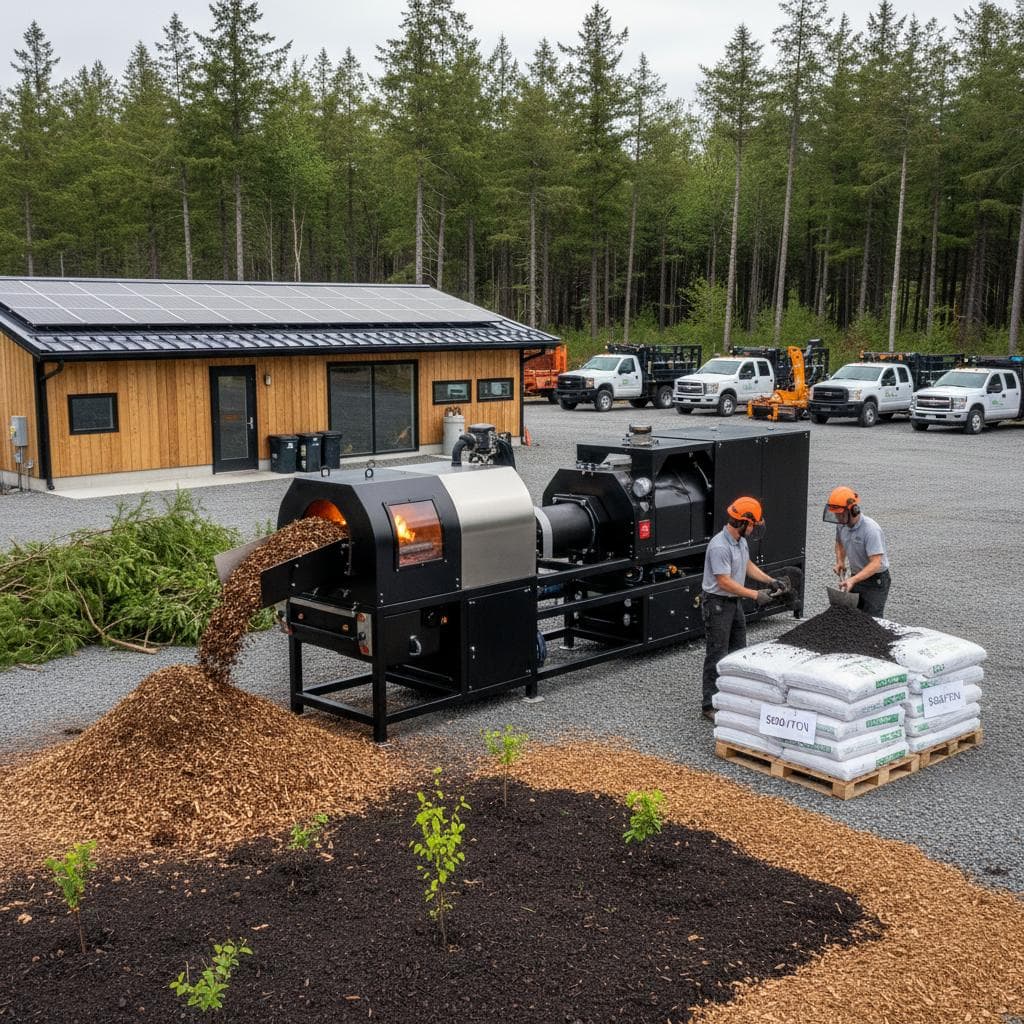
Transform yard waste into biochar, a sustainable resource that converts stumps, branches, and debris into soil-enriching carbon. This guide covers the pyrolysis process, cost breakdowns, DIY techniques, professional options, and ways to profit while boosting garden health and cutting disposal fees.
Convert tree waste into biochar to generate revenue and enhance sustainability. This 2025 guide outlines costs, systems, production steps, and market tips for turning disposal costs into profits.