Biochar Removes Stumps in 3 Weeks Without Grinding
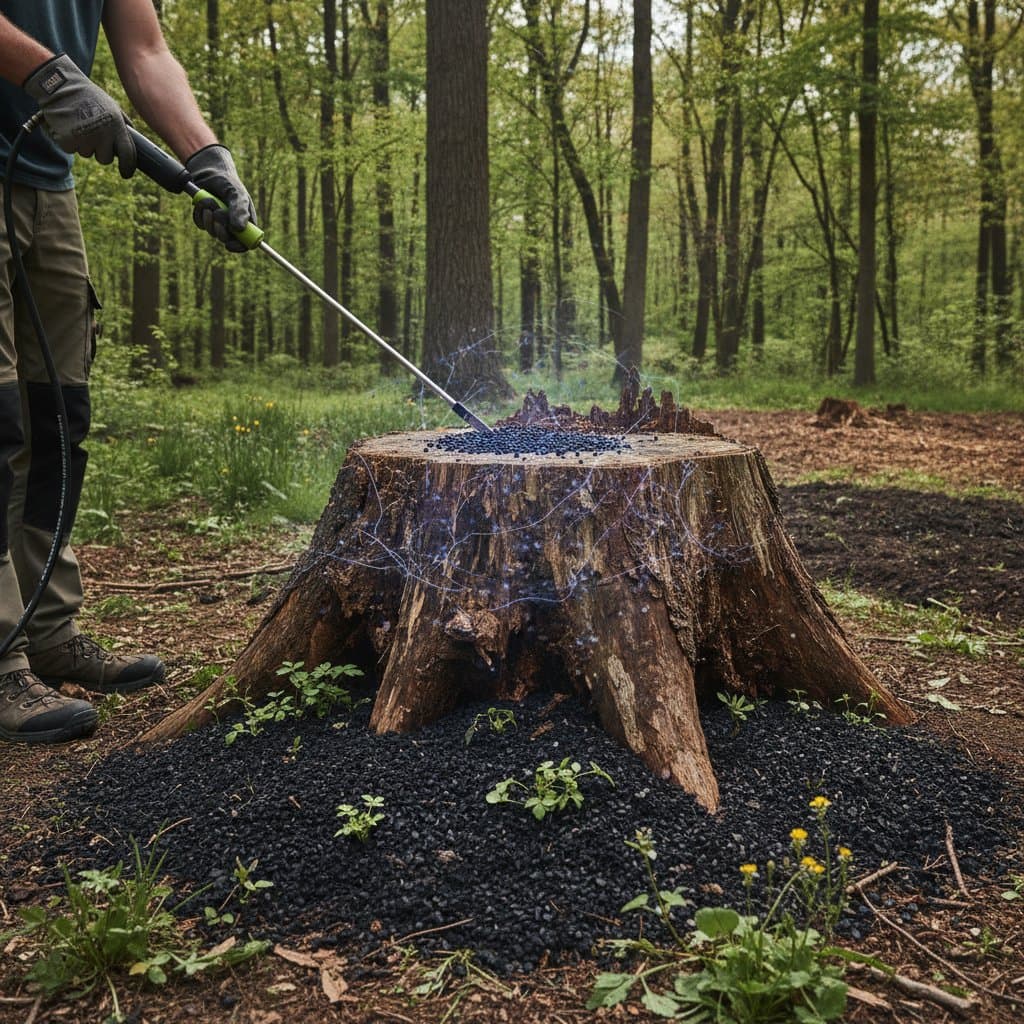
Biochar accelerates natural stump decay in as little as three weeks. This guide covers costs, suitable biochar types, and precise DIY steps that enrich soil without noise or chemicals.
Loading...

Biochar accelerates natural stump decay in as little as three weeks. This guide covers costs, suitable biochar types, and precise DIY steps that enrich soil without noise or chemicals.
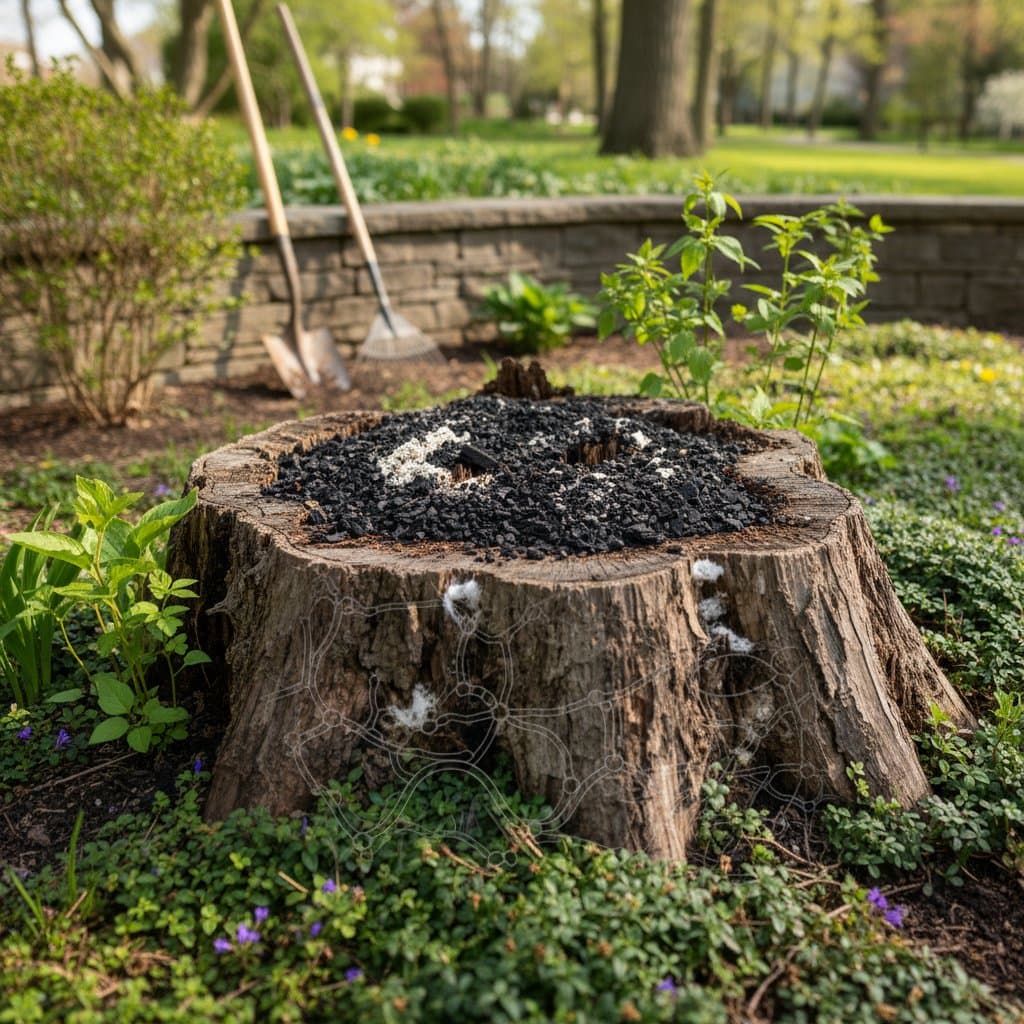
Biochar stump removal converts leftover wood into a stable soil amendment that stores carbon, improves moisture retention, and supports plant health for years after the tree is gone.
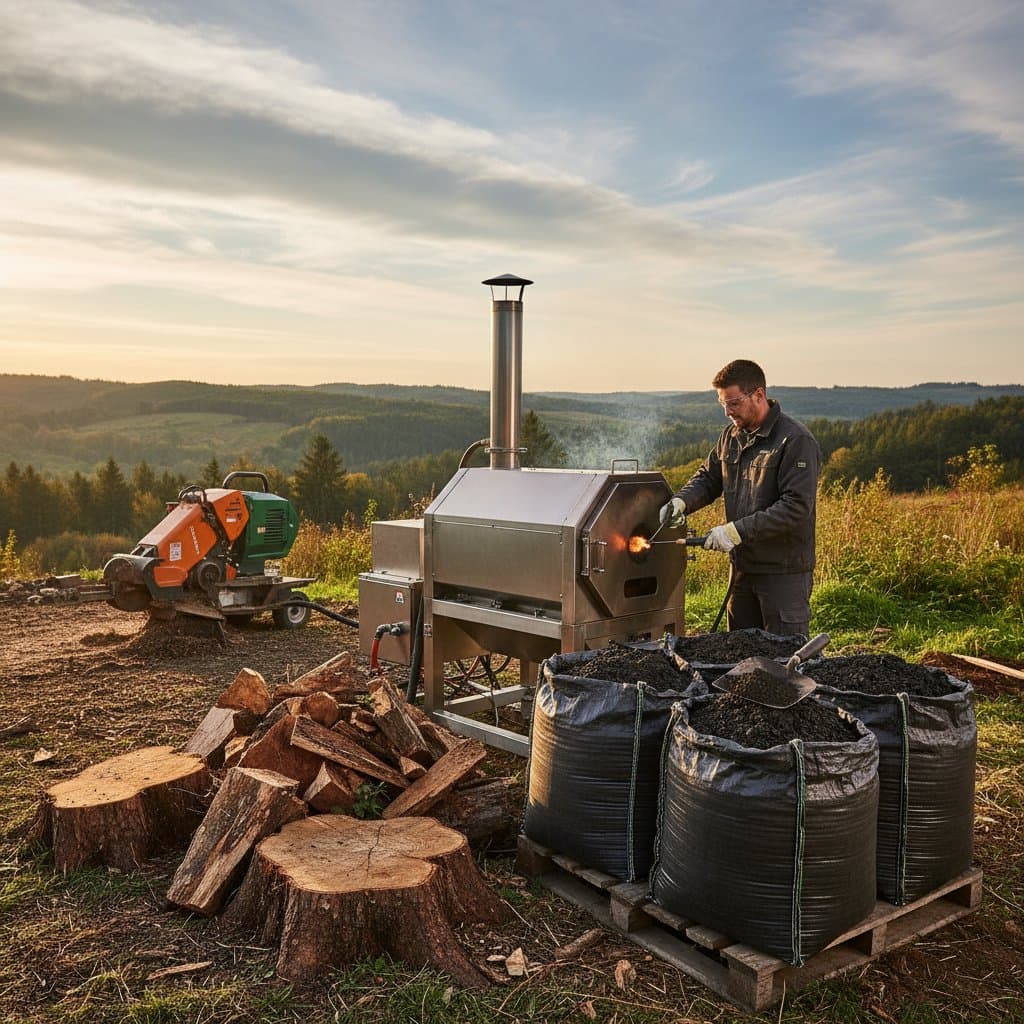
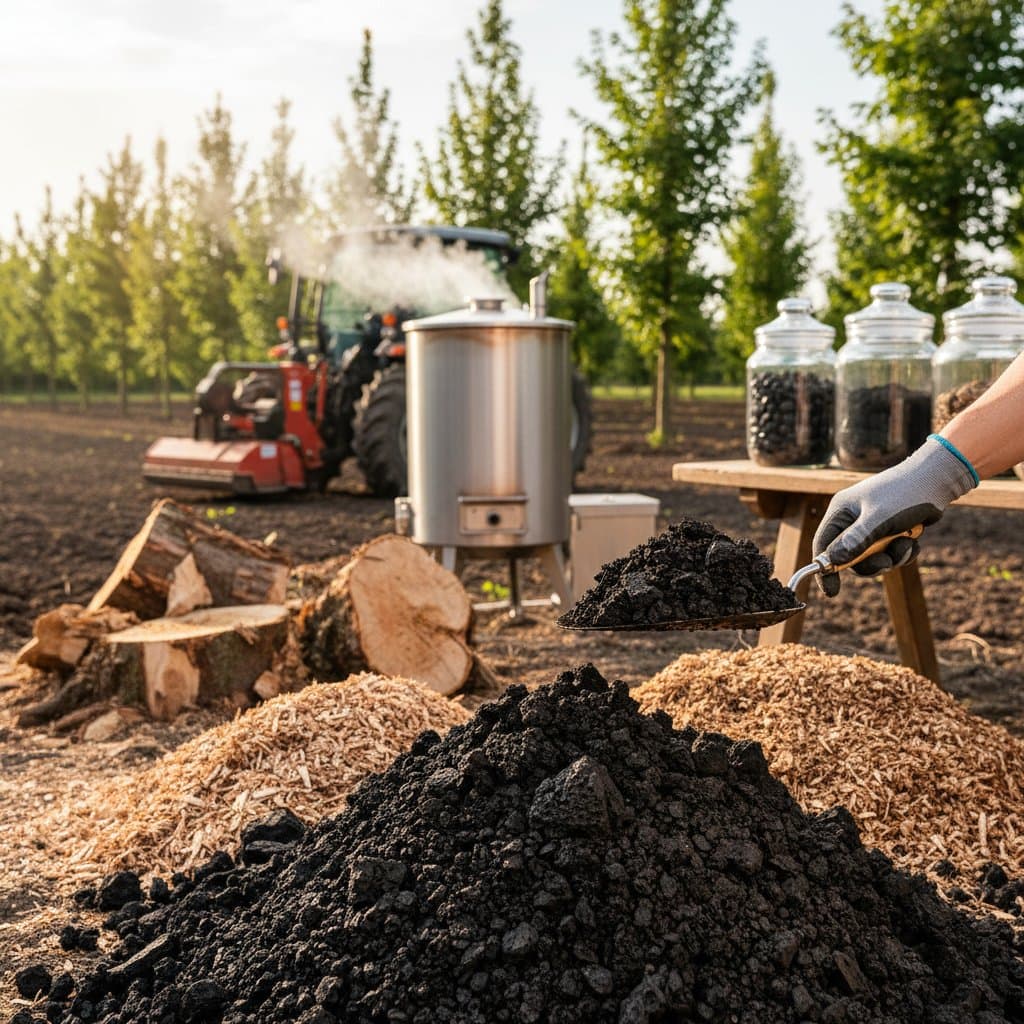
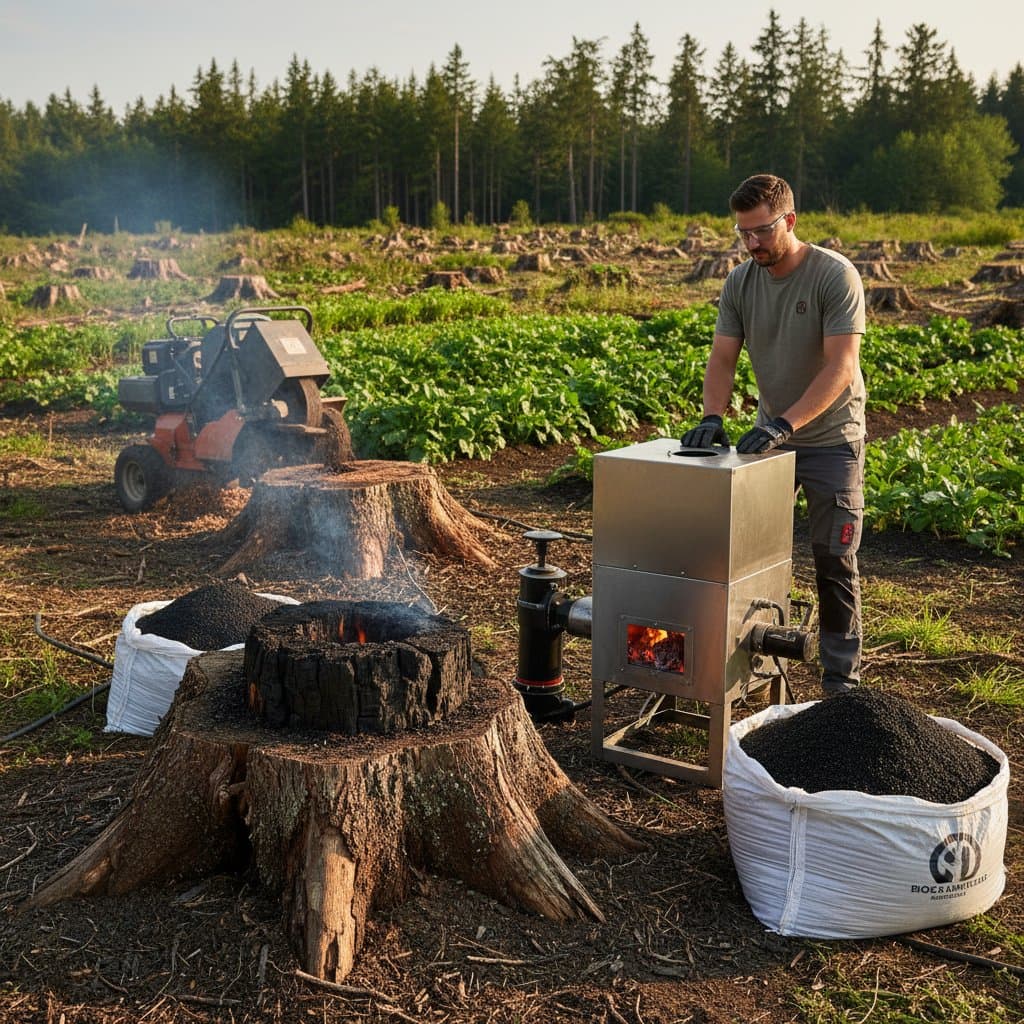
Transform tree stumps into biochar that sells for 500 dollars or more. Follow the drying, kiln, and packaging steps that produce a high demand soil amendment while reducing waste.
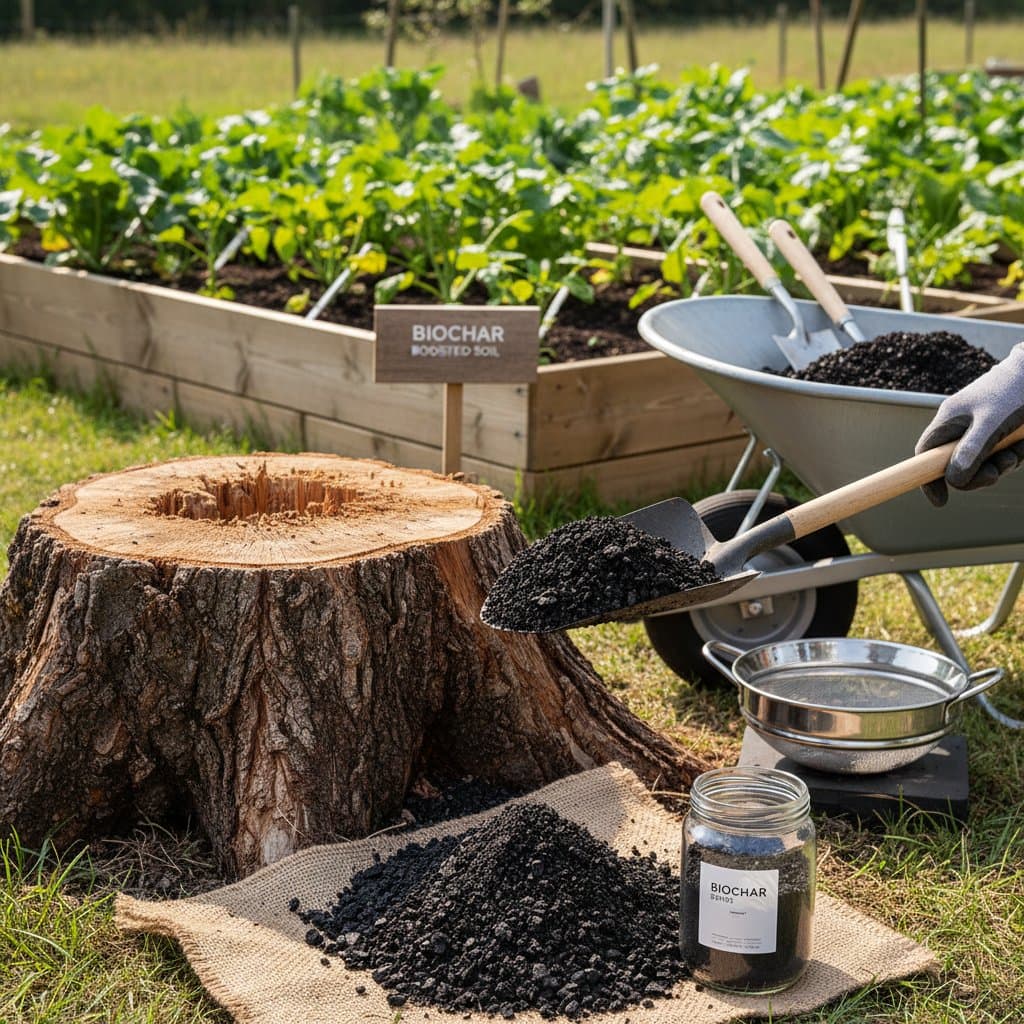
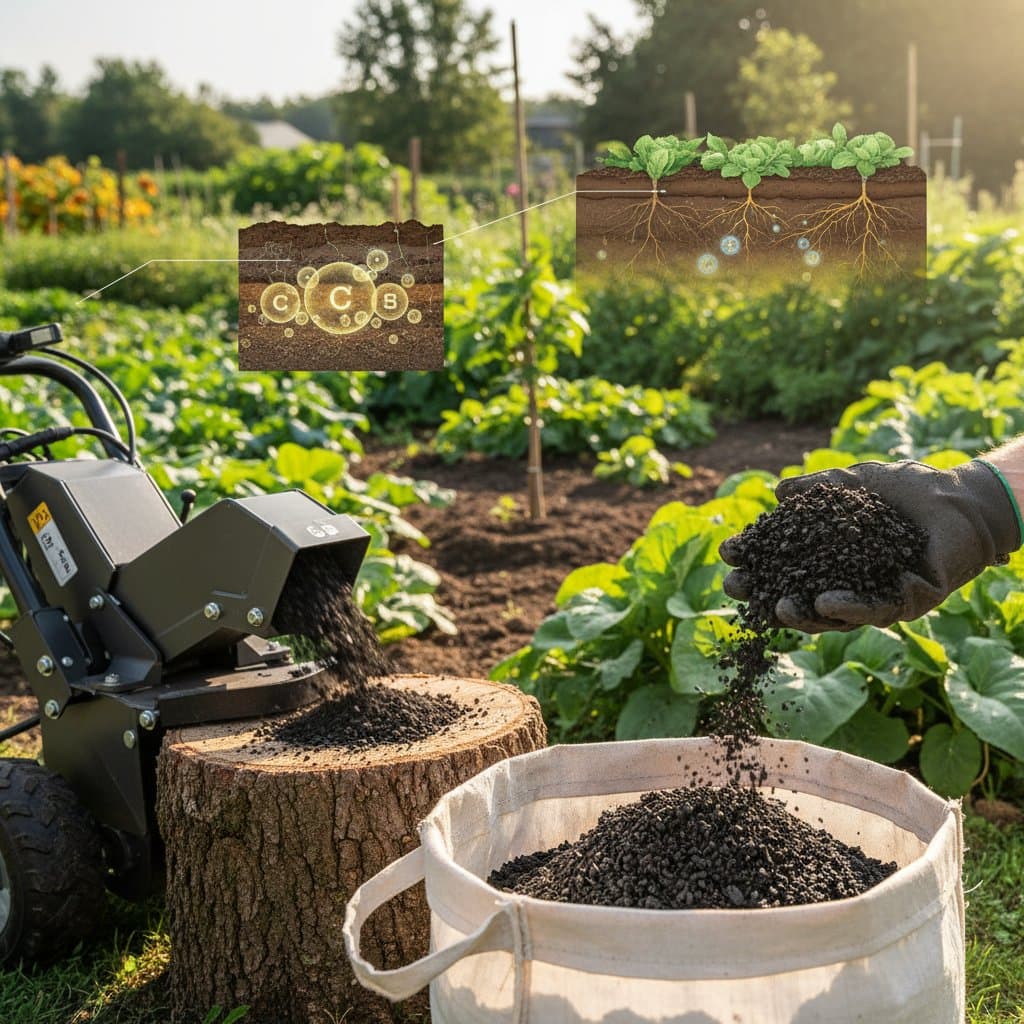
Transform stump waste into biochar that enriches garden soil and reduces disposal needs. Review costs, production methods, and actionable steps for creating a stable soil amendment at home.
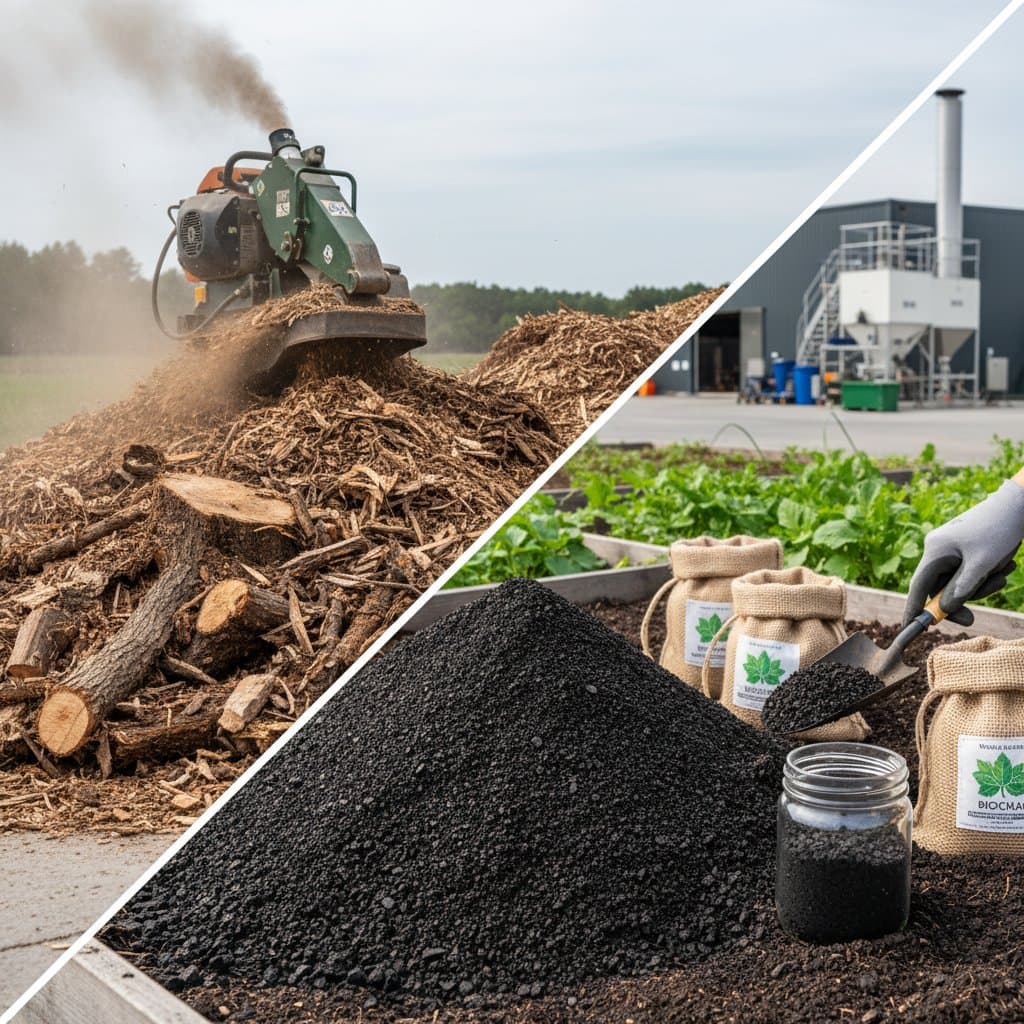
Transform stump grinding waste into biochar worth up to 500 dollars per ton. Review production costs, system options, and practical steps to create a sustainable income stream from debris.
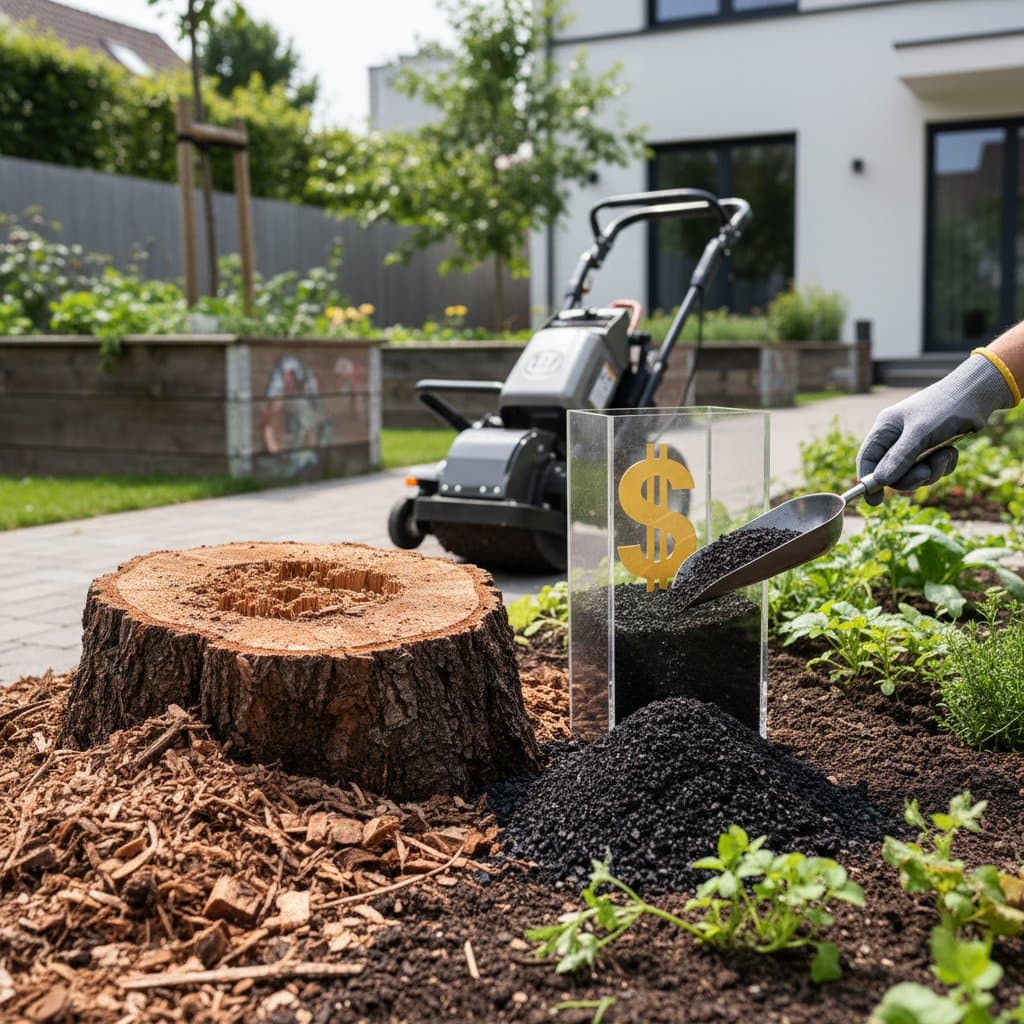
Old tree stumps can become a carbon-rich soil amendment worth up to $500 per cubic yard. Discover how biochar conversion transforms waste into a practical resource that builds healthier gardens and supports sustainable practices.
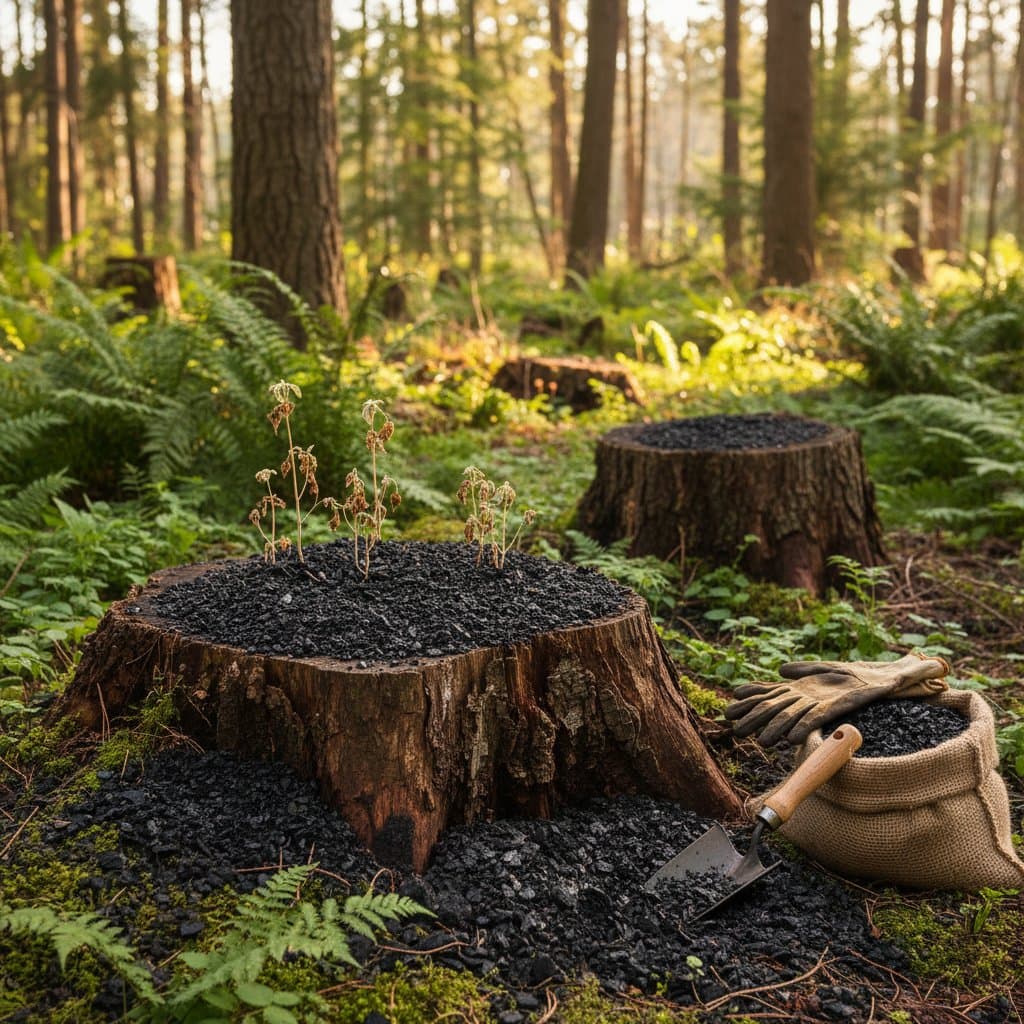
Biochar provides a reliable, natural method to curb stump regrowth by 95 percent, while enhancing soil quality. This approach avoids chemicals, reduces expenses, and promotes a healthier landscape. Discover application steps, cost breakdowns, and options for DIY or professional implementation to achieve enduring results.
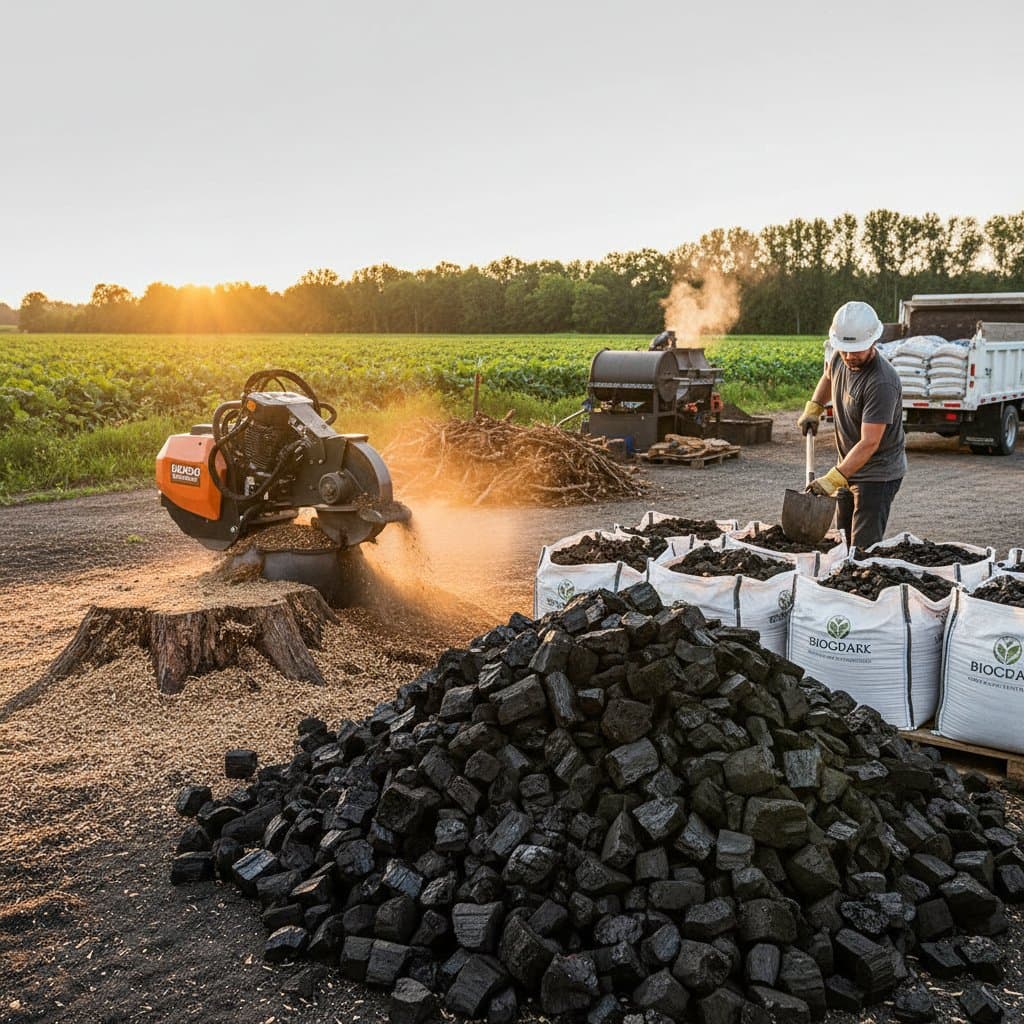
Convert stump waste into biochar valued at up to $200 per ton. This carbon-negative solution improves soil fertility, minimizes environmental impact, and opens revenue opportunities in agriculture, landscaping, and composting. Explore safe production methods, market insights, and strategies to connect with buyers seeking premium biochar.
Convert tree stumps into biochar for profit and sustainability. This guide covers production techniques, cost breakdowns, equipment options, and strategies to minimize waste while maximizing income for homeowners and professionals.
Stump waste turns from a costly hassle into a profitable resource via biochar production, reaching $200 per ton. Tree experts and homeowners learn to cut expenses, earn revenue, and support carbon sequestration with sustainable methods.
Biochar shortens stump decomposition by up to eight months, while enhancing soil quality. This sustainable, affordable technique leverages microbes for superior outcomes over grinding or chemicals. Delve into the principles, expenses, and detailed instructions to restore your landscape and promote natural soil improvement.
Transform stump grindings from waste to wealth by producing biochar at up to $200 per ton. This guide covers the pyrolysis method, cost breakdowns, market factors, and partnerships for eco-friendly income in tree services.
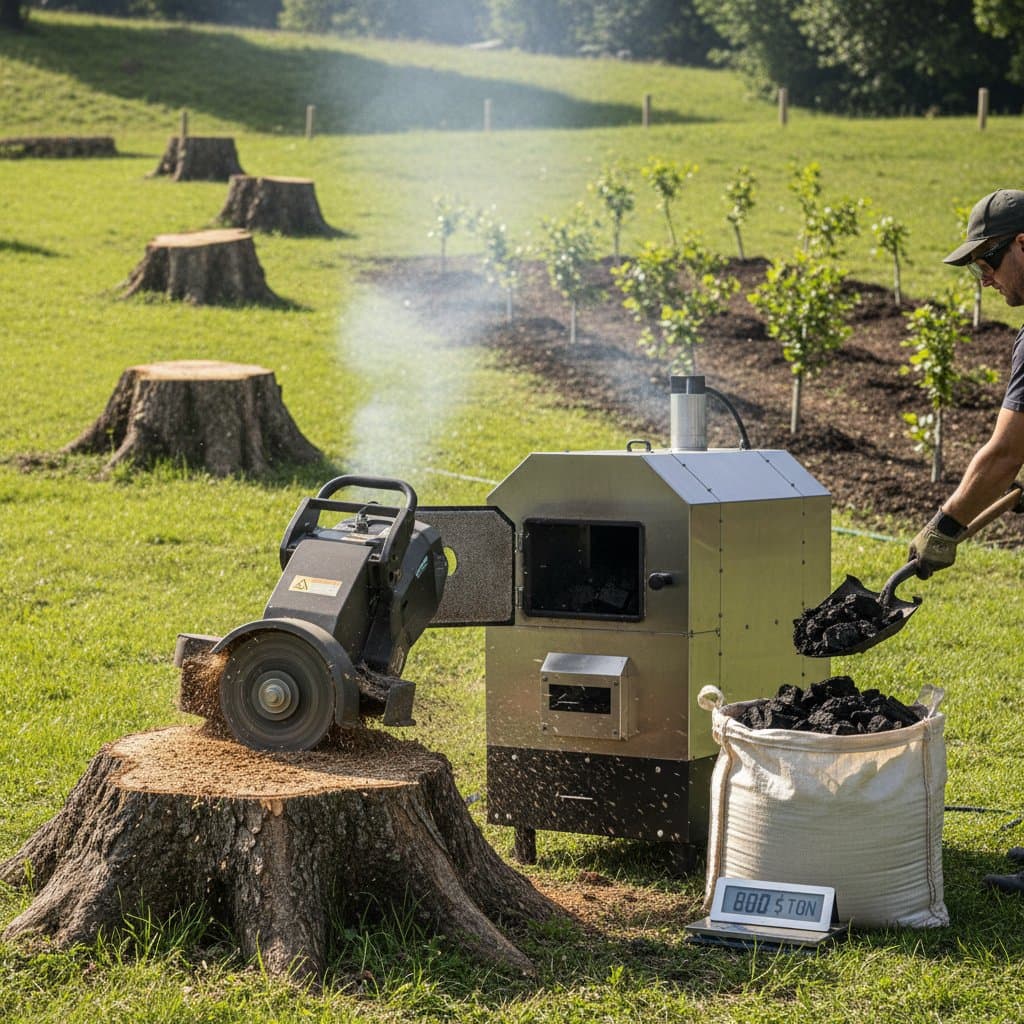
Convert tree stumps, often seen as waste, into biochar—a sustainable product fetching up to $800 per ton. This guide covers costs, equipment, production steps, and market tactics, enabling tree services and landscapers to generate income while enhancing soil and sequestering carbon.
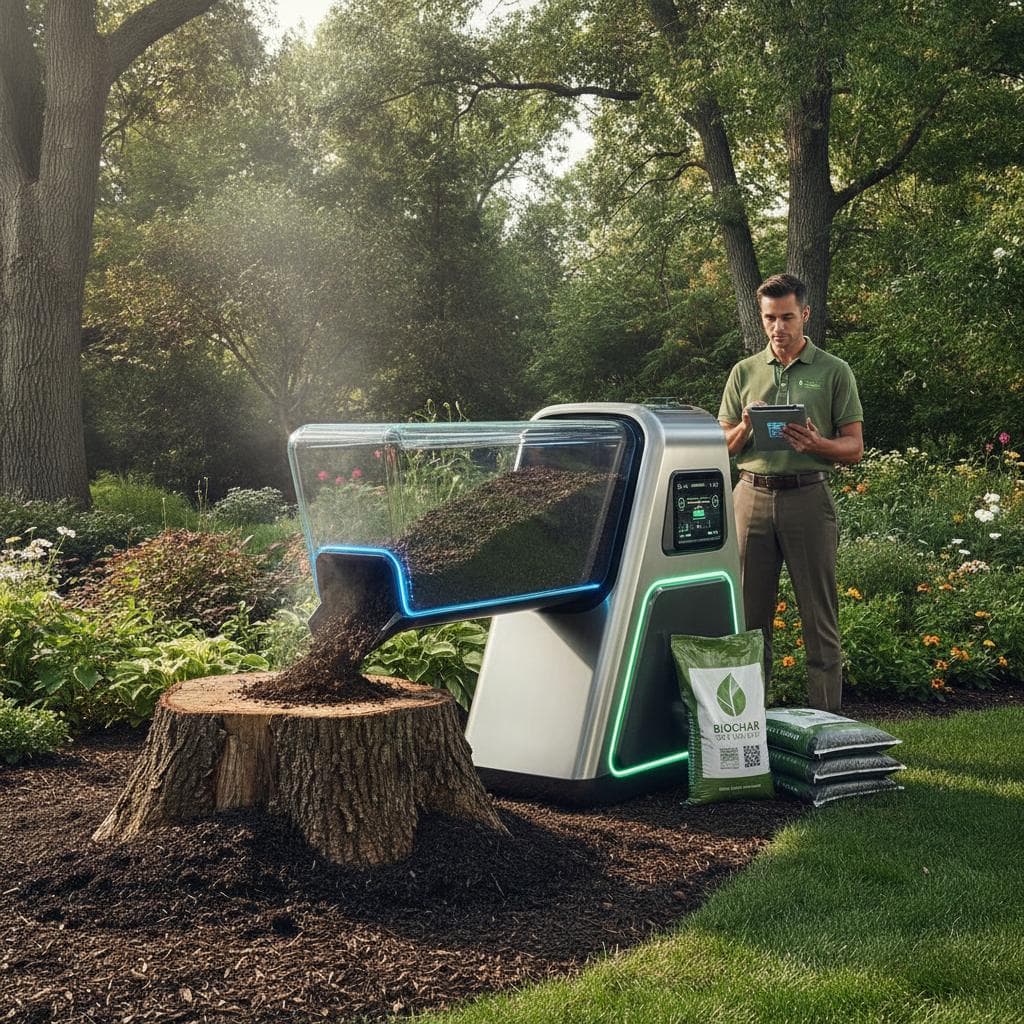
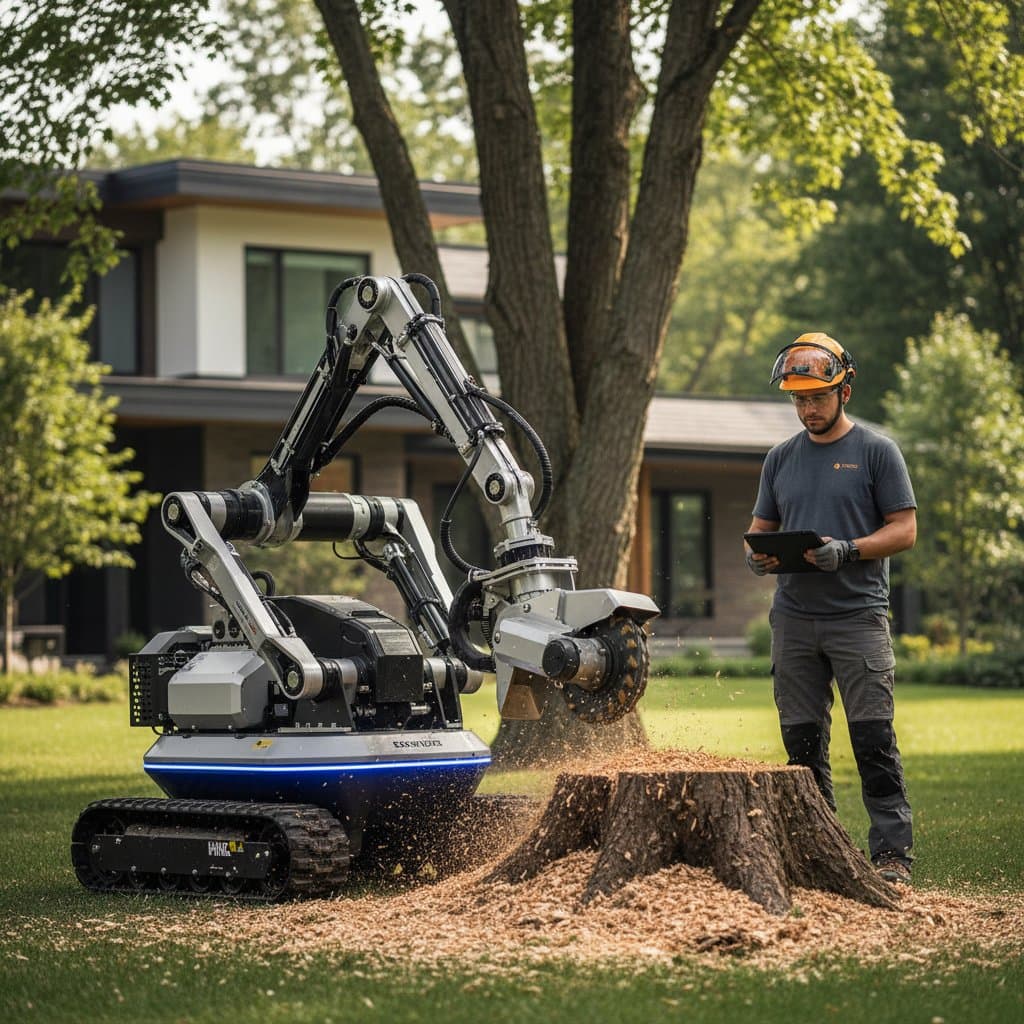
Robotic stump grinders revolutionize tree care by enabling 3X faster removal with enhanced precision and lower labor needs. This overview covers system varieties, pricing influences, operational steps, and professional versus DIY considerations for optimal results.
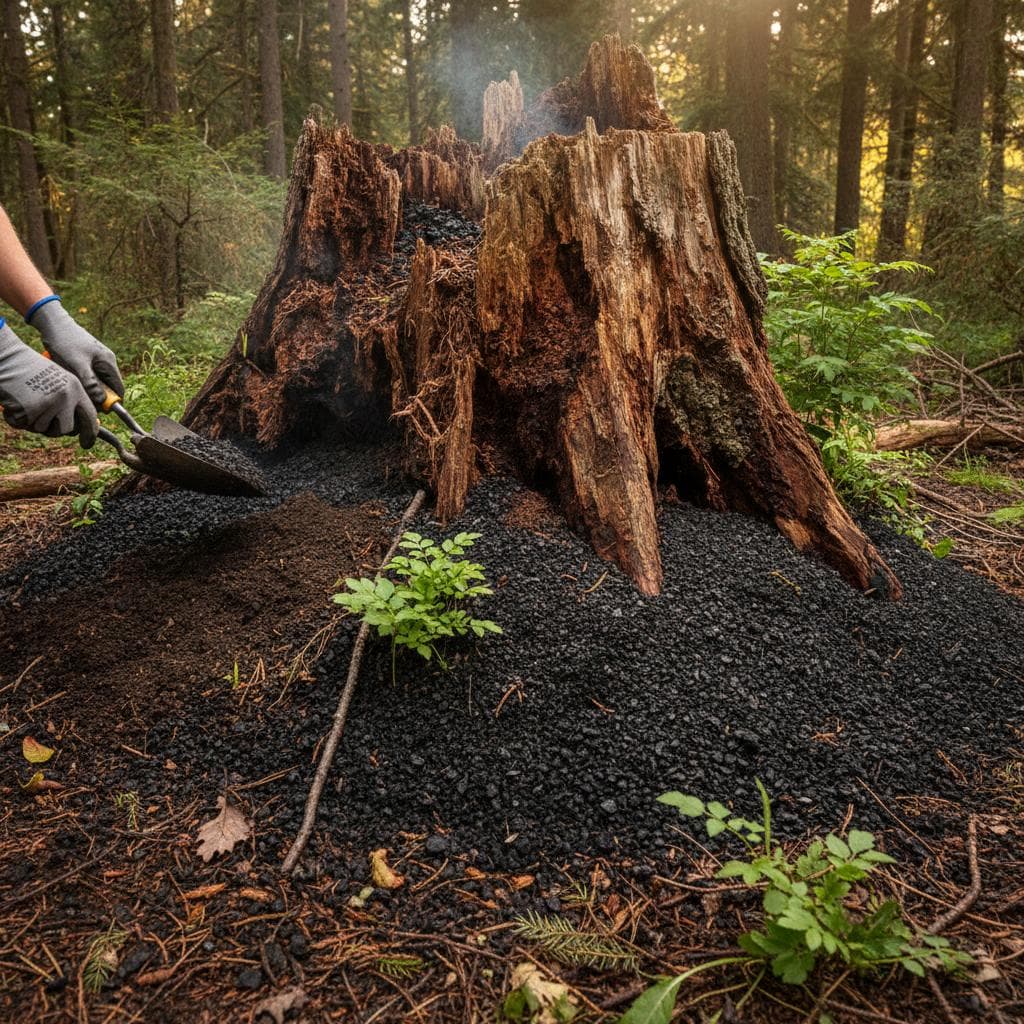
Biochar revolutionizes stump removal by slashing decay time to three weeks. This natural process ignites microbial action, enriches soil, and bypasses chemicals or equipment. Discover steps, influencing factors, and advantages for seamless, green landscape restoration.
Learn how biochar stump grinding converts tree stumps into a durable soil enhancer that improves fertility, sequesters carbon, and advances sustainable landscaping. This guide covers the pyrolysis science, cost factors, DIY versus professional options, and practical benefits for your garden and environment.
Convert stump waste into biochar valued at $200 per ton to generate profit. This eco-friendly method cuts landfill dependency, improves soil conditions, and unlocks carbon credit opportunities. Explore equipment choices, drying techniques, and marketing strategies that shift disposal expenses into reliable revenue for tree care professionals.