Micro-Forests Grow 10X Faster in Small Urban Yards
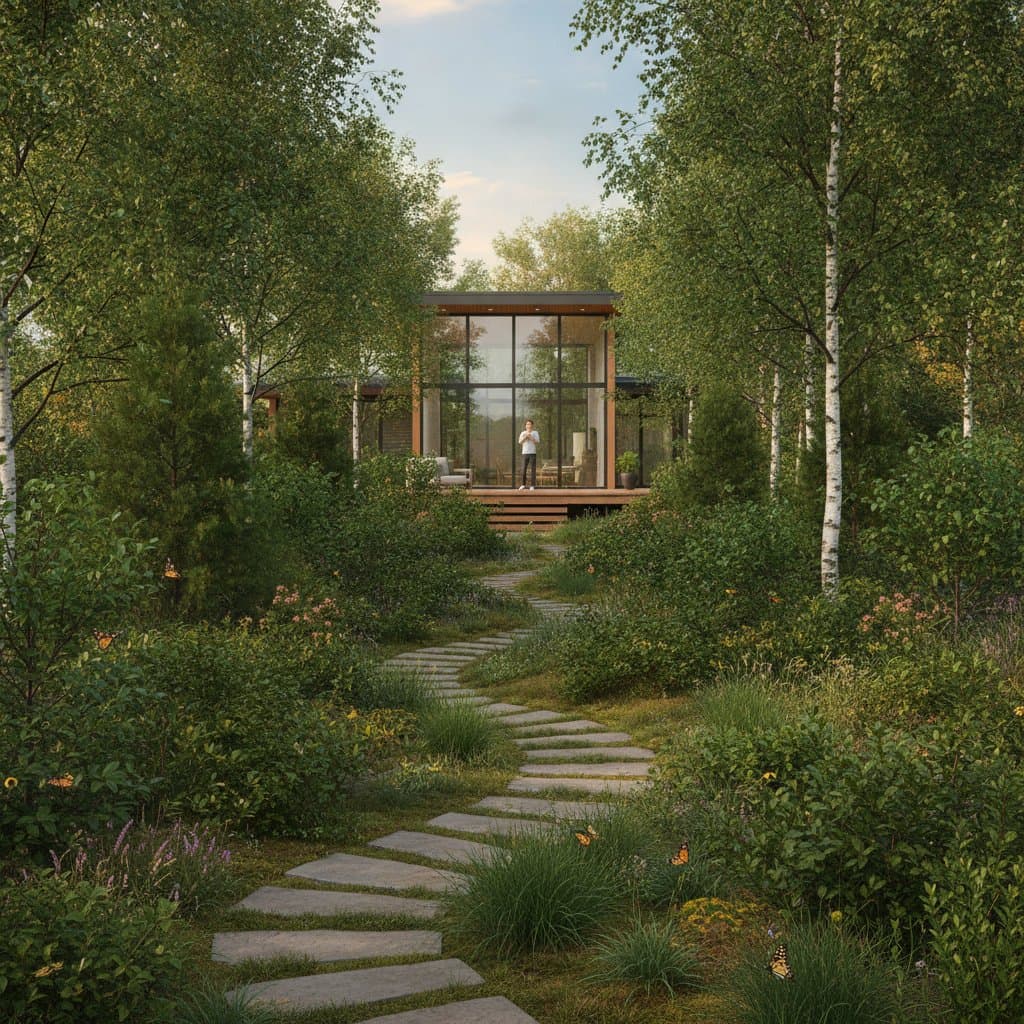
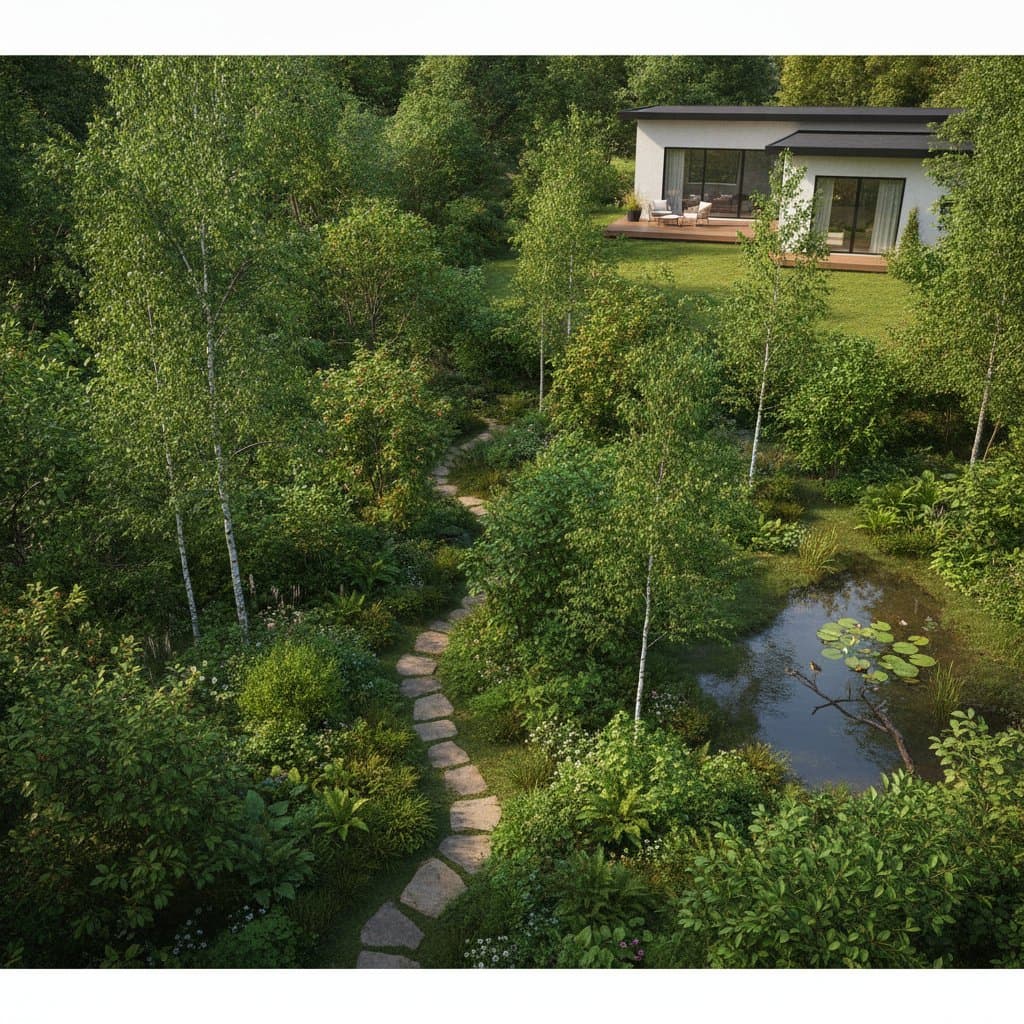
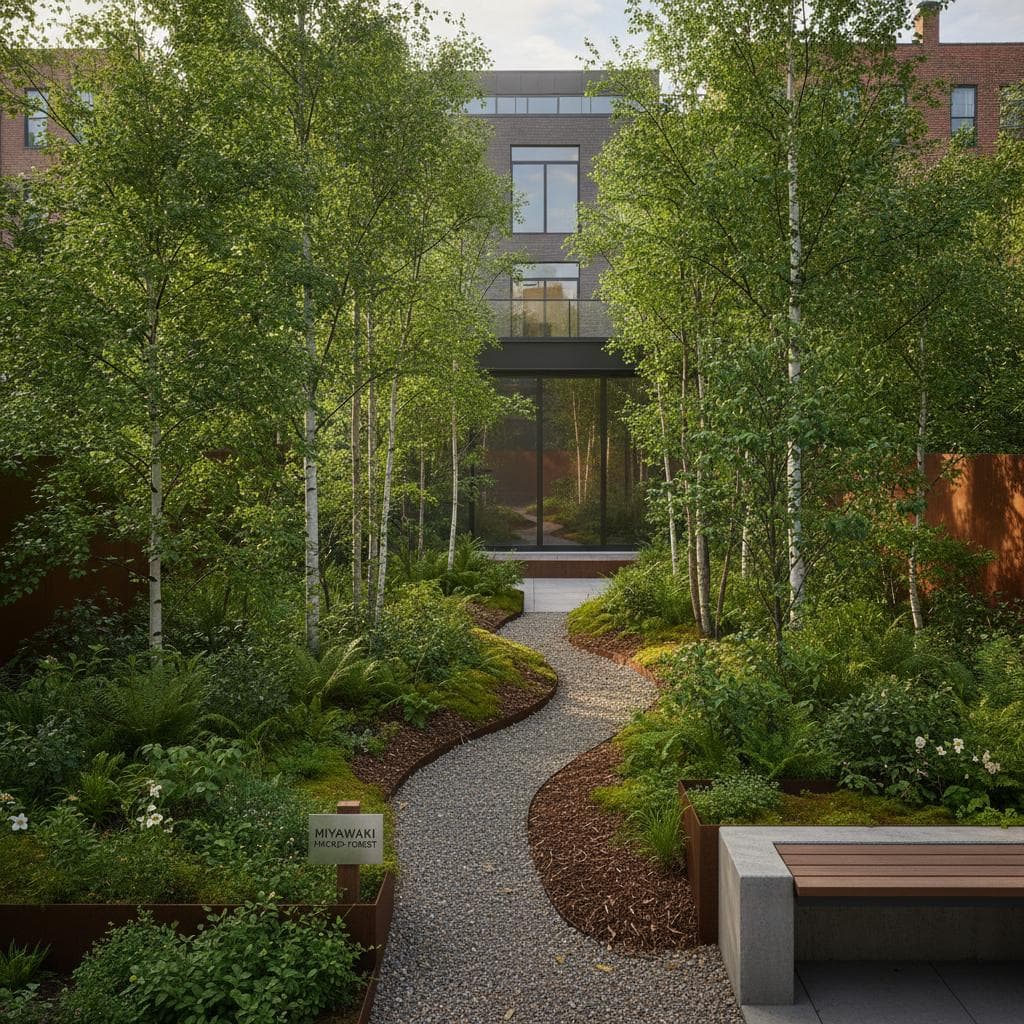
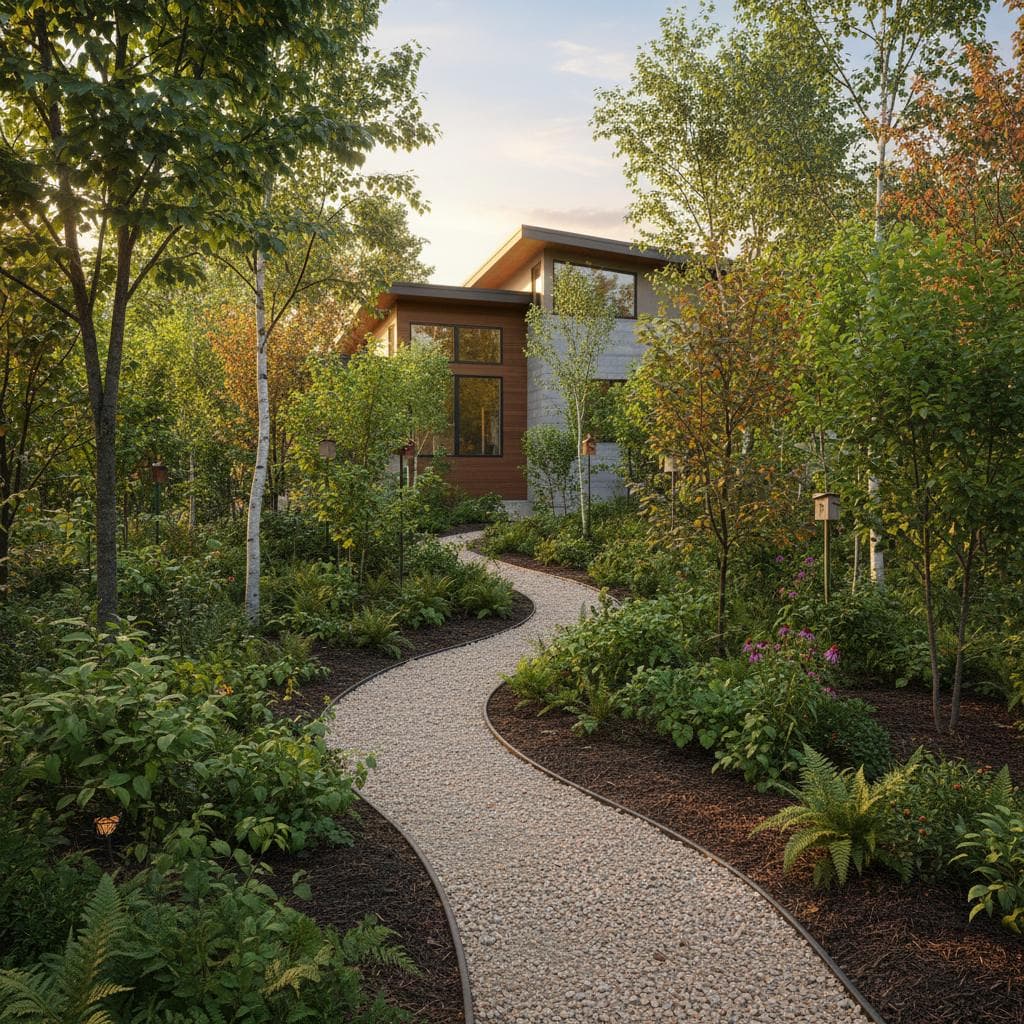
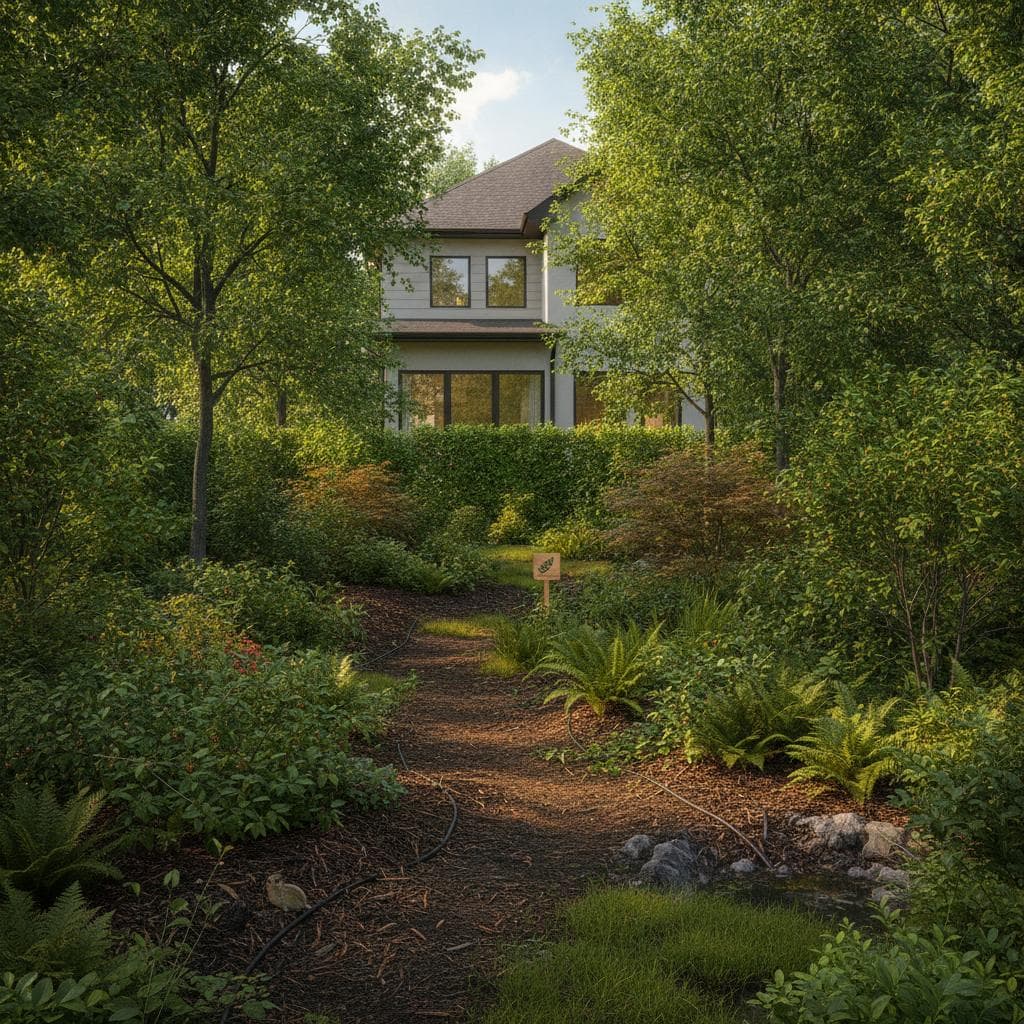
Micro-forests use dense native plantings to turn compact urban yards into fast-maturing ecosystems. The Miyawaki method improves biodiversity, cools air, and adds privacy with minimal ongoing care.
Loading...

Micro-forests use dense native plantings to turn compact urban yards into fast-maturing ecosystems. The Miyawaki method improves biodiversity, cools air, and adds privacy with minimal ongoing care.
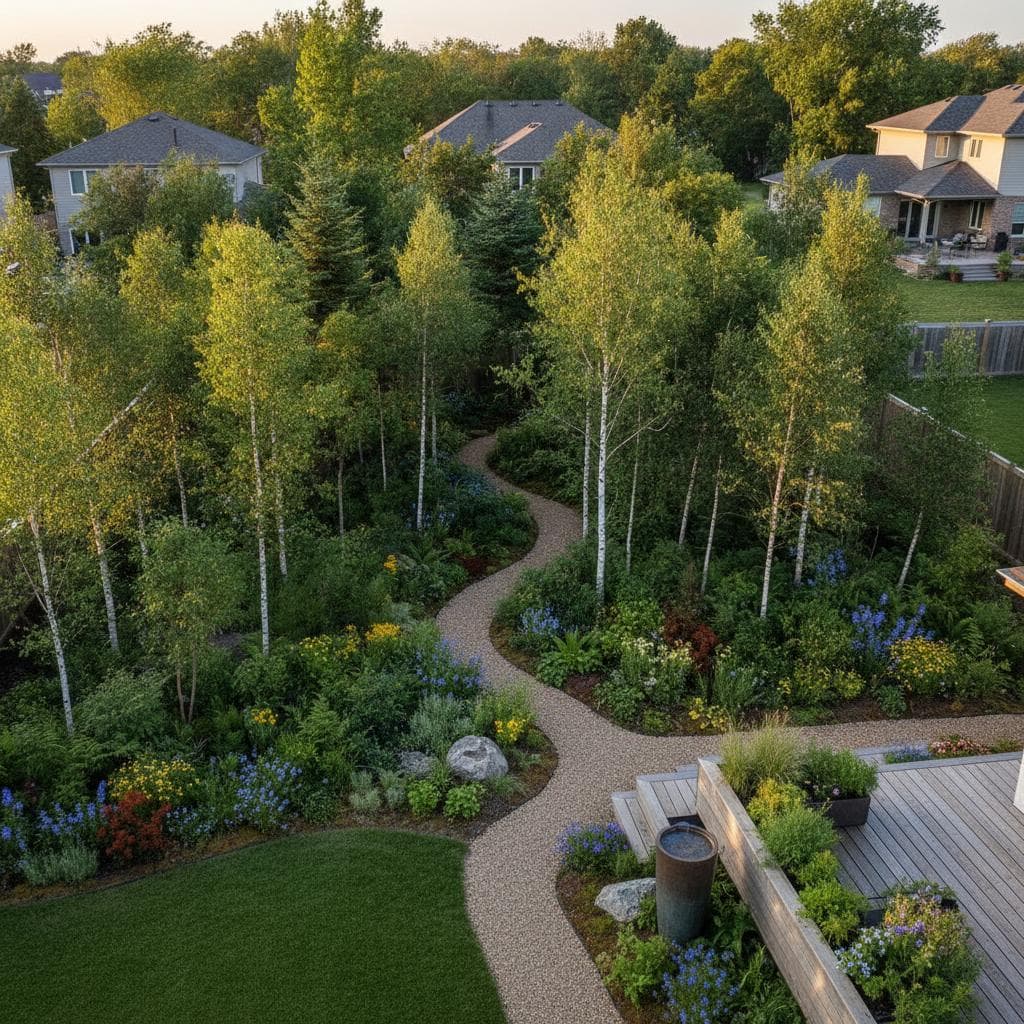
Micro-forests transform suburban yards into vibrant ecosystems. Dense native plantings via the Miyawaki Method boost biodiversity, reduce maintenance, and restore natural balance while improving air, soil, and property value.
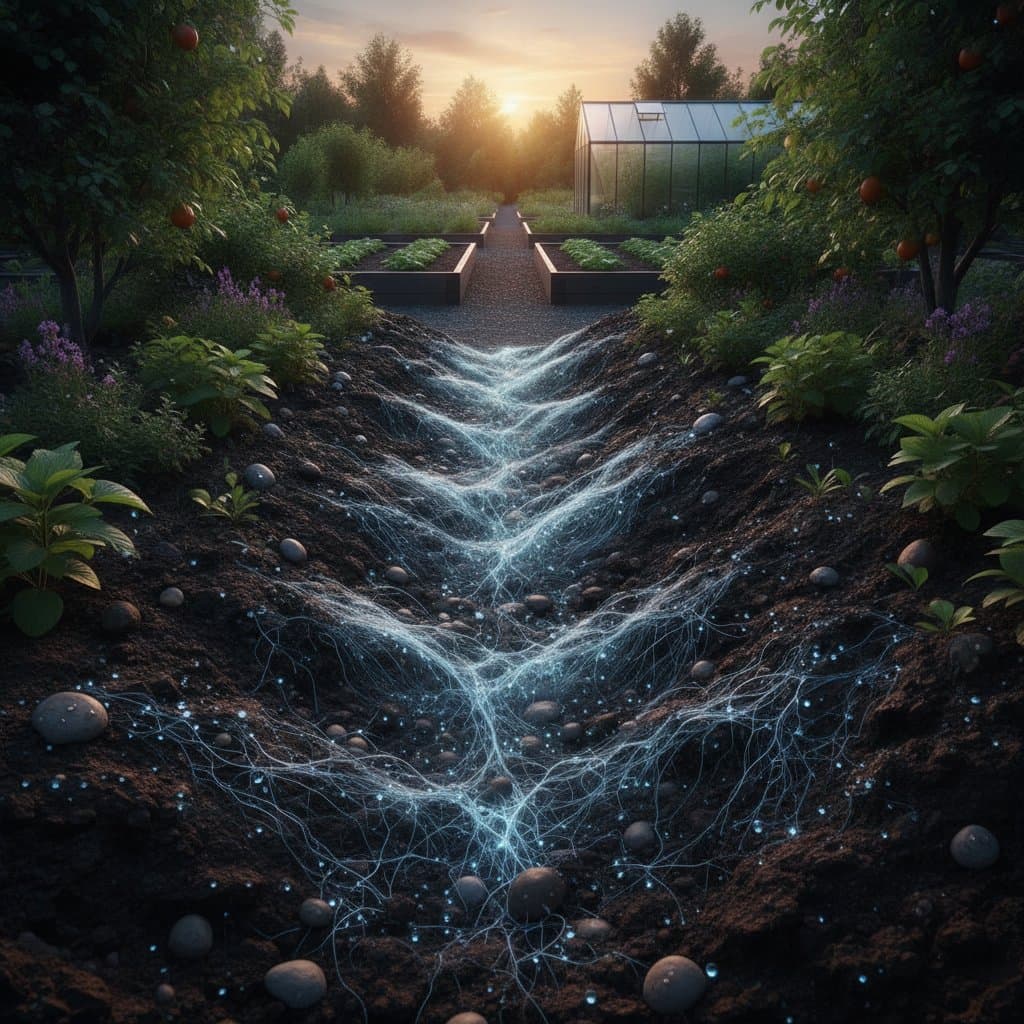
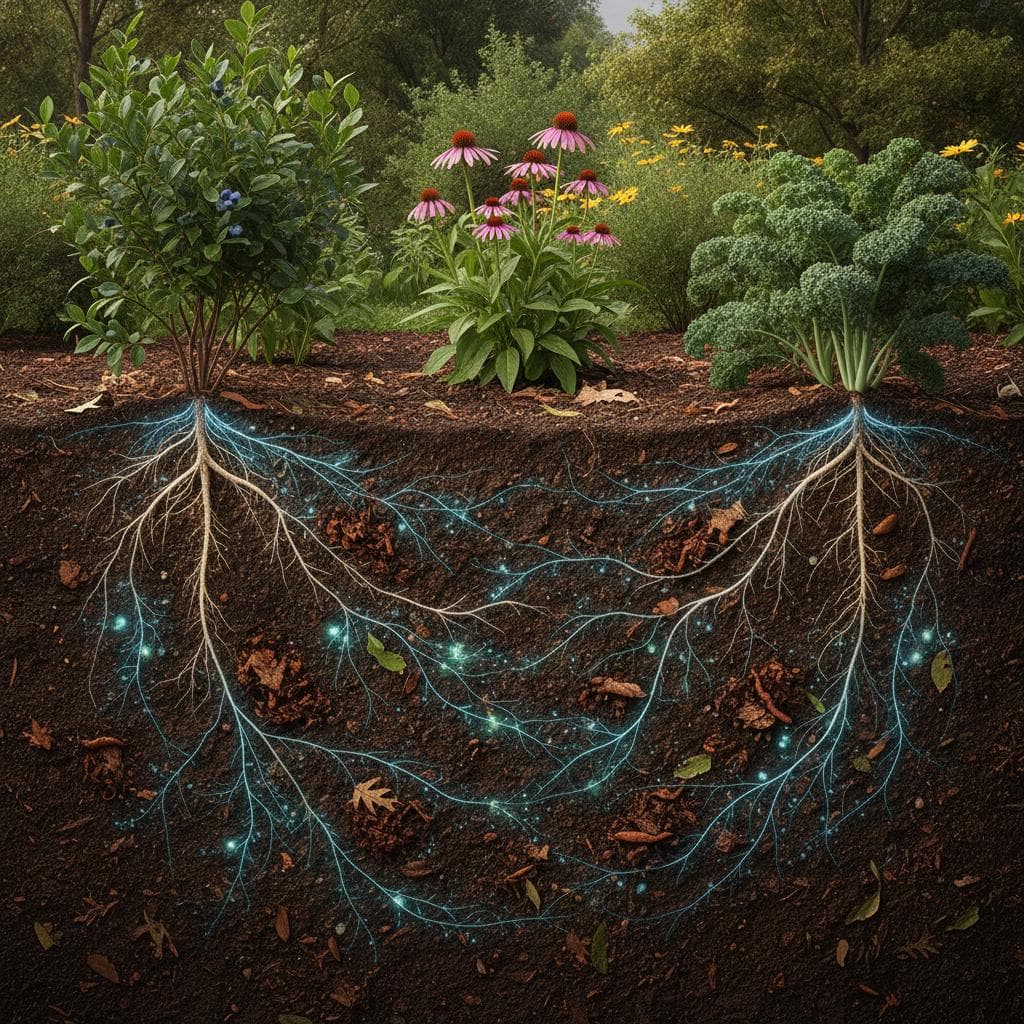
Mycelium soil technology lets homeowners replace chemical fertilizers with living fungal networks. These underground partnerships rebuild soil health, cut maintenance needs, and support resilient yards without synthetic inputs.
Homeowners can build compact micro-forests with native species to increase biodiversity, restore soil, and cut maintenance. The Miyawaki approach creates self-sustaining habitats that mature in a few years.
Micro-forests built with the Miyawaki method turn compact urban yards into self-sustaining woodlands. Average costs range from $15 to $30 per square foot and deliver biodiversity, cooling, and privacy with low ongoing care.
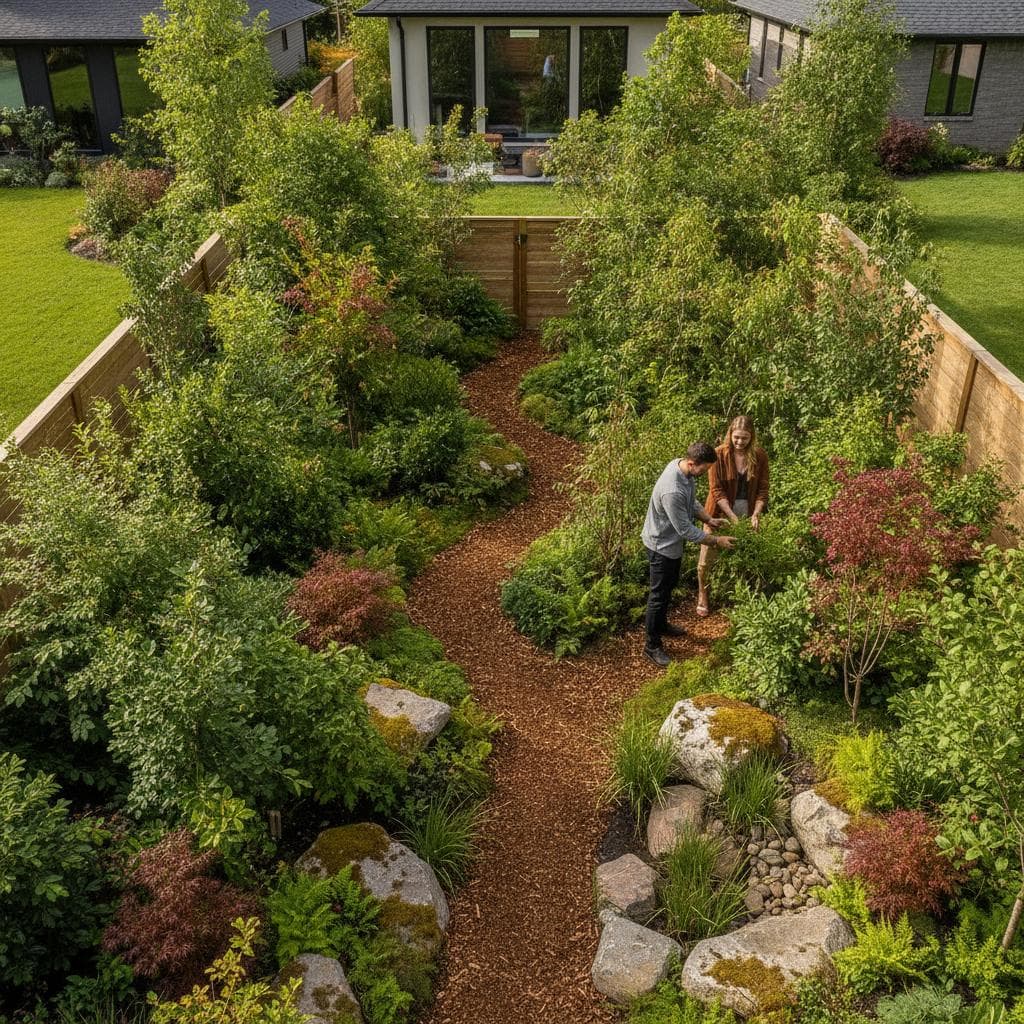
Suburban homeowners are turning small yards into vibrant micro-forests using the Miyawaki method. These dense, native plant ecosystems boost biodiversity, provide shade, and reduce maintenance. With costs ranging from modest DIY projects to professional designs, micro-forests promise a greener, self-sustaining future for suburban landscapes and eco-conscious homeowners alike.
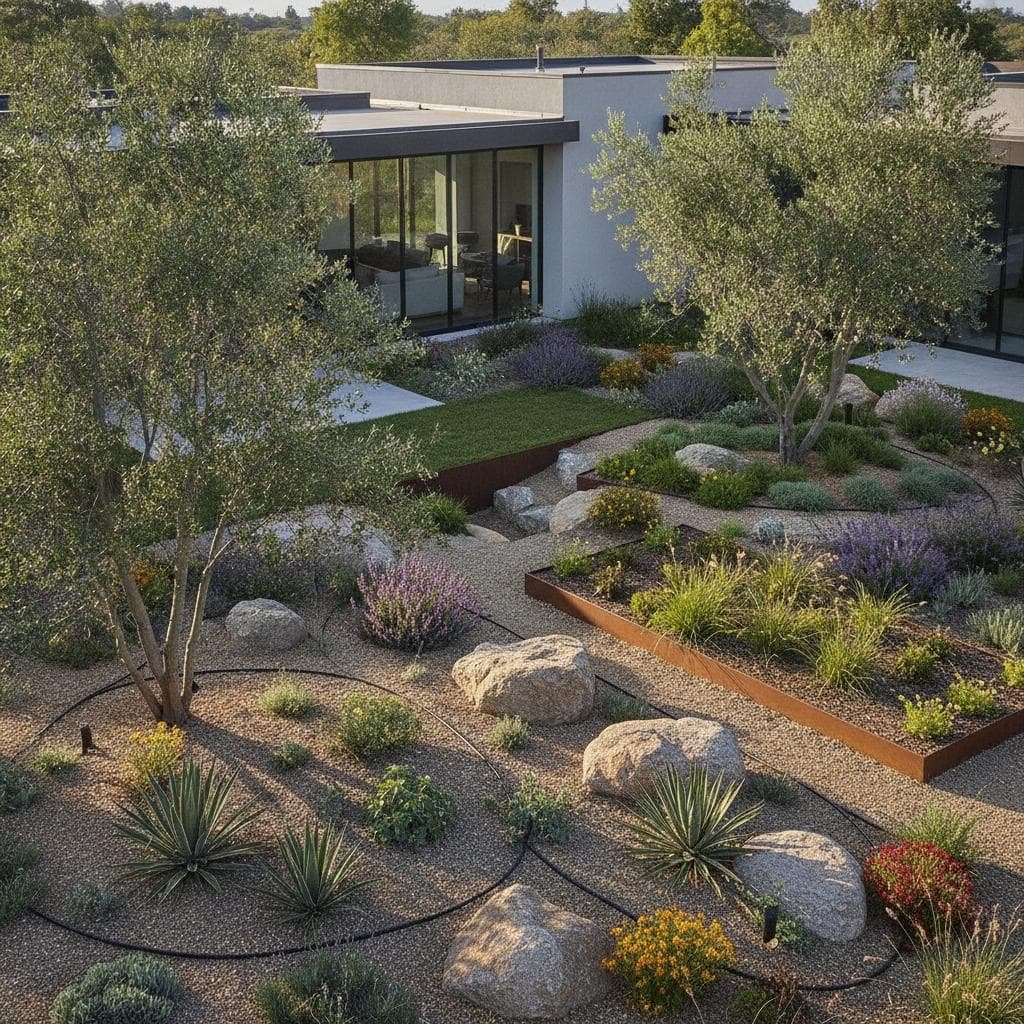
Microclimate landscaping tailors plants and design to unique yard conditions. Homeowners can cut outdoor water use by half, reduce bills, and create a resilient landscape with targeted strategies.
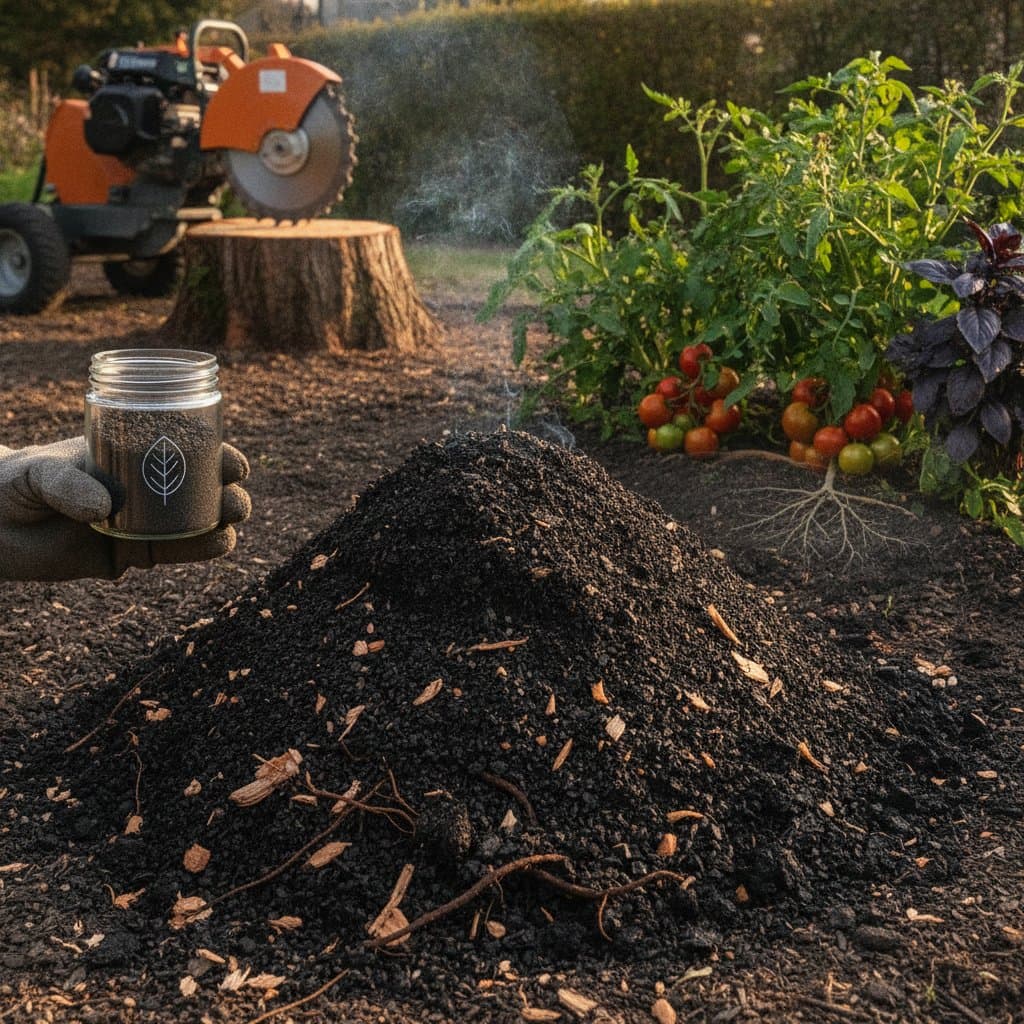
Tree stumps do not have to become waste. Through pyrolysis they turn into biochar that enriches soil, boosts plant growth, and stores carbon for centuries while cutting fertilizer costs for homeowners.
Mycelial networks connect plant roots underground, exchanging nutrients and moisture while strengthening resilience. Simple practices such as reduced tillage, compost addition, and diverse planting help these fungal systems develop and support healthier landscapes over time.
Transform a small yard into a self-sustaining ecosystem. The Miyawaki method uses dense native plantings to create a micro-forest that boosts biodiversity, improves soil health, and requires little maintenance once established.
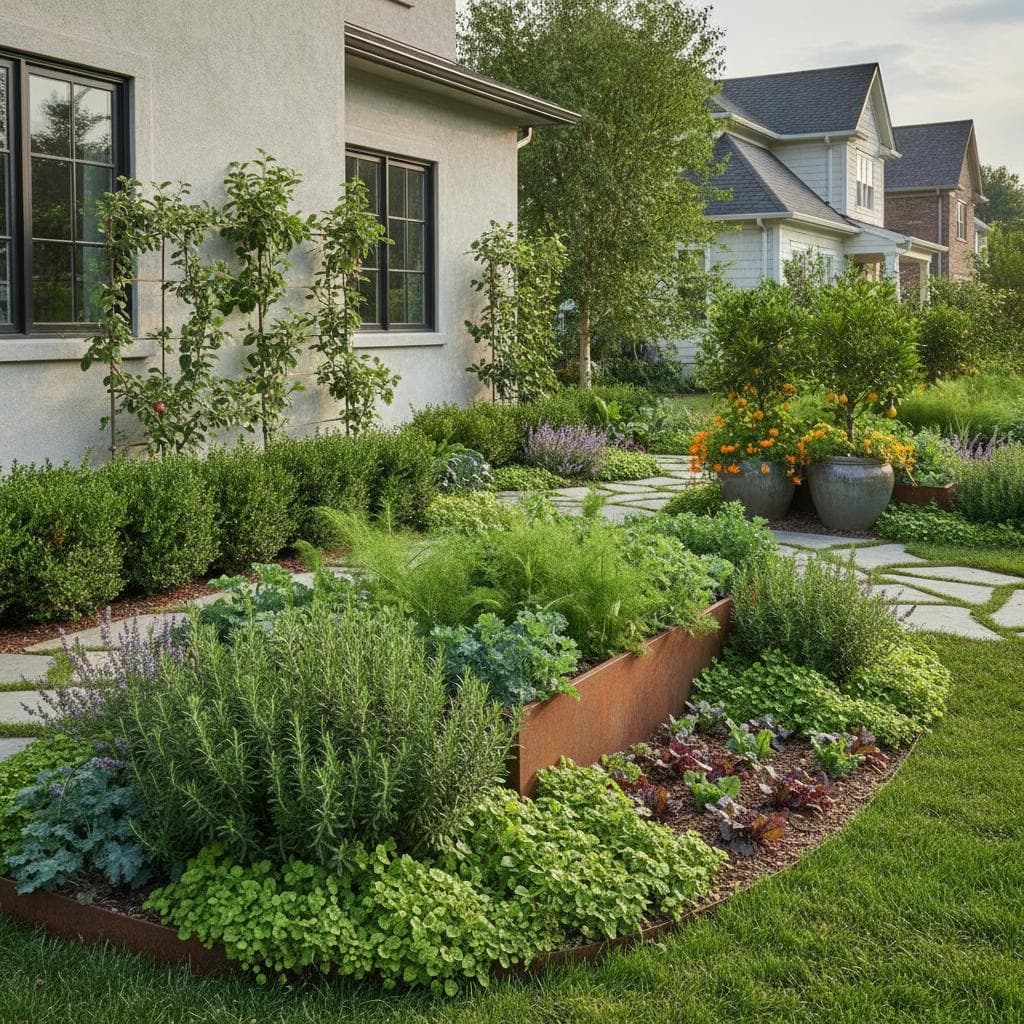
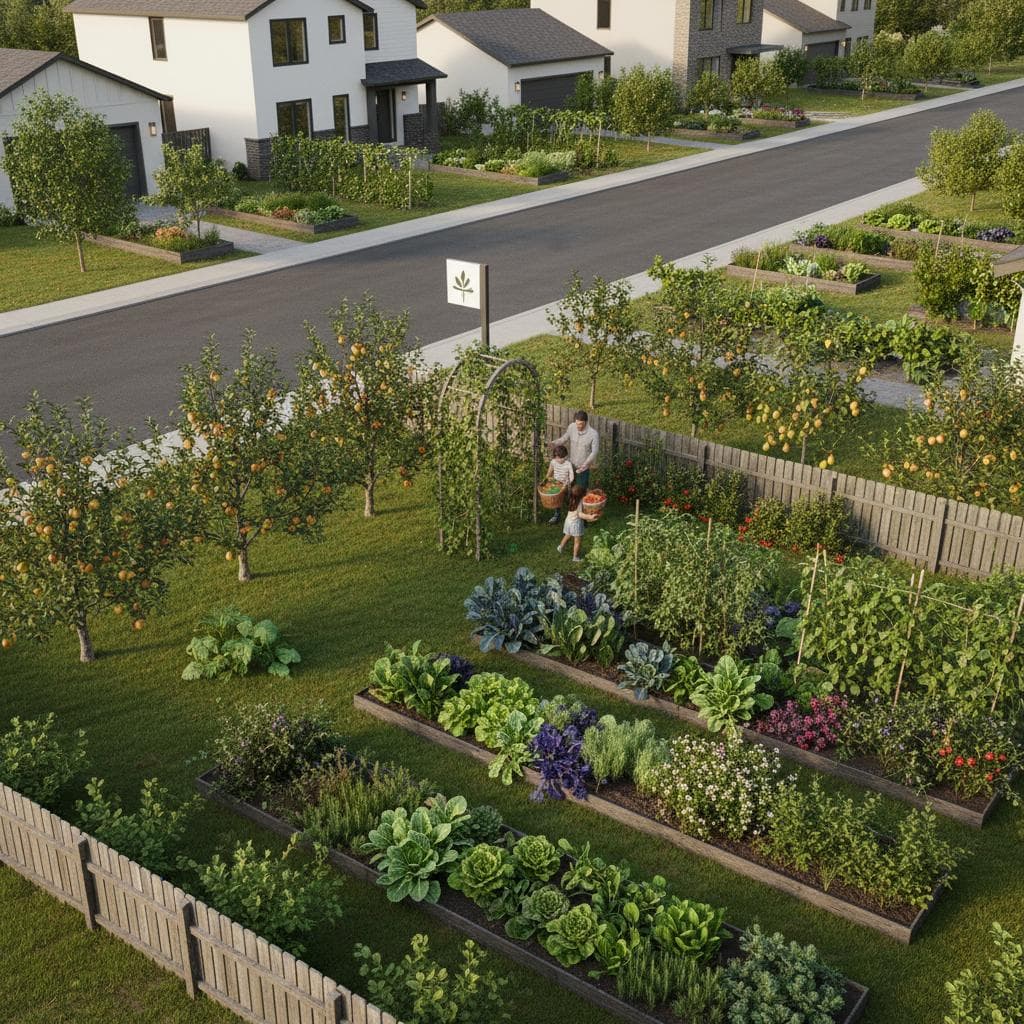
Homeowners restricted by HOA landscaping rules are turning to stealth food forests, ornamental-looking gardens that secretly produce food. By layering edible trees, shrubs, and groundcovers, residents can grow fruit and herbs while staying compliant. Thoughtful design, tidy upkeep, and plant selection make these hidden harvests both beautiful and rule-abiding.
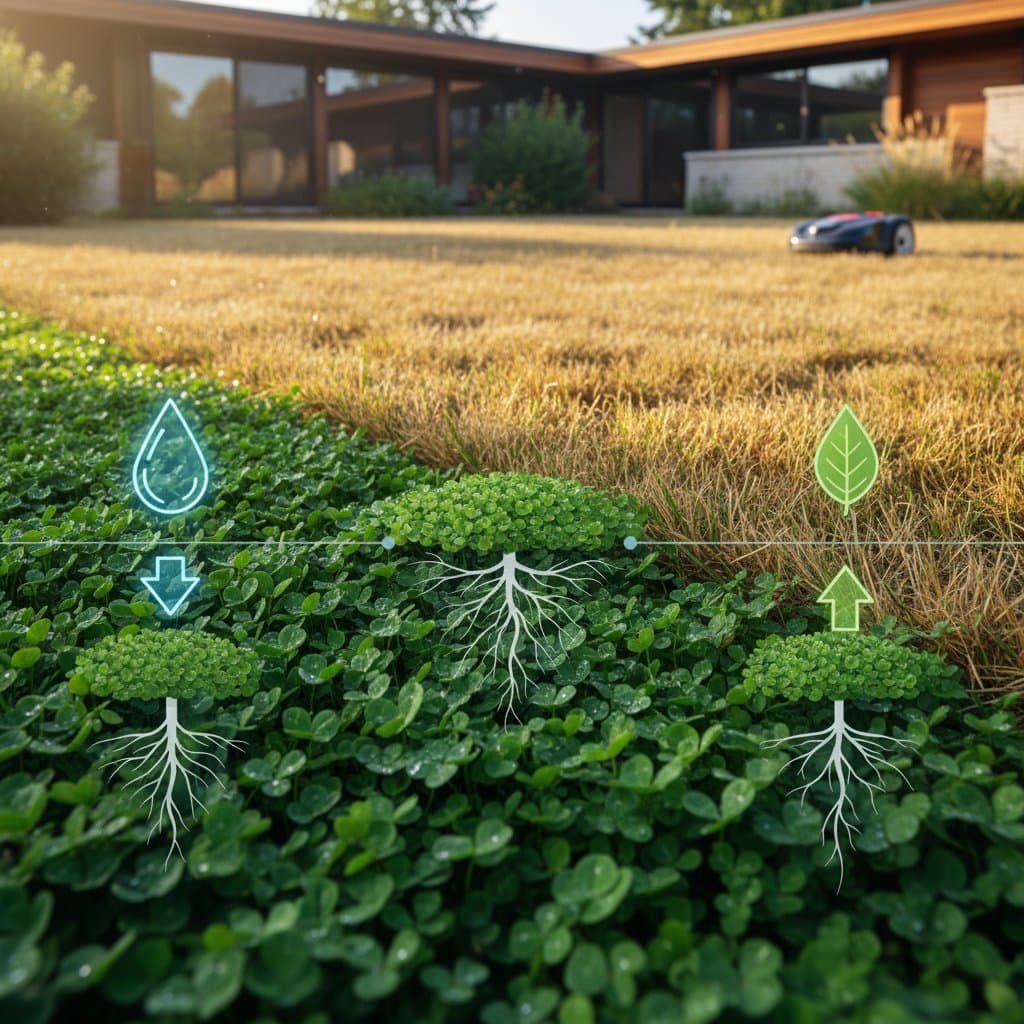
Micro-clover lawns use up to 70% less water than traditional turf thanks to deep roots, natural nitrogen fixation, and moisture-retaining foliage. Though costlier upfront, they save money long-term through reduced watering, mowing, and fertilizer needs, offering a greener, low-maintenance alternative that thrives even in drought-prone climates.
Zoning reforms across 40 states now allow homeowners to convert lawns into edible landscapes. This guide covers costs, plant selections, design approaches, and legal steps for creating productive yards with fruit trees, herbs, and vegetables.
Transform your driveway into a thriving ecosystem with the micro-forest trend. By densely planting native trees and shrubs using the Miyawaki method, homeowners can create lush, low-maintenance forests that boost biodiversity, property value, and sustainability.
Strategic use of fire resistant plants, proper spacing, and noncombustible materials helps homeowners cut insurance costs by up to 30 percent while improving property safety and appearance.
Embrace the 2026 micro-forest trend to convert your 1000 sq ft yard into a vibrant, low-maintenance ecosystem. Drawing on the Miyawaki planting technique, these mini-woodlands accelerate growth, boost biodiversity, and enhance urban living. This guide covers essential costs, design strategies, and practical advice for creating sustainable green spaces.
Convert stump waste into biochar valued at up to $200 per ton. This carbon-negative solution improves soil fertility, minimizes environmental impact, and opens revenue opportunities in agriculture, landscaping, and composting. Explore safe production methods, market insights, and strategies to connect with buyers seeking premium biochar.