
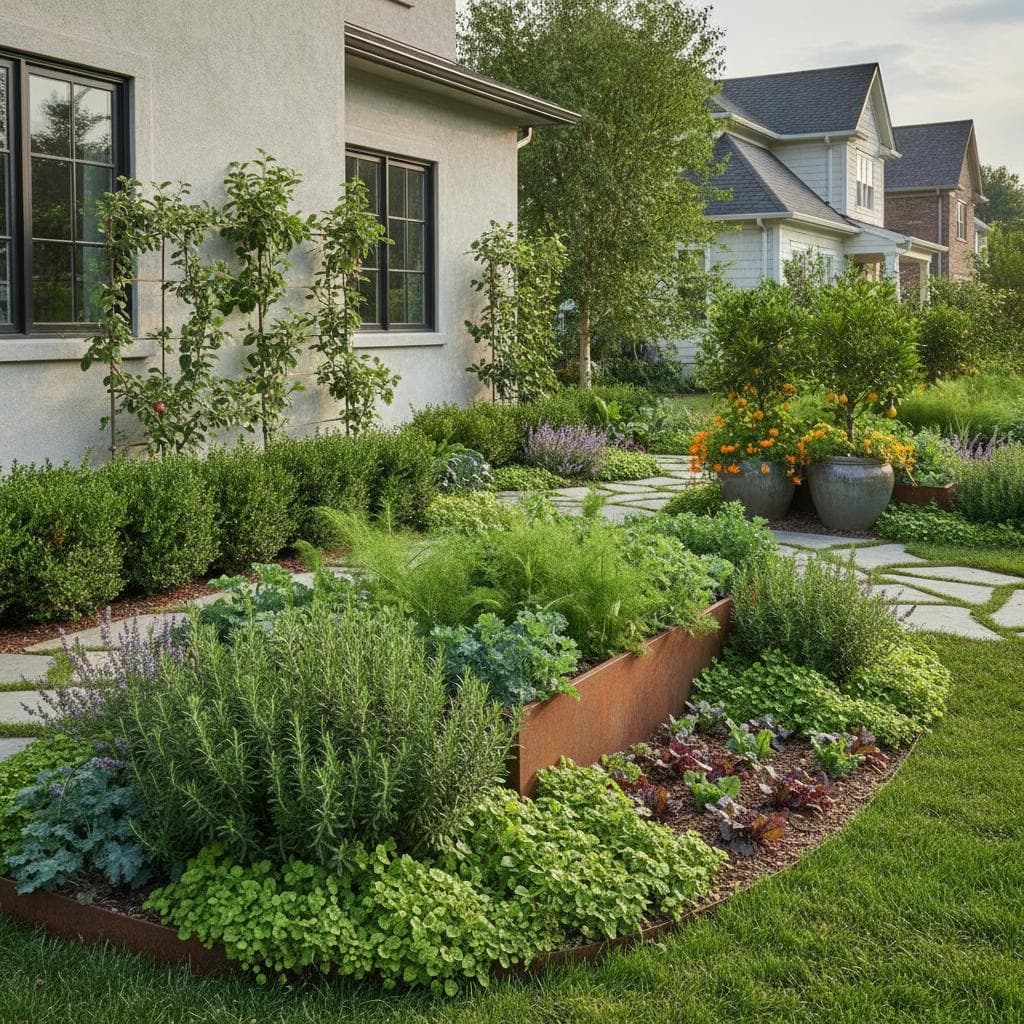
Stealth Food Forests Beat Strict HOA Landscaping Bans
Homeowners in neighborhoods with strict HOA landscaping rules often face frustration when trying to grow edible plants. Many associations restrict vegetable gardens, fruit trees, or anything that looks unconventional. Yet more residents are finding creative ways to work around these limitations.
The stealth food forest offers a smart and legal way to enjoy fresh harvests without breaking community rules. This landscape looks ornamental but produces food. This guide explains how stealth food forests work, how to design one, and why they are transforming suburban yards.
What is a Stealth Food Forest?
A stealth food forest is a layered garden that mimics a natural forest ecosystem while fitting neatly within HOA landscaping standards. It combines fruiting shrubs, edible groundcovers, and attractive trees to create a yard that appears purely ornamental. Each layer provides food, shade, and biodiversity without drawing attention to its edible purpose.
The result is a sustainable landscape that looks like standard curb appeal but quietly produces fruit, herbs, and nuts.
Why Homeowners Choose Stealth Food Forests
Stealth food forests appeal to homeowners who want self-sufficiency without conflict. They reduce grocery costs, support pollinators, and add long-term value to the property. Most importantly, they blend seamlessly into HOA-approved aesthetics.
By using native and attractive plants, homeowners can achieve compliance while still enjoying the benefits of edible landscaping.
Key Elements of a Stealth Food Forest
The Canopy Layer
Choose small ornamental trees that also bear fruit, such as serviceberry, crabapple, or dwarf cherry. These trees offer spring blossoms, fall color, and occasional fruit that can be enjoyed or left for wildlife. Their size and shape match typical landscaping expectations.
The Shrub Layer
Blueberries, currants, and bush cherries provide structure and seasonal interest. They can be pruned into tidy shapes that resemble decorative shrubs while producing high-value harvests. Many have vibrant fall foliage that adds visual appeal.
The Groundcover Layer
Low-growing plants like strawberries, thyme, or creeping oregano fill open spaces and suppress weeds. These groundcovers look lush and intentional, keeping maintenance simple and water needs low.
The Vertical Layer
Espaliered fruit trees or climbing vines, such as kiwi or passionfruit, can grow along fences or trellises. Training plants in vertical forms keeps them neat and visually appealing while maximizing yield in limited spaces.
How to Stay HOA-Compliant
To keep the peace with your HOA, focus on design and discretion. Maintain a clean, well-manicured appearance. Use mulch, edging, and consistent pruning to show care and intention.
Stick with plants that appear ornamental, and avoid obvious vegetable species like tomatoes or corn. If your HOA requires plant lists or approvals, use botanical names and highlight aesthetic traits like foliage color or bloom time. Most associations appreciate neatness more than plant type.
Steps to Create a Stealth Food Forest
- Research HOA rules. Review your association documents to understand what is restricted.
- Plan the layers. Choose plants that thrive in your climate and fit your yard sunlight and soil conditions.
- Start with structure. Plant trees and shrubs first to establish the framework.
- Add groundcovers and herbs. Fill gaps with low plants that keep weeds out and moisture in.
- Maintain regularly. Trim, mulch, and shape plants to keep the space looking intentional and tidy.
Common Mistakes to Avoid
Avoid overplanting or using obvious vegetable crops in front yards. Keep fruiting plants spaced to prevent crowding, and avoid invasive species that could spread beyond your property. Proper pruning and cleanup are crucial for maintaining an attractive look that passes HOA inspections.
Frequently Asked Questions
How can I make my food forest look ornamental?
Choose plants with colorful leaves, flowers, or berries. Combine textures and heights to create visual depth. Consistent pruning and edging keep the design cohesive.
Can I plant fruit trees in my front yard under HOA rules?
Yes, if the species and form fit the community aesthetic guidelines. Dwarf or ornamental varieties often pass approval because they resemble decorative trees.
Do stealth food forests attract pests?
Healthy, diverse plantings attract beneficial insects that balance pest populations. Regular cleanup and mulching also deter unwanted animals.
Are these landscapes high maintenance?
Maintenance stays moderate when plants are selected for the local climate and pruned on a regular schedule. Mulch reduces weeding needs, and drip irrigation keeps water use efficient.
Growing Abundance Within the Rules
A stealth food forest allows homeowners to enjoy fresh, homegrown produce without violating HOA landscaping bans. With thoughtful plant selection, careful design, and consistent upkeep, it is possible to create a yard that pleases both your neighbors and your taste buds.