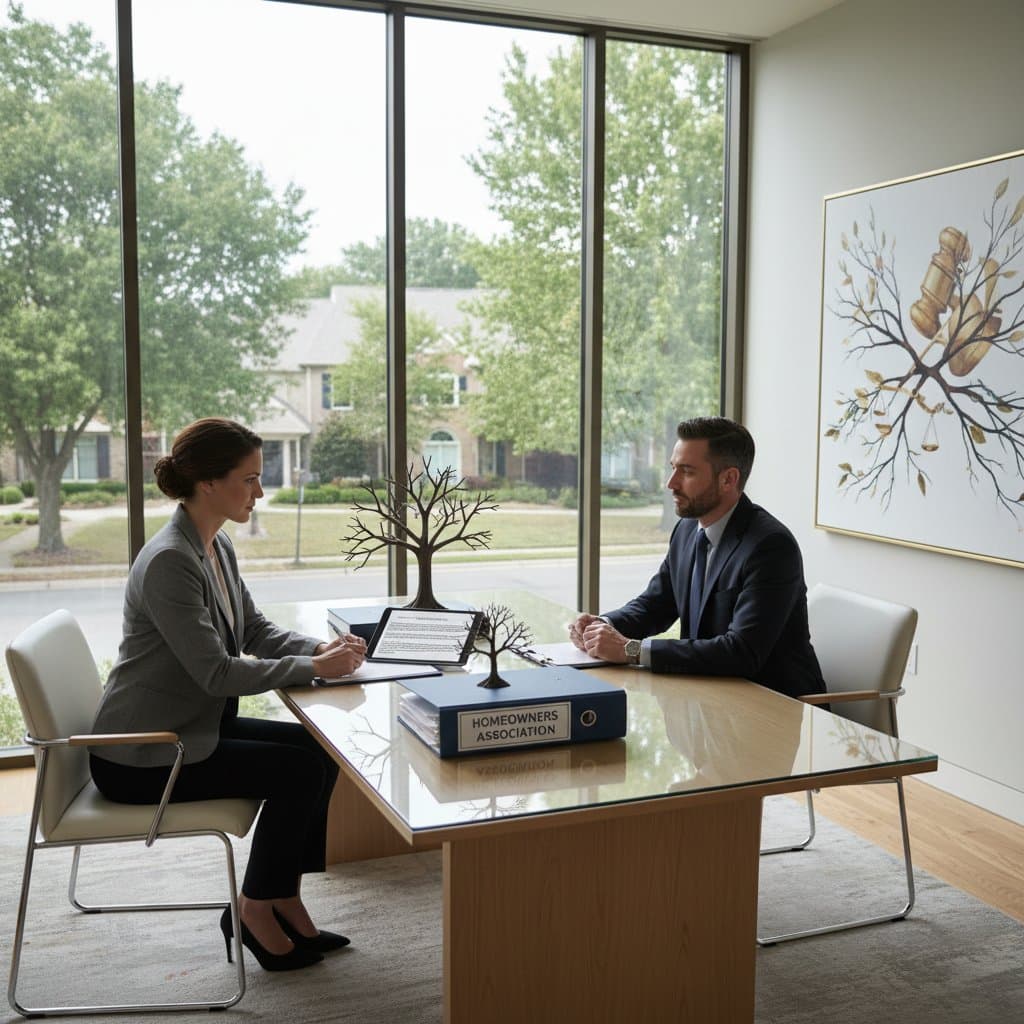
HOA Lawsuit Challenges Ban on Pollinator Gardens
A homeowner's challenge to an HOA's prohibition on pollinator gardens raises key issues of property autonomy, environmental duties, and innovative landscaping in shared communities.
Loading...

A homeowner's challenge to an HOA's prohibition on pollinator gardens raises key issues of property autonomy, environmental duties, and innovative landscaping in shared communities.
Rigid HOA policies once blocked xeriscaping, but in 2025, they drive a national shift toward sustainable yards. With escalating water bills and eco-conscious priorities, homeowners convert traditional lawns into resilient, low-maintenance designs. Discover regulatory changes, design strategies, and collaboration tactics that align xeriscaping with HOA standards for enduring beauty and efficiency.
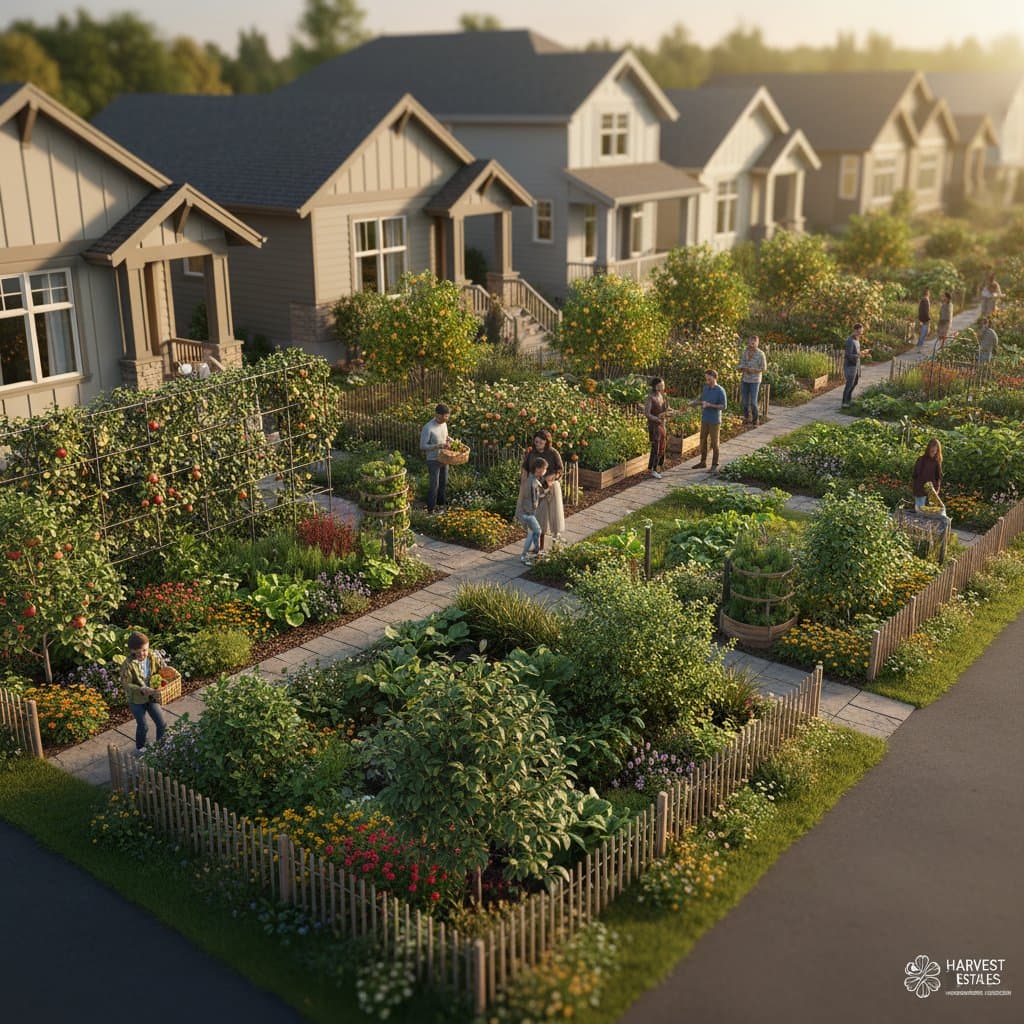
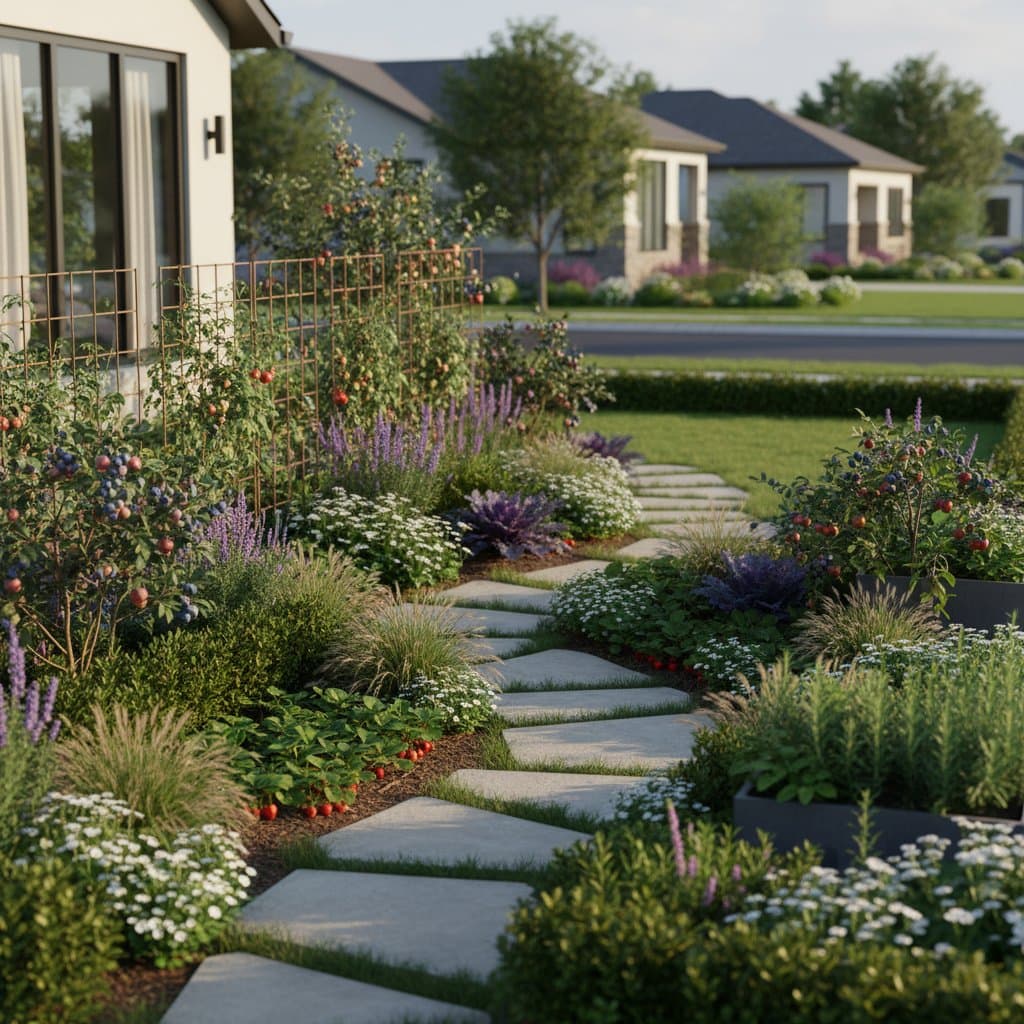
With HOA restrictions lifting across the country, edible landscapes have surged by 300 percent, turning traditional lawns into vibrant, food-producing spaces. Homeowners now integrate fruit trees, vegetable beds, and herb gardens to promote sustainability while enhancing property aesthetics. This guide details planning costs, design principles, and upkeep methods to develop compliant gardens that deliver both visual charm and fresh produce.
Nationwide clashes between U.S. homeowners and HOAs over robot mower bans drive a wave of 2025 lawsuits. Residents advocate for sustainable automation, while boards emphasize safety, noise, and uniformity. Courts grapple with balancing individual rights against community standards in evolving lawn care practices.
HOA landscaping rules encourage inventive hidden edible gardens that weave fruits, vegetables, and herbs into decorative designs. These spaces promote sustainability and fresh food access while upholding community standards. Discover proven methods to grow discreetly and thrive.
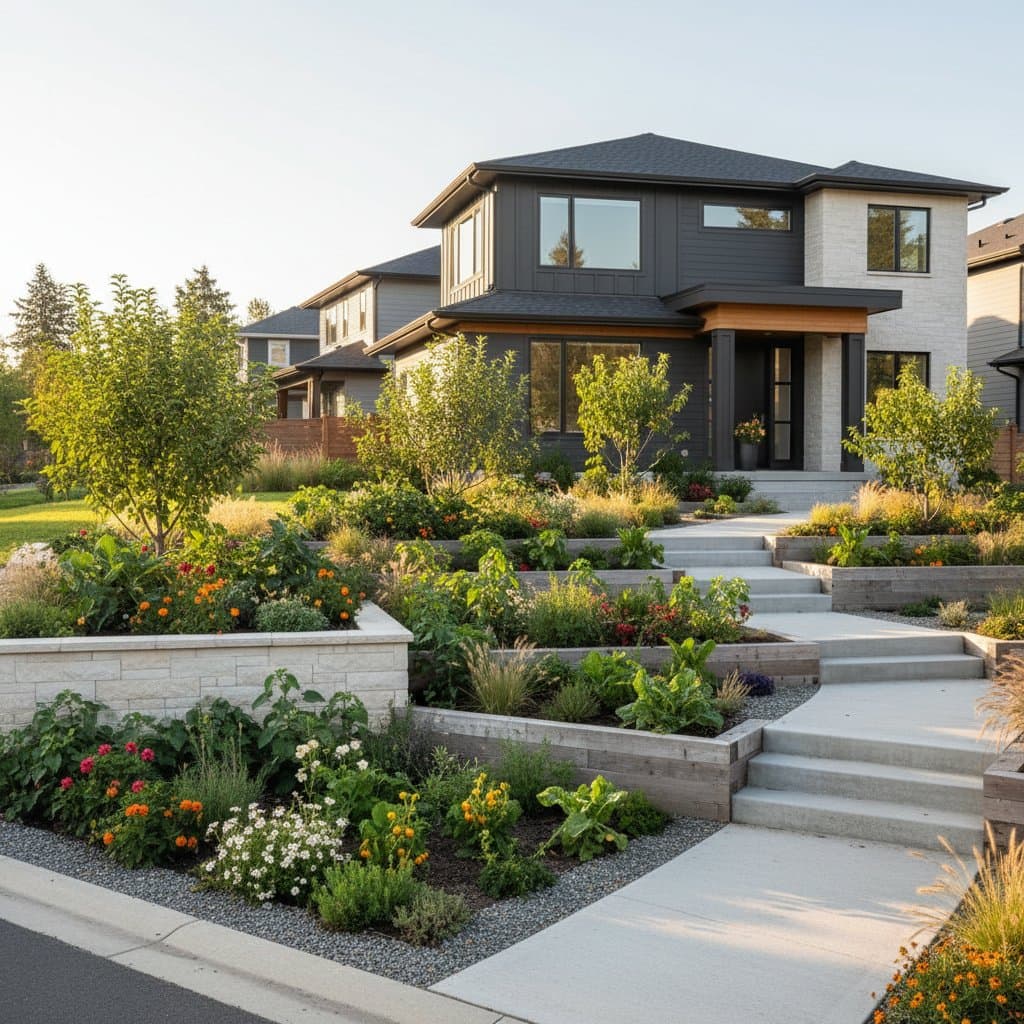
HOA prohibitions on visible vegetable gardens have ignited edible landscaping, where homeowners craft elegant, food-bearing yards. This guide covers design ideas, cost breakdowns, installation steps, and approval tactics to blend sustainability with neighborhood appeal.
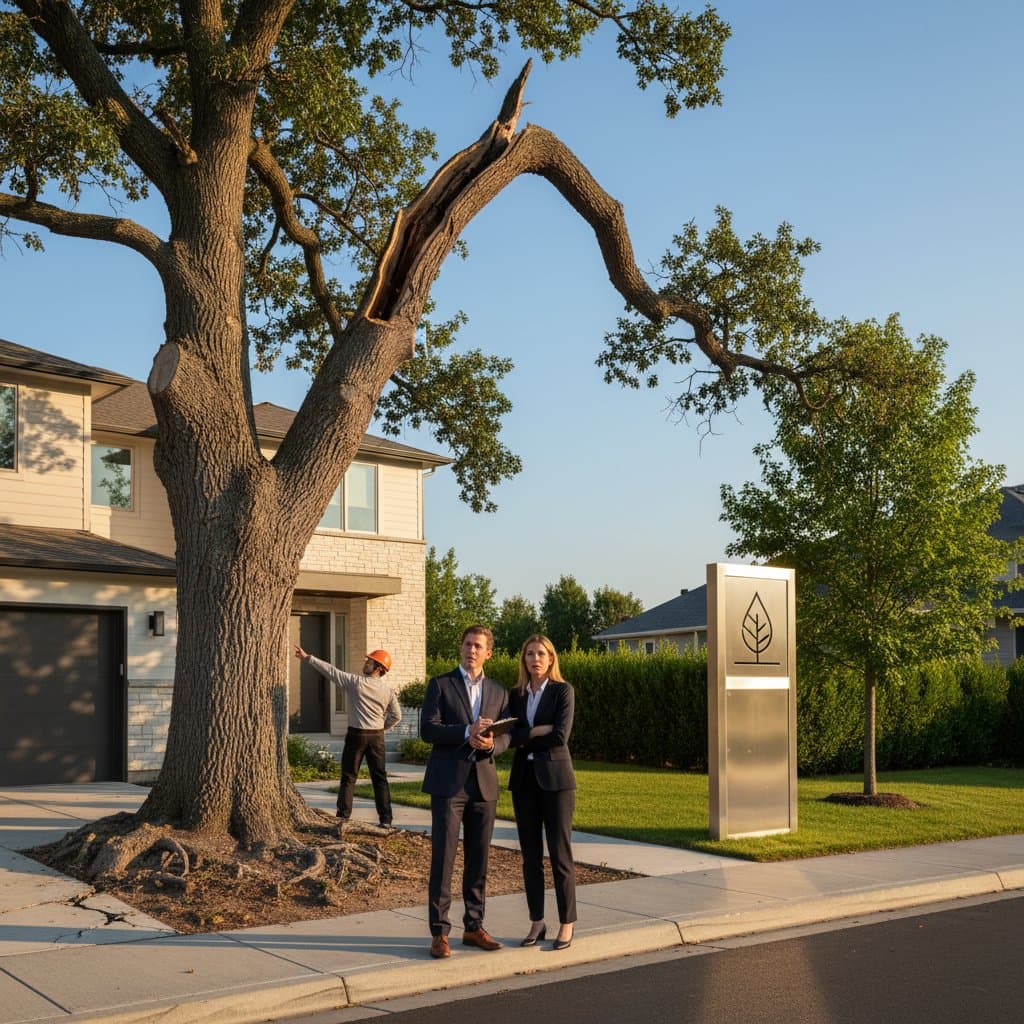
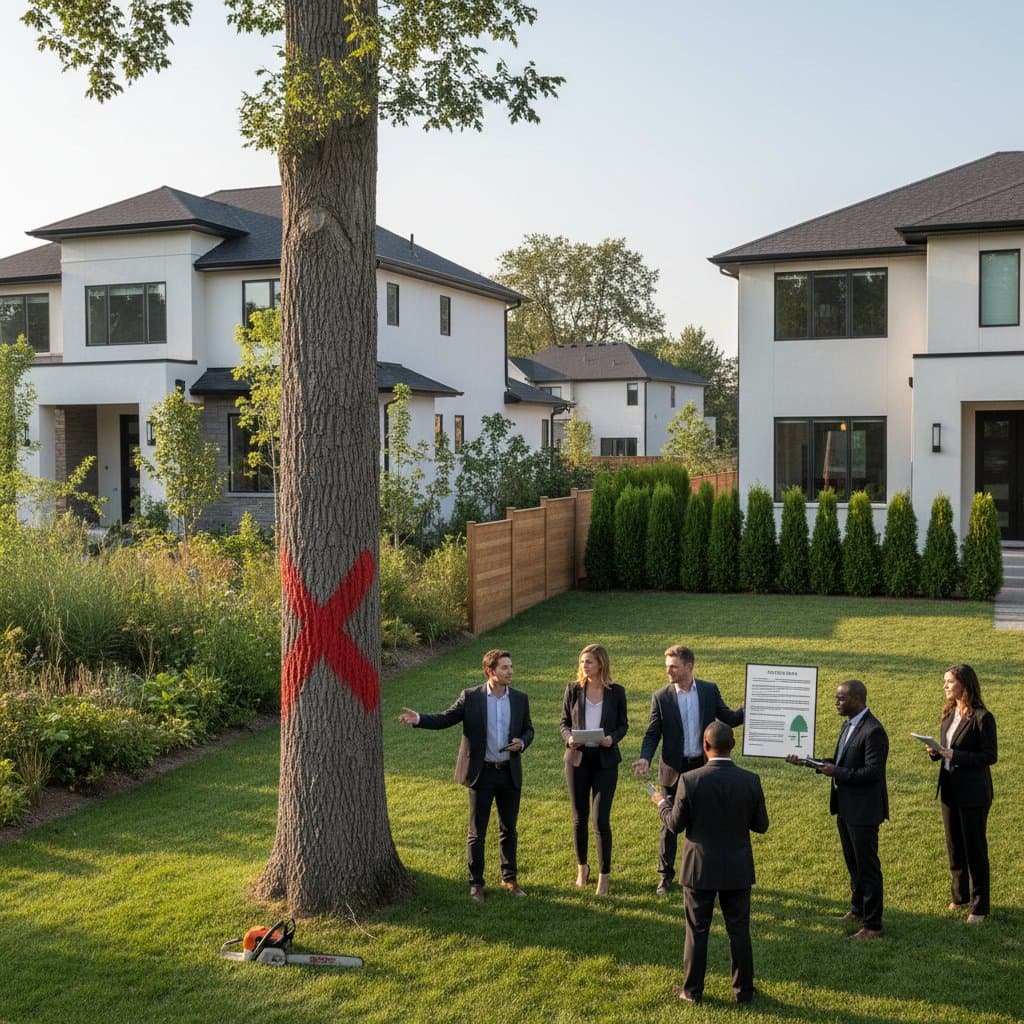
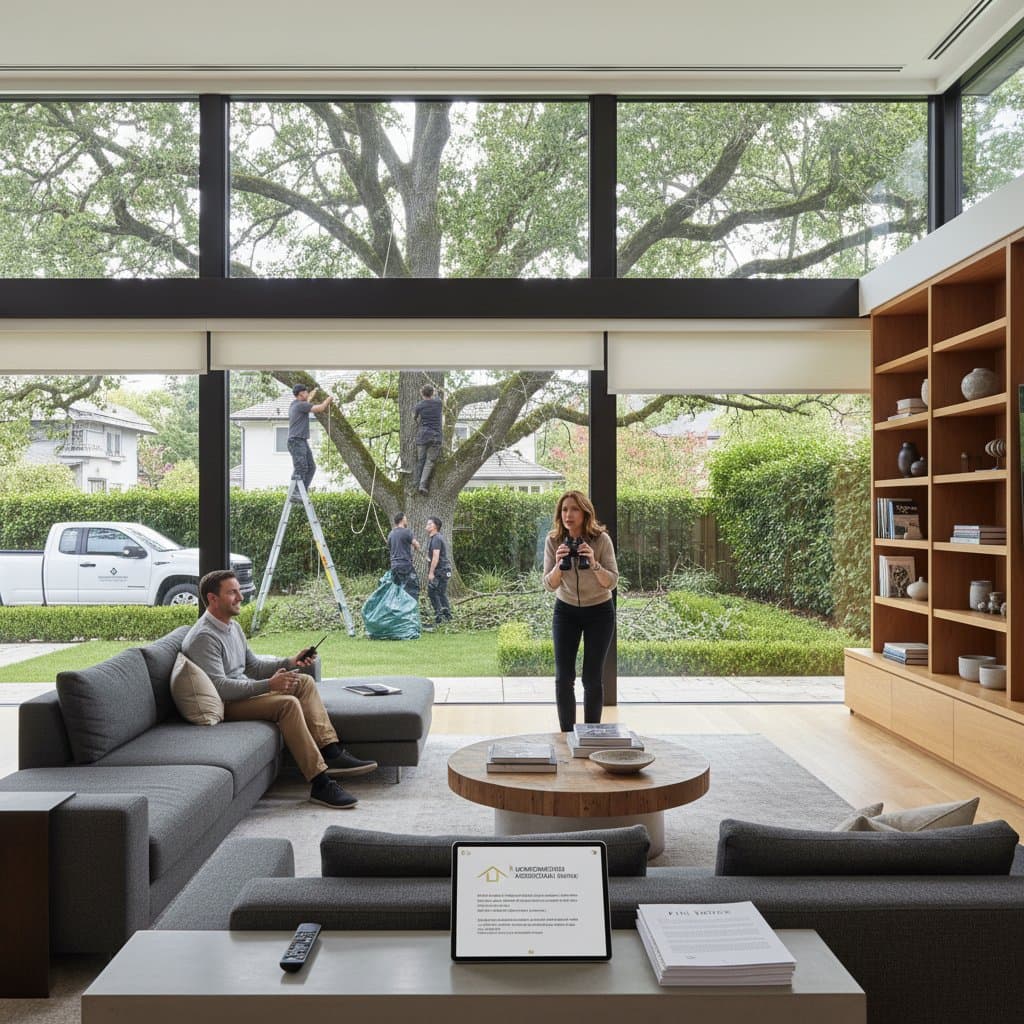
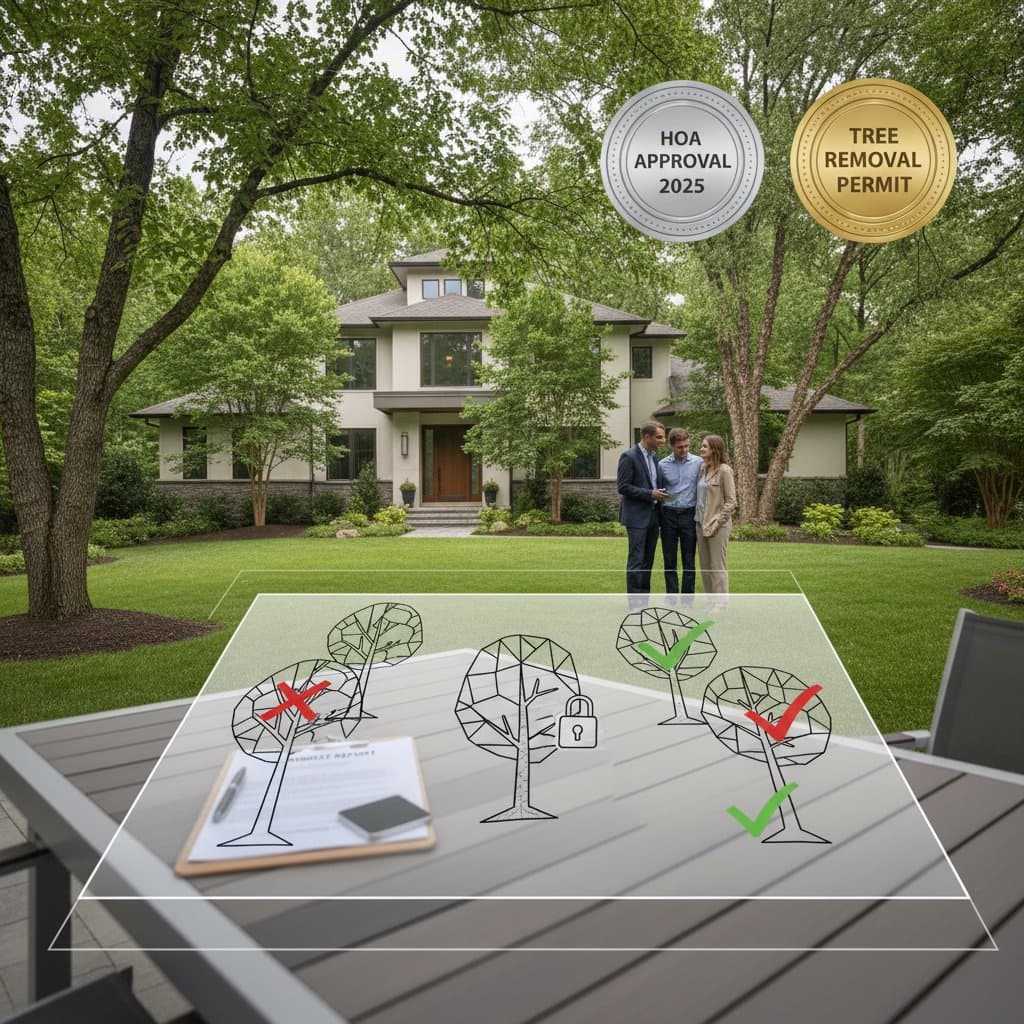
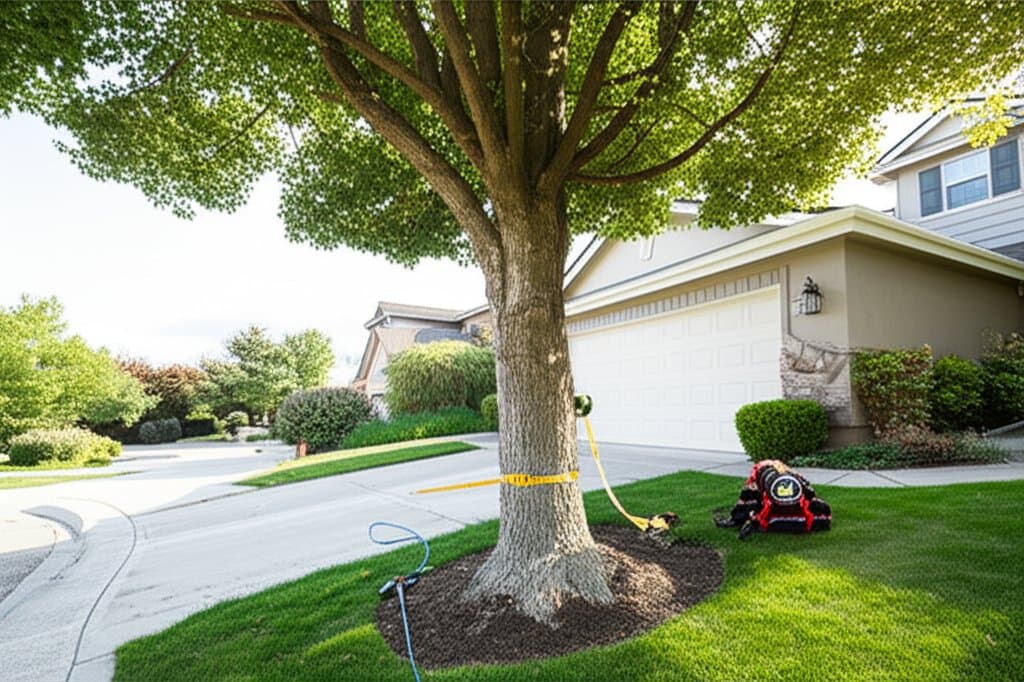
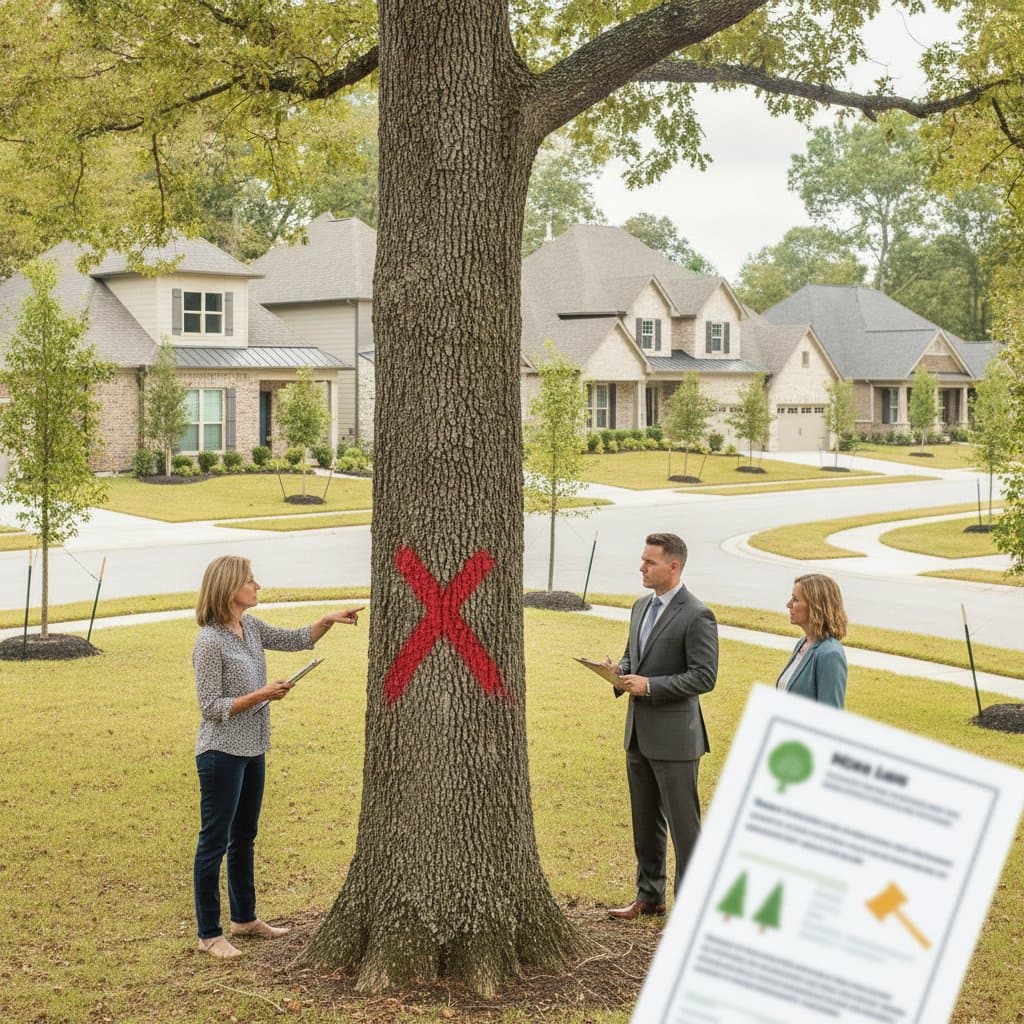
In 2025, more HOAs are mandating certified arborist reports to ensure tree safety, legal compliance, and property value protection. These expert evaluations provide objective data for pruning or removal decisions, reduce liability risks, and maintain neighborhood aesthetics—helping homeowners and boards manage trees responsibly, fairly, and in line with local regulations.
Nationwide, homeowners and HOAs confront tensions over clover lawns, valued for eco-benefits yet restricted by uniformity rules. These clashes fuel lawsuits on rights, policy, and aesthetics, spotlighting debates on suburban beauty, duty, and liberty in yard design.