
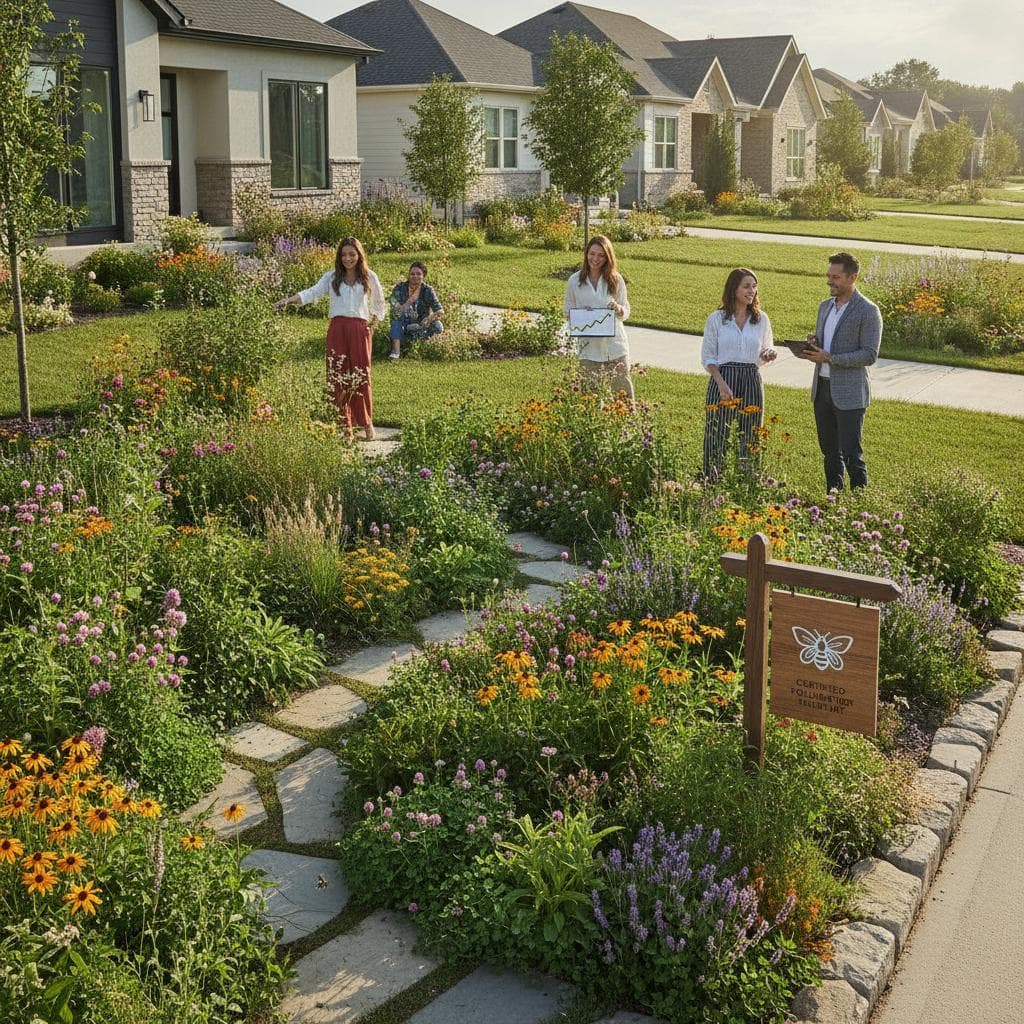
HOA Lawn Rules Spur 300 Percent Rise in Pollinator Gardens
Homeowners frustrated by strict HOA lawn mandates are turning to pollinator-friendly alternatives in record numbers. Bans on clover, wildflowers, and native grass mixes face growing backlash. Many communities now rethink what qualifies as a perfect lawn. The result is a 300 percent surge in interest for eco-friendly replacements that support bees, butterflies, and soil health while cutting water use and maintenance costs.
This shift signals a major transformation in suburban landscaping. Residents question whether traditional turf lawns justify the time, expense, and environmental toll. Pollinator lawns, once dismissed as messy or non-compliant, now emerge as smart, sustainable solutions that meet both ecological and aesthetic goals.
Why HOA Bans Sparked a Movement
For decades many homeowners associations enforced rules requiring uniform, manicured turf lawns. These rules often prohibited clover, native flowers, or taller grass species and labeled them weeds. The intent was neighborhood consistency, yet the regulations discouraged biodiversity and raised maintenance costs.
Residents began facing fines for natural growth or low-water plantings. Frustration mounted as pollinator decline gained attention. Social media groups, environmental advocates, and some local governments promoted alternatives that combine curb appeal with ecological benefits. Tension between outdated rules and modern sustainability values drove the surge in adoption.
Understanding Pollinator Lawn Alternatives
A pollinator lawn is a turf alternative that includes low-growing flowering plants and native species. These attract bees, butterflies, and beneficial insects. Unlike traditional grass, pollinator lawns create food and habitat while remaining neat enough for suburban settings.
Common options include microclover lawns that stay low and reduce fertilizer needs, native wildflower meadows that need minimal irrigation, bee lawns with fine fescues and white clover, and no-mow native grasses such as buffalo grass.
Key Factors That Influence Success
Sunlight and Soil Conditions
Most pollinator plants thrive in full sun, though some tolerate partial shade. Loamy or sandy soils support diverse mixes, while compacted clay benefits from aeration. Testing soil pH and drainage helps select the best seed mix.
Local Climate and Plant Selection
Native plants suit local rainfall and temperatures best. Choose species that bloom at different times to provide continuous nectar. Regional suppliers often offer custom mixes tailored to local pollinators.
Maintenance Requirements
Pollinator lawns require less care than turf but are not maintenance-free. Water and weed lightly during establishment. Mow once or twice a season after maturity to keep plants healthy. Fertilizer is rarely needed because many species fix nitrogen naturally.
HOA Compliance and Communication
Review bylaws before replacing turf. Many HOAs allow low-water or native plantings if kept orderly. Present a clear plan with plant lists and design renderings to secure approval. Some communities now revise bylaws to accommodate these options.
How HOA Policies Are Changing
Rising pollinator lawn adoption prompts many HOAs to update landscaping rules. Several add eco-lawn exceptions or native planting zones. Others partner with conservation groups to educate residents on sustainable design. Pioneering homeowners demonstrate that these lawns can look attractive and consistent with neighborhood standards, spreading enthusiasm quickly.
Environmental and Financial Benefits
Pollinator lawns deliver measurable advantages compared with conventional turf.
- Reduced water consumption by 50 percent or more once established
- Lower maintenance costs from fewer mowings and no fertilizer
- Improved soil health through deep-rooted native plants
- Support for bees, butterflies, and beneficial insects
- Reduced fuel use and greenhouse gas emissions from less mowing
The Conversion Process
- Assess the existing lawn for grass types, weeds, and drainage.
- Remove unwanted turf through solarization, smothering, or mechanical means.
- Prepare soil by loosening compacted areas and adding compost if needed.
- Select a seed mix suited to local conditions.
- Sow seeds evenly and rake lightly for soil contact.
- Water consistently until germination, then reduce frequency.
- Manage early weeds by hand-pulling or high mowing.
- Enjoy seasonal blooms as the lawn matures over two to three seasons.
DIY Versus Professional Installation
Homeowners can install smaller pollinator lawns themselves. Professional landscapers add value on large properties or challenging sites by evaluating conditions, handling preparation, and ensuring regulatory compliance.
Working Effectively With Your HOA
Read bylaws for clauses on landscaping or water conservation. Submit a detailed plan that includes renderings and maintenance outlines. Emphasize water savings and visual appeal. Offer hybrid designs with turf borders if needed. Gather neighbor support before presenting to the board.
Frequently Asked Questions
Do pollinator lawns attract pests?
These lawns draw beneficial insects that control pests such as aphids. Native plants help maintain a balanced ecosystem.
Are pollinator lawns safe for children and pets?
Most use non-toxic species and remain chemical-free. Microclover and fine fescues create soft surfaces suitable for play areas.
How much does installation cost?
DIY seeding ranges from two to four dollars per square foot. Professional installation costs five to ten dollars per square foot. Long-term maintenance expenses drop due to reduced mowing and watering.
Can part of the lawn remain turf?
Many homeowners create hybrid landscapes that combine turf for recreation with pollinator zones for ecological value.
What happens during winter?
Most pollinator lawns go dormant and brown slightly before regrowing in spring. Standing seed heads provide habitat for birds and overwintering insects.
Will a pollinator lawn increase property value?
Well-maintained eco-landscaping often appeals to buyers who value sustainability and lower upkeep costs.
Can existing turf be converted without removal?
Overseeding with microclover or low-growing flowers can gradually transform a conventional lawn. This method requires less initial labor but takes longer.
Practical Next Steps for Homeowners
Start by testing soil and reviewing HOA documents. Select a native seed mix suited to your climate. Begin with a small test area to demonstrate results. Track water savings and pollinator activity over the first season to build support for broader changes.