
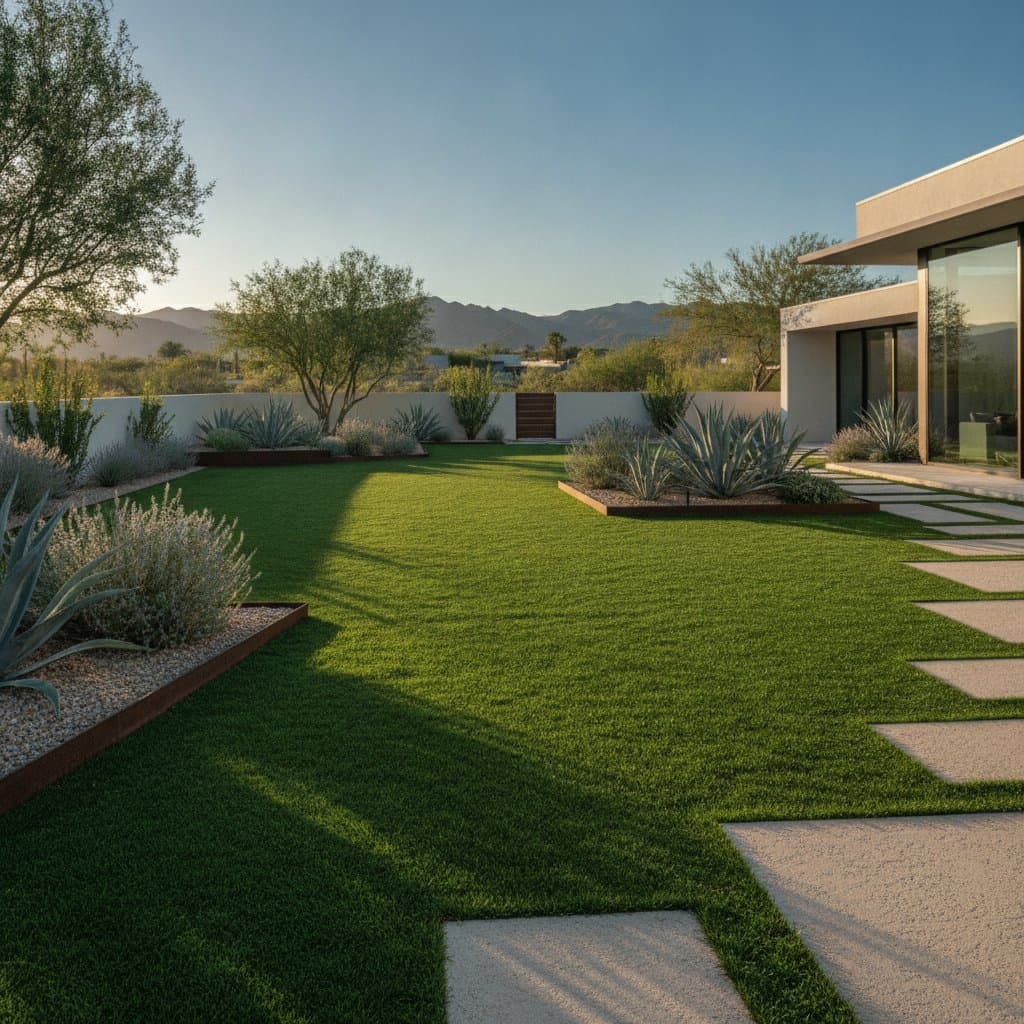
Heat-Resistant Grass Varieties for Desert Lawns
A green lawn remains possible in desert climates when homeowners select turf bred for extreme heat and scarce water. These grasses develop deep roots and dense growth that limit moisture loss while withstanding daily temperatures above 100 degrees. The following sections detail proven varieties, realistic costs, and the steps required for successful establishment.
Understanding Heat-Resistant Turf
Heat-resistant turf consists of warm-season species selected for drought tolerance and rapid recovery from stress. Bermuda, Zoysia, and Buffalo grasses dominate desert installations because they maintain color with roughly half the water demanded by cool-season types. Each variety offers distinct texture and growth habits that influence long-term maintenance.
Installation Costs for Desert Turf
Professional installation of heat-tolerant turf averages 7 dollars per square foot. Prices range from 4 dollars for basic Bermuda sod to 15 dollars for premium synthetic options that include grading and irrigation adjustments.
| Turf Type | Cost per Square Foot |
|---|---|
| Bermuda Grass | 4 to 7 dollars |
| Zoysia Grass | 6 to 10 dollars |
| Buffalo Grass | 5 to 9 dollars |
| Hybrid Fescue | 8 to 12 dollars |
| Synthetic Heat-Resistant Turf | 10 to 15 dollars |
These figures cover soil preparation, delivery, and the first fertilization cycle. Larger projects often qualify for volume discounts that lower the per-square-foot rate.
Elements That Influence Pricing
Turf selection affects cost through differences in purchase price and growth speed. Bermuda and Buffalo remain the most economical because they establish quickly from seed or sod. Lawn size determines total material volume, while desert soils frequently require added compost to improve water retention. Existing irrigation systems may need new valves or smart controllers, adding several hundred dollars. Properties with limited access increase labor charges, and ongoing mowing frequency varies by species.
Steps for Professional Turf Installation
- A specialist inspects soil texture, sun exposure, and drainage before recommending varieties.
- Crews remove existing vegetation, regrade the surface, and incorporate organic amendments.
- Irrigation lines receive upgrades or zoning changes matched to the chosen grass.
- Sod, plugs, or seed are placed with tight seams to prevent edge drying.
- The surface is rolled and watered deeply to promote root contact with soil.
- Follow-up visits adjust fertilizer and mowing height during the first six weeks.
Deciding Between DIY and Professional Help
Small repair areas under 200 square feet on level ground suit experienced DIYers who already possess basic tools. Full lawn replacements, sloped sites, or properties needing irrigation redesign benefit from professional crews equipped with grading machinery and soil-testing kits. Professionals also guarantee root establishment rates that reduce replacement risk.
Selecting Suitable Grass Types
Bermuda grass spreads rapidly through stolons and rhizomes, tolerates heavy foot traffic, and stays green longest when mowed at three-quarters of an inch. Zoysia grass forms a thick carpet that crowds out weeds and requires mowing only once every ten days. Buffalo grass grows slowly, needs almost no fertilizer, and produces a soft, meadow-like appearance suited to low-traffic yards. Hybrid fescue blends stay green through mild winters yet retain heat tolerance. Synthetic turf eliminates irrigation entirely and performs consistently across temperature extremes when UV-stabilized fibers are selected.
Engaging a Qualified Installer
Verify state licensing and liability insurance before signing any agreement. Request recent project photographs from similar desert addresses and obtain written quotes from three separate contractors. Confirm warranty coverage for both product defects and installation workmanship. Include a maintenance schedule in the contract that specifies watering intervals and first-season fertilization dates.
Common Questions About Desert Turf
Homeowners typically spend between 4,000 and 12,000 dollars to cover a 1,000-square-foot lawn. Synthetic surfaces carry higher initial costs yet eliminate recurring water and mowing expenses. Established stands require deep watering two or three times weekly rather than daily light sprinkling. Warm-season installation windows run from late spring through early fall when soil temperatures exceed 65 degrees. Most recommended varieties perform best in full sun, although Zoysia tolerates partial shade. Standard homeowners policies exclude drought-related damage, so separate landscape endorsements may be necessary.
Caring for Your Desert Lawn Year-Round
Mow at the upper end of each species height range to shade the soil surface and reduce evaporation. Aerate compacted areas each spring to maintain infiltration rates. Apply balanced fertilizer only during active growth periods and reduce nitrogen applications after early fall. Monitor irrigation controllers monthly and adjust run times according to rainfall totals recorded at a local weather station.