
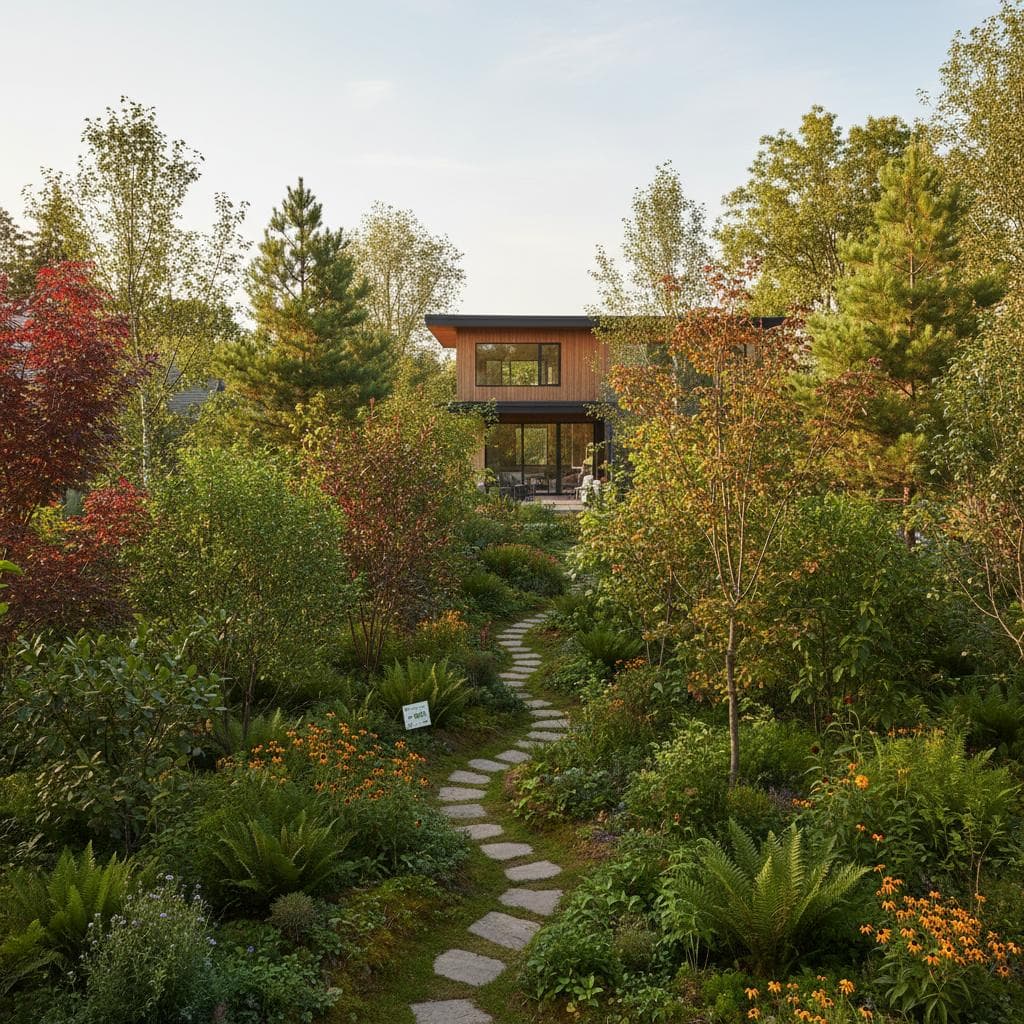
Why Homeowners Create Micro-Forests in Their Yards
A growing movement in residential landscaping emphasizes denser, more ecologically robust designs over conventional gardens. Homeowners nationwide convert modest lawn areas into flourishing micro-forests via the Miyawaki method, which promotes accelerated forest development. This technique delivers enhanced biodiversity, healthier soil, and a more resilient yard environment within a short timeframe.
This guide details the essentials of micro-forests, associated costs, the mechanics of the Miyawaki method, and practical steps for implementation. Suitable for objectives like ecological restoration, privacy enhancement, or minimized upkeep, a backyard micro-forest offers sustained advantages for property owners and the surrounding ecosystem.
Micro-Forest Costs
National Average
Expenses for establishing a backyard micro-forest vary based on area size, soil quality, and chosen plants. Homeowners typically budget between 10 and 25 dollars per square foot for complete planting and mulching. DIY efforts on smaller scales reduce outlays by procuring native seedlings from nearby nurseries or conservation organizations.
Costs by Size
- Small (under 200 square feet): 2,000 to 4,000 dollars
- Medium (200 to 500 square feet): 4,000 to 10,000 dollars
- Large (over 500 square feet): 10,000 to 20,000 dollars or higher
The Miyawaki method employs dense configurations, often three to five plants per square meter, which escalates material expenses. Post-establishment, maintenance remains minimal after two to three years as the system achieves self-sufficiency.
Influencing Factors
- Soil preparation: Turf removal, soil aeration, and incorporation of compost or biochar.
- Plant choices: Layered native trees, shrubs, and groundcovers.
- Labor: High planting density benefits from expert assistance to expedite setup.
- Mulch and watering systems: Critical initially to conserve moisture and inhibit weeds.
- Site characteristics: Adjustments for slopes or shade influence techniques.
Micro-Forest Variations
Micro-forests adapt to diverse climates and lot dimensions by aligning designs with local conditions and owner priorities.
Native Woodland
This variant incorporates regionally indigenous trees and plants to form wildlife habitats for birds, pollinators, and insects.
Advantages:
- Elevated biodiversity and durability
- Reduced ongoing care
- Aid for local fauna
Drawbacks:
- Restricted options in certain locales
- Less polished appearance compared to formal gardens
Edible Variant
Integrating fruit-bearing trees, berry-producing shrubs, herbs, and perennial edibles, this setup yields produce while bolstering pollinator activity.
Advantages:
- Harvestable yields of food and herbs
- Draws beneficial insects
- Promotes eco-friendly cultivation
Drawbacks:
- Demands pruning and harvesting oversight
- Potential for pest or animal issues without equilibrium
Ornamental Variant
Prioritizing aesthetics, this includes blooming trees, vibrant shrubs, and varied groundcovers within dense layers.
Advantages:
- Striking visuals throughout seasons
- Options for screening or shading
- Fits constrained urban plots
**Drawbacks:**n- Elevated startup costs for aesthetic varieties
- Possible limited ecological support from select plants
Climate-Responsive Variant
Selecting species tolerant of drought or flooding addresses regional challenges, optimizing water use and soil stability.
Advantages:
- Lower watering requirements
- Bolstered resilience to weather extremes
- Erosion prevention
Drawbacks:
- Demands precise plant matching
- Potentially slower development in severe settings
DIY or Professional Installation
Micro-forest creation suits capable homeowners yet involves considerable effort and foresight.
DIY Option:
Self-directed projects cut labor expenses and build personal satisfaction. Source native seedlings locally and adhere to detailed online protocols. Key hurdles include soil analysis, precise spacing for density, and accurate species pairing; inadequate groundwork risks excessive competition or poor survival rates.
Professional Option:
Experts in landscape design or restoration apply Miyawaki principles, customizing mixes to site-specific soil and climate. They handle grading, drainage improvements, and irrigation setup, promoting quicker rooting, ecosystem balance, and reduced mortality.
Guidance:
For areas below 200 square feet, DIY proves feasible with thorough study and persistence. Larger or intricate sites benefit from professional involvement to secure a thriving, equilibrated habitat more promptly.
Implementing the Miyawaki Method
The Miyawaki method facilitates compact, swiftly developing forests that replicate wild systems through intensive native species placement, spurring competition and vertical growth layers.
Step 1: Site Evaluation and Design
Survey the yard for sunlight patterns, water flow, and current plants. Steer clear of utility lines. Define the forest's scale and function, whether for cooling, seclusion, or wildlife support.
Step 2: Species Selection
Assemble a blend of regional trees, shrubs, and ground plants across three tiers:
- Canopy: Sturdy options like oak or maple for longevity.
- Understory: Varieties such as dogwood, serviceberry, or viburnum.
- Groundcover: Ferns, blooms, or grasses for base coverage.
Such variety sustains soil life and animal populations.
Step 3: Soil Conditioning
Clear sod or invasives by hand or machinery. Till the upper foot of soil. Blend in organics like compost, decayed leaves, or biochar to boost nutrients and hydration capacity. Steer clear of chemical amendments that alter microbial harmony.
Step 4: Dense Planting
Position three to five seedlings per square meter in varied clusters. Vary types to echo wild patterns. Irrigate deeply post-planting, then apply three to four inches of wood chips or straw mulch for hydration and weed control.
Step 5: Initial Care
Provide consistent watering over the first two seasons to encourage root depth. Employ efficient systems like drip lines to cut water loss. Install barriers against browsing animals if threats exist.
Step 6: Natural Progression
Following early care, growth surges as canopies form. Fallen leaves generate ongoing mulch, while shade curbs invasives. In several years, the site evolves into a stratified woodland teeming with life.
Strategies for Thriving Micro-Forests
- Scale modestly: Test with a small zone to master techniques before broadening.
- Prioritize locals: Indigenous plants align with site soils and weather.
- Diversify thoroughly: Multiple species ward off illnesses and infestations.
- Apply ample mulch: Sustain three-inch layers to manage weeds and moisture.
- Exercise patience: Early emphasis on roots precedes visible expansion.
Common Questions
What Defines the Miyawaki Method?
This technique densely plants native flora to rebuild forest-like systems. Proximity fosters quick development, diverse habitats, and enduring soil vitality.
Minimum Size for a Micro-Forest?
Spaces as compact as several dozen square feet suffice. Dense layering in driveway-sized areas can yield functional ecosystems.
Maturation Timeline?
Young woodland traits emerge in three to five years. Complete ecological balance develops gradually, though structure forms swiftly versus standard plantings.
Ongoing Water and Upkeep Needs?
Initial seasons require irrigation, mulching, and spot weeding for rooting. Canopy closure later enables near-autonomy.
Suitability for Urban or Suburban Yards?
Yes, the method excels in confined settings. Opt for compact growers and integrate with fences or buildings seamlessly.
Ecological Gains?
These forests purify air, sequester carbon, mitigate heat, and host pollinators. They enrich soil, curb runoff, and cool adjacent zones naturally.
Launch Your Micro-Forest Project
Converting yard space to a micro-forest ranks among the most fulfilling landscaping endeavors. It repurposes grass into a dynamic habitat offering shelter, seclusion, and species richness. The Miyawaki approach simplifies achieving swift, low-effort outcomes.
Investigate area-specific natives and evaluate site readiness first. For complex setups, engage a specialist in natural design to refine plans, curate plant assortments, and optimize soil for density. In mere seasons, the transformation elevates your landscape into a vital, wildlife-friendly haven that advances broader environmental health.