Micro-Forests Grow 10X Faster in Small Urban Yards
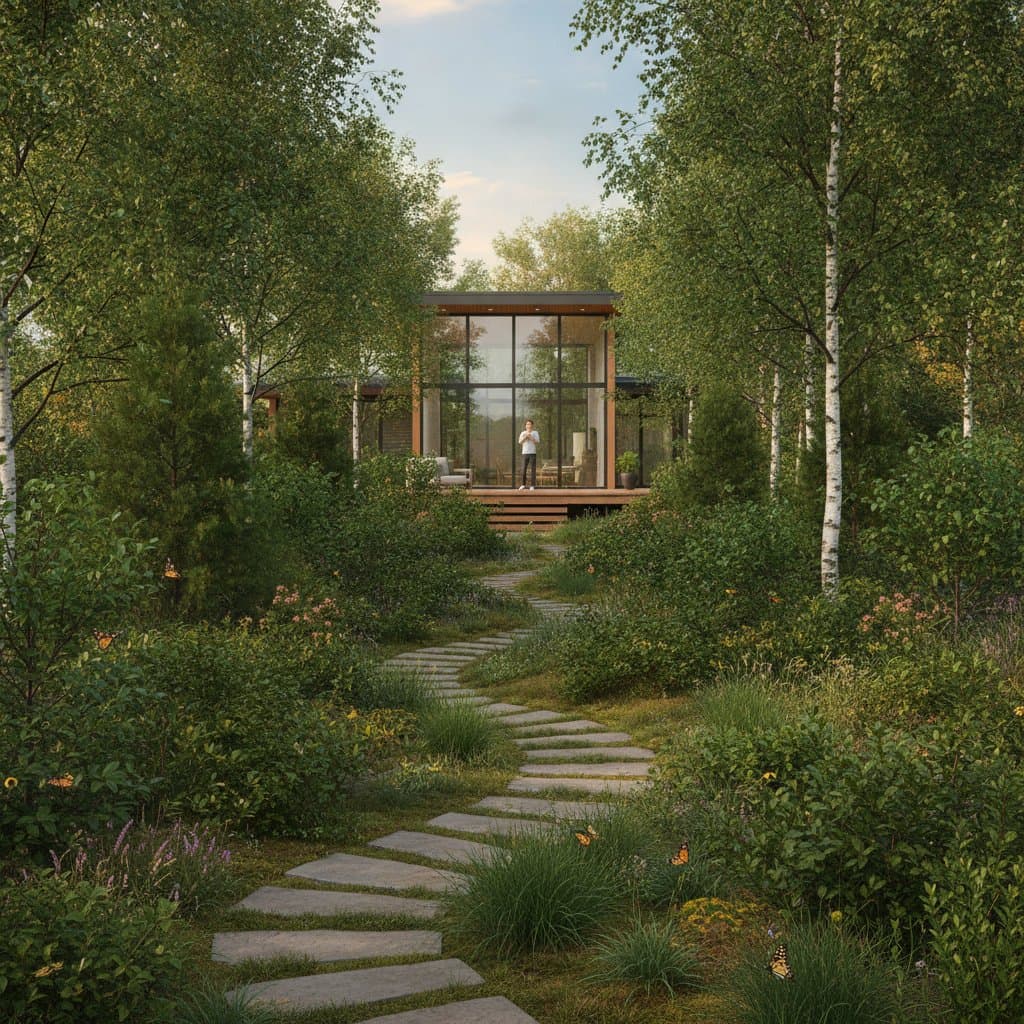
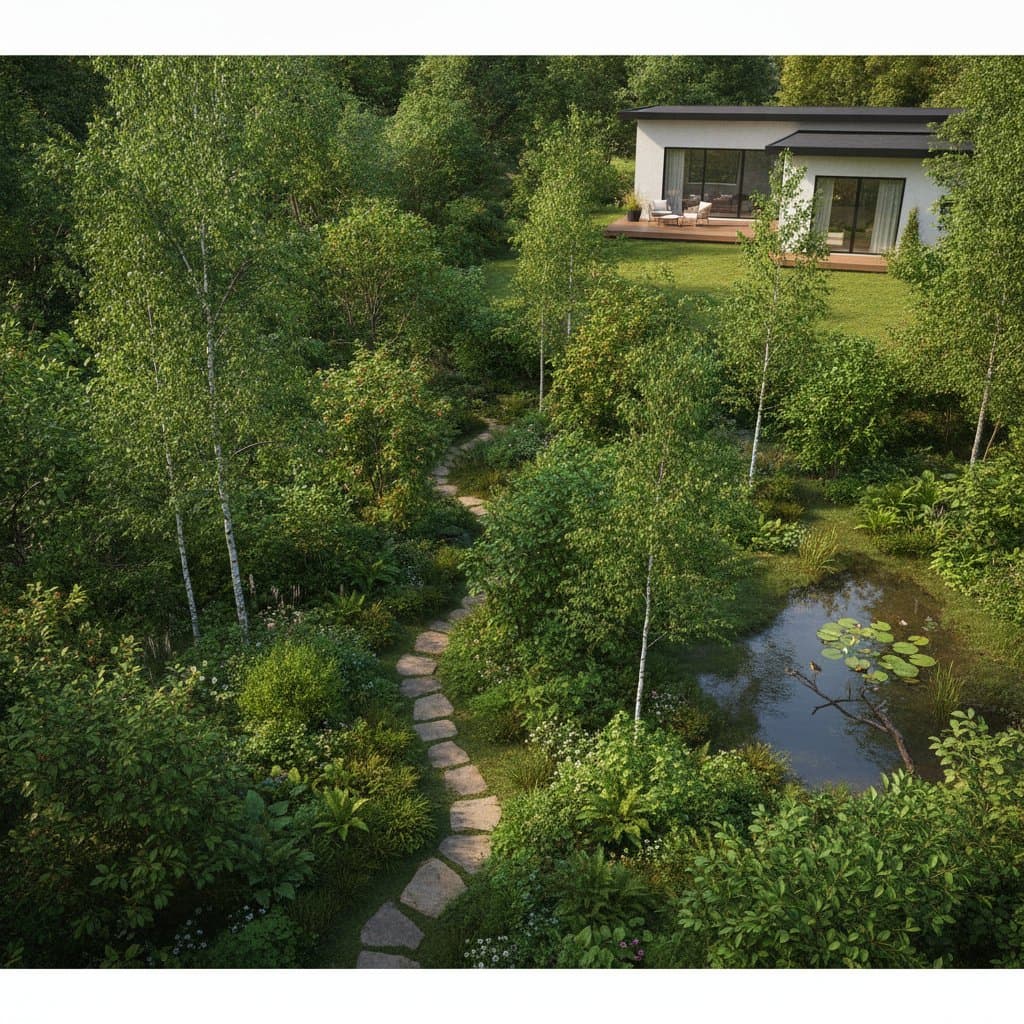
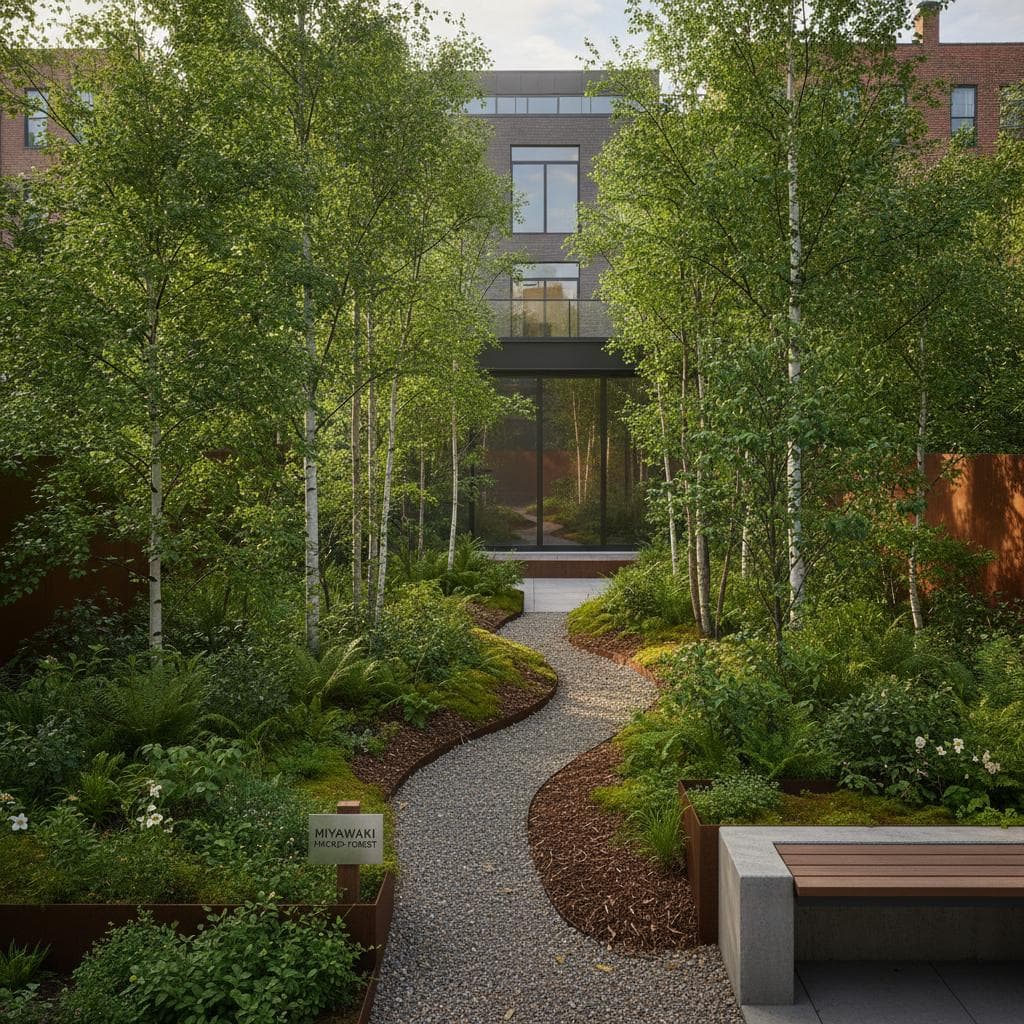
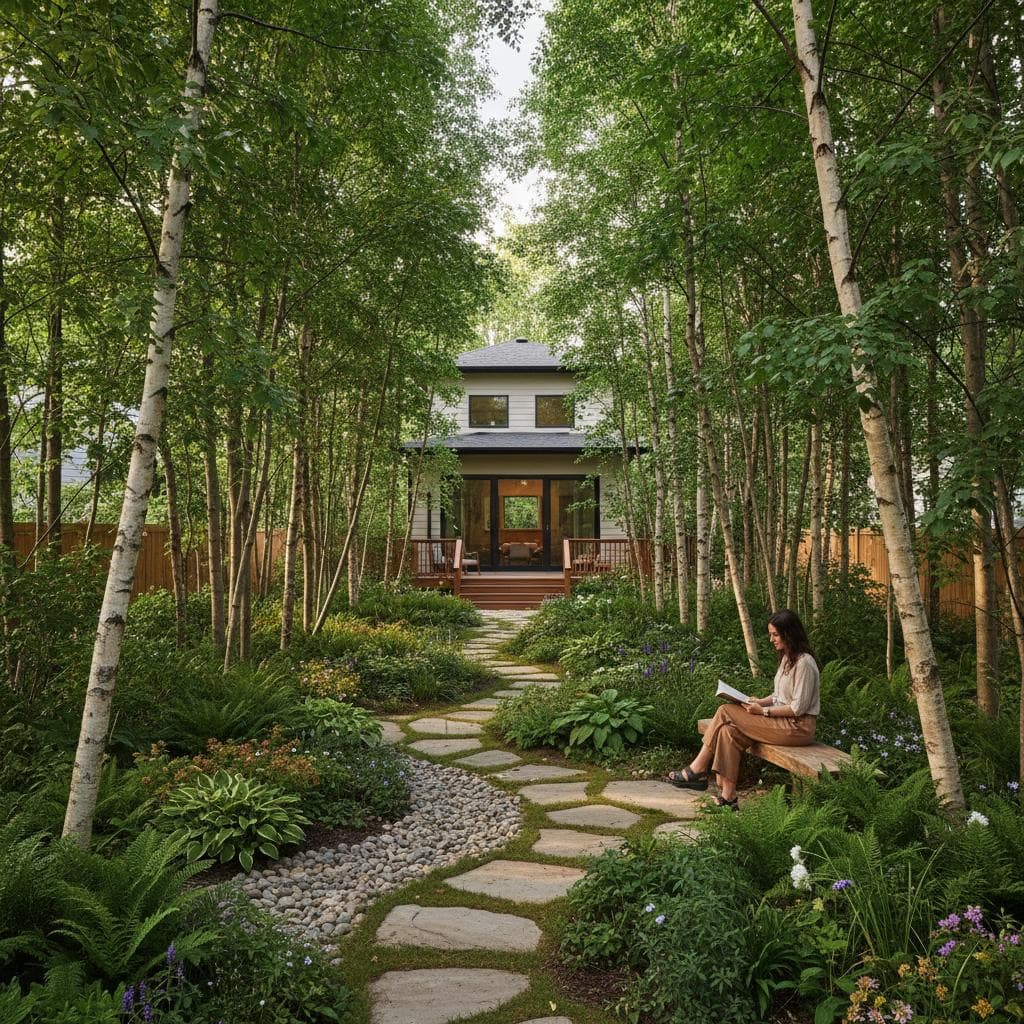
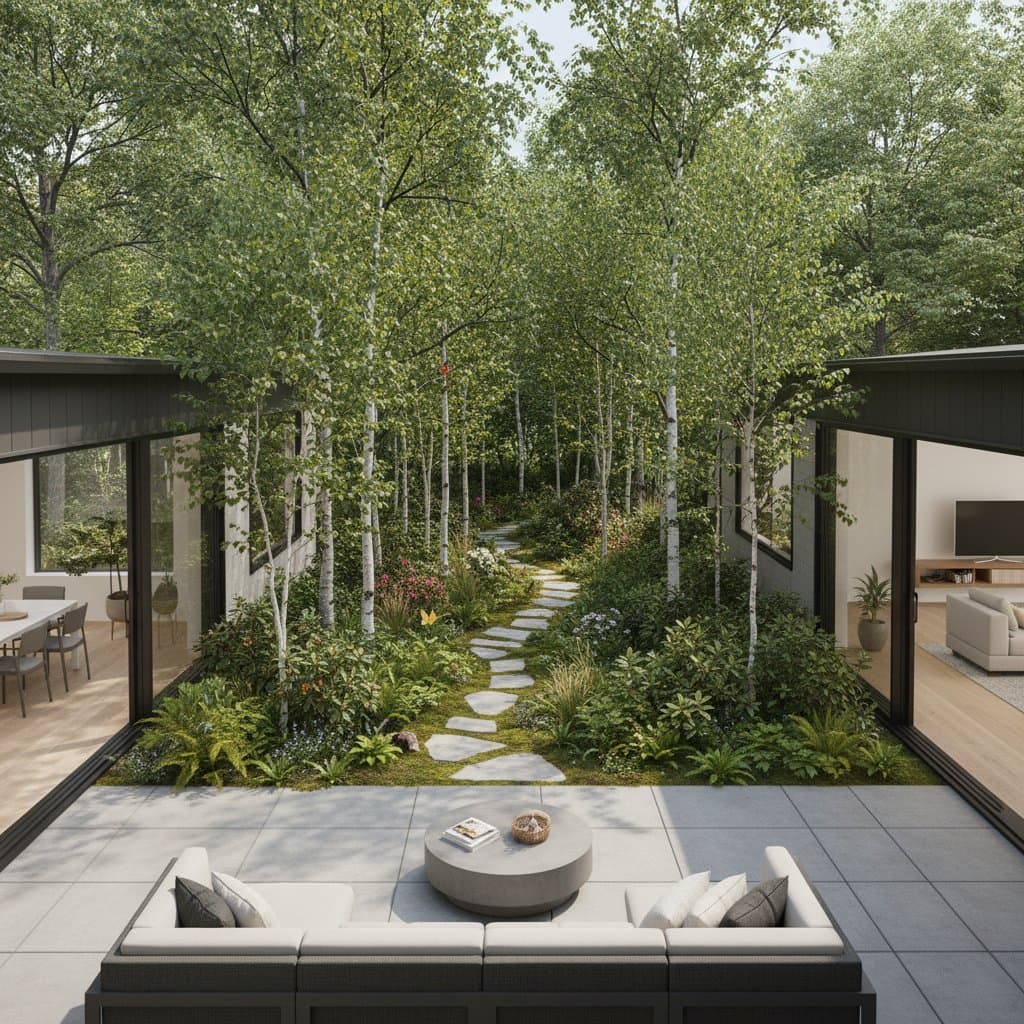
Micro-forests use dense native plantings to turn compact urban yards into fast-maturing ecosystems. The Miyawaki method improves biodiversity, cools air, and adds privacy with minimal ongoing care.
Loading...

Micro-forests use dense native plantings to turn compact urban yards into fast-maturing ecosystems. The Miyawaki method improves biodiversity, cools air, and adds privacy with minimal ongoing care.
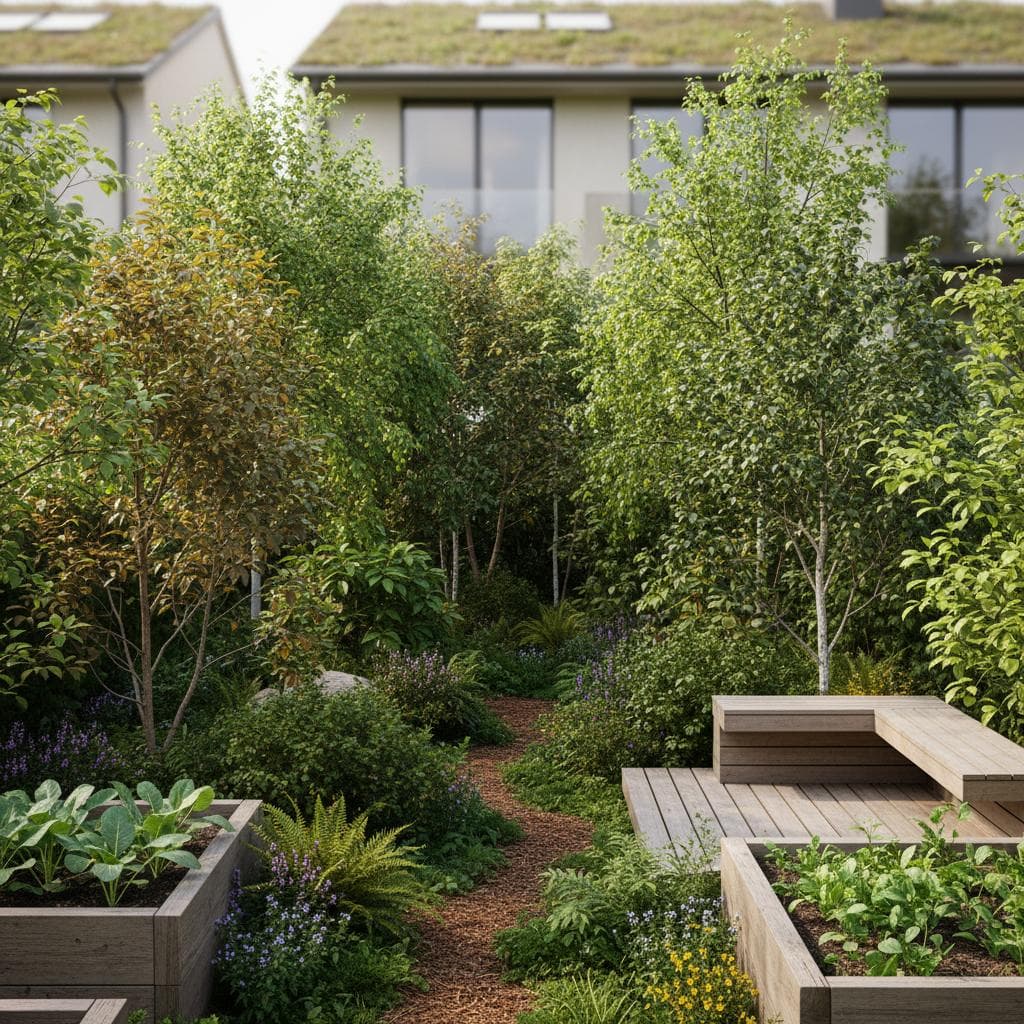
Micro-forests built with the Miyawaki method turn compact urban yards into self-sustaining woodlands. Average costs range from $15 to $30 per square foot and deliver biodiversity, cooling, and privacy with low ongoing care.
Transform a small yard into a self-sustaining ecosystem. The Miyawaki method uses dense native plantings to create a micro-forest that boosts biodiversity, improves soil health, and requires little maintenance once established.
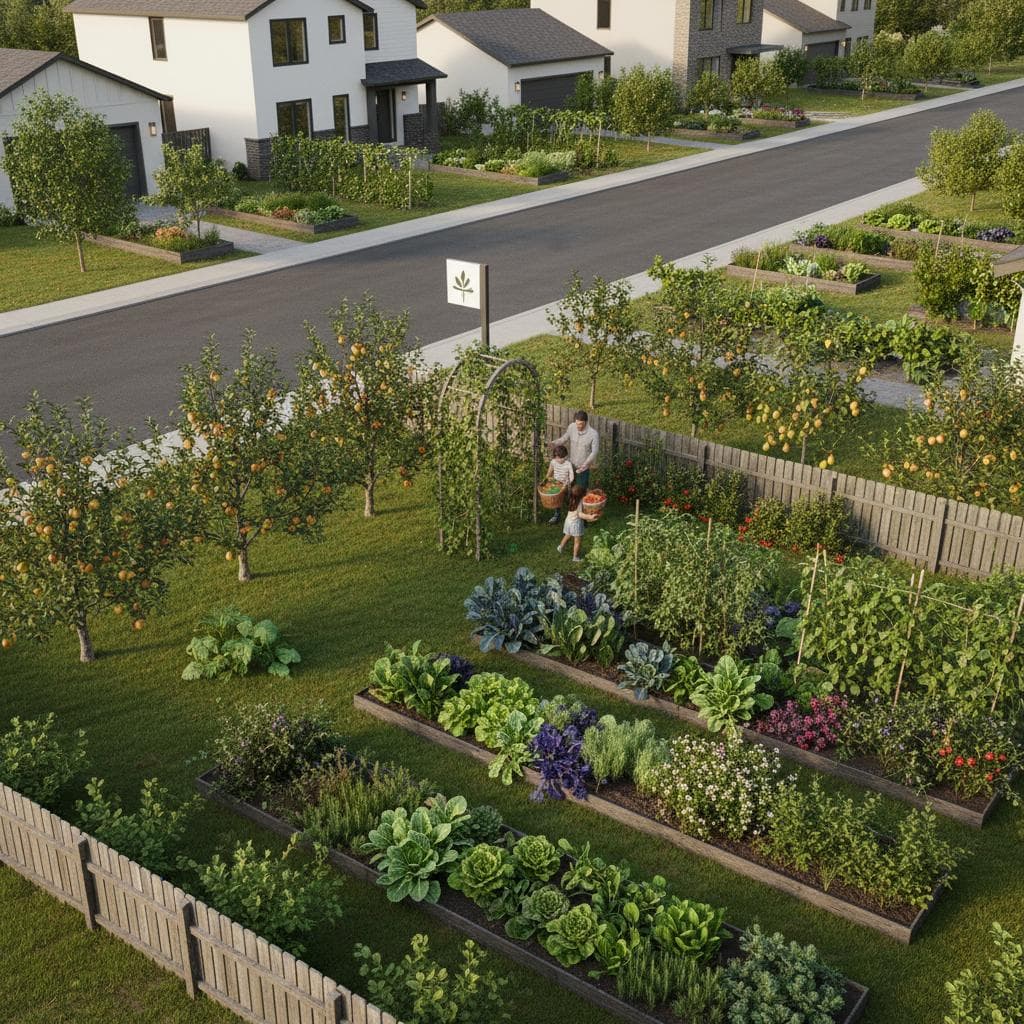
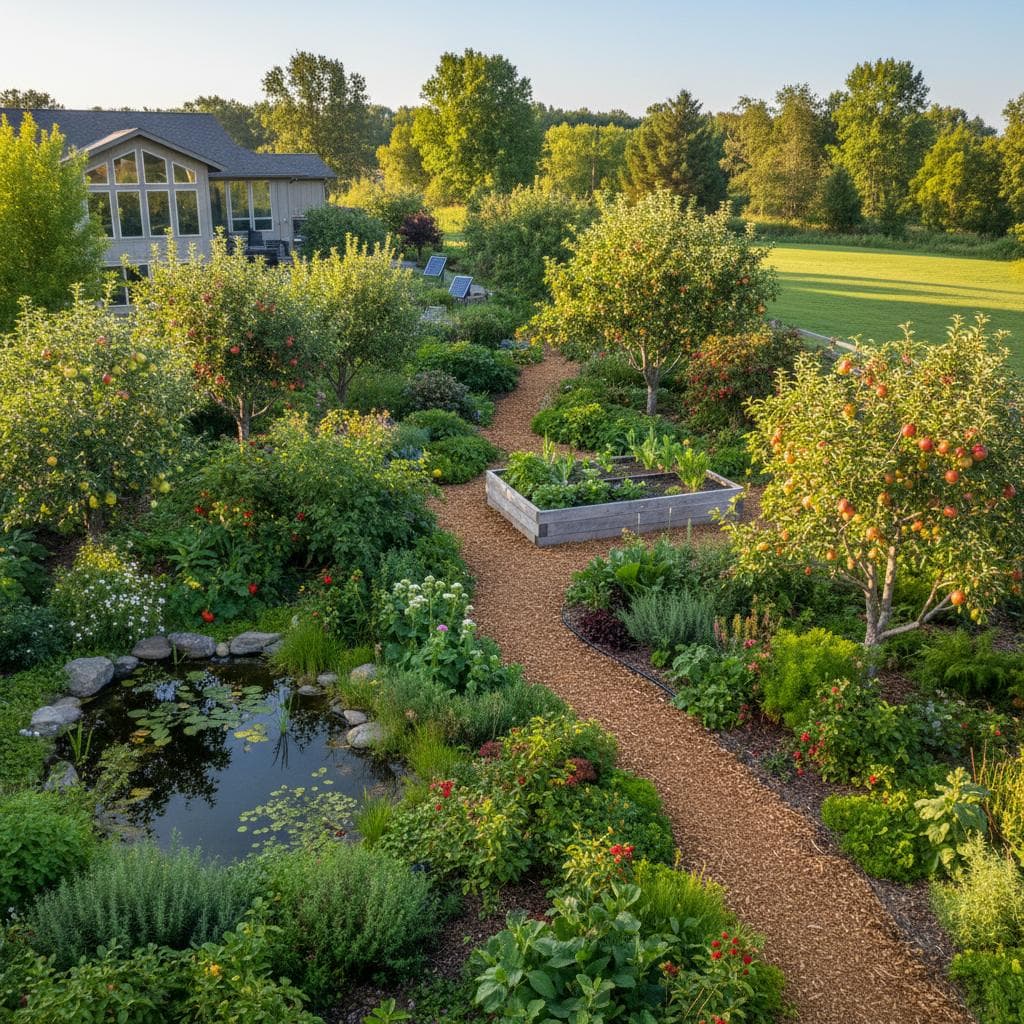
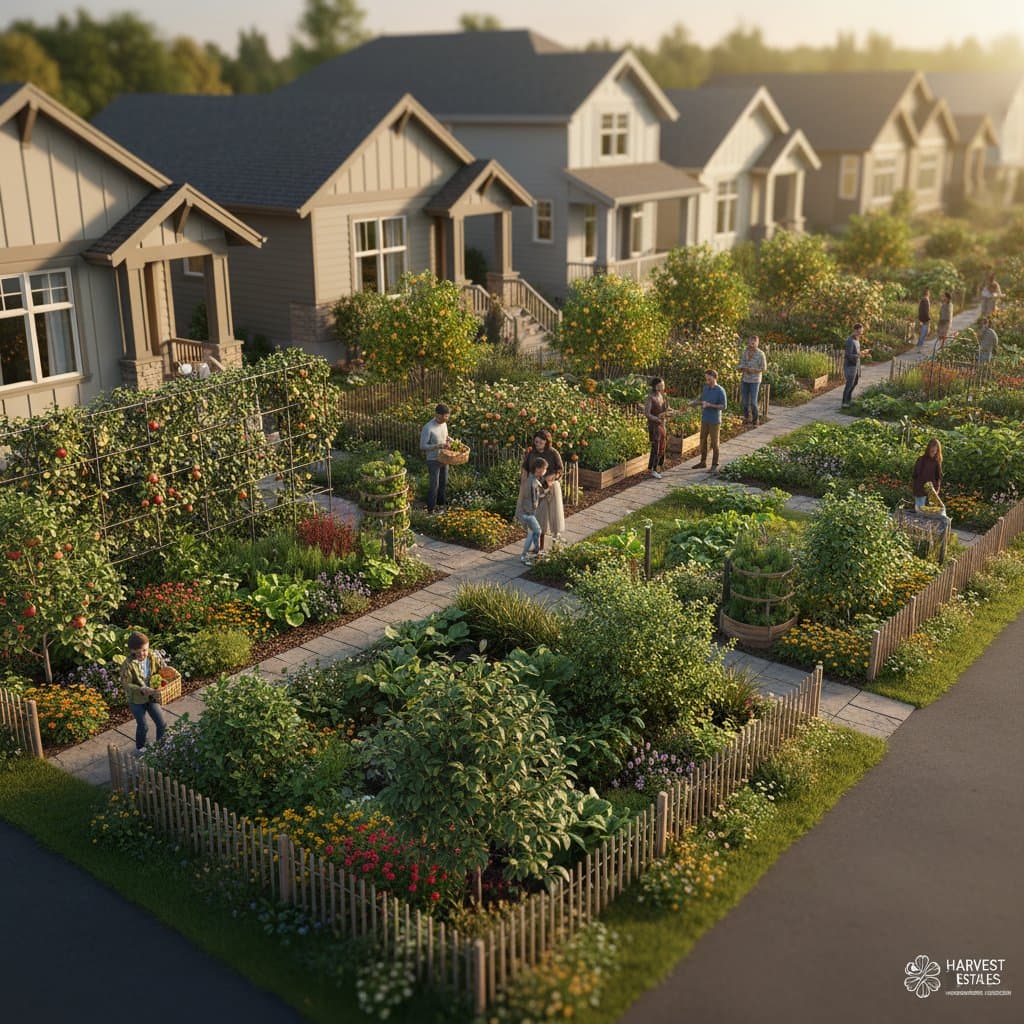
Zoning reforms across 40 states now allow homeowners to convert lawns into edible landscapes. This guide covers costs, plant selections, design approaches, and legal steps for creating productive yards with fruit trees, herbs, and vegetables.
Transform your driveway into a thriving ecosystem with the micro-forest trend. By densely planting native trees and shrubs using the Miyawaki method, homeowners can create lush, low-maintenance forests that boost biodiversity, property value, and sustainability.
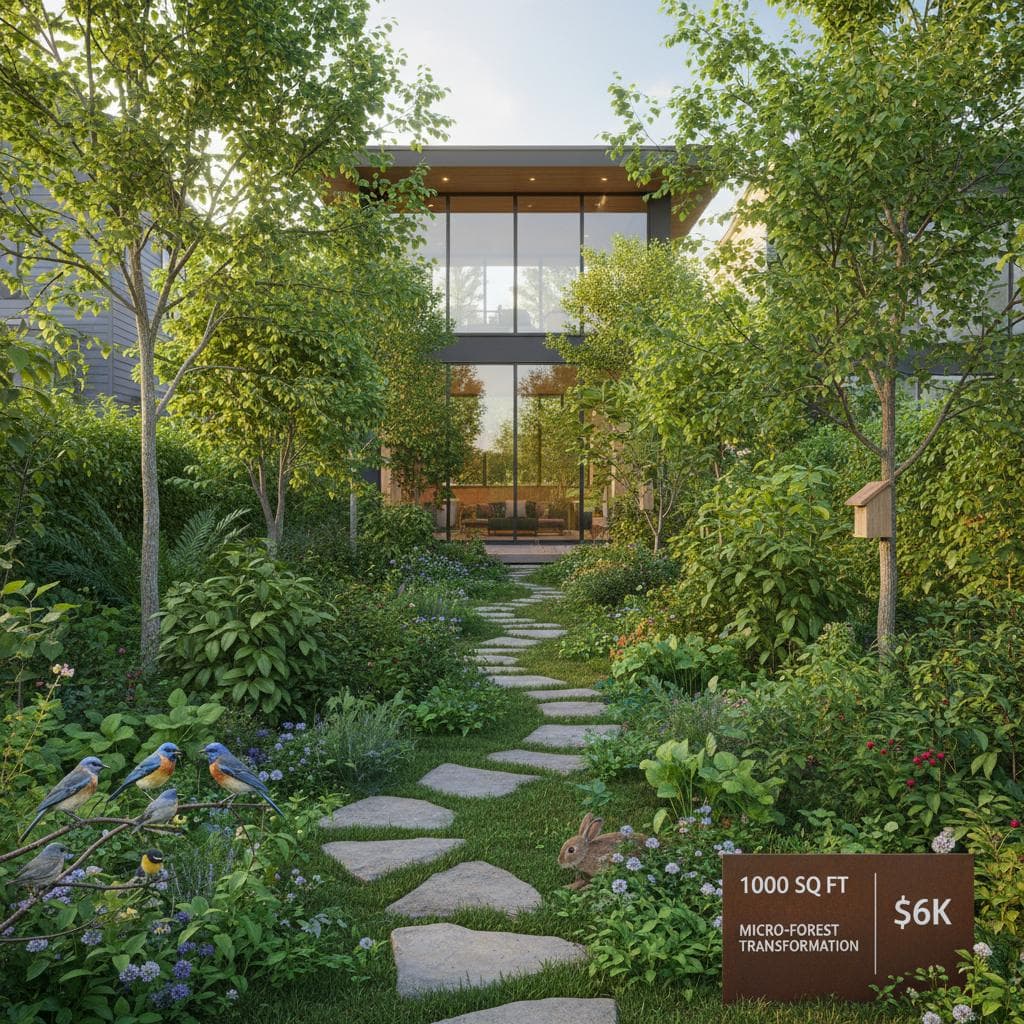
Embrace the 2026 micro-forest trend to convert your 1000 sq ft yard into a vibrant, low-maintenance ecosystem. Drawing on the Miyawaki planting technique, these mini-woodlands accelerate growth, boost biodiversity, and enhance urban living. This guide covers essential costs, design strategies, and practical advice for creating sustainable green spaces.
Homeowners transform ordinary lawns into vibrant micro-forests through the Miyawaki method, featuring dense native plantings that foster rapid growth, enhance biodiversity, and provide natural cooling. Costs range from affordable DIY options to professional installations, yielding enduring beauty, ecological resilience, and reduced maintenance in compact spaces.
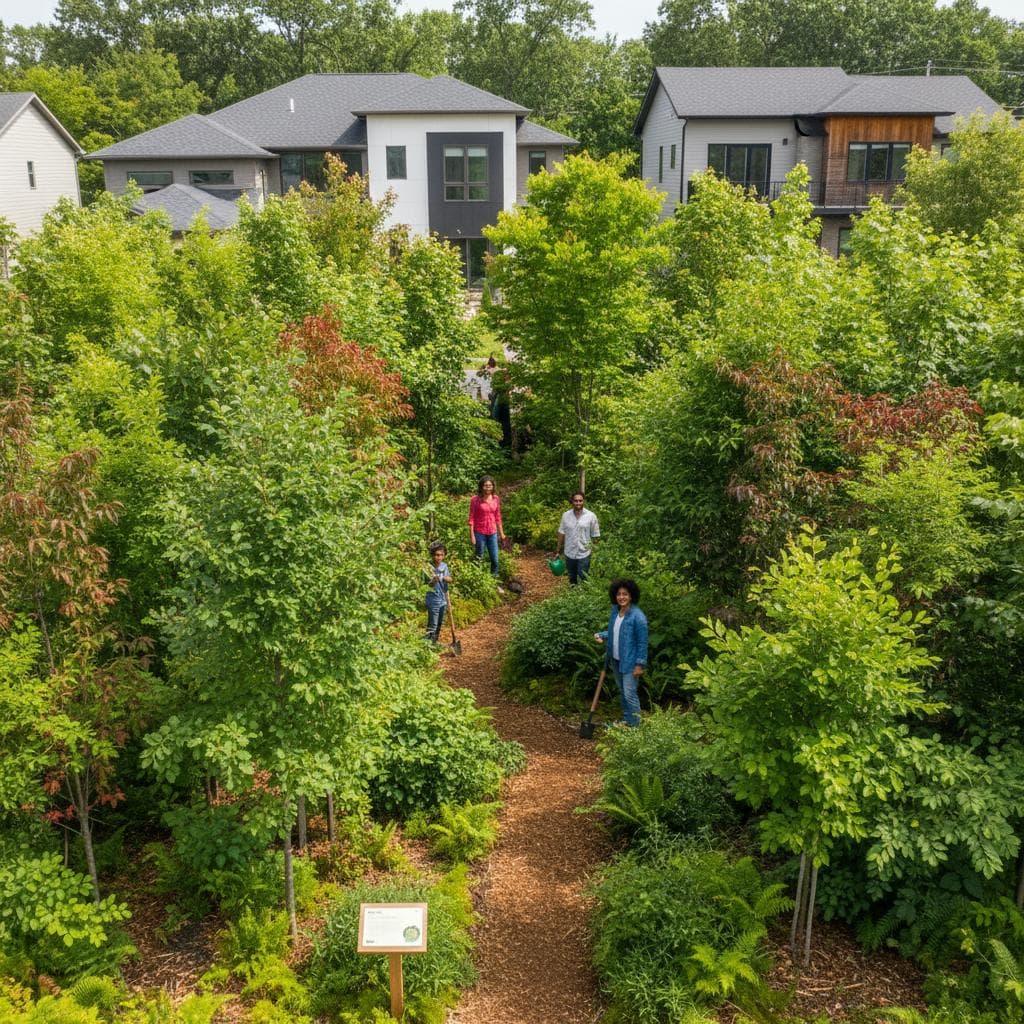
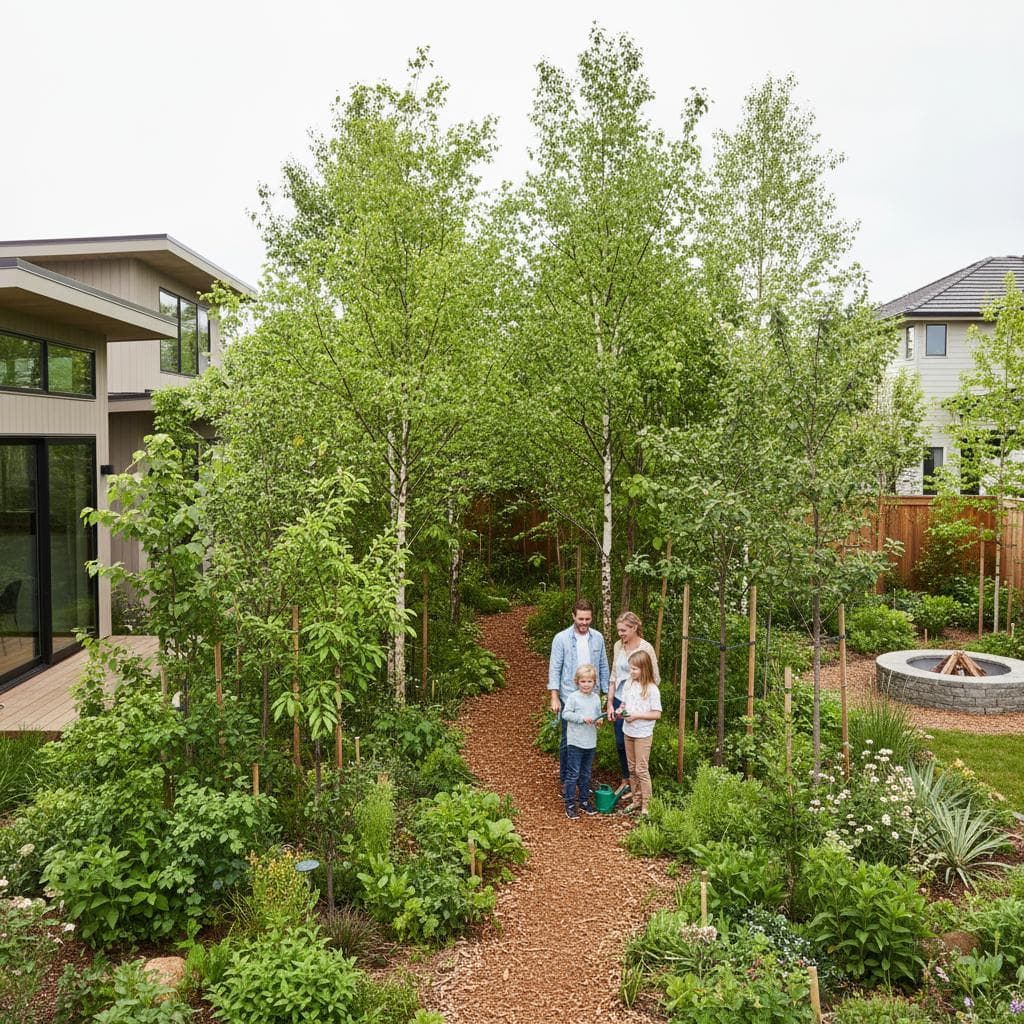
Suburban areas across the country are converting overlooked spaces into vibrant micro-forests through the Miyawaki method. These intensive plantings of native species deliver accelerated growth, heightened biodiversity, urban cooling effects, and stronger community ties. With reasonable startup expenses and little ongoing upkeep, micro-forests provide a practical solution for cultivating resilient green areas in compact urban environments.
Replace your lawn with an edible forest garden to generate up to $8,000 annually in food production and cost savings. This guide covers essential costs, design variations, and detailed installation methods for building a low-maintenance ecosystem that enhances yard aesthetics, promotes biodiversity, and creates a sustainable, revenue-producing landscape lasting decades.
Convert a modest 200-square-foot backyard into a vibrant ecosystem using the Miyawaki method. Dense native plantings develop swiftly, enhancing biodiversity with minimal maintenance. This guide explores air purification, soil improvement, and climate benefits, delivering nature's restoration at home.
Micro-forests reshape suburban landscaping in 2026 through dense arrangements of native trees that enhance biodiversity, improve soil quality, and lower ongoing maintenance expenses. Suitable for DIY efforts or professional installations, these compact ecosystems fit any yard size and deliver aesthetic appeal, seclusion, and environmental benefits. Learn how modest forest plantings yield substantial ecological advantages in residential settings.
Suburban yards evolve into vibrant micro-forests through dense plantings of up to 200 native trees per acre. The Miyawaki method accelerates growth, increases biodiversity, cools local environments, manages stormwater, and delivers sustainable beauty and shade to homeowners in mere years.
Suburban landscapes are transforming as 300 trees flourish in compact micro-forests using the Miyawaki technique. These dense, fast-growing ecosystems cool neighborhoods, boost biodiversity, and reconnect communities with nature. Learn how homeowners and professionals collaborate to turn small plots into thriving habitats that mature in years, not decades.
Homeowners shift from high-maintenance lawns to Miyawaki method micro-forests. These fast-growing native ecosystems promote biodiversity, reduce upkeep, and yield cooler yards with wildlife appeal. Discover advantages, costs, and implementation steps for sustainable yard upgrades.
Homeowners nationwide are swapping out conventional lawns for thriving edible gardens that enhance beauty, promote sustainability, and yield fresh produce. Homeowners associations are revising strict landscaping policies to accommodate this trend, which cultivates community bonds and reimagines curb appeal through productive landscapes.
With escalating food costs, edible landscaping gains popularity among homeowners seeking multifunctional yards. These designs fuse aesthetics with agriculture through fruit trees, herbs, and veggies, yielding savings, eco-benefits, and an 85% ROI.
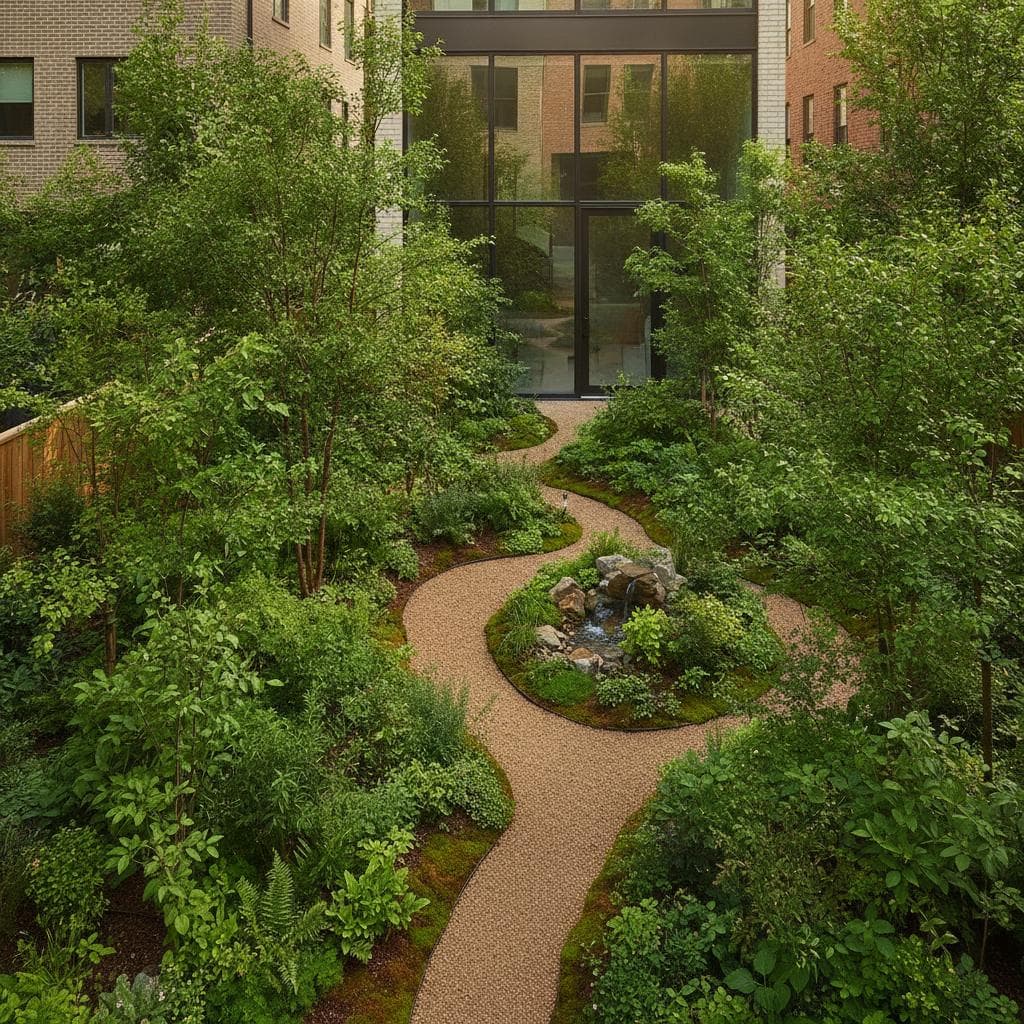
Urban dwellers convert compact yards into vibrant ecosystems via the Miyawaki method, fitting 200 native trees into 600 square feet. These self-sustaining micro-forests revive biodiversity, moderate temperatures, capture rainwater, and elevate well-being, showing that small spaces drive meaningful change.