
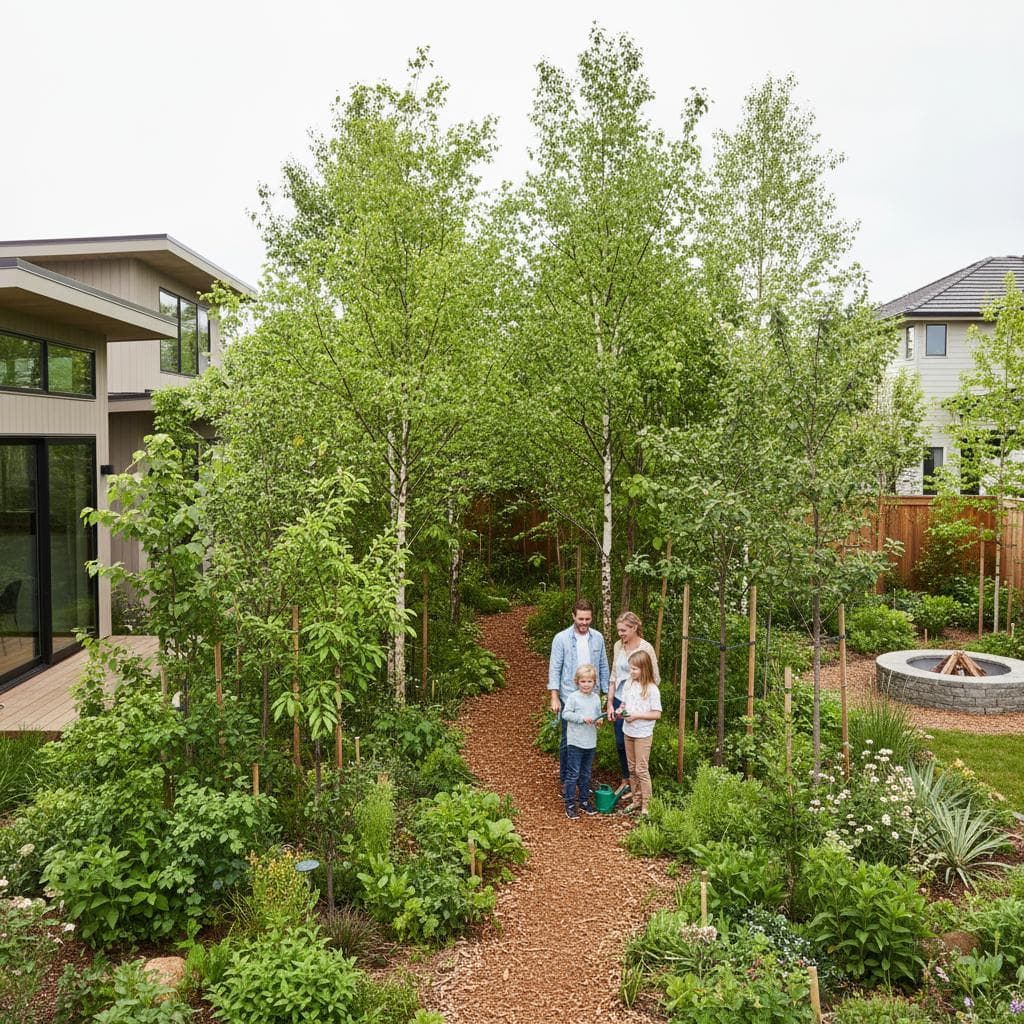
Suburbs Bloom: 300 Trees Thrive in Micro-Forests
Homeowners across suburban areas are witnessing a quiet but powerful transformation. Small patches of land once covered in turf grass are now flourishing with dense vegetation, native wildlife, and thriving young trees. These are micro-forests, and in one suburban community alone, 300 trees are taking root using the Miyawaki technique, a reforestation method that is reshaping how people think about urban and suburban green spaces.
Micro-forests grow up to ten times faster than traditional tree plantings, providing immediate environmental benefits like cooling shade, noise reduction, and improved air quality. For homeowners, these forests bring nature closer to their doorstep while strengthening local ecosystems that have long been fragmented by development.
Understanding the Micro-Forest Method
The micro-forest method, often called the Miyawaki technique, is a reforestation approach that mimics the natural structure of native forests. Instead of spacing trees far apart, the method plants them densely, encouraging competition and rapid vertical growth. The result is a self-sustaining forest that matures in a fraction of the time it takes for standard plantings to reach similar density.
A typical micro-forest follows a few guiding principles:
- Use of native species: Trees and shrubs are selected based on the region's natural ecosystem.
- High planting density: Three to five saplings per square meter create a layered canopy structure.
- Soil enrichment: Organic matter, compost, and natural mulch are added to boost microbial activity and root growth.
- Minimal maintenance: After the first few years, the forest becomes self-sufficient and requires little human intervention.
This approach is particularly effective in suburban neighborhoods where space is limited but the desire for green, sustainable living is high.
Why Micro-Forests Are Thriving in Suburbs
Suburban developments often have leftover plots of land that are too small for parks but too large to remain unused. These areas are perfect for micro-forests. Residents, local councils, and environmental groups collaborate to restore these parcels, creating miniature ecosystems that enhance biodiversity and beautify the community.
Several factors explain why micro-forests are flourishing in these settings:
- Community involvement: Residents often help plant and maintain the forest during its early stages, building a sense of ownership and pride.
- Climate adaptation: Native plants selected for these forests are well-suited to local conditions, making them resilient to drought, pests, and temperature changes.
- Educational value: Schools and families use micro-forests as living classrooms to teach children about ecology, sustainability, and wildlife.
- Aesthetic appeal: A mature micro-forest adds visual diversity and natural charm to suburban landscapes that can otherwise feel uniform.
Over time, these green pockets become small sanctuaries where pollinators thrive, birds nest, and soil health improves dramatically.
The Miyawaki Technique in Action: Step-by-Step
Planting a micro-forest may seem complex, but the process is straightforward when guided by a knowledgeable arborist or landscape professional. Here is how it typically unfolds:
- Site assessment: The area is evaluated for sunlight, drainage, and existing vegetation. Non-native weeds are removed to prepare a clean base.
- Soil preparation: Compost, organic mulch, and beneficial microbes are mixed into the soil to create a nutrient-rich foundation.
- Species selection: A mix of native canopy, sub-canopy, shrub, and ground-cover species is chosen. The goal is to replicate the natural layers of a mature forest.
- Dense planting: Trees and shrubs are planted closely together to encourage upward growth and mutual support.
- Initial care: For the first two or three years, watering and mulching help the young trees establish strong roots.
- Natural stabilization: Once the canopy closes, the forest becomes self-sustaining, needing little more than occasional observation.
Within a few short years, these sites transform into lush, thriving ecosystems that attract wildlife and require little maintenance from homeowners.
DIY vs. Hiring a Professional
Some homeowners are eager to try creating a micro-forest on their own. While small backyard versions are possible, larger projects often benefit from professional guidance. Certified arborists and restoration specialists understand native species selection, soil science, and planting density. They also ensure that the forest is set up for long-term health rather than short-term growth.
DIY enthusiasts can still participate by:
- Planting smaller patches using native shrubs and saplings.
- Joining local community planting events.
- Learning from environmental organizations that specialize in reforestation.
For those looking to establish a more complex or sizable forest, hiring a professional ensures that the forest develops into a balanced and sustainable ecosystem.
Selecting the Right Trees for a Micro-Forest
Choosing the right mix of species is essential to the success of any micro-forest. A diverse planting ensures resilience against pests and environmental stress. Common native choices include:
- Canopy trees: Oak, maple, or beech species that form the upper layer.
- Sub-canopy trees: Redbud, dogwood, or serviceberry that grow beneath the canopy.
- Shrubs and understory plants: Hazelnut, spicebush, or viburnum that fill the lower layers.
- Ground cover: Ferns, native grasses, and wildflowers that protect the soil and support pollinators.
Diversity not only supports wildlife but also helps the forest stabilize quickly and resist disease.
Common Questions About Micro-Forests
How long does it take for a micro-forest to mature?
A micro-forest reaches visible maturity in about ten years, with noticeable ecological benefits appearing within the first three. Growth is accelerated due to dense planting and healthy soil preparation.
Do micro-forests require irrigation?
Only during the first few years. Once the canopy closes and the soil ecosystem stabilizes, the forest retains moisture naturally and rarely needs additional watering.
How much space do I need to create a micro-forest?
Even a small plot, such as 100 square feet, can support dozens of trees and shrubs. Larger community forests typically range from 500 to several thousand square feet.
Are micro-forests expensive to start?
Costs depend on soil quality, plant selection, and site size. Homeowners can expect to invest between a few hundred to several thousand dollars. Community projects often reduce costs through volunteer labor and local partnerships.
Can I plant a micro-forest on my property without permission?
On private land, you usually can. However, if the site borders public property or involves shared spaces, it is wise to check local regulations or homeowners’ association guidelines first.
What wildlife will a micro-forest attract?
Expect to see butterflies, bees, songbirds, and small mammals within the first few years. The dense vegetation provides food, shelter, and safe nesting areas for many native species.