
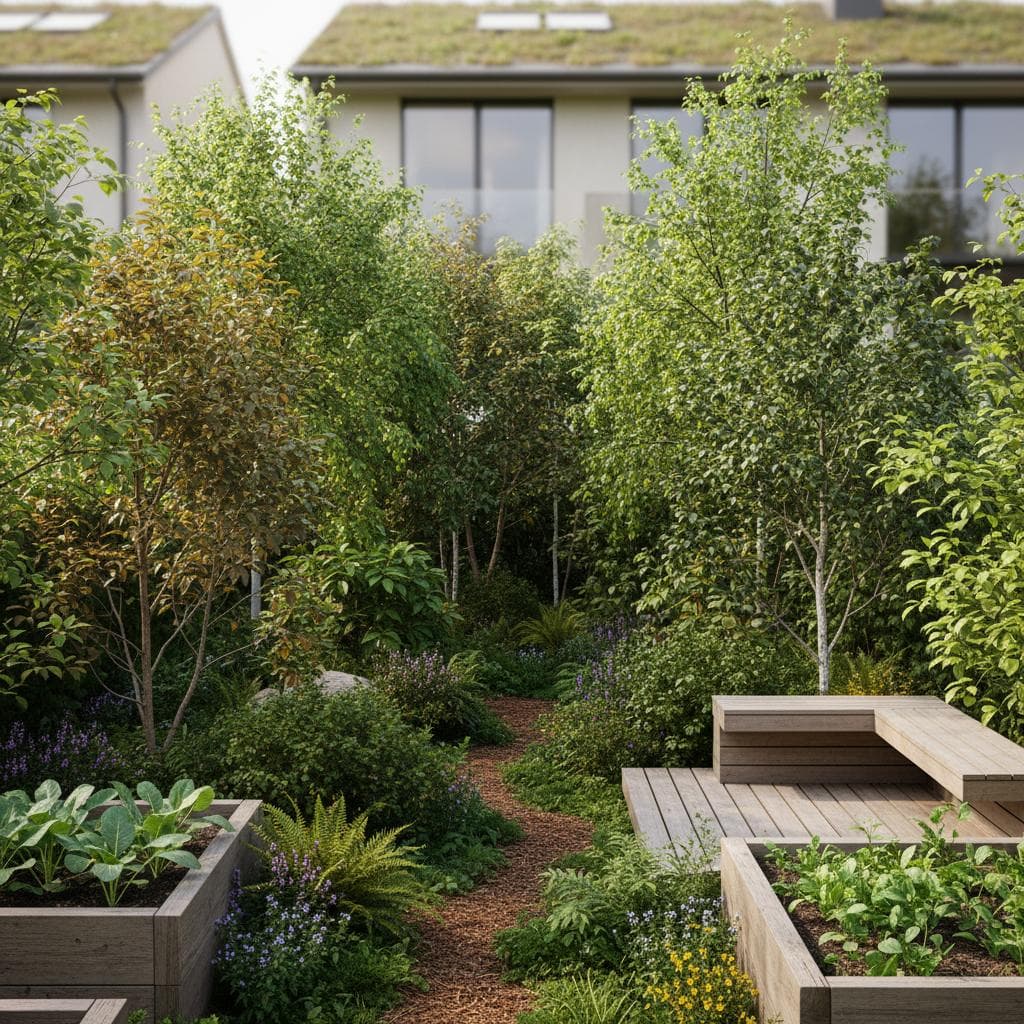
Micro-Forests Revolutionize 200 Sq Ft Backyard Spaces
Micro-forests transform small urban backyards into thriving ecosystems filled with life, color, and clean air. Homeowners apply the Miyawaki method to convert as little as 200 square feet into a dense, self-sustaining forest. This forest grows quickly and supports local biodiversity. The method suits individuals who seek a lush landscape without vast land or ongoing maintenance.
A micro-forest beautifies the space and aids environmental restoration. It enhances soil health, aids pollinators, and offers a natural cooling effect. For city residents or suburban owners, this serves as a practical means to connect with nature in limited areas.
What Is a Micro-Forest?
A micro-forest consists of a densely planted area featuring native trees, shrubs, and groundcover species. The design replicates the structure and function of a natural forest. Density and diversity set it apart from standard landscaping, where plants space out widely. In a micro-forest, various native species plant closely to foster rapid growth and ecological harmony.
The Miyawaki method forms the basis of this concept, developed by Japanese botanist Akira Miyawaki. Practitioners select native species suited to local conditions, prepare nutrient-rich soil, and plant seedlings densely. This setup promotes competition and swift vertical development. In a few years, the micro-forest evolves into a self-sustaining oasis that draws birds, insects, and small mammals.
Key Benefits of a Micro-Forest in a Small Backyard
In a 200 square foot area, the environmental and personal advantages prove substantial. Homeowners report these primary gains:
- Rapid Growth: Trees grow up to ten times faster than in conventional settings. Dense planting and enriched soil drive this acceleration.
- Low Maintenance: After establishment, the forest needs little watering, fertilizing, or pruning. It creates its own microclimate for support.
- Biodiversity Support: Native plants draw pollinators, birds, and beneficial insects. This forms a balanced mini-ecosystem.
- Improved Air and Soil Quality: Root networks filter pollutants from the ground. Foliage captures dust and absorbs carbon dioxide.
- Cooling and Noise Reduction: Thick vegetation tempers temperatures and dampens urban sounds. It fosters a serene backyard haven.
- Aesthetic and Emotional Value: The forest delivers natural beauty, privacy, and tranquility. These elements elevate daily living.
Key Factors That Influence Micro-Forest Success
Thoughtful planning ensures a micro-forest flourishes in confined spaces. Growth, sustainability, and outcomes depend on these elements.
1. Soil Quality and Preparation
Soil forms the base of every ecosystem. Compacted or nutrient-deficient ground demands enhancement prior to planting. Loosen the top two feet of soil, incorporate organic compost, and assess pH levels. Most native plants thrive in slightly acidic to neutral conditions, around 6.0 to 7.0 pH.
2. Selection of Native Species
Native trees and shrubs guarantee enduring viability. These plants adapt naturally to regional weather and soil. Incorporate canopy trees, sub-canopy trees, shrubs, and groundcovers for layering. In temperate zones, combinations like oak for height, dogwood for flowers, and serviceberry for berries provide effective coverage.
3. Density and Layout
A 200 square foot micro-forest accommodates 200 to 300 plants. Such density spurs straight, tall growth and curbs weeds. Position species in a random pattern to emulate wild forests, avoiding straight rows that limit interaction.
4. Watering and Mulching
Young plants require steady watering in the initial year to develop roots. Apply a three-inch layer of organic mulch to retain moisture and halt erosion. Mature forests manage their hydration via leaf litter and shade, achieving independence.
5. Sunlight and Shade Balance
Assess sunlight patterns in the yard. Full-sun spots suit species such as red maple or birch. Shaded areas benefit from holly or ferns. A diverse selection maintains greenery throughout seasons and promotes robust development.
The Miyawaki Method: Step-by-Step
The Miyawaki method employs a systematic process to optimize growth and balance.
- Site Assessment: Measure the area and evaluate soil type, drainage, and sunlight.
- Species Selection: Select 20 to 30 native varieties matching the region and forest layers.
- Soil Enrichment: Aerate compacted soil and blend in compost, leaf mold, and natural manure.
- Dense Planting: Position seedlings 12 to 16 inches apart to stimulate competition.
- Mulching: Spread organic mulch to regulate soil moisture and temperature.
- Initial Care: Provide regular water for the first year to secure root establishment.
- Natural Growth Phase: Permit succession to unfold naturally. Minimal intervention allows thickening and stabilization.
In three to five years, the micro-forest densifies and sustains itself, offering shade, habitat, and aesthetics with scant effort.
DIY vs. Hiring a Professional: What to Consider
Constructing a micro-forest presents a fulfilling project, yet demands ecological insight and labor. The choice between self-guided work and expert assistance hinges on available time, funds, and familiarity with plants and soil.
DIY Approach
A self-managed project saves costs and allows customization. Individuals oversee species choices and arrangements. Challenges include procuring natives, formulating soil mixes, and overseeing early irrigation. Budget approximately $5 to $15 per square foot, varying by materials and plants.
Professional Installation
Experts in arboriculture or ecological design deliver accuracy and efficiency. They test soil, craft species blends, and execute planting. Costs range from $15 to $30 per square foot, covering planning, supplies, and work. Though pricier initially, this minimizes errors and secures longevity.
How to Choose a Qualified Tree Specialist
Selecting aid requires care. Seek certified arborists or landscapers versed in native systems and the Miyawaki technique. Pose these inquiries:
- Which native species suit my locale?
- How do you amend soil for dense arrangements?
- What maintenance schedule follows for year one?
- Do you hold insurance and certifications for homes?
- May I view prior micro-forest examples?
Competent professionals clarify processes and quote fairly. Steer clear of those touting quick fixes or exotic plants that imbalance ecosystems.
Signs Your Micro-Forest Is Thriving
Post-planting, changes emerge swiftly. Positive indicators include:
- Fresh leaves and branches on saplings
- Rising presence of insects and birds
- Soil with rich aroma and organic buildup
- Few weeds beneath the canopy
- Steady moisture post brief droughts
Stunted or discolored plants signal issues like compaction or drainage flaws. Modify watering or add compost to correct swiftly.
Common Mistakes to Avoid
Minor oversights impede progress or damage seedlings. Sidestep these pitfalls:
- Incorporating non-natives ill-suited to local conditions
- Spacing plants too far, inviting weed takeover
- Excess water or synthetic fertilizers that upset microbes
- Skipping pre-plant soil work
- Clearing leaf litter vital for nutrients
Observation and patience guide success. The forest aligns with natural cycles, where timely tweaks yield lasting gains.
FAQ
How fast will a micro-forest grow?
Visible canopy forms in three to five years. Enriched soil and density hasten maturation beyond standard plantings.
Can I plant a micro-forest in clay or sandy soil?
Soil amendment makes it feasible. Integrate compost, leaf mold, and manure to bolster texture and fertility.
What maintenance does a micro-forest need?
Year one calls for watering and weeding. Established forests self-regulate via decomposition and roots, needing little else.
Will a micro-forest attract pests?
It draws insects, yet balance prevails. Natives and predators like birds curb damaging ones organically.
Can I combine fruit trees with native species?
Compatible choices work well. Pair natives with serviceberry or pawpaw for edible layers sharing needs.
How much does it cost to install a micro-forest?
DIY efforts run $5 to $15 per square foot. Professional services cost $15 to $30 per square foot, including expertise.
Do I need a permit to plant a micro-forest?
Local rules vary; check municipal guidelines. Most residential plantings require no permit, but HOA or zoning may apply.
Sustaining Long-Term Backyard Benefits
A micro-forest endures with basic oversight, yielding ongoing ecological and personal rewards. It filters air, shelters wildlife, and calms the mind amid urban life. As it matures, observe the evolving harmony and adjust sparingly to nurture its vitality.