
Hemlock Woolly Adelgid Spreads in Midwest: Treatment Costs Triple
Homeowners in the Midwest confront a growing crisis in their landscapes. The hemlock woolly adelgid, a minuscule insect with outsized impact, advances swiftly through the region. It weakens and kills hemlock trees, while treatment and removal expenses have surged threefold. Property owners now grapple with ecological losses alongside steep financial burdens.
This resource details the nature of the hemlock woolly adelgid, current pricing for interventions, and elements that shape those figures. It outlines treatment procedures, signals for engaging experts, and strategies to secure reliable assistance. With this knowledge, individuals can safeguard their properties and potentially revive affected trees.
Understanding the Hemlock Woolly Adelgid
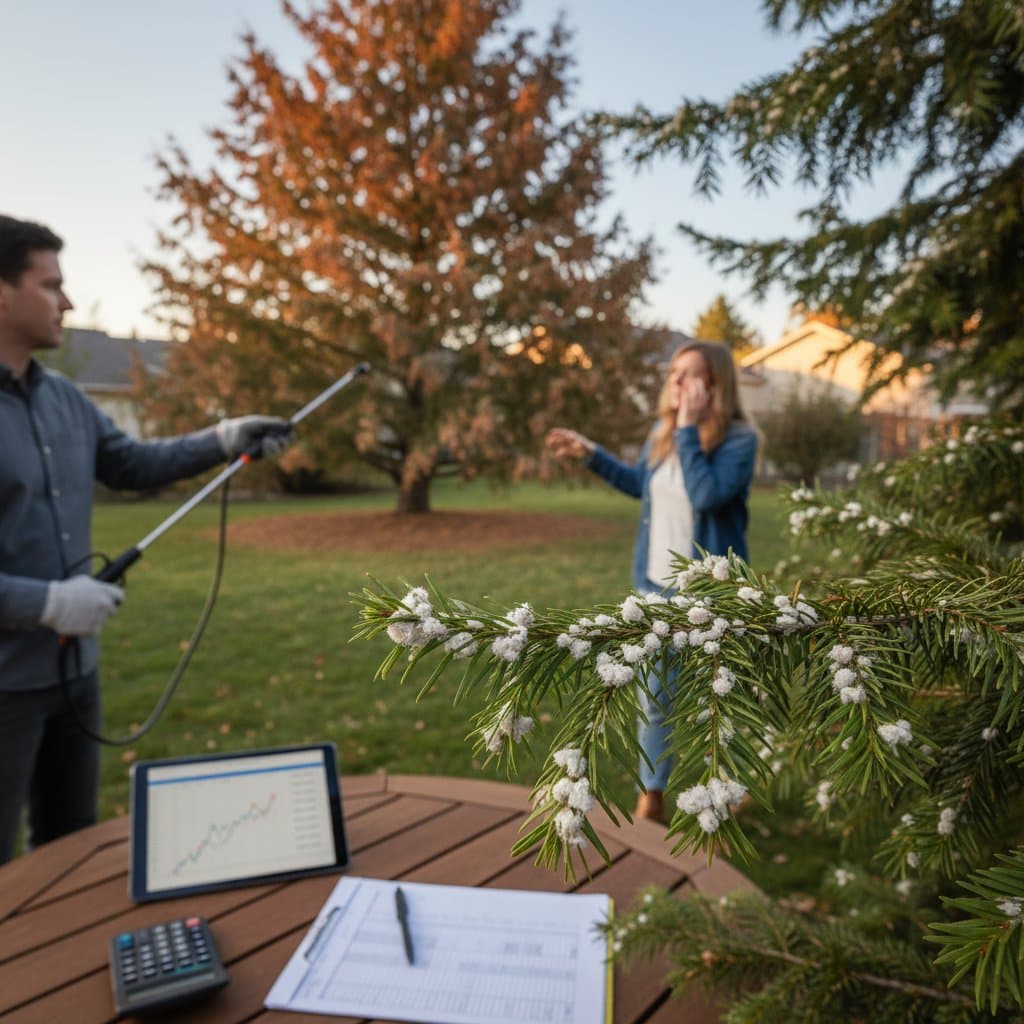
The hemlock woolly adelgid, commonly known as HWA, belongs to the aphid family and targets hemlock tree sap. This pest encases itself in a white, woolly coating that appears as small cottony clusters beneath branches. By extracting sap, it interrupts the tree's nutrient transport, leading to needle shedding and branch decline. Untreated, a hemlock may perish within three to six years.
Early identification proves crucial. Inspect branches for those woolly ovisacs, especially at needle bases. Affected trees exhibit grayish foliage, sparse growth, and inner branch dieback. Prompt recognition allows for interventions that halt progression and promote recovery.
Current Costs for Hemlock Woolly Adelgid Treatment
Expenses for addressing HWA infestations fluctuate based on tree dimensions, infestation intensity, and selected methods. Professional services typically span $250 to $1,200 per tree, averaging $600 nationwide. These figures reflect heightened regional demand and material costs in the Midwest.
The table below categorizes costs by tree height:
| Tree Height | Treatment Cost Range |
|---|---|
| Under 15 feet | $250 - $400 |
| 15 - 30 feet | $400 - $700 |
| 30 - 50 feet | $700 - $1,000 |
| Over 50 feet | $1,000 - $1,200 |
When salvage proves impossible due to advanced damage, removal becomes essential. Such operations range from $900 to $3,500 per tree, a marked increase from prior norms. This escalation stems from elevated arborist workloads and protocols for containing pest spread during disposal.
Elements Influencing Treatment and Removal Expenses
Multiple variables determine the final price tag for HWA management. Property owners benefit from anticipating these to plan effectively and allocate funds wisely.
Dimensions of the Tree
Greater height and girth demand expanded pesticide volumes, owing to larger bark areas and root systems. Inspection and application times extend accordingly, elevating labor charges. For removals, elevated hemlocks necessitate advanced rigging and safety protocols, further inflating costs.
Health Status of the Tree
Trees with minor early-stage issues respond to straightforward soil applications or injections. Those displaying extensive needle loss or structural weakness often require repeated sessions or outright excision. Severity directly correlates with procedural complexity and expense.
Type of Hemlock Species
Eastern and Carolina hemlocks serve as primary hosts for HWA, accelerating decline in these varieties. Secondary conifers may harbor the pest briefly but demand tailored pesticides. Species-specific vulnerabilities dictate the urgency and approach of interventions.
Site and Access Challenges
Trees on inclines, adjacent to utilities, or amid thick undergrowth complicate operations. Crews deploy additional tools and precautions, prolonging efforts and raising fees. Urban settings or proximity to structures amplify these hurdles.
Seasonal Timing
Peak seasons like spring and summer, when pests emerge prominently, drive up rates through service backlogs. Opting for off-peak applications in autumn or winter often yields savings, as visibility aids detection without foliage interference.
Level of Urgency
Sudden outbreaks or weather-related exacerbations prompt premium pricing for swift action. These scenarios involve extra personnel, after-hours work, and rushed logistics, compounding the base rate.
Steps in Professional Hemlock Woolly Adelgid Management
Experts follow a structured protocol to evaluate, address, and track HWA impacts. This methodical approach minimizes risks and maximizes outcomes.
-
Initial Evaluation
Arborists scan for woolly indicators, foliage changes, and dieback patterns to gauge infestation scope. -
Plan Development and Cost Estimate
Findings inform customized strategies, such as drenches, injections, or sprays. Detailed proposals specify materials, applications, intervals, and pricing. -
Regulatory Approvals
Where pesticides or removals intersect with environmental zones, permits ensure adherence. Professionals navigate these requirements seamlessly. -
Site Preparation
Teams remove barriers, protect adjacent areas, and equip with safety attire. Removal plans account for controlled felling to avoid collateral damage. -
Implementation of Measures
Insecticides integrate systemically to target feeding pests. Dismantling proceeds section by section, with infested debris isolated. -
Post-Service Care
Cleanup involves chipping or hauling waste. Scheduled check-ins assess progress and plan subsequent actions if needed.
Weighing DIY Options Against Expert Intervention
Managing HWA demands technical skill and caution. Consider the trade-offs to inform your choice.
| Situation | Preferred Method | Rationale |
|---|---|---|
| Minor issues on young plants | DIY feasible | Soaps or oils suffice for accessible, low-level cases without regulatory hurdles. |
| Established trees with notable damage | Professional only | Precision in systemic delivery prevents tree stress or environmental harm. |
| Mature or elevated specimens | Professional only | Heights pose fall risks; experts use certified gear for secure handling. |
| Proximity to waterways | Professional only | Experts mitigate runoff to safeguard aquatic life per guidelines. |
Professionals deliver superior results through expertise, coverage, and tools. They mitigate liabilities while optimizing pest control efficacy.
Selecting a Reliable Service for HWA Control
The quality of assistance directly affects tree survival and cost efficiency. Follow these guidelines to engage competent providers.
-
Verify Qualifications
Seek firms with ISA-certified arborists and full insurance for liability and workers. -
Review Past Performance
Solicit client testimonials or inspect comparable projects. Digital feedback highlights dependability. -
Obtain Comparative Bids
Gather three or more proposals to benchmark options. Scrutinize low offers for potential quality compromises. -
Secure Documented Terms
Contracts must detail chemicals, quantities, schedules, and monitoring. This fosters transparency. -
Explore Maintenance Packages
Inquire about yearly programs for inspections and prophylactics to sustain long-term affordability. -
Confirm Containment Protocols
Providers should detail quarantine and disposal to curb pest dissemination.
Common Questions on Hemlock Woolly Adelgid Management
What is the price range for removing a 50-foot infested hemlock?
Expect $1,200 to $3,500, influenced by positioning, access, and task intricacies. Severe cases may incur added fees for sanitized disposal.
Does treatment cost less than removal?
Yes, interventions average $400 to $800 per tree, versus over $2,000 for excision. Timely action preserves assets economically.
When should treatment occur?
Target late autumn to early spring, when pests feed actively, enhancing insecticide uptake. Barer branches facilitate spotting.
Will insurance cover adelgid-related removal?
Typically not, as pests fall outside standard perils. Coverage applies mainly to fallen trees damaging property; consult your policy.
How can one avert HWA on hemlocks?
Implement periodic treatments, maintain vigor via irrigation, and prune encroaching plants. Vigilant monitoring deters establishment.
How durable is a treatment?
Protection spans two to four years, varying by formulation and site factors. Routine assessments guide reapplications.
Can treated hemlocks rebound?
Early interventions often yield recovery, with fresh shoots in one to two seasons. Extensive damage benefits from supplemental nutrition and shaping.
Safeguarding Hemlocks for Lasting Landscapes
HWA's stealthy advance in the Midwest reshapes proactive tree stewardship. This pest operates year-round, eroding vitality before evident signs surface. Early vigilance preserves beauty and averts expense escalation.
Engage arborists for routine checks upon sighting woolly signs. Commit to preventive regimens for vulnerable specimens. For irreparable cases, strategic removal shields the broader ecosystem, ensuring resilient grounds ahead.