
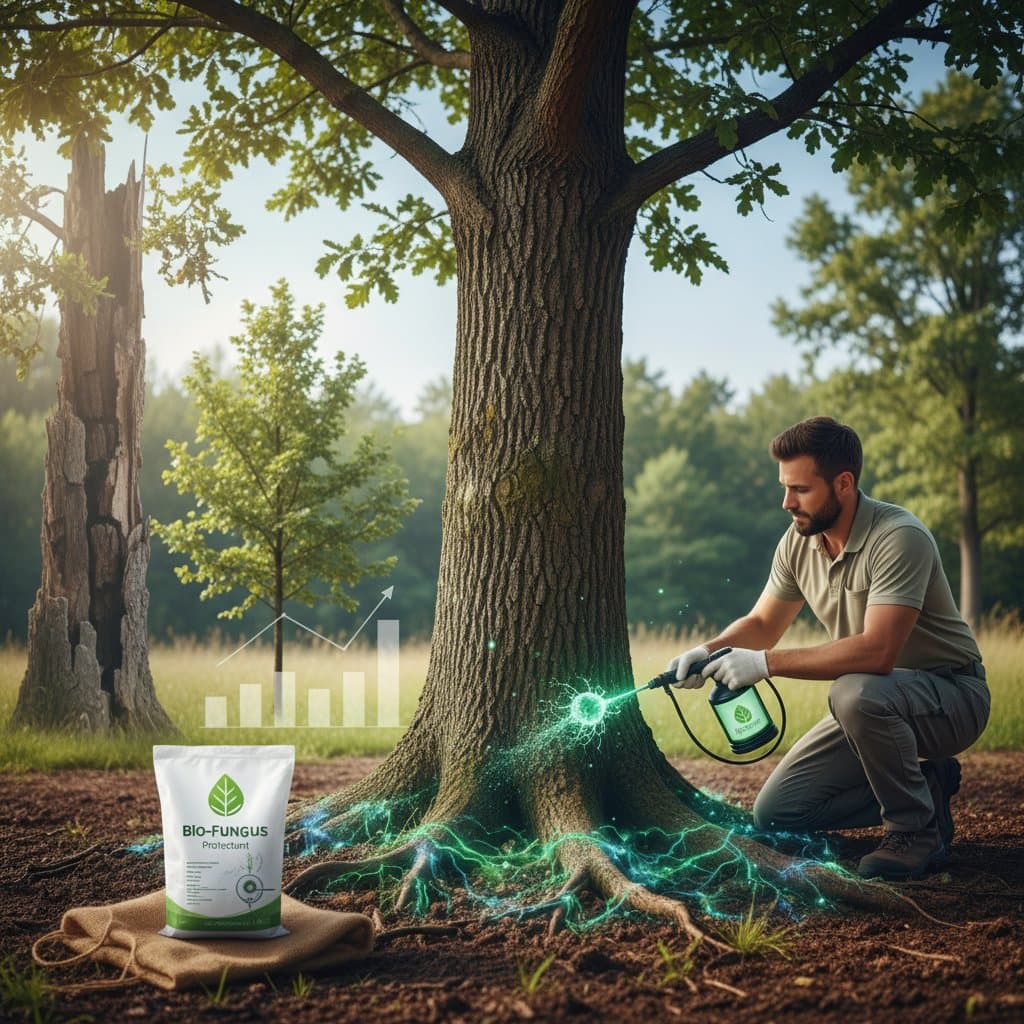
How Bio-Fungicides Slash Tree Disease Treatment Costs by 50%
Tree diseases pose significant challenges for homeowners, landscapers, and municipal managers. Conditions such as oak wilt and root rot threaten years of growth, often resulting in expensive removal and replanting efforts. The emergence of bio-fungicides, natural treatments derived from beneficial organisms, substantially lowers these management expenses while preserving landscapes in urban and rural settings.
This article examines bio-fungicides, their mechanisms, pricing structures, and advantages for sustainable disease control. Property managers overseeing backyard specimens or extensive pine stands benefit from insights that protect assets and yield financial savings.
Understanding Bio-Fungicides
A bio-fungicide consists of organic agents, including beneficial microorganisms or plant-derived substances, designed to combat harmful fungi. These products employ bacteria, fungi, or extracts that outcompete or neutralize disease-causing pathogens in trees.
Bio-fungicides align with natural processes by enhancing a tree's inherent resistance, promoting soil vitality, and decreasing reliance on frequent synthetic interventions. Arborists apply them to address prevalent issues like powdery mildew or anthracnose without disrupting ecosystems.
Pricing for Bio-Fungicide Applications
Treating a tree with bio-fungicides generally costs between $80 and $400 per tree. Factors such as tree dimensions, infection severity, and disease variety influence the final price. Property owners achieve savings of up to 50 percent over chemical alternatives, as these treatments demand fewer sessions and deliver prolonged efficacy.
| Tree Size | Average Cost Range (Per Treatment) |
|---|---|
| Small Tree (under 20 ft) | $80 - $150 |
| Medium Tree (20-40 ft) | $150 - $250 |
| Large Tree (40-60 ft) | $250 - $400 |
| Extra-Large Tree (over 60 ft) | $400+ |
These figures encompass materials, expert application, and subsequent evaluations. In contrast to conventional fungicides requiring seasonal repetitions, bio-fungicides provide superior efficiency and environmental compatibility.
Key Influences on Bio-Fungicide Expenses
Tree Dimensions
Greater tree sizes necessitate increased volumes of product and extended labor for thorough coverage. Equipment must access elevated branches, and formulation quantities scale with canopy expanse. Compact ornamental varieties incur lower charges due to simplified access.
Health Status of the Tree
Severely impacted trees demand comprehensive interventions. Compromised bark or root systems may require successive applications to restore stability. Trees in good or moderate condition recover swiftly, thereby containing expenses.
Species Characteristics
Vulnerable species like oaks, elms, and pines warrant preemptive measures against targeted fungi. Proactive applications mitigate risks for these types. Resilient varieties such as birch or magnolia typically involve minimal treatments.
Site and Access Conditions
Proximity to buildings, power lines, or thick vegetation elevates labor demands. Specialists employ advanced tools or protocols for secure administration. Open rural locations facilitate reduced pricing.
Environmental and Temporal Factors
Local weather affects bio-fungicide outcomes, with optimal results in temperate, humid conditions that nurture beneficial microbes. Certain areas benefit from timed reapplications to sustain potency, contributing slightly to yearly outlays.
Treatment Timeliness
Rapid-response applications for advancing infections or structurally unstable trees command premium rates. Routine assessments enable early detection, averting escalated interventions.
Steps in the Bio-Fungicide Application Process
Certified arborists adhere to a structured protocol for optimal outcomes. The following outlines essential phases:
-
Diagnostic Evaluation
Arborists examine foliage, bark, and root systems, collecting samples or conducting soil analyses to pinpoint the fungus. -
Customized Plan Development
Following diagnosis, professionals detail the strategy, specifying product selection, schedule, and projected expenses. -
Site Preparation and Delivery
Clear obstacles from the vicinity, then deploy the bio-fungicide via spraying, drenching, or injection tailored to the infection site. -
Progress Tracking
Scheduled reviews assess advancement, with additional doses administered as required for complete suppression. -
Sustained Protection Measures
Ongoing surveillance and soil enhancements deter recurrence. Bio-fungicides foster balanced microbiomes for enduring safeguards.
Deciding Between Self-Application and Expert Services
Suitable Scenarios for Self-Application
Individuals may handle bio-fungicide use on compact ornamental trees or shrubs exhibiting initial symptoms. Over-the-counter sprays simplify administration for superficial concerns like leaf spotting or minor limb afflictions.
Necessity of Professional Expertise
Engage specialists for substantial trees, subterranean infections, or extensive outbreaks. Their diagnostic precision, dosing accuracy, and integration with pruning or irrigation optimize recovery prospects. Professionals minimize errors that could hinder effectiveness.
| Situation | Self-Application Suitable? | Professional Required? |
|---|---|---|
| Small ornamental trees | Yes | No |
| Large shade trees | No | Yes |
| Root or trunk infections | No | Yes |
| Minor leaf fungus | Yes | No |
| Widespread disease | No | Yes |
Selecting a Reliable Arborist for Bio-Fungicide Services
Choose providers wisely to maximize care quality and cost-effectiveness. Consider these steps:
-
Validate Qualifications
Seek certifications from accredited bodies, confirming proficiency in disease handling and safety protocols. -
Inquire on Formulations
Verify product suitability for the tree type and pathogen, ensuring targeted efficacy. -
Confirm Coverage
Require proof of liability and workers' compensation to shield against incidents or damages. -
Review Client Experiences
Solicit references or examine verified feedback highlighting successful implementations. -
Compare Proposals
Obtain three or more bids to evaluate costs, methodologies, and timelines for equitable decisions. -
Secure Follow-Up Commitments
Document monitoring or additional applications in agreements to support continuous care.
Common Inquiries on Bio-Fungicide Treatments
What is the expense for a mature oak?
Applications for large oaks range from $250 to $400 per session. Height, infection extent, and site factors determine costs. Annual dual treatments often secure restoration.
Do bio-fungicides cost less than synthetics?
Affirmative; they halve overall expenditures through extended duration, reduced visits, and soil enhancements that curb reinfestations.
Can they resolve severe infections?
Early intervention yields best results. Advanced cases may need adjunct measures like pruning, though bio-fungicides halt progression. Consult arborists for viability assessments.
Optimal application timing?
Administer during temperate periods with adequate moisture to activate microbes. Spring and early fall align with nutrient flows for superior uptake.
Are they safe for pollinators?
Yes; natural compositions spare beneficial insects, birds, and bees while isolating pathogenic fungi.
Does insurance cover these treatments?
Policies typically exclude preventive maintenance like bio-fungicides, treating them as routine upkeep rather than damage remediation.
Building Lasting Tree Resilience
Bio-fungicides advance a paradigm of economical, low-impact tree management that diminishes chemical dependency and bolsters habitats. Consistent application refines soil composition, vitalizes microbial communities, and fortifies defenses against emerging threats.
Early adoption by property stewards translates to diminished upkeep budgets and vibrant surroundings. Collaborate with skilled arborists to implement protocols that nurture trees across generations, yielding fiscal and ecological dividends.