
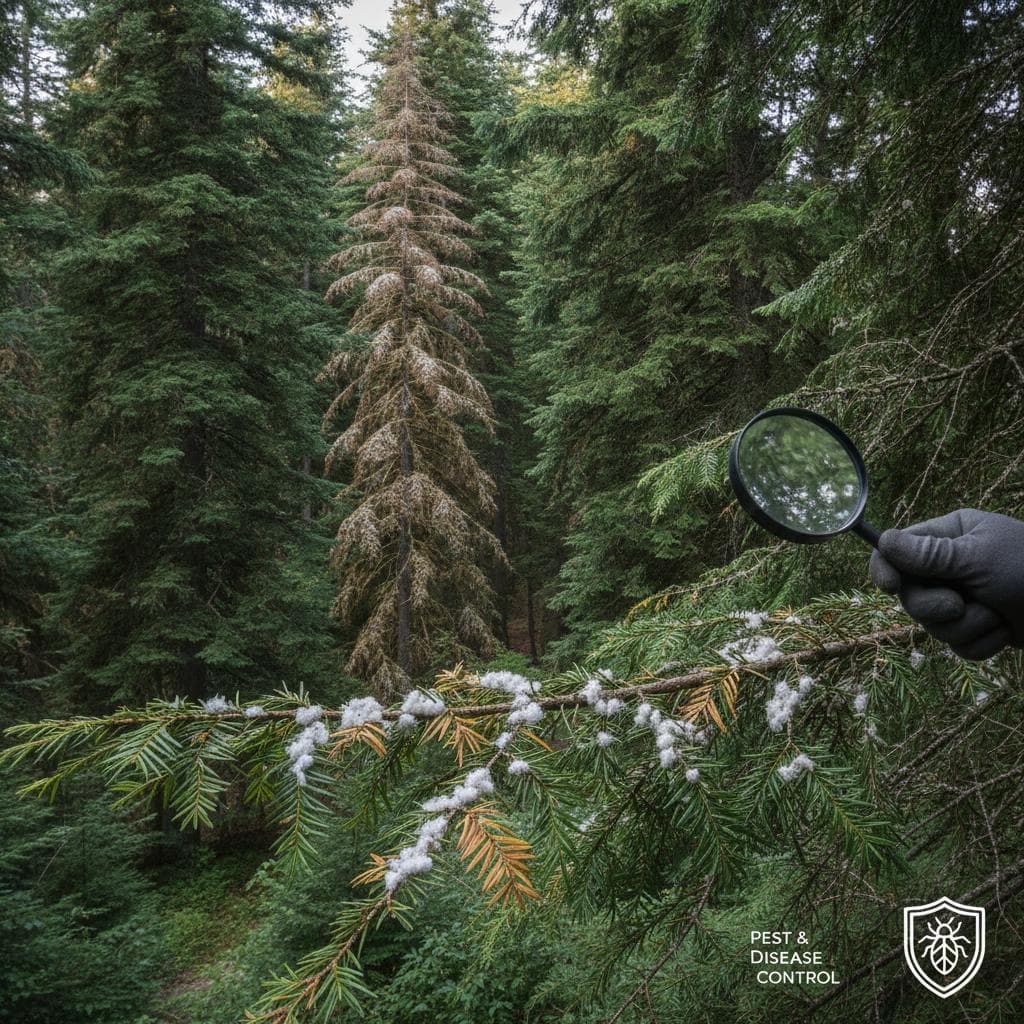
Hemlock Woolly Adelgid Hits Midwest: 2026 Treatment Rush
The hemlock woolly adelgid has reached the Midwest, leaving homeowners scrambling to protect their trees. This invasive insect can kill a mature hemlock within a few seasons if left untreated. Professional treatment costs typically range from moderate to high depending on the size and number of trees, but early intervention is far more affordable than removing dead trees later.
The spread of the hemlock woolly adelgid is a serious threat to both landscapes and local ecosystems. Homeowners who recognize the signs early can save their trees and avoid costly removal. This article explains how to identify infestations, what treatment options exist, and how to find trusted arborists who can help.
Understanding the Hemlock Woolly Adelgid
The hemlock woolly adelgid, often abbreviated as HWA, is a tiny aphid-like insect that feeds on the sap of hemlock trees. It attaches to the underside of twigs near the base of needles, where it forms small, white, woolly masses that look like cotton. These waxy coverings protect the insects while they feed and reproduce.
The pest originated from Asia and was introduced to North America decades ago. Without natural predators in this region, its population has expanded rapidly. Both eastern and Carolina hemlocks are highly susceptible. As the infestation spreads deeper into the Midwest, homeowners and land managers are now facing widespread damage.
Signs Your Hemlocks Are Infested
Early detection is critical for saving a tree. Homeowners should inspect their hemlocks regularly, especially during late winter and early spring when the white egg sacs are most visible. Common signs include:
- White cotton-like masses on the underside of branches or twigs
- Yellowing or graying needles that eventually drop prematurely
- Thinning foliage, giving trees a sparse or transparent appearance
- Branch dieback, often starting from the lower limbs and moving upward
- Lack of new growth even during the growing season
If multiple trees show these symptoms, contact a certified arborist immediately. The longer the infestation persists, the harder and costlier it becomes to treat.
Key Factors That Influence Hemlock Treatment Costs
Hemlock woolly adelgid treatment costs vary widely. Several factors determine the total expense for a homeowner:
- Tree size and number: Larger trees require more chemical product and application time. Treating a few small hemlocks might cost a few hundred dollars, while a group of mature trees could exceed several thousand.
- Treatment method: Soil drenches, trunk injections, and foliar sprays all differ in cost and duration. Injections tend to be pricier but provide longer-lasting results.
- Accessibility: Trees located on steep slopes or in hard-to-reach areas may require extra labor or equipment.
- Severity of infestation: Early-stage infestations are cheaper to manage than advanced ones. Severely infested trees often need multiple treatments or follow-up visits.
- Local labor rates: Prices fluctuate by region, depending on the availability of certified arborists and the local cost of living.
You can expect professional treatment to range from roughly one to three dollars per inch of trunk diameter for systemic applications. Large properties with dozens of trees may qualify for volume discounts from arborists.
The Hemlock Woolly Adelgid Treatment Process
Professional arborists use several proven methods to control HWA populations. While no treatment permanently eliminates the pest, these approaches can protect trees for several years.
Step 1: Inspection and Assessment
A certified arborist will first identify the pest, estimate its severity, and examine tree health. They will also check soil moisture, surrounding vegetation, and site conditions to determine the most effective approach.
Step 2: Selecting a Treatment Method
Common treatment options include:
- Systemic insecticides: Products containing imidacloprid or dinotefuran are absorbed by the tree and kill adelgids as they feed. They can be applied as soil drenches, trunk injections, or basal sprays.
- Horticultural oil sprays: These suffocate adelgids on contact. They are most effective for small trees or light infestations.
- Biological control: Predatory beetles have been used in some areas to naturally reduce adelgid populations, though this method is slower and less predictable for individual homeowners.
Step 3: Application and Follow-Up
Once treatment begins, results are not immediate. It can take several months for insecticides to move through the tree vascular system. Arborists typically recommend reinspection every one to two years to ensure the adelgid population remains suppressed.
Step 4: Long-Term Prevention
After treatment, homeowners should continue monitoring trees regularly. Maintaining proper soil health, watering during dry periods, and minimizing stress from pruning or construction can help trees recover and resist reinfestation.
DIY vs. Hiring a Professional Arborist
Some homeowners attempt to handle mild infestations on their own using over-the-counter insecticides. While this can work for small ornamental hemlocks, professional help is strongly recommended for larger trees. Here is why:
- Safety: Applying chemicals to tall trees requires specialized equipment and protective gear.
- Effectiveness: Professionals have access to stronger systemic products not typically sold to consumers.
- Accuracy: A certified arborist knows the correct dosage and timing to ensure the insecticide reaches the adelgids.
- Tree preservation: Incorrect application can stress or even kill a tree.
DIY treatments may save money up front but can lead to higher costs if the infestation returns or trees decline. Hiring a professional provides peace of mind and often includes follow-up inspections.
How to Choose a Qualified Tree Specialist
Selecting the right expert is just as important as choosing the right treatment. When researching arborists, look for these qualifications:
- Certification: Choose a certified arborist with credentials from a recognized professional organization.
- Experience with HWA: Ask whether they have treated hemlocks for this specific pest before.
- Insurance and licensing: Confirm they carry proper insurance and pesticide application licenses.
- References and reviews: Request local references or check verified client feedback.
- Transparent pricing: Reputable companies provide written estimates and explain treatment options clearly.
A trustworthy arborist will never pressure you into unnecessary services or promise instant results. They will explain the treatment plan, expected outcomes, and maintenance schedule.
Questions Homeowners Often Ask
Can a heavily infested hemlock be saved?
In many cases, yes. If some green foliage remains, systemic insecticide treatments can often restore the tree health over time. Severely defoliated trees with extensive dieback may not recover and could require removal.
How often should I treat my hemlocks?
Most systemic treatments protect trees for three to five years. Regular inspection every year helps determine when reapplication is needed.
Are the chemicals used safe for pets and wildlife?
When applied correctly by a licensed professional, systemic insecticides pose minimal risk to pets and wildlife. The products are absorbed inside the tree rather than sprayed across surfaces.
What if I only have one hemlock tree?
Even a single tree deserves attention. Treating one tree can prevent the adelgid from spreading to neighboring properties. Many arborists offer single-tree service plans.
When is the best time to apply treatment?
Arborists typically treat hemlocks when the adelgids are actively feeding and the soil is not frozen. Timing may vary by region, so local expertise is essential.
Will removing infested branches stop the spread?
Pruning can reduce visible adelgids but will not eliminate them entirely. Proper chemical treatment is still required to kill the insects feeding deep within the tree.
Does cold weather kill the adelgid?
Cold temperatures can reduce adelgid populations in northern areas, yet they rarely eliminate established infestations. Supplemental treatment remains necessary to achieve full control.
Protecting Your Hemlocks and Landscape
The arrival of the hemlock woolly adelgid in the Midwest has created an urgent need for awareness and action. Homeowners who identify infestations early and invest in professional treatment can save their trees and preserve the natural beauty of their property.
Ready to ensure your hemlocks stay strong and pest-free? Connect with a trusted local tree care expert today to schedule an inspection and create a tailored treatment plan for your landscape.