
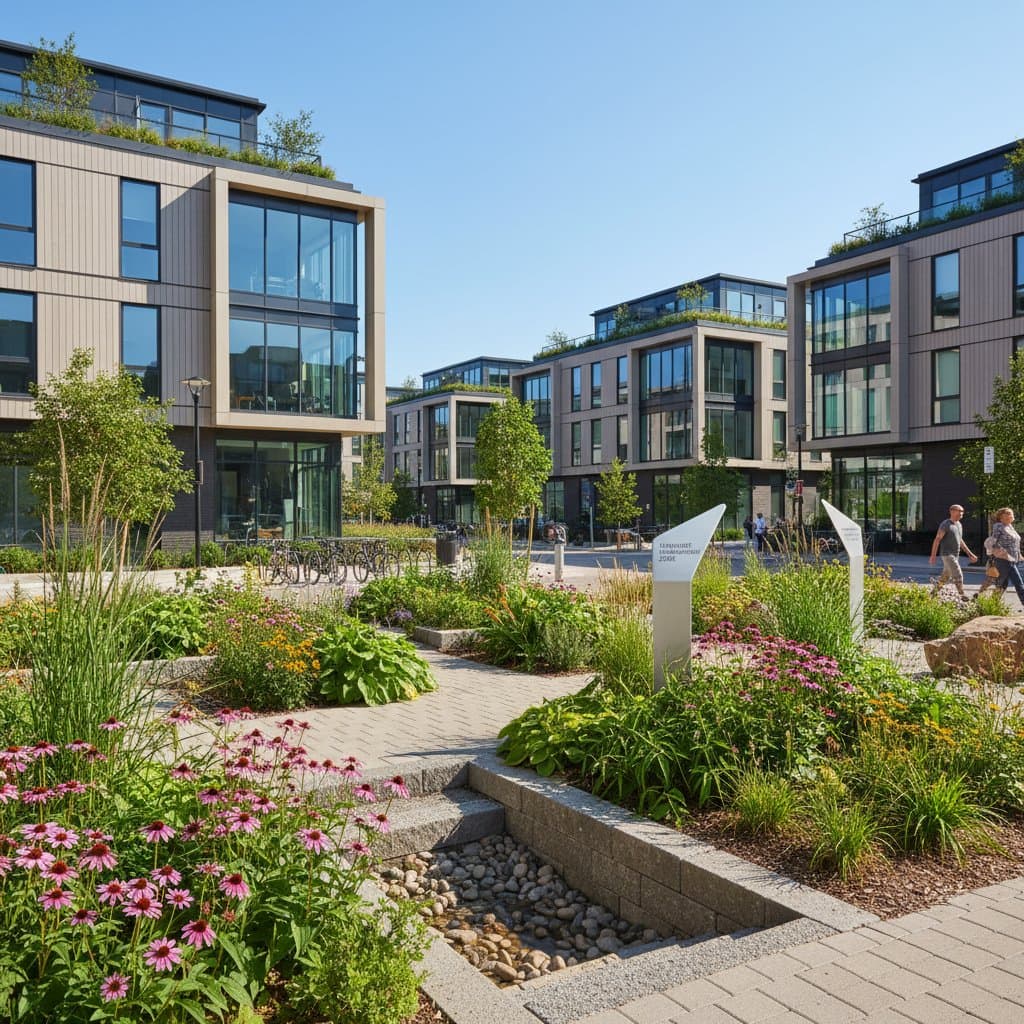
8 Cities Enforcing Rain Garden Mandates by 2027
Rain gardens represent more than a landscaping choice; they form essential components of modern stormwater management. These shallow depressions, filled with plants and amended soil, collect runoff from impervious surfaces such as roofs and driveways. The vegetation filters out pollutants, allowing water to infiltrate the ground slowly and recharge aquifers while minimizing sewer overload.
As urban flooding intensifies and water pollution rises, municipalities increasingly incorporate rain gardens into building codes. This article details eight leading cities with mandates effective by 2027. It covers implications for residents, developers, and landscape professionals, including compliance strategies and installation guidance.
Understanding Rain Garden Requirements
Municipal stormwater regulations often mandate rain gardens to address runoff challenges. These rules target new construction and significant renovations by requiring features that retain water on-site. Such measures curb erosion, enhance groundwater quality, and alleviate pressure on aging infrastructure.
Many jurisdictions offer financial support, including rebates, low-interest loans, or reduced utility fees, to encourage adoption. Compliance involves site-specific designs that align with local soil types and rainfall patterns. Developers must submit plans demonstrating how rain gardens integrate with overall drainage systems.
Leading Cities with Rain Garden Mandates
1. Seattle, Washington
Seattle leads in green infrastructure, mandating on-site management of the initial inch of rainfall for all new impervious areas. Rain gardens fulfill this by directing roof and pavement runoff into vegetated basins. The city's approach emphasizes integration with existing landscapes to maximize ecological benefits.
Core elements:
- Retention requirements for expanded hardscapes
- Preference for indigenous plants that support pollinators
- Rebates via the RainWise initiative, covering up to 100 dollars per square foot for qualifying installations
2. Portland, Oregon
Portland integrates rain gardens into its comprehensive sustainability framework, requiring infiltration for developments exceeding specified thresholds. Public projects, including street improvements, routinely feature these gardens along curbs and medians to capture roadside runoff.
Core elements:
- Infiltration mandates for sites with over 500 square feet of new impervious cover
- Green Streets program that funds community-scale implementations
- Standards for soil permeability testing and ongoing upkeep protocols
3. Minneapolis, Minnesota
In Minneapolis, rain garden rules apply to redevelopments that increase impervious surfaces by more than 50 percent. The city prioritizes installations near water bodies to safeguard lakes like those in the Chain of Lakes system from nutrient pollution.
Core elements:
- Obligations for projects disturbing over one acre
- Rebate programs offering up to 4,000 dollars for homeowner retrofits
- Focus on pollutant removal to protect regional waterways
4. Philadelphia, Pennsylvania
Philadelphia's Green City, Clean Waters initiative sets a national benchmark, demanding that 100 percent of new development runoff be managed on-site by 2036, with rain gardens as a primary tool. The program accelerates adoption through targeted funding for urban neighborhoods.
**Core elements:**n- Green infrastructure mandates for all major builds
- Grants up to 7,500 dollars for property retrofits in legacy areas
- Resources including design manuals and maintenance checklists for participants
5. Chicago, Illinois
Chicago's ordinances require stormwater plans for projects over five acres, favoring rain gardens for their dual role in detention and aesthetic enhancement. These features appear in park designs and residential lots to mitigate combined sewer overflows.
Core elements:
- Comprehensive runoff management for large-scale developments
- Utility bill credits for verified residential installations
- Incorporation into urban green spaces for broader community impact
6. Austin, Texas
Austin addresses water scarcity through zoning codes that mandate rain gardens in high-density areas, promoting recharge of the Edwards Aquifer. These systems also buffer against intense storms common in the region.
Core elements:
- Infiltration requirements in districts prone to flash flooding
- Specifications for drought-resistant native species like black-eyed Susan and switchgrass
- Fee reductions for homeowners who exceed minimum standards
7. Madison, Wisconsin
Madison's regulations compel stormwater treatment for sites over one acre, with rain gardens serving as efficient solutions due to the area's clay soils and frequent rains. Approved designs must include performance metrics for volume control.
Core elements:
- Treatment mandates for commercial and residential expansions
- Grants from the city's sustainability fund to offset costs
- Mandatory maintenance agreements outlining inspection schedules
8. Raleigh, North Carolina
Raleigh enforces rain gardens in developments within sensitive watersheds to preserve Neuse River quality. The city streamlines approvals for designs using pre-approved plant palettes and layouts.
Core elements:
- Protections for areas draining into protected streams
- Expedited reviews for submissions matching standard templates
- Training programs for local builders on construction best practices
Factors Influencing Rain Garden Costs
Installation expenses range from 5 to 15 dollars per square foot, depending on project scale. Site preparation dominates budgets, as excavation and soil testing ensure functionality. Larger basins demand more materials, while complex sites may require engineering consultations.
Soil amendments, such as adding sand to clay-heavy ground, increase costs by 20 to 30 percent. Plant choices affect long-term expenses; natives reduce watering needs and replacement frequency. Professional oversight adds value by preventing costly errors in placement or sizing.
Deciding Between DIY and Professional Installation
DIY Installation
Homeowners with gardening experience can construct modest rain gardens using hand tools and local resources. This method suits flat yards with good drainage, allowing customization to personal tastes.
Benefits:
- Savings of 40 to 60 percent on labor
- Opportunity to learn site-specific ecology
- Adaptable timelines fitting weekend schedules
Drawbacks:
- Potential for suboptimal grading leading to ponding
- Requirement for independent soil analysis
- Ongoing effort in monitoring and adjustments
Professional Installation
Experts in environmental design handle permits, hydrology assessments, and plant sourcing. They guarantee code adherence and resilience against extreme weather, ideal for sloped or urban lots.
Professionals often provide warranties, covering defects for one to three years. Their networks access bulk materials at lower rates. For compliance-driven projects, this route minimizes risks of fines or rework.
Steps to Construct a Code-Compliant Rain Garden
- Evaluate the location. Map runoff paths from downspouts and pavements to identify collection points at least 10 feet from buildings.
- Conduct soil percolation tests. Dig a 12-inch hole, saturate it overnight, then time how long six inches of water takes to drain; aim for two to five hours per inch.
- Sketch the design. Outline a saucer shape 5 to 20 feet wide, ensuring a gentle slope of one to two percent toward the center.
- Dig the depression. Remove sod and excavate to 4 to 8 inches deep, stockpiling soil for berms around the edges.
- Prepare the base. Blend in 50 percent sand and 30 percent compost with native soil to achieve a loamy mix.
- Select and plant species. Use a layered approach: deep-rooted shrubs at the bottom, perennials mid-level, and grasses at the edges for varied tolerances.
- Finish with mulch. Spread two inches of coarse organic material to suppress weeds and retain moisture during the first season.
- Establish and monitor. Water weekly for the initial month, then inspect post-rainfall to verify infiltration within 48 hours.
Strategies for Sustained Performance
Opt for plants adapted to local conditions, such as Joe-Pye weed in wetter climates or little bluestem in drier ones. Preserve soil structure by minimizing foot traffic during setup. After storms, clear debris from inlets to maintain flow efficiency.
Annual tasks include dividing overgrown plants and refreshing mulch layers. Document changes in a maintenance log to track effectiveness and inform future tweaks. Engaging neighbors in shared installations amplifies benefits across blocks.
Common Questions About Rain Gardens
Do rain gardens effectively mitigate flooding?
Rain gardens absorb up to 30 percent more water than lawns, slowing runoff and preventing basement inundations. They excel in moderate storms, holding 1,000 gallons per 100 square feet.
How much upkeep do rain gardens demand?
Established gardens need only seasonal weeding and pruning, costing 50 to 100 dollars yearly. They outperform turf in water efficiency and pest resistance.
Where on a property should I place a rain garden?
Select low spots that receive concentrated flow, ensuring at least five feet from structures. Steer clear of utility lines and high-traffic zones.
Is permitting required for rain gardens?
Many cities demand reviews for gardens over 200 square feet or tied to permitted work. Consult municipal planning offices for site plans and inspections.
What if drainage issues arise in my rain garden?
Compacted or impermeable soils cause backups; aerate and amend with organic matter. For persistent problems, add gravel overflows or consult specialists.
Are rain gardens suitable for properties with kids or animals?
Properly built, they drain quickly, avoiding mosquito breeding. Rounded edges and non-toxic plants enhance safety.
Achieving Compliance and Environmental Gains
Adopting rain gardens aligns properties with forward-thinking urban policies, yielding lower flood risks and enhanced curb appeal. In mandated cities, early integration avoids delays in approvals and leverages available incentives.
Consult local extension services for tailored advice, then partner with certified landscapers to execute designs. These investments not only meet regulations but also foster resilient, vibrant communities.