
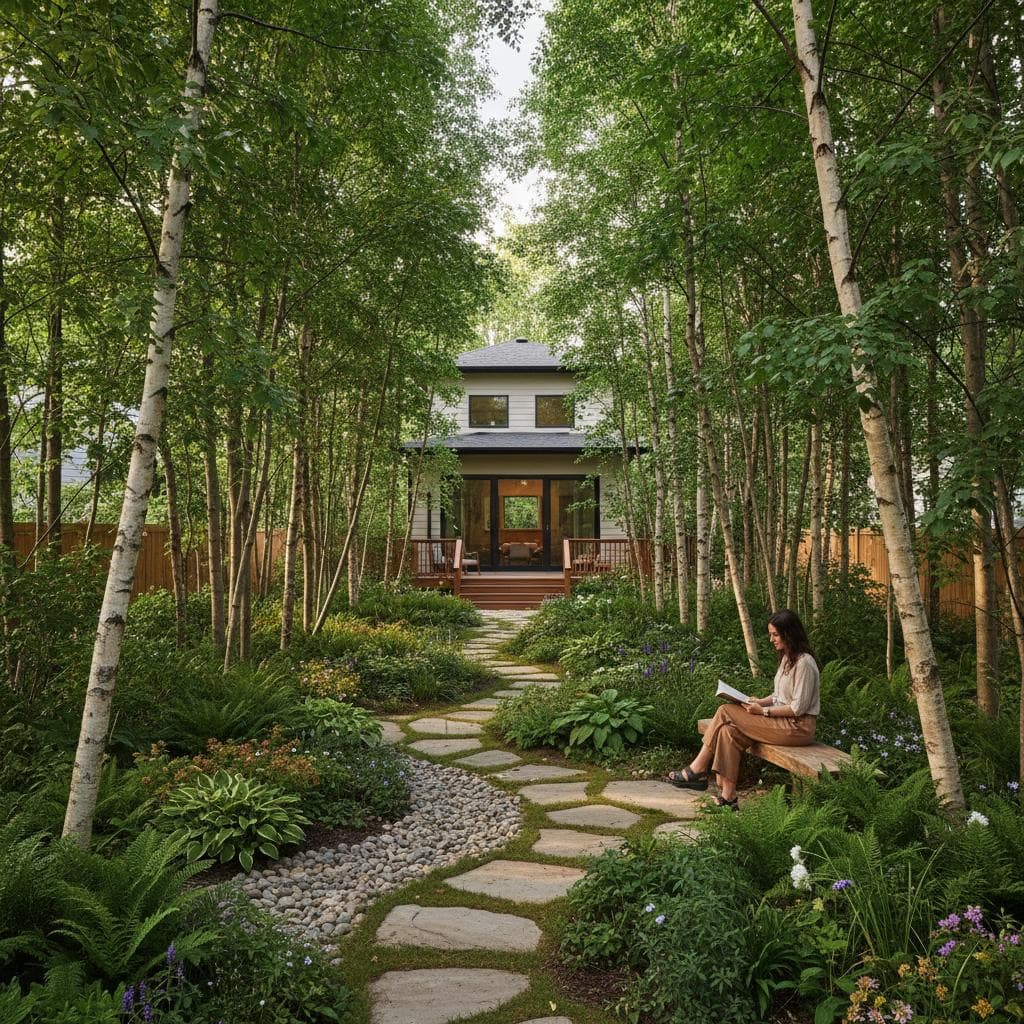
Micro-Forests Transform Suburban Landscapes: Plant 200 Trees Per Acre
Micro-forests reshape suburban environments by introducing up to 200 trees per acre into spaces previously occupied by lawns or decorative gardens. Homeowners and communities achieve dense, resilient ecosystems that grow swiftly, enhance biodiversity, combat soil erosion, and lower neighborhood temperatures through natural means.
This approach draws from principles of natural woodland development. By selecting native species and employing close-spacing techniques, these forests replicate the layered structure of established woods. Over a short period, they form canopies that offer shade, wildlife habitats, and visual appeal, fostering landscapes that support human well-being and environmental health.
The Principles of the Micro-Forest Method
The micro-forest relies on the Miyawaki method, a proven reforestation strategy designed for quick rooting and enduring strength. Rather than distributing trees at wide intervals, this technique positions three to five plants per square meter. Such proximity sparks competition for light, which promotes accelerated vertical growth and robust underground networks.
Design incorporates a variety of native elements: tall canopy trees anchor the upper level, mid-level shrubs fill the understory, and groundcovers complete the base. These components interact to build an interdependent system that demands little upkeep after initial establishment. In as few as two to three growing seasons, the planting matures into a woodland-like feature, distinct from sparse new installations.
To implement effectively, evaluate site conditions such as sunlight exposure and moisture levels. Prepare the area by testing soil pH and nutrient content, then amend as necessary to match native plant preferences. This preparation ensures the forest thrives without ongoing interventions.
Environmental and Practical Advantages of Dense Plantings
Dense tree arrangements yield benefits that surpass conventional yard designs in both ecological impact and visual harmony. Key advantages encompass:
- Swift development of overhead cover that shades surfaces and mitigates heat buildup by several degrees.
- Elevated air purification via increased oxygen release and carbon dioxide sequestration.
- Greater ecological diversity, supplying nourishment and refuge for avian species, insects, and ground-dwelling creatures.
- Effective control of excess water, with extensive roots anchoring earth and capturing precipitation.
- Attenuation of ambient sounds, contributing to a calmer residential atmosphere.
Beyond these, residents experience psychological uplift from nurturing a dynamic natural space. Such a forest converts an ordinary yard into a serene sanctuary that promotes relaxation and connection to nature.
Consider integrating paths or seating areas within the design to maximize enjoyment. Monitor early progress by noting growth rates and wildlife visits, adjusting care as the ecosystem stabilizes.
Steps to Establish a Micro-Forest in Your Yard
Successful micro-forest creation demands careful planning tailored to your property. Begin with a site assessment to determine available area, typically starting at 100 square feet for noticeable impact.
Follow these structured steps:
- Prepare the soil foundation: Till the ground to a depth of 18 inches, incorporate organic matter like leaf mold or compost, and level the surface to promote even drainage.
- Select appropriate species: Consult regional plant lists for natives such as oaks for canopy, dogwoods for understory, and ferns for ground level; aim for a 30-40-30 mix of canopy, shrub, and groundcover percentages.
- Plan the layered layout: Position tallest trees toward the rear or center for wind protection, surround with shrubs at one to two feet spacing, and edge with groundcovers to prevent weed intrusion.
- Apply mulch and establish watering: Spread a two-inch layer of bark or wood chips to conserve soil moisture, then irrigate deeply once or twice weekly for the first year, tapering as roots deepen.
Engage a certified arborist or landscape professional versed in the Miyawaki method to customize selections for your zone's hardiness and precipitation patterns. They can also advise on integrating the forest with existing features like fences or patios.
Weighing DIY Efforts Against Professional Assistance
Individuals may undertake modest micro-forest initiatives independently, sourcing plants from local nurseries and following online guides for basic setup. However, experts recommend professional involvement for larger or complex sites to avoid common pitfalls like mismatched species or inadequate soil work.
Professionals provide value through precise species matching, soil analysis, and customized watering systems that enhance survival rates to over 90 percent. While initial costs rise, long-term savings emerge from reduced maintenance and higher plant vitality.
Essential Considerations Before Planting a Micro-Forest
What budget should one allocate for a micro-forest installation?
Expenses vary from $500 for a small plot to $5,000 or more for expansive areas, factoring in plant materials, soil enhancements, and labor if hired.
When will the micro-forest appear fully developed?
Visible maturity arrives in three to five years, with full canopy closure often by year seven, outpacing standard tree plantings by decades.
Are permits necessary for such projects?
Most municipalities exempt small native plantings from permits, but verify with local zoning offices if near boundaries, waterways, or infrastructure.
Which species suit various conditions?
Prioritize locals like maples in temperate zones or mesquites in arid regions; diversify with 20 to 30 varieties to build resilience against pests and diseases.
Is a sloped terrain suitable for micro-forests?
Slopes benefit greatly, as intertwined roots fortify against landslides and runoff, though terracing may aid on steep inclines over 15 degrees.
Cultivating Sustainable Suburban Green Spaces
Micro-forests demonstrate the potential of compact urban lots to sustain rich natural systems. Through strategic dense planting of native flora, property owners foster areas that purify air, temper climate effects, and revive ecological balance.
To initiate your project, contact a nearby arborist or tree specialist. They will guide the creation of a tailored micro-forest, advancing both personal enjoyment and broader environmental stewardship.