
8 U.S. Cities Now Mandate Rain Gardens for New Construction Permits
Several municipalities across the United States have implemented requirements for rain gardens in new landscape and building permits. These measures target stormwater runoff management, flood mitigation, and waterway protection. Property owners planning construction or renovation projects in these areas must incorporate rain gardens into their designs to achieve compliance.
Such regulations highlight increasing recognition of environmental pressures from intense rainfall and urban expansion. Rain gardens function as purposeful engineering solutions that capture pollutants, replenish aquifers, and prevent sewer system overloads. Developers and residents benefit from grasping these obligations to foster resilient, eco-conscious properties.
Understanding Rain Gardens and Their Importance
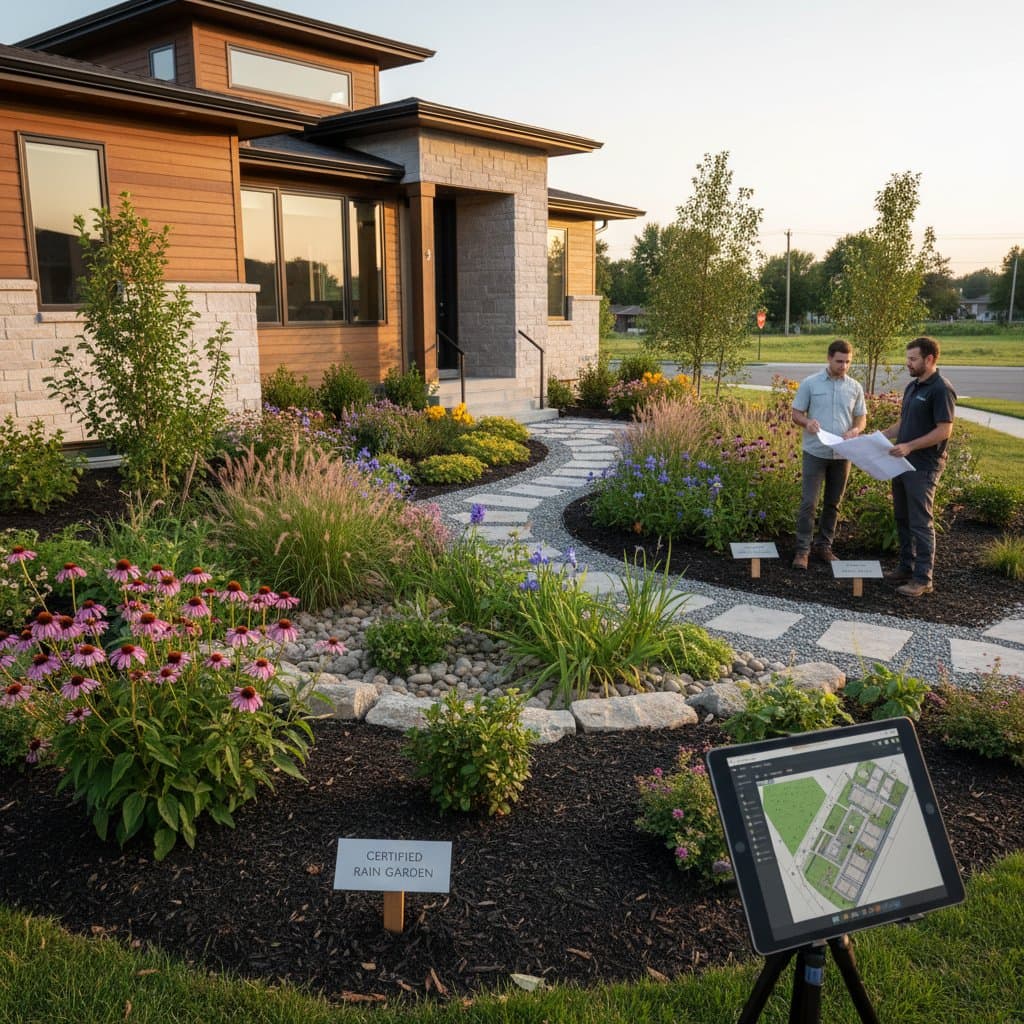
A rain garden consists of a shallow, planted basin engineered to collect and infiltrate rainwater from impervious surfaces like roofs and pavements. It employs specialized soil compositions and vegetation adapted to fluctuating moisture levels, distinguishing it from conventional gardens. Runoff water lingers briefly in the basin, percolating into the earth rather than rushing toward municipal drains.
This mechanism naturally purifies water by trapping contaminants including motor oils, lawn chemicals, and particulate matter. Consequently, downstream water bodies experience enhanced purity. Property stewards observe reduced puddling, enriched earth fertility, and heightened activity from pollinators such as bees and butterflies.
Reasons Cities Enforce Rain Garden Requirements
Intensifying urban storms strain drainage networks, as sealed surfaces impede natural absorption and generate excessive surface flow. This phenomenon transports toxins to adjacent water sources, erodes public infrastructure, and incurs substantial recovery expenses from inundation events.
Municipalities address these challenges by stipulating on-site stormwater handling through rain gardens for fresh developments. This strategy alleviates pressure on collective drainage assets while fulfilling mandates on aquatic integrity and deluge control. Provisions apply variably: some jurisdictions target all residential initiatives, others emphasize commercial or civic endeavors. Uniform objectives persist across variations, centering on runoff diminution, ecological safeguarding, and green infrastructure advancement.
The Eight Cities Pioneering These Mandates
Progressive urban centers lead adoption of rain garden policies. The following eight U.S. cities exemplify this trend, each tailoring rules to local hydrology and development patterns:
- Seattle, Washington: Requires rain gardens for sites over 5,000 square feet to manage Puget Sound watershed flows.
- Portland, Oregon: Integrates rain gardens into green stormwater infrastructure for new builds in flood-prone zones.
- Philadelphia, Pennsylvania: Mandates them under the city's comprehensive stormwater fee program to curb combined sewer overflows.
- Minneapolis, Minnesota: Enforces requirements for properties contributing to Mississippi River pollution reduction.
- Syracuse, New York: Applies rules in the Onondaga Lake restoration effort, focusing on native plant integration.
- Alexandria, Virginia: Demands rain gardens for Potomac River protection in residential and commercial permits.
- Kansas City, Missouri: Incorporates them to address urban flooding along the Missouri River basin.
- Madison, Wisconsin: Requires installations for Yahara River watershed health in expanding suburbs.
These examples illustrate diverse applications, from coastal to inland settings, underscoring adaptable policy frameworks.
Essential Design and Compliance Considerations
Municipal approvals for rain gardens hinge on adherence to precise technical and ecological criteria. Key determinants shape viable configurations:
-
Soil characteristics: Permeable sands facilitate rapid drainage; dense clays necessitate enhanced amendments or deeper profiles.
-
Terrain gradient and height: Property inclines dictate inflow dynamics and basin positioning to optimize capture.
-
Impervious surface extent: Proportional sizing ensures capacity matches contributions from structures and hardscapes.
-
Vegetation choices: Preference for indigenous species promotes ecological harmony and reduces upkeep demands.
-
Structural buffers: Mandated distances from buildings avert subsurface moisture intrusion or adjacent impacts.
Prospective builders engage landscape professionals versed in regional codes prior to permit submission. This foresight averts expensive modifications or project halts.
Advantages Extending Past Regulatory Adherence
Rain garden directives, though regulatory, yield enduring gains for stakeholders and locales. Principal outcomes encompass:
-
Inundation mitigation: Strategic placement curtails surface accumulation and sublevel water intrusion.
-
Aquatic enhancement: Inherent filtration sequesters impurities prior to drainage entry.
-
Reduced upkeep expenses: Established native flora demands minimal supplemental hydration or nutrients.
-
Visual elevation: Diverse foliage introduces vibrancy, form, and temporal variation to exteriors.
-
Faunal attraction: Habitats draw avian species, lepidopterans, and pollinators, nurturing micro-ecosystems.
Long-term, these features elevate landscape allure and asset worth, positioning them as dual-purpose assets.
Step-by-Step Rain Garden Implementation
Rain garden creation demands precision beyond standard horticulture. Professionals adhere to this sequence:
-
Site evaluation: Analyze composition, hydrology, and optimal locus through on-site review.
-
Planning: Delineate layout accounting for discharge quantum, topography, and visual intent.
-
Digging: Form a level depression to specified depth, ensuring uniform percolation.
-
Substrate conditioning: Blend indigenous material with aggregates and organics for superior permeability.
-
Vegetation deployment: Position flora in moisture-gradient bands for resilience.
-
Finishing touches: Apply organic cover and borders to conserve hydration and suppress invasives.
-
Sustainability strategy: Schedule interventions like pruning, hydration in infancy, and periodic checks.
Certified experts confirm alignment with ordinances, often submitting validations from hydrology specialists for clearance.
Weighing Self-Installation Against Expert Services
Ambitious owners may attempt personal construction for modest scales, contingent on code familiarity. Success hinges on accurate leveling, substrate tuning, and species suitability.
Engaging certified landscapers specializing in hydrology guarantees regulatory conformity and durability. Such allies manage paperwork and liaise with authorities, streamlining efforts. For expansive lots, business premises, or drainage-challenged terrains, expert involvement proves indispensable. Errors in profiling or media can provoke stagnation, vegetation loss, or scouring.
Selecting Qualified Professionals
Prioritize practitioners with validated expertise in eco-landscaping. Guidance includes:
-
Confirm credentials in horticulture or water resource oversight.
-
Review portfolios of comparable stormwater projects.
-
Verify proficiency with jurisdiction-specific protocols.
-
Obtain itemized proposals covering conceptualization, execution, and aftercare.
-
Solicit client endorsements for dependability and craftsmanship.
Competent advisors accommodate preferences, demystify complexities, and customize solutions to site particulars.
Common Queries on Rain Garden Mandates
Which permits universally demand rain gardens?
Adoption varies by locale, with expansion underway. Consult municipal offices for prevailing stipulations.
What dimensions suit a rain garden?
Scale correlates with site discharge; residential units often span 100 to 300 square feet, adjusted for roofing, earth, and pitch.
Are exotic plants permissible?
Regulations favor locals for climatic adaptation and biotic support; exotics risk noncompliance or underperformance.
How does overflow management work?
Designs feature spillways or barriers for surplus routing; recurrent issues signal need for reconfiguration.
What installation budgets anticipate?
Ranges from $1,000 to $2,000 for compact setups; complex variants surpass this, influenced by labor, materials, and scale.
What upkeep do rain gardens entail?
Initial phases require vigilant irrigation and clearing; maturity shifts to routine grooming and monitoring.
Integrating Rain Gardens into Your Project
Embrace these requirements as opportunities for resilient design. Collaborate with informed experts to navigate processes efficiently. The result fortifies properties against climate shifts while enriching communal landscapes.