
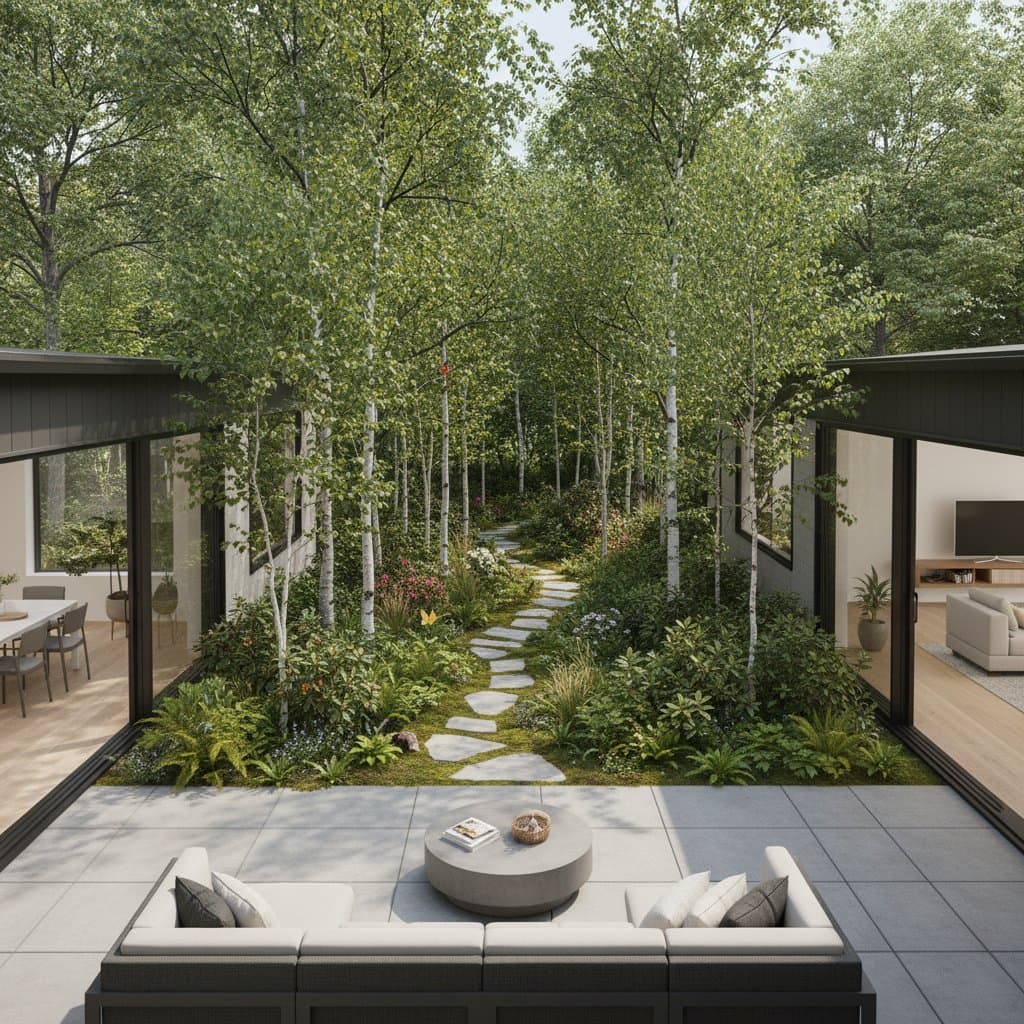
Why Homeowners Are Turning Yards into Micro-Forests
Many homeowners reevaluate traditional lawns and ornamental gardens. Wide stretches of grass demand constant watering and mowing. In their place, individuals create vibrant, self-sustaining ecosystems known as micro-forests. This approach draws from the Miyawaki method and converts small residential plots into dense woodlands of native trees, shrubs, and groundcover. These landscapes draw wildlife, enhance soil health, and mitigate urban heat while increasing property beauty and value.
This guide examines micro-forests, their mechanics, rising appeal, and steps for homeowners to initiate a shift to a regenerative yard.
What Is a Micro-Forest?
A micro-forest represents a compact, densely planted zone that replicates a natural forest's structure and diversity. It often spans just a few hundred square feet yet features layered native vegetation: canopy trees, understory shrubs, herbs, and ground plants.
The Miyawaki method underpins this concept, aimed at restoring biodiversity in degraded or urban settings. Planting native species in close proximity accelerates growth up to ten times over standard landscaping. In a few years, the area evolves into a robust habitat for birds, pollinators, and insects.
Why Micro-Forest Landscaping Gains Popularity
Homeowners embrace this method for multiple benefits. Traditional lawns necessitate extensive upkeep, fertilizers, and irrigation. A micro-forest, however, achieves self-sufficiency soon after initial setup. It delivers cooler temperatures, superior air quality, and an authentic outdoor environment.
People derive fulfillment from cultivating an ecosystem that bolsters local species and neighborhood biodiversity. In crowded urban zones, these forests dampen noise, heighten privacy, and provide serene escapes adjacent to living spaces.
Average Costs to Create a Micro-Forest
Costs for establishing a micro-forest depend on yard dimensions, plant choices, and soil work. Homeowners typically budget $10 to $25 per square foot. This covers soil enhancements, native plants, and labor if professionals assist.
| Project Size | Average Cost Range |
|---|---|
| Small Plot (under 300 sq ft) | $3,000 - $5,000 |
| Medium Yard (300-600 sq ft) | $5,000 - $12,000 |
| Large Area (over 600 sq ft) | $12,000 - $25,000+ |
The upfront expense exceeds that of sparse tree or shrub planting. Long-term reductions in water, fertilizer, and mowing expenses offset this rapidly. Established micro-forests demand far less ongoing care than lawns.
Factors Affecting the Cost of a Micro-Forest
Yard Size
Expansive areas call for greater quantities of plants and soil amendments, elevating total costs. Bulk purchasing for larger projects occasionally lowers the per-square-foot rate.
Soil Condition
Compacted or nutrient-poor soil requires additions like compost or mulch for dense growth support. Fertile, organic-rich soil minimizes preparation efforts and expenses.
Plant Selection
Native varieties prove more affordable and low-maintenance than non-natives. Pair trees such as oak, maple, or birch with shrubs like dogwood or serviceberry for resilient, layered designs adapted to regional climates.
Site Accessibility
Transporting equipment or materials across confined paths or slopes raises labor charges. Straightforward access streamlines operations and contains costs.
Professional vs. DIY Planting
Experts in the Miyawaki method guarantee optimal layouts and species combinations. DIY efforts cut expenses but demand significant time and familiarity with native flora.
The Micro-Forest Creation Process
The process integrates ecological strategies with hands-on landscaping techniques.
-
Site Assessment and Planning
Evaluate sunlight exposure, soil composition, drainage, and space constraints. Outline layers for canopy trees, understory elements, shrubs, and groundcover. -
Soil Preparation
Incorporate organic materials like compost or leaf mulch to boost fertility and percolation. Nutrient-dense soil proves essential for intensive planting. -
Selecting Native Species
Assemble diverse regional trees and plants for each layer. Aim to mirror a mature woodland's variety. -
Dense Planting
Position seedlings and saplings at three to five per square meter. This density spurs upward growth and inherent durability through competition. -
Mulching and Watering
Apply mulch to conserve moisture and curb weeds as roots develop. Provide consistent irrigation for the initial months until the canopy interconnects. -
Ongoing Care and Observation
Maintenance eases after early growth. Focus on weeding, selective pruning, and sporadic watering until self-regulation takes hold.
DIY vs. Hiring a Professional for Micro-Forest Landscaping
When to DIY
A modest micro-forest suits hands-on enthusiasts with available time and foundational horticultural skills. Consider DIY for:
- Spaces below 200 square feet
- Straightforward soil profiles
- Proximity to native plant suppliers
- Individuals adept at excavation, planting, and mulching
When to Hire a Professional
Seek experts for complex scenarios:
- Expansive or irregular terrains
- Intricate ecosystem blueprints
- Degraded or polluted soils
- Guidance on suitable native selections
- Assurance of success with tailored upkeep recommendations
Professionals craft structured forests with diverse species for enduring vitality. They often weave in elements like rain gardens, wildlife pathways, or meandering trails to elevate the yard's functionality.
How to Hire the Right Micro-Forest Service
Selecting a capable provider ensures project success. Follow these steps:
-
Check Credentials and Experience
Seek landscapers or arborists versed in the Miyawaki method or regenerative practices. Review portfolios of completed installations. -
Confirm Native Species Knowledge
Verify expertise in local biomes and recommendations for climate-compatible plants. -
Ask About Soil Testing
Insist on thorough analysis to guide precise amendments prior to planting. -
Get Multiple Quotes
Compare bids to assess value and included services. -
Review Maintenance Plans
Inquire about post-installation support for monitoring and advice during establishment. -
Request Written Agreements
Document expenses, schedules, and duties to prevent disputes.
Frequently Asked Questions (FAQs)
How long does it take for a micro-forest to mature?
A micro-forest forms a closed canopy in three to five years, outpacing traditional planting. By ten years, it mirrors a natural woodland with stratified vegetation.
What types of trees are best for a micro-forest?
Prioritize natives for seamless adaptation. Options include oak, maple, pine, elm, dogwood, and serviceberry, augmented by local shrubs and ferns.
How much space do I need to start a micro-forest?
Minimal areas suffice. A 100-square-foot zone accommodates numerous natives when planned efficiently.
Does a micro-forest attract pests or wildlife?
It draws advantageous creatures like birds, butterflies, and pollinators. Ecosystem balances typically manage insect levels through natural controls.
Will a micro-forest increase my property value?
Yes. Thoughtful natural features boost aesthetics, seclusion, and eco-appeal, attracting discerning buyers.
How much maintenance does it require after planting?
The first two years involve routine watering and weeding. As canopy develops and litter accumulates, care diminishes to occasional interventions.
Can I combine a micro-forest with other yard features?
Yes. Integrate benches, gravel walks, or ponds to foster usable, ecologically rich zones.
Steps to Launch Your Micro-Forest and Reap Enduring Benefits
Converting a yard to a micro-forest advances biodiversity restoration and environmental fortitude in built landscapes. Native selections and organic growth foster evolving, attractive spaces.
Begin with a targeted area or enlist specialists for comprehensive redesigns. Anticipate refreshed air, lush foliage, active wildlife, and deeper nature ties. This initiative invests in personal and communal well-being.