
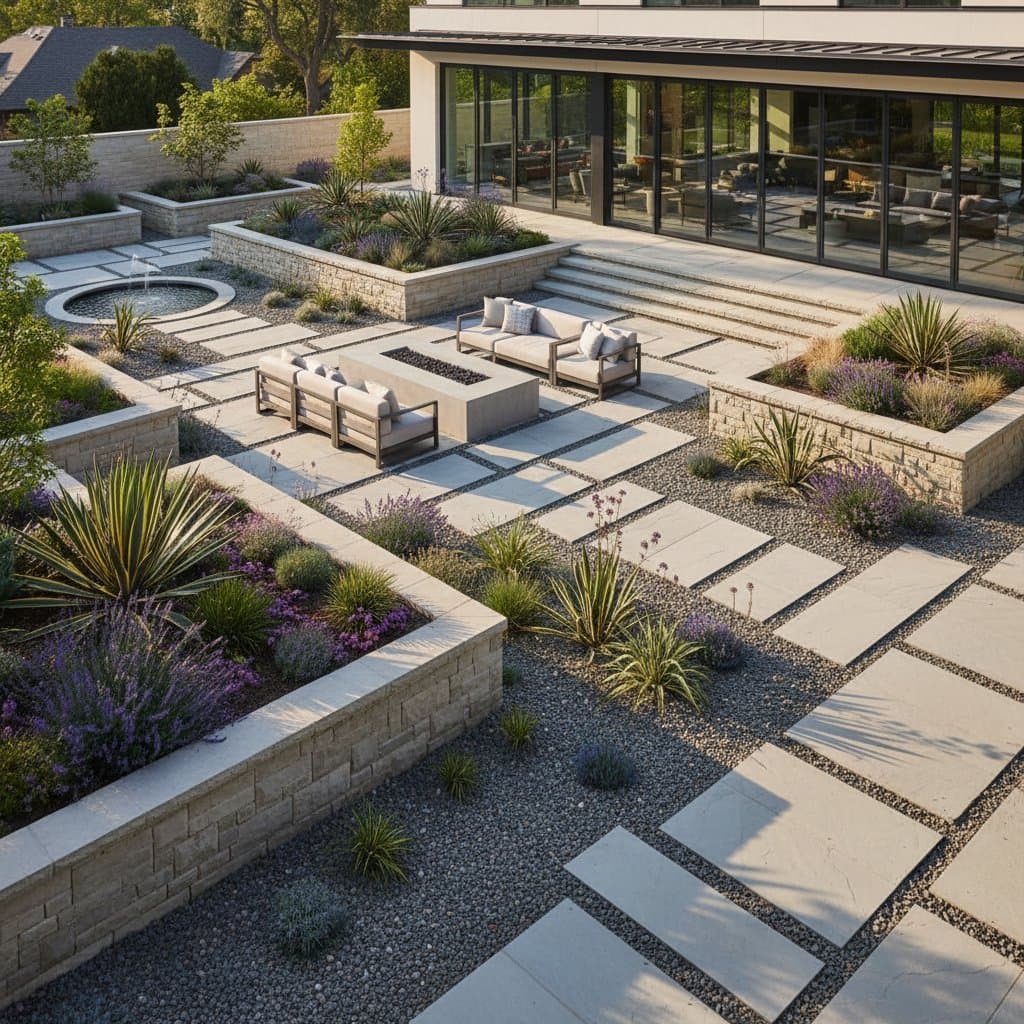
Hardscape Design That Cuts Water Bills by 60 Percent
Creating a beautiful outdoor space does not have to drain your wallet or your local water supply. With the right hardscape design, homeowners can reduce outdoor water use by up to 60 percent while maintaining a stylish and functional yard. Replacing thirsty lawns with water-efficient materials and strategic plantings delivers a landscape that looks great and saves money every month.
A well-planned hardscape design uses stone, gravel, pavers, and drought-tolerant plants to create a low-maintenance, sustainable yard. This approach conserves water while reducing upkeep, erosion, and long-term costs. Learning how to balance hardscape and softscape elements produces a lush, efficient, and budget-friendly outdoor space.
What Makes Hardscape Design Water Efficient
Hardscape design refers to the non-living features of a landscape. These include patios, walkways, retaining walls, decks, and decorative stonework. When strategically combined with drought-tolerant plants, these features significantly reduce the need for irrigation.
Water efficiency in hardscape design comes from limiting the areas that require regular watering. Lawns rank among the largest water consumers in residential landscapes. Replacing grass with gravel paths, flagstone patios, or native plant beds cuts water use dramatically. A single 500-square-foot lawn can require thousands of gallons of water each season. Replacing even half of that area with hardscape elements immediately lowers water bills.
Key Factors That Influence Water Savings
Several factors determine how much water and money you can save through hardscape design. Understanding these elements helps you plan a design that meets both aesthetic and conservation goals.
- Climate. In dry or semi-arid regions, water-efficient design is especially crucial. Materials that reflect heat and reduce evaporation perform best.
- Material Choice. Porous pavers, decomposed granite, and permeable concrete allow rainwater to soak into the soil instead of running off. This process replenishes groundwater and reduces the need for supplemental watering.
- Plant Selection. Native and drought-tolerant plants such as lavender, sage, and ornamental grasses thrive with minimal watering. When paired with efficient irrigation systems, they drastically lower water use.
- Design Layout. Grouping plants with similar water needs, known as hydrozoning, ensures irrigation is used efficiently.
- Maintenance Practices. Regular inspection of irrigation systems and timely removal of weeds or debris help maintain long-term water efficiency.
Each of these factors contributes to the overall performance of your landscape. When combined, they can reduce outdoor water consumption by as much as 60 percent or more.
Understanding Different Types of Hardscapes
Homeowners have a wide range of hardscape options that fit nearly any style or property size. The right combination turns a water-wasting yard into a sustainable retreat.
- Patios and Courtyards. These create functional outdoor living areas that require no irrigation. Materials like stone or concrete pavers are durable and attractive.
- Walkways and Driveways. Using permeable materials allows rainwater to soak into the ground. Gravel or open-jointed pavers are popular choices.
- Retaining Walls. These structures help control erosion and direct rainwater flow, making irrigation more efficient for nearby plants.
- Rock Gardens. Combining decorative stones with low-water plants such as succulents and cacti creates a stunning focal point that requires little upkeep.
- Dry Creek Beds. Designed to mimic natural water channels, these features improve drainage and reduce the need for artificial watering.
Choosing the right mix of these elements allows you to design a cohesive, water-smart landscape that still feels inviting and natural.
The Hardscape Design Process
A successful water-saving hardscape design begins with careful planning. Each phase ensures that the final result is both practical and visually appealing.
- Site Evaluation. A certified arborist or landscape designer assesses the soil, drainage, and existing vegetation. Understanding how water naturally flows through your property is essential.
- Concept Design. The designer creates a layout that balances hardscape and softscape areas. The goal is to minimize water use while maximizing functionality.
- Material Selection. Choose surfaces that match your home style and climate. Porous materials help manage runoff and support sustainability.
- Irrigation Planning. Even low-water landscapes need occasional watering. Drip irrigation systems target plant roots directly, reducing waste.
- Installation. Skilled professionals prepare the site, install materials, and ensure proper grading for drainage.
- Finishing Touches. Mulch, decorative stones, and native plants complete the design, adding texture and color without increasing water needs.
Following these steps ensures that your landscape looks beautiful, performs efficiently, and stays easy to maintain.
DIY vs. Hiring a Professional
Small projects like gravel walkways or raised garden beds can be completed independently. Larger hardscape installations often require professional expertise. Working with licensed landscapers or certified arborists ensures proper grading, drainage, and structural integrity.
DIY approaches can save on labor costs, but mistakes in slope or water management can lead to flooding, erosion, or wasted irrigation. Professionals have the tools and knowledge to design systems that maximize water conservation and comply with local regulations. For a full yard transformation, hiring a pro is usually the safest and most cost-effective route in the long run.
How to Choose a Qualified Landscape Specialist
Selecting the right specialist is key to achieving your water-saving goals. Look for professionals who are certified in sustainable landscape design or arboriculture. Ask potential contractors about their experience with xeriscaping and water-efficient systems.
Before hiring, verify proper licensing and insurance, references from previous clients, detailed cost estimates and timelines, knowledge of native and drought-tolerant plants, and experience with permeable materials and irrigation systems. A trustworthy contractor will take the time to understand your property, budget, and long-term maintenance expectations.
Common Questions About Hardscape Projects
Costs vary widely based on materials and project size. A small patio with drought-tolerant landscaping may start around a few thousand dollars, while a full yard redesign can reach higher amounts. The upfront cost is often offset by long-term savings on water and maintenance.
Many cities require permits for retaining walls, patios, or major grading changes. A professional designer or contractor can help navigate local regulations and ensure compliance. Well-executed hardscape designs often boost curb appeal and property value. Buyers appreciate low-maintenance and sustainable features that reduce utility costs.
Trees provide shade, reduce heat, and lower evaporation rates. Choose native or drought-tolerant species, and use drip irrigation to deliver water efficiently to their root zones. Project duration depends on size and complexity. Smaller patios or walkways might take a few days, while complete landscape transformations can take several weeks.
Regularly check irrigation systems, replace mulch as needed, and prune plants to maintain airflow and sunlight balance. Minimal watering and seasonal inspections keep your landscape thriving.
Implementing Your Hardscape Plan
Start by evaluating your current yard and identifying high-water-use areas. Prioritize permeable surfaces and native plants to achieve the greatest savings. Work with a qualified professional to develop a phased plan that fits your budget and timeline. Consistent maintenance ensures the design continues to deliver lower water bills and lasting beauty.