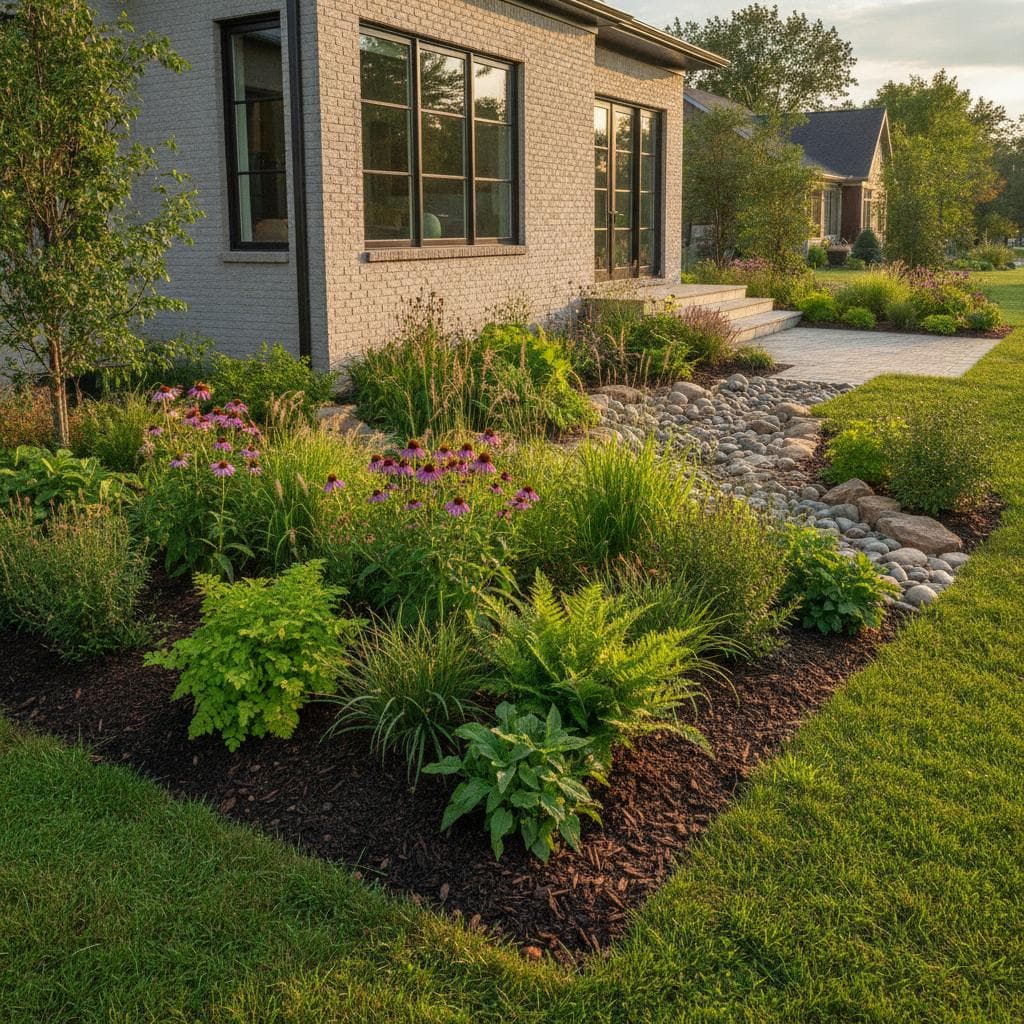
8 Cities Make Rain Gardens Mandatory by July
Eight U.S. cities require rain gardens on select properties. This guide explains costs, types, installation steps, and code compliance for homeowners.
Loading...

Eight U.S. cities require rain gardens on select properties. This guide explains costs, types, installation steps, and code compliance for homeowners.
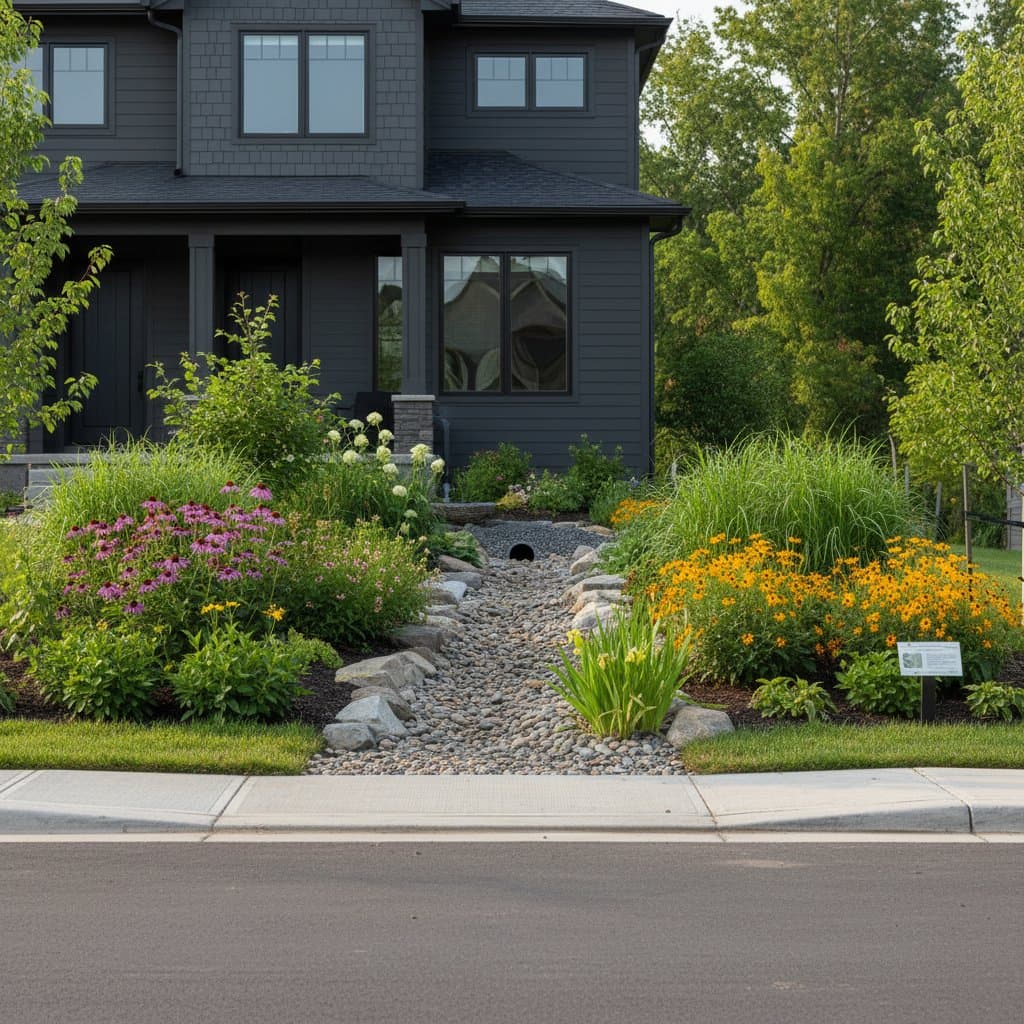
Eight leading U.S. cities mandate rain gardens by 2025 to manage stormwater runoff and elevate water quality. These natural filters combat pollution, ease flooding, and align with green initiatives.
New permeable surface regulations in eight states are revolutionizing landscaping by prioritizing eco-friendly hardscapes for superior stormwater control. This resource breaks down state-specific rules, compliance essentials, and tactics for landscapers to convert mandates into sustainable innovations, client satisfaction, and market leadership.
Rain gardens convert stormwater challenges into sustainable landscapes, reducing residential flooding by up to 60 percent. This resource details costs, design elements, and installation guidance for DIY or professional approaches, highlighting how native plants and effective drainage foster eco-friendly spaces that shield property, purify water, and elevate curb appeal throughout the year.
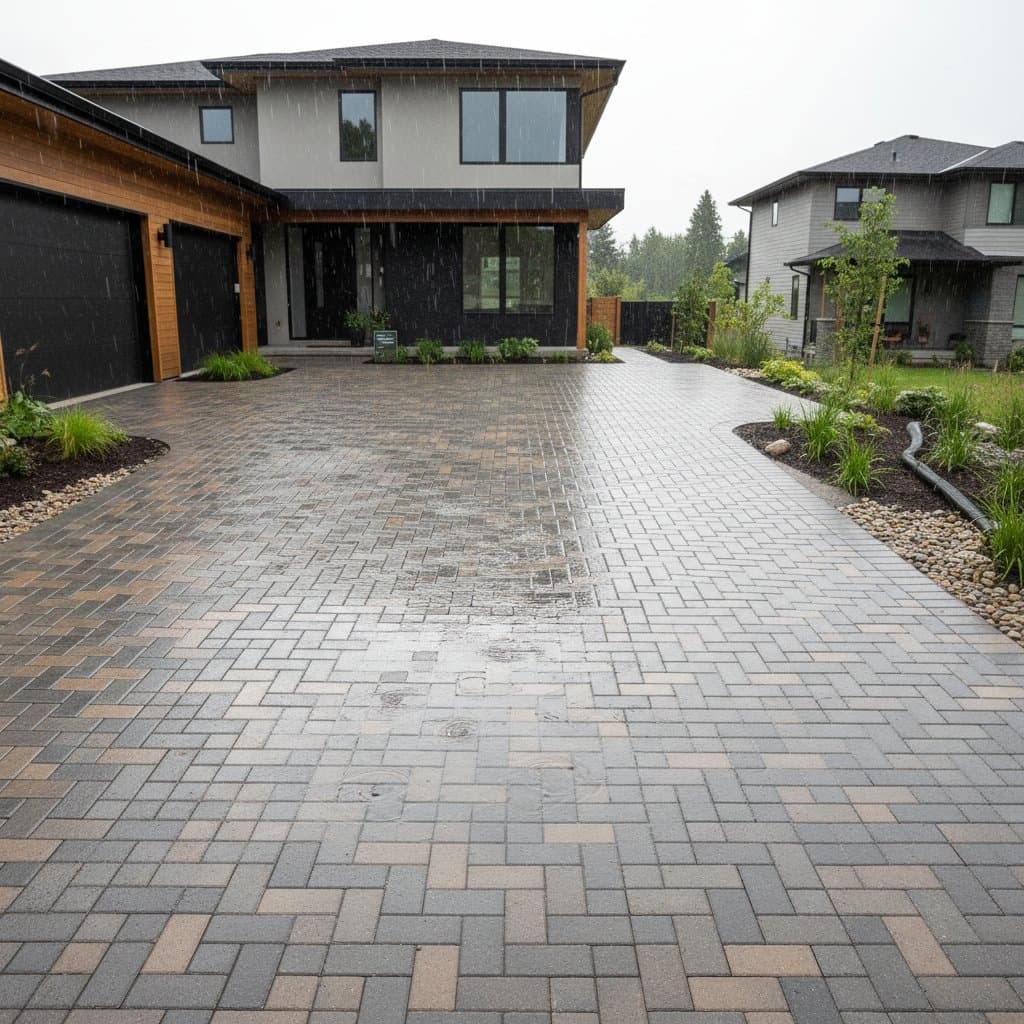
Eight states enforce permeable pavers to address flooding and optimize stormwater control. These innovative surfaces promote natural infiltration, safeguard environments, and ease infrastructure loads. Property owners gain from heightened values and regulatory alignment through informed material selection and expert setup.
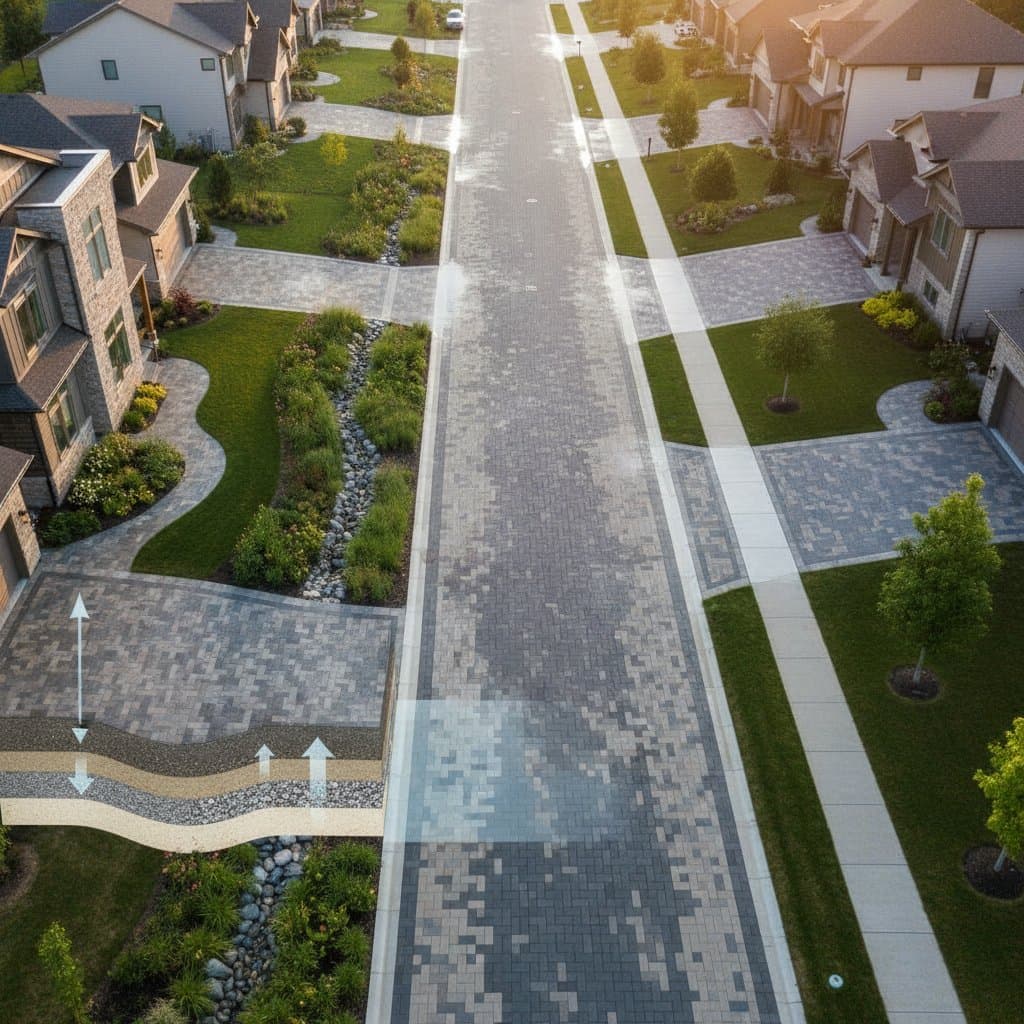
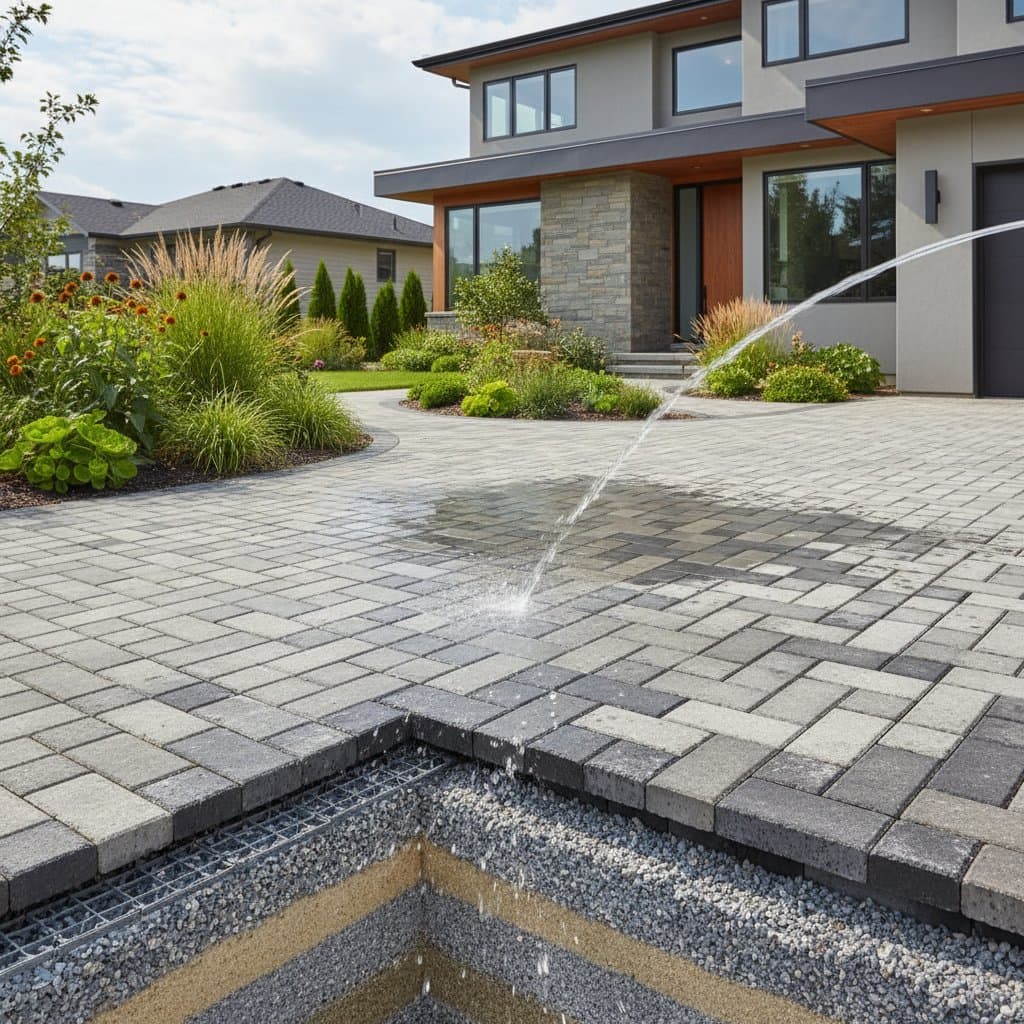
Eight forward-thinking states now mandate permeable pavers to tackle stormwater challenges, enabling rainwater infiltration that cuts flooding, purifies water, and bolsters groundwater reserves. These resilient surfaces deliver enduring value through lower maintenance, environmental protection, and adaptive drainage strategies for modern communities.
Eight states have implemented mandates for permeable pavers in stormwater management, promoting sustainable building practices. These surfaces minimize runoff, mitigate flooding risks, and safeguard water resources. Discover their mechanics, expenses, and reasons why property owners across the country adopt these durable, regulation-compliant systems.