
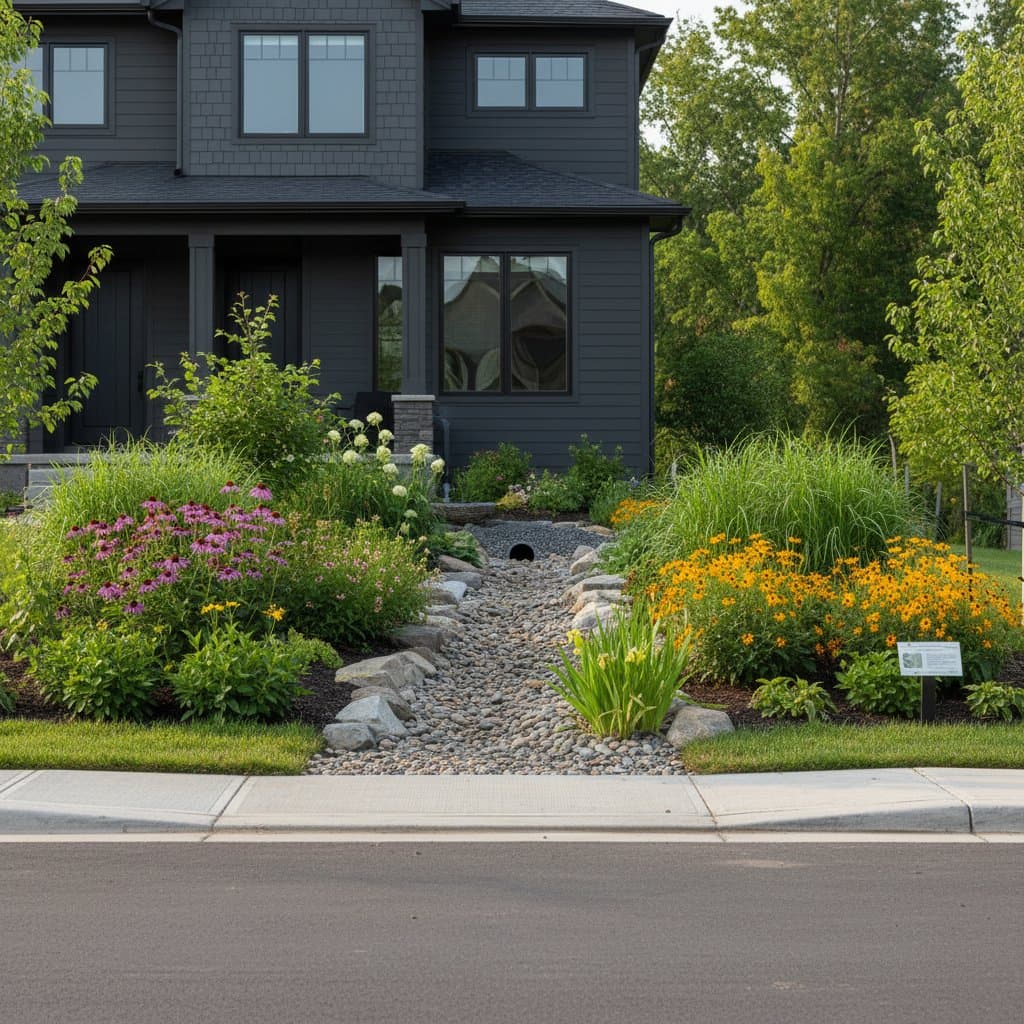
8 Cities Mandating Rain Gardens for Stormwater Management
Municipalities throughout the United States implement increasingly rigorous stormwater management regulations. These policies compel property owners to capture and treat runoff before it reaches public waterways. Among the most efficient and environmentally sound approaches is the rain garden, a shallow, planted basin that intercepts, cleanses, and absorbs precipitation. Property owners receive notices from local authorities regarding these requirements, prompting questions about implications for their landscapes.
This guide details the nature of rain gardens, identifies eight progressive cities enforcing their use, outlines their role in regulatory adherence, and addresses expenses, upkeep, and enduring advantages for residents.
Understanding Rain Gardens
A rain garden consists of a depressed, vegetated area that gathers stormwater from impervious surfaces such as roofs, driveways, and lawns. The design permits water to percolate into the soil over time, rather than rushing into municipal drains. Deep-rooted native vegetation enhances this process by facilitating absorption, removing contaminants, and stabilizing soil against erosion.
Unlike ponds, rain gardens avoid prolonged pooling of water. They process runoff through natural means, enabling communities to lessen pollution, safeguard infrastructure, and fulfill criteria for pristine water bodies.
Typical Costs for Rain Garden Installation
Installing a residential rain garden generally costs between $10 and $25 per square foot. Factors like soil characteristics, regional variations, and design intricacy determine the final price. Basic self-installed versions begin at approximately $800, whereas expansive or expert-designed installations surpass $5,000.
| Garden Size | Cost Range |
|---|---|
| Small (under 100 sq. ft.) | $800 – $2,000 |
| Medium (100–300 sq. ft.) | $2,000 – $5,000 |
| Large (over 300 sq. ft.) | $5,000 – $10,000+ |
Local governments frequently provide rebates or grants for green infrastructure, particularly when projects align with stormwater mandates.
Elements Influencing Rain Garden Expenses
Soil and Terrain Characteristics
The makeup of the soil, along with the site's gradient and existing drainage, shapes both the layout and budget. Permeable soils like sand or loam support straightforward implementation, but compacted clay demands digging or imported soil blends to achieve adequate seepage.
Scale and Design Elaboration
Expansive gardens or those incorporating varied planting sections necessitate greater earthwork, vegetation, and supplies. Additions such as ornamental gravel, retaining berms, or subsurface drains elevate expenditures.
Choice of Vegetation
Selecting indigenous species adapted to regional precipitation and earth conditions minimizes ongoing care and maximizes water uptake. Exotic or custom varieties raise upfront costs yet bolster durability over time.
Site Access and Placement
Challenging access or extensive regrading increases labor and machinery fees. In dense urban settings with constrained space, tailored compact designs require meticulous engineering, which commands premium rates.
Expert Planning and Regulatory Approval
Certain jurisdictions demand technical schematics or permits for validation. Engaging a qualified landscape architect or hydrology expert guarantees alignment with codes, though it contributes to overall outlay.
Steps in Rain Garden Construction
-
Assessment and Planning
Professionals evaluate flow paths, gutter outlets, and soil permeability. Planning encompasses determining dimensions, contours, and suitable flora. -
Soil Analysis and Digging
The designated zone undergoes excavation to a depth of 4 to 8 inches, incorporating subtle inclines for uniform spread. -
Soil Enhancement and Shaping
Organic matter or coarse aggregates integrate into the subsoil to boost drainage and fertility. The foundation levels to channel water efficiently. -
Vegetation Placement and Covering
Water-resilient native bushes, grasses, and flowers position according to tolerance levels. A layer of mulch suppresses weeds and conserves hydration. -
Surplus Water Management and Borders
A discharge channel or overflow path accommodates intense storms. Boundary elements like rocks or timber delineate the perimeter. -
Verification and Care Protocol
Regulatory bodies conduct concluding reviews to verify efficacy in absorption and outflow. Owners obtain protocols for ongoing preservation.
Reasons Eight Cities Enforce Rain Garden Requirements
Urban areas confront escalating issues from stormwater, including outdated sewers, recurrent inundations, and aquatic contamination. Consequently, several locales enact laws requiring rain gardens in fresh builds and substantial updates.
Such regulations advance ecological balance and adherence to watershed objectives. Rain gardens alleviate strain on drainage networks, curb flood risks, and enhance the vitality of nearby streams and reservoirs.
1. Seattle, Washington
Seattle promotes rain gardens in housing areas to mitigate sewer backups during storms. Rebates incentivize owners to deploy verified installations.
2. Portland, Oregon
Portland's environmental strategy mandates onsite filtration for emerging structures. Rain gardens excel in this role, backed by demonstrated runoff control.
3. Minneapolis, Minnesota
Through its water utility, Minneapolis targets sites for rain garden integration to counter hardscape effects. Credits reward compliant installations.
4. Philadelphia, Pennsylvania
The Green City, Clean Waters program leverages rain gardens for regulatory fulfillment. Redevelopments, especially commercial, must incorporate them.
5. Chicago, Illinois
In designated zones, Chicago requires rain gardens to handle downpours and shield Lake Michigan from pollutants.
6. Austin, Texas
Austin's water safeguards designate rain gardens for residential runoff treatment. Subsidies ease financial burdens.
7. Raleigh, North Carolina
Raleigh's guidelines endorse rain gardens as a prime practice for builders and residents alike.
8. San Francisco, California
Sustainability targets in San Francisco compel new builds and major alterations to retain stormwater via rain gardens or equivalents.
Self-Installation Versus Expert Services
| Method | Ideal Scenarios | Essential Factors |
|---|---|---|
| Self-Installation | Best for modest setups under 100 square feet with uncomplicated hydrology | Demands foundational gardening knowledge, physical digging, and familiarity with local flora |
| Expert Services | Essential for regulated initiatives, sizable plots, or problematic sites | Delivers precise engineering, ordinance conformity, and sustained functionality |
Self-directed projects suit minor endeavors, yet mandated areas often insist on specialist oversight or audits. A regulated specialist versed in hydrology secures full regulatory alignment.
Selecting a Rain Garden Specialist
-
Verify Qualifications
Seek experts accredited in sustainable systems or water control. Ensure coverage through insurance and active licensing. -
Review Past Work
Established providers display prior projects and client endorsements. -
Solicit Bids
Obtain detailed proposals covering digging, soil work, planting, and care advice. Steer clear of suspiciously modest offers. -
Validate Regulatory Knowledge
Confirm the specialist grasps local rules and handles submission for review. -
Obtain Upkeep Guidance
Effective installations include routines for periodic weeding, refreshing mulch, and flora renewal.
Common Inquiries
What is the expense for a medium yard rain garden?
A setup spanning 100 to 300 square feet averages $2,000 to $5,000. Variations stem from earth quality, species chosen, and workforce charges.
Do rain gardens foster mosquito populations?
Designs ensure drainage within 24 to 48 hours, eliminating breeding sites. Correct contouring and soil composition avert pooling.
Is it acceptable to incorporate non-indigenous plants?
Such plants work, but locals adapt better to climate, deter infestations, and demand less attention.
What maintenance frequency applies?
Intensive care occurs in the initial season. Established gardens benefit from annual or biannual weeding and mulching.
Do mandates cover all properties?
Requirements typically target new constructions, significant modifications, or high-impervious sites. Consult municipal water offices for specifics.
Can a rain garden boost home worth?
Thoughtful designs improve aesthetics and signal stewardship, appealing to sustainability-minded purchasers.
What penalties arise from non-compliance?
Violations invite penalties or permit holds. Proactive installation maintains property status.
Advancing Urban Resilience Through Rain Gardens
Rain gardens transcend ornamental value; they form integral components of municipal water strategies. Residents gain tools to fortify homes against weather while aiding ecological health.
With expanding adoption of such measures, familiarity with rain garden principles proves invaluable. Early implementation, informed counsel, and diligent care yield compliance alongside environmental gains. These features purify runoff, temper floods, and nurture biodiversity, fostering collaborative efforts for sustainable urban spaces.