
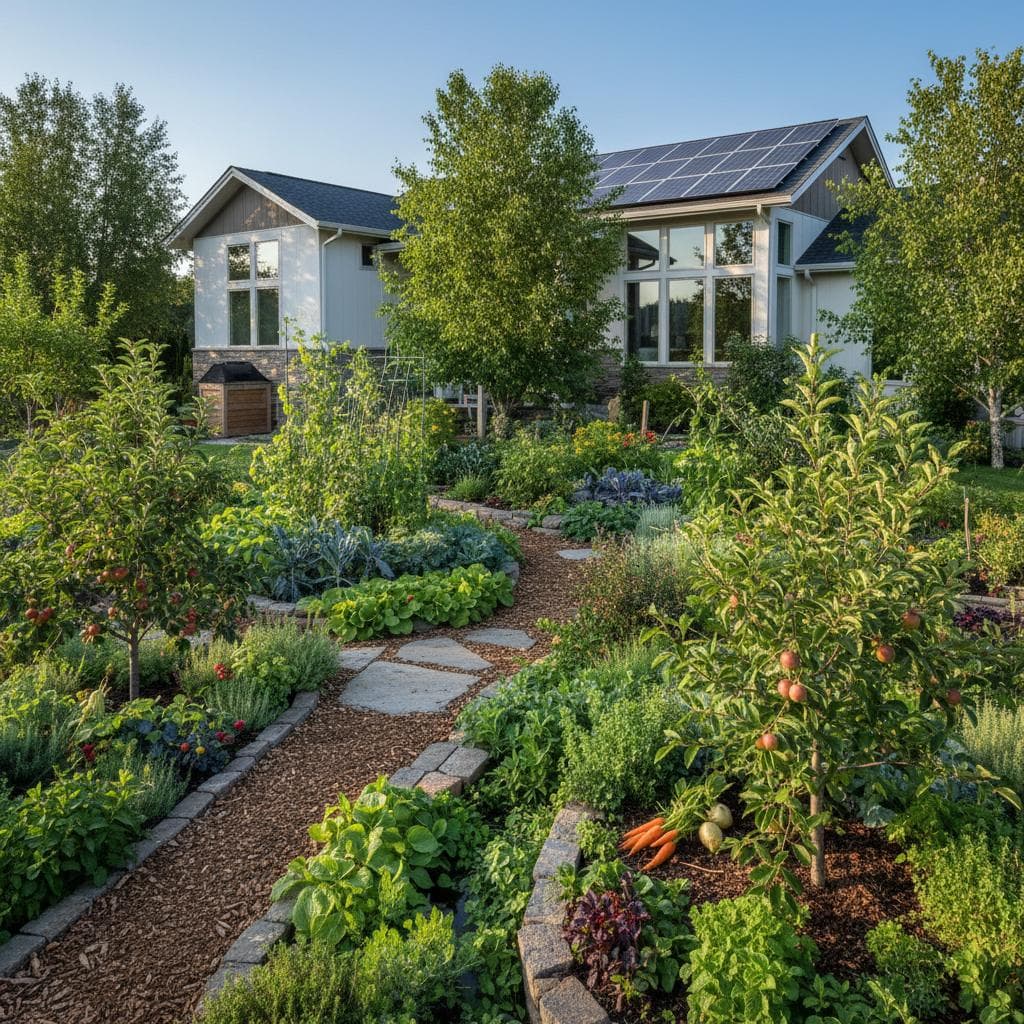
The Return on Investment from Edible Forests in Place of Lawns
Establishing an edible forest instead of a conventional lawn generates a robust return on investment. This permaculture strategy diminishes grocery expenditures, elevates property assessments, and curtails ongoing maintenance outlays. The benefits extend beyond economics to include ecological enhancements and personal fulfillment, yielding enduring advantages for homeowners and the surrounding environment.
An edible forest constitutes a multi-layered, self-regulating system that replicates a native woodland to yield food, medicinal herbs, and other resources. After initial setup, it bolsters pollinator populations, enriches soil quality, and demands substantially less irrigation and labor than standard turf. Homeowners pursuing cost reductions and sustainable practices find this shift both feasible and advantageous.
Essential Elements Affecting the Return on Investment for Edible Forests
Several quantifiable elements determine the return on investment for an edible forest. Grasping these aspects enables accurate projection of initial expenditures and sustained gains.
1. Installation Expenditures
The upfront expense for supplanting a lawn with a food forest generally falls between $8 and $20 per square foot, influenced by design intricacy, plant choices, and site soil characteristics. Engaging professional designers may increase the budget yet optimizes results through selection of regionally adapted species that demand minimal future intervention.
2. Maintenance Reductions
Conventional lawns necessitate frequent mowing, fertilization, irrigation, and pest management, accumulating considerable costs annually. In comparison, a thoughtfully designed edible forest achieves self-sufficiency within initial years. Upon maturity, it requires merely occasional pruning and mulching, potentially slashing yearly maintenance by up to 80 percent relative to grass turf.
3. Value from Food Yields
A mature food forest produces hundreds of pounds of harvestable goods each year. Scale determines output, with homeowners anticipating $500 to $2,000 in annual value from fruits, herbs, and vegetables. The assortment of perennial crops, including berries, nuts, and greens, ensures nutritional diversity and self-reliance surpassing typical gardens.
4. Water Conservation
Turf grasses consume vast quantities of water. Substituting them with deep-rooted perennials and fruit trees markedly decreases irrigation requirements. Numerous homeowners observe a reduction in water usage by half, which translates to utility bill savings and preservation of regional water supplies.
5. Enhancement of Property Value and Aesthetic Appeal
Landscaping attuned to ecological principles appeals strongly to prospective purchasers. A developed edible forest elevates visual allure and contributes tangibly to property valuation. Its distinctive, productive, and low-effort design attracts families prioritizing sustainable attributes, possibly boosting resale prices by 5 to 15 percent.
The Structural Layers of a Food Forest
Edible forests function by emulating the hierarchical composition of woodland ecosystems. Each stratum contributes to mutual support, fostering a harmonious and restorative setting.
- Canopy Stratum: Large fruit or nut trees, such as chestnut, apple, or pear, offer shade and foundational architecture.
- Sub-Canopy Stratum: Compact trees like serviceberry or dwarf citrus deliver fruit while occupying intermediate heights.
- Shrub Stratum: Berry-producing bushes, including currant, raspberry, or blueberry, flourish in dappled light.
- Herbaceous Stratum: Perennial herbs, plants attracting pollinators, and greens establish diverse understory coverage.
- Ground Cover Stratum: Trailing species like strawberries or creeping thyme safeguard soil and inhibit weed growth.
- Root Stratum: Subsurface crops such as garlic, onions, and Jerusalem artichokes exploit lower depths.
- Vine Stratum: Climbers like grapes or kiwi capitalize on vertical expanses.
Employing these seven layers optimizes yield, curtails resource loss, and nurtures advantageous insects and fauna.
Indicators That Your Property Suits a Lawn Replacement
Not all sites accommodate a comprehensive forest garden, yet certain indicators suggest readiness for transition.
- Persistent frustration with mowing and watering routines.
- Soil conditions resistant to healthy turf establishment.
- Desire for diminished yearly landscaping budgets.
- Emphasis on self-reliance and regionally sourced nutrition.
- Awareness of ecological footprints from traditional yards.
When multiple indicators resonate, adopting an edible forest represents a prudent, forward-looking choice.
Step-by-Step Guide to Installing a Food Forest
Developing an edible forest demands deliberate preparation and endurance, yet follows a clear sequence of phases.
Step 1: Site Evaluation
A qualified arborist or permaculture expert assesses soil composition, sunlight patterns, drainage features, and present flora. Pinpointing microclimates guides appropriate species selection.
Step 2: Layout and Strategy Development
Experts draft a scheme integrating visual harmony with utility. Elements such as pathways, planting areas, and water delivery are delineated. Native or climatically suitable plants receive priority to ensure low-input vitality.
Step 3: Ground Preparation
Robust soil underpins a prosperous food forest. Experts advocate sheet mulching to eliminate grass, followed by amendment with compost and organic materials for nutrient enhancement.
Step 4: Implementation of Plants
Commence with canopy and sub-canopy installations, progressing to shrubs, herbs, and covers. This phased method accelerates rooting and mitigates nutrient rivalry.
Step 5: Application of Mulch and Water Systems
Generous mulch layers retain hydration, deter weeds, and nourish microbial life. Drip lines or rainwater collection facilitate targeted watering amid arid spells.
Step 6: Sustained Management
Initial years involve consistent weeding, hydration, and trimming. As the system matures, interventions lighten considerably.
Weighing DIY Approaches Against Professional Services
Constructing a food forest offers gratifying self-directed endeavor, though complexity varies. Modest undertakings suit seasoned horticulturists, while expansive conversions profit from specialist involvement.
Advantages of DIY:
- Reduced initial financial commitment.
- Immersive educational gains.
- Complete authority over design choices.
Drawbacks of DIY:
- Demanding acquisition of expertise.
- Potential for suboptimal species or configurations.
- Extended timeline to full productivity.
Advantages of Professionals:
- Proficiency in plant synergies and soil dynamics.
- Streamlined execution and setup.
- Elevated probability of enduring success.
Drawbacks of Professionals:
- Elevated starting expenses.
- Limited scope for individual innovation.
Properties with pre-existing trees or hydrological issues warrant arborist or designer consultation to prioritize safety and efficacy.
Selecting a Competent Arborist or Permaculture Expert
The choice of specialist profoundly impacts outcomes. Prioritize these credentials and attributes:
- Formal certification in arboriculture, permaculture, or eco-landscaping.
- Proven track record in local environmental contexts.
- Forthright cost breakdowns and project schedules.
- Verifiable client testimonials and project examples.
- Adherence to safety protocols in tree handling and planting.
Essential Queries for Launching an Edible Forest Initiative
How Long Until Productivity Emerges?
Systems generate modest outputs after two to three seasons. Peak yields typically manifest post five to seven cycles, contingent on plant varieties and soil vitality.
What Minimum Space Supports Functionality?
Compact areas suffice for streamlined designs. A 200-square-foot plot can sustain herbs, berries, and a compact fruit tree through meticulous layering.
Is Integration of Decorative Elements Feasible?
Affirmative. Blend edibles with ornamentals for enhanced aesthetics. Flowers beneficial to pollinators complement fruit shrubs and herbs seamlessly.
How to Deter Pests Sans Synthetics?
Plant diversity serves as primary safeguard. Varied species draw predatory insects and avians for natural regulation. Mulch and soil practices further mitigate vulnerabilities.
Does Wildlife Attraction Pose Challenges?
Birds and minor mammals visit routinely, yet targeted strategies control access. Employ netting, barriers, and border plantings less appealing to intruders.
What Common Pitfall Should Homeowners Avoid?
Overcrowding or mismatched species selection hampers performance and invites ailments. Initiate modestly, monitor developments, and scale incrementally.
Can Forests Thrive Absent Supplemental Water?
Post-establishment, robust mulching and deep-rooted flora enable reliance on precipitation. Healthy soil fortifies drought tolerance.
Enduring Advantages of Lawn-to-Forest Conversion
Benefits from supplanting lawns with edible forests accumulate progressively. Financial efficiencies pair with ecological contributions, including heightened biodiversity, purified air, and minimized erosion. Such landscapes withstand climatic variability while eschewing synthetic inputs.
Steps to Initiate Your Transformation
Shifting from lawn to edible forest invests in ecological harmony and economic prudence. Maintenance diminishment, on-site nourishment, and value appreciation compound into compelling long-term gains.