
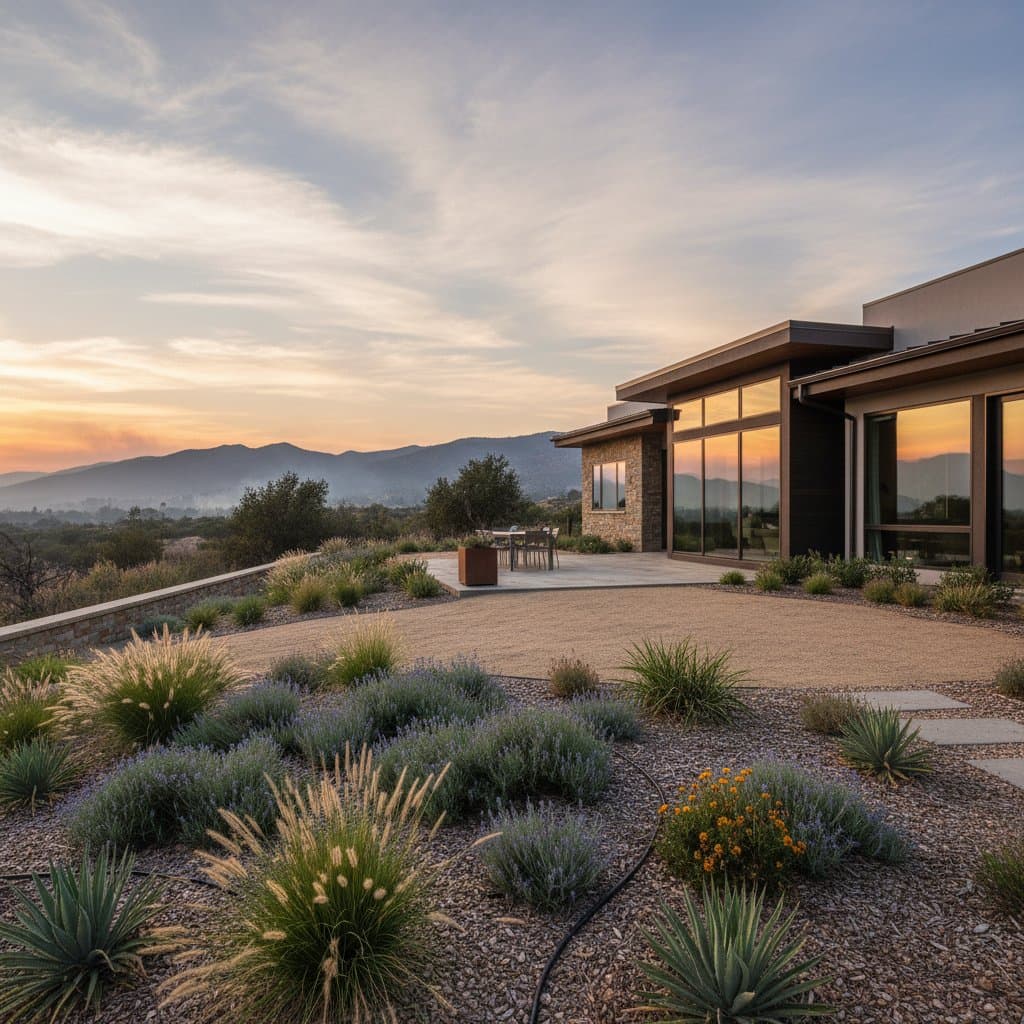
Fire-Resistant Landscaping Mandated in Eight States
Wildfires demand a reevaluation of residential landscapes, particularly in vulnerable regions. Eight states in the western and southern United States have introduced mandates requiring fire-resistant landscaping, known as firescaping, in designated high-risk zones. This method emphasizes strategic plant selection, intentional spacing, and non-flammable materials to impede fire progression and shield structures.
Homeowners gain more than mere regulatory compliance through these practices; they secure enhanced protection for lives and assets alongside thoughtfully designed exteriors. The following sections detail the essentials of firescaping, including expense breakdowns, suitable components, implementation strategies, and upkeep routines to balance aesthetics with functionality.
Fire-Resistant Landscaping Costs
National Averages
Establishing a fire-resistant landscape generally ranges from $2 to $6 per square foot, influenced by project scope, material choices, and vegetation options. Those with pre-existing gardens might incur lower expenses by modifying current elements. Comprehensive overhauls on challenging terrains, such as inclines or forested parcels, may escalate to $10 per square foot or beyond.
Such expenditures frequently yield returns via diminished fire hazards and, in select locales, discounted homeowners insurance rates.
Expenses by Scale and Scope
- Compact Yards (under 1,000 square feet): $2,000 to $6,000
- Moderate Yards (1,000 to 3,000 square feet): $4,000 to $12,000
- Expansive Properties (over 3,000 square feet): $10,000 to $25,000 or higher
Initiatives incorporating irrigation enhancements, boundary walls, or rock-based features typically align with upper cost thresholds.
Influencing Cost Elements
Multiple factors determine the total outlay for firescaping projects:
- Vegetation Choices: Indigenous, water-efficient varieties prove economical over time and typically satisfy fire-resistance criteria.
- Durable Surfaces: Options like aggregate, fragmented granite, and rock terraces elevate expenses yet bolster defenses.
- Installation Expertise: Skilled labor guarantees optimal arrangement and terrain preparation.
- Water Delivery Networks: Low-flow drip setups promote hydration efficiency and deter combustion.
- Site Characteristics: Elevated or wild-adjacent lots necessitate extensive earthwork and anchoring.
- Regulatory Oversight: Certain jurisdictions impose evaluations or approvals for alterations in fire-prone districts.
Components of Fire-Resistant Landscaping
Low-Ignition Vegetation
Plants classified as fire-resistant resist rapid burning due to elevated sap content and minimal volatile compounds. Recommended selections encompass:
- Succulents: Agave and aloe varieties
- Low-Lying Covers: Ice plant or creeping thyme
- Bushes: Cotoneaster, manzanita, or California lilac
- Canopy Species: Olive, maple, or broadleaf oaks
Benefits: These options delay flame advancement, sustain visual appeal and biodiversity, and endure arid conditions.
Drawbacks: Routine trimming and debris clearance remain essential; adaptability varies by climate.
Impervious Structural Features
Incorporating hardscapes forms effective barriers against encroaching flames. Gravel beds, tile surfaces, poured concrete, and masonry elements introduce varied textures while minimizing burnable areas.
Benefits: They delineate safe perimeters around buildings, demand little ongoing care, and integrate seamlessly with contemporary or natural aesthetics.
Drawbacks: Initial investments are substantial; certain finishes may amplify ambient warmth adjacent to dwellings.
Safer Ground Cover Options
Conventional organic mulches pose ignition risks. Prefer inorganic substitutes like pulverized stone, rounded pebbles, or treated woody fragments that preserve hydration without fueling blazes.
Benefits: They stabilize moisture levels, suppress unwanted growth, and hinder fire momentum.
Drawbacks: Non-organic types might overheat, impacting adjacent flora; periodic top-ups are advisable.
Water Management Solutions
Effective hydration protocols render vegetation less susceptible to sparks. Precision drip networks excel in firescaping by minimizing waste and targeting root zones directly.
Benefits: They optimize resource use, sustain vital plant turgor, and limit exposed dry matter.
Drawbacks: Systems need periodic checks for malfunctions; setup contributes to startup costs.
Self-Guided Versus Expert Implementation
Independent Execution
For modest, level plots, individuals can undertake foundational firescaping tasks. This includes clearing underbrush, laying stone trails, and introducing compliant flora per regional directives.
Hurdles: Navigating ordinances, achieving precise intervals and tiers, and handling runoff control demand careful study.
Self-directed efforts cut personnel fees but risk efficacy shortfalls without thorough forethought.
Engaging Specialists
Certified landscapers and wildfire consultants possess insights into zonal configurations, fluid dynamics, and ground fortification. They craft schemes that fulfill mandates while amplifying exterior allure.
Strengths: Proficiency in codes, accelerated timelines, specialized equipment access, and possible guarantees on work performed.
Professionals represent the prudent path for most in mandated areas, particularly on sizable or uneven sites.
Steps to Develop a Fire-Resistant Landscape
1. Evaluate Your Terrain
Survey the grounds to catalog current flora, gradients, and ignitable items proximate to edifices. Highlight encroaching limbs, parched scrub, or timber barriers abutting walls.
2. Define Protective Layers
Structure safeguards into concentric bands encircling the residence:
- Immediate Band (0 to 5 feet): Employ solely non-flammable coverings such as aggregates, rock platforms, or slab paths.
- Intermediate Band (5 to 30 feet): Plant compact, resilient species with generous gaps; cultivate mowed turf or mats.
- Outer Band (30 to 100 feet): Space out arboreal and shrubby growth, excise perished matter, and interrupt dense groupings.
3. Select Appropriate Flora
Prioritize locale-adapted, sap-rich specimens. Position upright forms distantly from the house and cluster by hydration profiles.
4. Integrate Structural Barriers
Incorporate lithic edges, pebble routes, or support barriers to compartmentalize greenspaces. These interrupt blaze paths and impose orderly patterns.
5. Enhance Water Delivery
Retrofit or install networks for steady ground dampness. Low-volume drips support conservation and vitality.
6. Sustain Through Care
Trim growth, clear litter, and scrutinize coverings and conduits biannually at minimum. Substitute faded or excessive specimens with suitable replacements.
Strategies for Enduring Protection
Clear roofing and channels of accumulations that embers could kindle. Ensure arboreal crowns retreat 10 feet from eaves. Eschew oily evergreens like juniper or pine in close proximity. Opt for ferrous or stone enclosures over timber ones adjoining buildings. Vigilantly oversee watering to avert desiccation during peak heat.
Frequently Asked Questions
What Defines Fire-Resistant Landscaping?
Firescaping deploys targeted flora, intervals, and substances to thwart ignition and curb blaze velocity. It establishes buffered areas that fortify buildings amid infernos.
Is Permitting Necessary for These Projects?
In numerous fire-vulnerable states, approvals govern changes to greenery or hardscape additions in controlled sectors. Verify with municipal fire or construction offices prior to commencement.
Which States Enforce These Requirements?
Eight states impose fire-resistant landscaping obligations in specified high-hazard locales, primarily spanning western and southern territories with elevated blaze potentials.
What Maintenance Frequency Applies?
Conduct reviews and care at least semiannually. Eliminate withered or arid remnants, shape excessive growth, and confirm water system integrity.
Can Turf Integrate into Such Designs?
Affirmative, provided it receives ample irrigation and shearing. Kept verdant and under four inches, sod functions as an ignition interrupter in parched periods.
Do Succulents Suit Fire-Resistant Applications?
Indeed. Moisture-laden types like agave, aloe, and ice plant rank highly for mat-forming roles in buffered zones.
Advancing Your Property's Resilience
Firescaping serves as a proactive safeguard and value enhancer for residences in peril zones. Adhering to fresh statutes involves astute configurations, judicious flora picks, and diligent oversight.
Seek guidance from code-savvy licensed professionals if initiation proves daunting. Their input yields regulatory-aligned, visually compelling arrangements that secure dwellings and enrich usable exteriors. Proactive measures today fortify tomorrow's sanctuary against blaze incursions.