
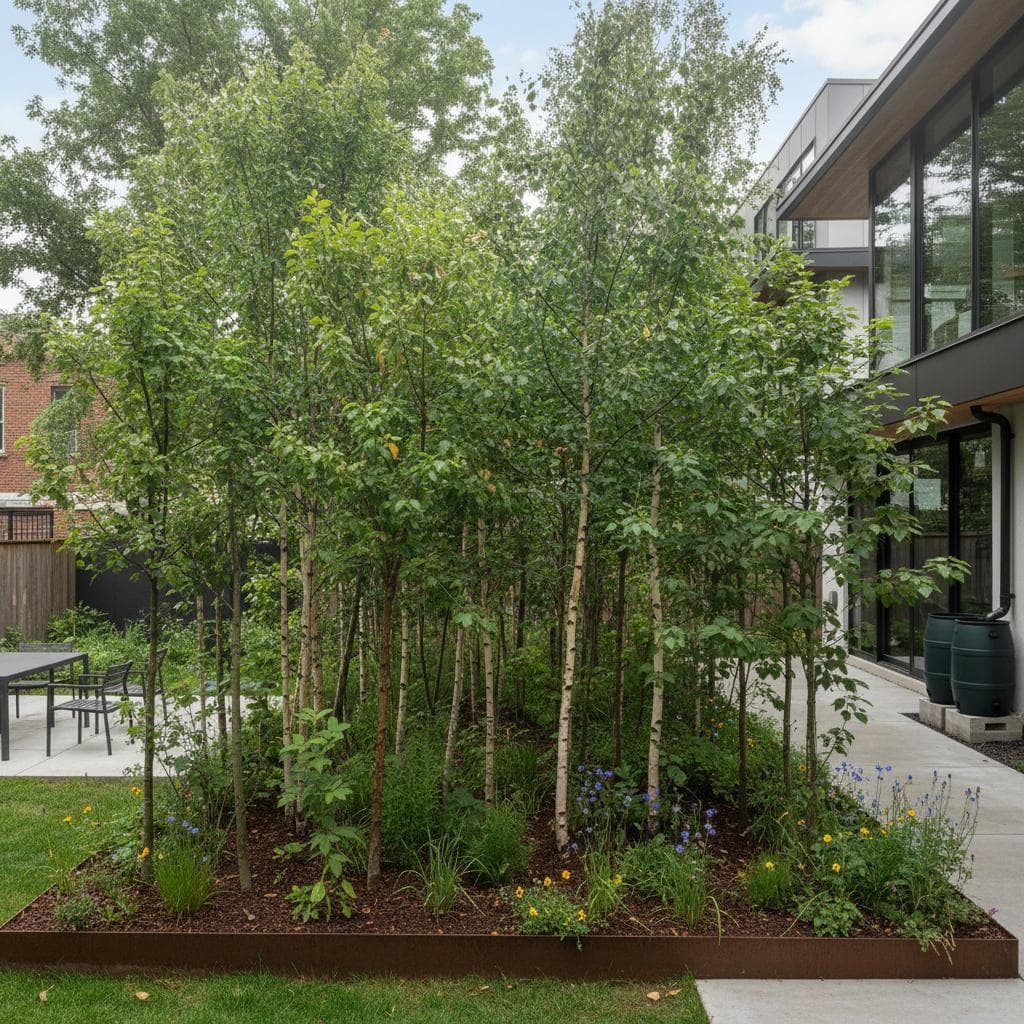
Micro-Forests Boom: 200 Trees Thrive in 600 Square Foot Yards
Homeowners transform small urban spaces into lush, thriving ecosystems through the Miyawaki method. A micro-forest accommodates up to 200 native trees and shrubs within just 600 square feet, forming a dense, self-sustaining forest that grows rapidly and restores biodiversity. In a few years, a bare patch of lawn evolves into a living green sanctuary teeming with birds, pollinators, and fresh air.
This micro-forest landscaping approach appeals to environmentally conscious homeowners. It demands careful planning, selection of native species, and soil preparation. The result offers a low-maintenance, high-impact green space that cools the environment, absorbs rainwater, and enhances mental well-being in the backyard.
Understanding the Miyawaki Method
The Miyawaki method represents a science-based tree planting technique designed to recreate natural forests in a shortened timeframe. It emphasizes planting diverse native species in close proximity to replicate the density and variety of a mature woodland. Trees compete for sunlight and nutrients, which speeds growth and fosters a self-sustaining ecosystem.
In a standard micro-forest, plant three to five young trees per square meter. This density promotes vertical growth and interconnected roots, yielding healthier, more resilient trees. Within a few years, the canopy closes, weeds diminish naturally, and soil regenerates.
Key Factors That Influence Micro-Forest Success
Multiple elements shape the establishment and vitality of a micro-forest in confined areas. Attention to these aspects elevates survival rates and secures enduring success.
- Soil health: Opt for loamy, well-drained soil enriched with compost to facilitate rapid root development. Incorporate organic matter to enhance structure and microbial activity.
- Species selection: Select trees and shrubs native to the region. These adapt seamlessly to local conditions and sustain wildlife.
- Sunlight exposure: Native species generally need partial sunlight at minimum. Assess light patterns in the yard prior to planting decisions.
- Water availability: Provide consistent moisture to young forests over the initial growing seasons. Employ drip irrigation or mulch to conserve soil moisture.
- Maintenance commitment: Focus efforts in the first two to three years. Perform regular weeding, watering, and mulching until the canopy forms.
Designing a Micro-Forest for a Small Yard
A thriving micro-forest landscape starts with a deliberate design plan. A 600-square-foot yard supports a layered forest structure when approached methodically.
- Map the space: Note sunlit and shaded zones, drainage paths, and adjacent structures. Reserve a narrow access path for upkeep or leisure.
- Prepare the soil: Eliminate turf, aerate compacted soil, and integrate compost or leaf mold. Thorough soil work aids root anchoring.
- Plan tree layers: Combine canopy trees, understory trees, shrubs, and ground covers. This layering echoes natural forests and bolsters biodiversity.
- Group by species compatibility: Position compatible species together, such as oak alongside dogwood or maple with serviceberry.
- Add mulch: Spread a generous layer of organic mulch to hold moisture, shield roots, and curb weeds.
The Micro-Forest Planting Process: Step-by-Step
Establishing a dense forest in limited space calls for accuracy. Professionals and knowledgeable homeowners follow these steps.
- Site preparation: Remove debris and analyze soil composition. Amend with compost, coco peat, or rice husk as needed.
- Species mix selection: Select 20 to 30 native species for balanced ecology. Blend fast-growing pioneers with slower-maturing, durable trees.
- Dense planting: Position seedlings approximately one foot apart. This arrangement spurs competition and robust development.
- Mulching: Layer organic mulch like wood chips or straw over the soil to maintain moisture and avert erosion.
- Initial care: Irrigate frequently and eradicate weeds in the first two years. Thereafter, the forest sustains itself with minimal intervention.
DIY vs. Hiring a Professional: What to Consider
Planting a micro-forest serves as a fulfilling DIY endeavor, yet it requires expertise and labor. A certified arborist or landscape expert streamlines design and execution, particularly with challenging soil or drainage.
DIY advantages:
- Reduced expenses
- Deeper personal bond with the environment
- Adaptable schedule
Professional advantages:
- In-depth soil and species evaluation
- Accurate spacing and ecological harmony
- Quicker setup with lower failure rates
Many homeowners benefit from a combined strategy. Engage professionals for design and soil work, then manage ongoing care personally.
Long-Term Benefits of a Backyard Micro-Forest
An established micro-forest yields profound advantages that surpass visual appeal.
- Improved air quality: Thick foliage captures pollutants and elevates oxygen production.
- Temperature regulation: A developed canopy lowers ambient temperatures and cuts energy demands.
- Rainwater management: Extensive roots capture runoff and mitigate flooding risks.
- Biodiversity boost: Native flora draws birds, butterflies, and pollinators.
- Mental wellness: Proximity to greenery alleviates stress and promotes health.
Such forests elevate property values and strengthen community environmental durability.
FAQ
How much does it cost to plant a micro-forest?
Expenses generally span a few hundred to several thousand dollars, influenced by soil amendments, plant numbers, and expert input. Sourcing local seedlings lowers costs for DIY projects.
How long does a micro-forest take to mature?
Micro-forests achieve maturity around ten years, though noticeable changes appear in two to three years. Early phases emphasize root growth and canopy development.
Can I plant a micro-forest on clay soil?
Clay soil works with amendments. Loosen it and blend in organic materials to boost drainage and air flow. Compost and leaf mulch accelerate root progress.
Will the trees damage nearby structures?
Strategic planning avoids harm. Maintain at least three feet from fences, foundations, or hardscapes. Compact native varieties suit small yards safely.
Do micro-forests require pruning?
Minimal pruning suffices once established. Trim dead or overcrowded branches sparingly to preserve natural form and density. Avoid heavy cuts that disrupt the ecosystem.
What types of trees are best for small urban forests?
Prioritize native species like red maple, serviceberry, dogwood, and hawthorn for urban settings. These offer varied heights, support wildlife, and tolerate city conditions such as pollution and limited space.
Sustaining Biodiversity Through Backyard Forests
Backyard micro-forests empower individuals to foster ecological balance. They demonstrate how modest efforts yield substantial environmental gains. Start planning today to cultivate resilience and vitality in your own space.