
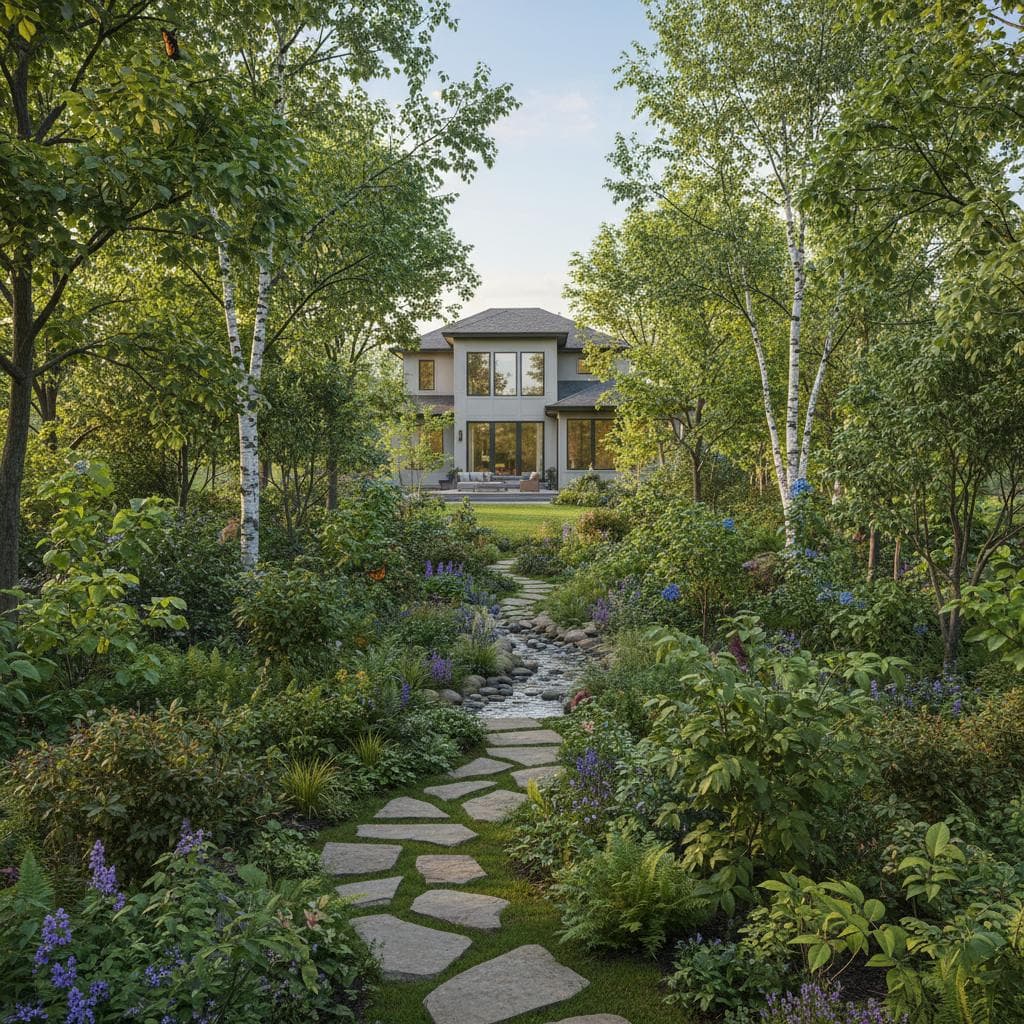
Why Miyawaki Micro-Forests Gain Popularity in Suburbs by 2026
Suburban areas evolve quickly as residents reconsider green spaces. Homeowners shift from expansive lawns demanding ongoing irrigation and upkeep to Miyawaki micro-forests. These dense, accelerated-growth forests convert modest land areas into robust ecosystems over a short period, delivering shade, improved air quality, and enhanced neighborhood connections. This overview details the appeal of the Miyawaki approach in suburban settings, its mechanics, and steps for initiating a personal project.
Understanding Miyawaki Micro-Forests
A Miyawaki micro-forest consists of densely layered native trees and shrubs arranged to replicate a mature forest's architecture. Developed by Japanese botanist Akira Miyawaki, this technique accelerates growth by up to tenfold compared to conventional methods. Such forests achieve maturity in mere years, forming independent green havens suitable for urban and suburban environments.
The approach emphasizes species diversity and organic development. Plantings incorporate numerous native types to bolster regional wildlife and rejuvenate soil vitality, rather than relying on monocultures.
Typical Expenses for Establishing a Miyawaki Micro-Forest
Establishing a Miyawaki micro-forest typically costs $10 to $30 per square foot, varying with terrain specifics and chosen flora. For standard suburban plots, overall expenses range from $3,000 to $12,000. These figures cover land clearing, soil enhancement, sapling procurement, and care through the initial two to three years.
| Plot Size | Cost Range |
|---|---|
| Small (100–300 sq ft) | $1,000–$3,000 |
| Medium (300–800 sq ft) | $3,000–$8,000 |
| Large (800–1,500 sq ft) | $8,000–$12,000+ |
Elements Influencing Miyawaki Micro-Forest Expenses
Terrain Characteristics
Soil composition, water flow, and present vegetation affect preparation demands and budgets. Suboptimal soil often necessitates amendments like compost, organic mulch, or beneficial microbes prior to planting.
Flora Choices
Indigenous species form the core, yet options such as oaks, maples, or pines carry higher prices than understory varieties. Structuring four vegetation tiers—tall canopy trees, mid-level trees, shrubs, and ground covers—promotes ecological balance but elevates upfront investments.
Site Access and Workforce Needs
Confined suburban spaces or inclined terrains hinder installation and hydration efforts. Requirements for equipment or intensive manual work correspondingly increase labor charges.
Irrigation and Upkeep Requirements
The establishment phase spans the first two years, demanding reliable moisture. Interim watering setups or regular hand-watering contribute to early outlays until self-reliance emerges.
Collaborative Efforts
Certain communities organize collective initiatives, reducing expenses via shared funding and volunteer participation. Such endeavors also cultivate environmental stewardship and social bonds.
Implementing the Miyawaki Technique
The Miyawaki process unfolds through structured stages to guarantee swift development and enduring viability.
-
Evaluate and Design the Site
Experts or prepared volunteers analyze soil properties, light exposure, runoff patterns, and spatial limits to craft a biodiversity-supporting arrangement. -
Enhance the Soil
Incorporate natural materials including compost, mulch, or rice husks to refine texture and fertility, emulating a forest's organic base. -
Choose Appropriate Species
Select 30 to 40 locally adapted varieties, positioning each to fulfill specific ecological functions from dominant canopy elements to low-lying ferns. -
Execute Dense Planting
Position saplings at intervals of three to five per square meter. This proximity spurs rivalry for resources, hastening vertical expansion. -
Apply Mulch and Provide Startup Water
Layer thick mulch to conserve hydration and deter weeds. Deliver steady irrigation over the initial two years to secure robust rooting. -
Conduct Ongoing Oversight
Perform routine checks to address intrusive growth or faltering specimens needing substitution. Established forests demand minimal intervention thereafter.
Opting for DIY or Professional Assistance
Scenarios for Self-Managed Projects
Managing a compact area below 200 square feet suits hands-on enthusiasts. Individuals with gardening interest handle soil readying, native selection, and manual planting. Regional nurseries supply advice on suitable indigenous options.
Cases for Expert Involvement
Larger areas or group ventures benefit from specialist input to achieve optimal outcomes. Certified arborists and restoration ecologists assess ground conditions, curate synergistic plant mixes, and devise efficient layering for accelerated maturation. They also navigate regulatory approvals and implement safety protocols for equipment use.
| Method | Ideal Applications | Primary Benefits |
|---|---|---|
| DIY | Compact personal yards | Reduced expenses, direct involvement |
| Professional | Expansive sites, communal efforts | Specialized design, accelerated growth, sustained viability |
Selecting a Miyawaki Specialist
-
Verify Qualifications and Track Record
Seek landscapers or arborists experienced in habitat restoration and local flora. Inquire about prior Miyawaki implementations. -
Review Examples and Endorsements
Established firms present images of finished projects alongside client feedback. -
Obtain Comprehensive Proposals
Proposals should detail soil analyses, species inventories, and care timelines. -
Validate Indigenous Plant Use
Confirm all selections align with regional ecology; exotic species risk imbalance. -
Define Care Responsibilities
Outline duties for hydration, weed control, and surveillance in the startup period. -
Secure Written Terms
Contracts safeguard against scope or budget alterations.
Common Inquiries
What expenses arise for a suburban Miyawaki forest?
Typical outlays for mid-sized yards span $3,000 to $8,000, influenced by groundwork, diversity of plants, and choice between self-effort or hired aid.
How rapidly does a Miyawaki forest develop?
Self-sufficiency arrives in two to three years, with evident stature and coverage emerging then. Maturation outpaces standard techniques significantly.
Is a small area viable for a Miyawaki forest?
Affirmative. A 100-square-foot zone accommodates dense native assemblages, thriving in limited suburban confines or shared pathways.
Do these forests draw animals?
Yes. Avian species, insects, and minor creatures flock to the varied foliage and refuge, evolving into dynamic locales within years.
Are permits necessary for planting?
Private properties seldom require them, though regulations might apply near boundaries or infrastructure. Consult municipal environmental offices beforehand.
Building Resilient Suburban Ecosystems
Miyawaki micro-forests reshape suburban terrains by supplanting barren grass with functional biomes that purify atmosphere, dampen sounds, and moderate temperatures. Homeowners gain opportunities to contribute tangibly to habitat renewal, elevating aesthetic appeal and real estate worth.
Initiating a micro-forest demands modest acreage paired with deliberate strategy. Solo efforts on small scales or collaborations with experts yield enduring, vibrant areas that enrich households and locales across decades.