
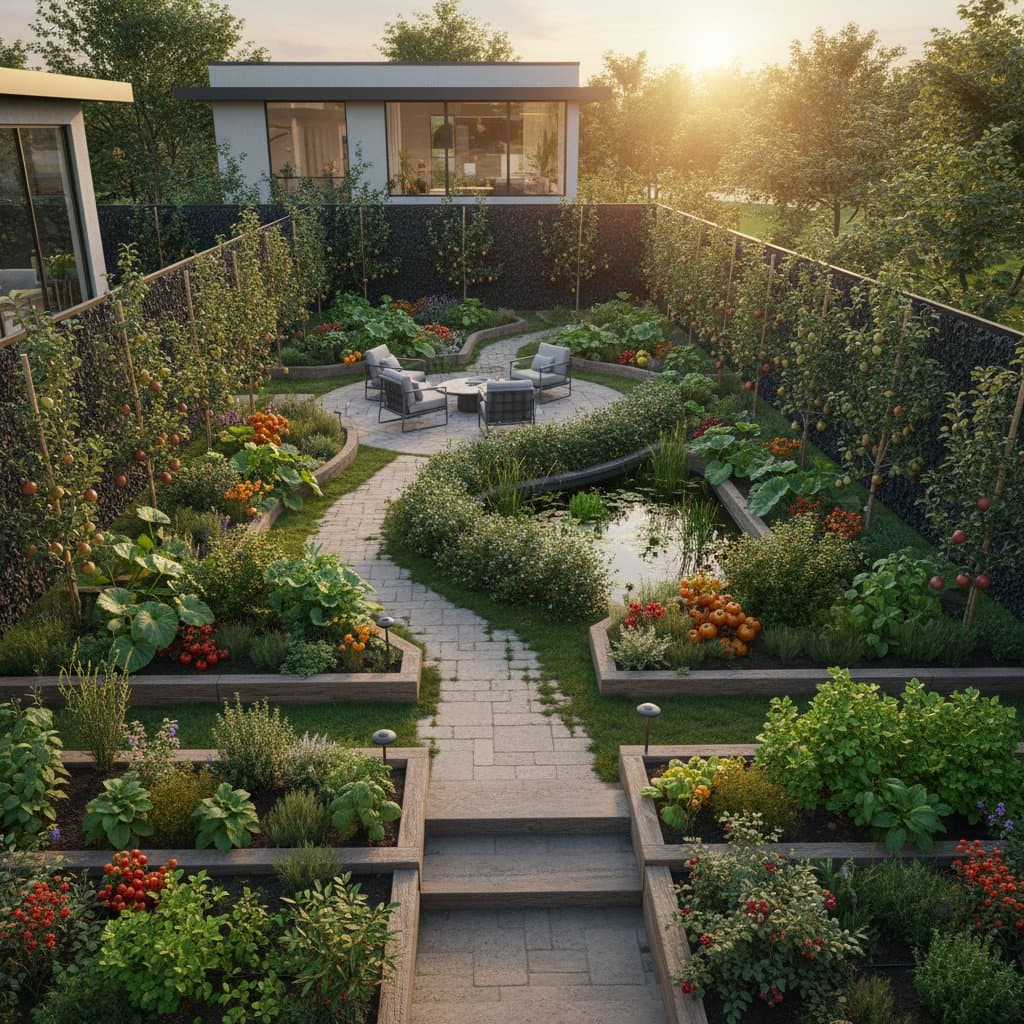
Edible Landscaping Yields 85% ROI Boost as Food Costs Rise
Rising grocery prices prompt many homeowners to reconsider yard usage. Rather than relying on ornamental plants that provide only visual appeal, individuals increasingly adopt edible landscaping. This method integrates fruit trees, herbs, and vegetables into conventional landscape designs, yielding a space that conserves funds, supplies fresh produce, and elevates property worth.
Investments in edible landscaping generate substantial returns for property owners. Studies indicate an average 85% ROI increase for thoughtfully executed edible landscapes relative to standard ones. This guide examines the elements contributing to such returns, explores various edible landscaping forms, outlines planning and upkeep procedures, and advises on engaging professional assistance.
Edible Landscaping Cost
National Average Cost
Installation costs for edible landscapes vary from moderate to high based on project extent and chosen plants. A basic residential setup featuring herbs, berry shrubs, and seasonal vegetables typically requires two to five thousand dollars. Expansive endeavors incorporating fruit trees, irrigation setups, and expert design services may exceed ten thousand dollars. Although upfront expenses exist, property owners frequently recoup investments via produce savings, fewer store visits, and enduring property enhancement.
Cost by Project Size or Type
- Small Gardens (under 500 sq. ft.): Suitable for herbs, leafy greens, and compact vegetable plots. These setups remain economical and straightforward to manage, often costing under two thousand dollars.
- Medium Landscapes (500–1500 sq. ft.): Incorporate dwarf fruit trees, elevated beds, and companion planting for enhanced aesthetics. Expenses rise with soil conditioning and watering systems, typically ranging from three to seven thousand dollars.
- Large or Full-Yard Designs: Encompass edible hedges, permaculture sections, and blended fruit groves. Expert involvement proves essential here, with costs surpassing ten thousand dollars, yet yields and value gains justify the outlay.
Key Cost Factors
- Plant Selection: Rare or delayed-maturing species demand higher initial prices. Opt for local perennials to minimize future replacements and sustain costs below average.
- Soil Preparation: Enhance subpar soil using compost and natural amendments to promote robust growth and avoid ongoing remediation expenses.
- Irrigation: Implement drip systems to optimize water use, adding five hundred to two thousand dollars upfront but reducing long-term bills by up to thirty percent.
- Labor: Engage specialists for design, planting, and care to guarantee viability, increasing budgets by twenty to fifty percent over self-managed efforts.
- Hardscaping: Integrate walkways, elevated beds, and barriers for improved form and utility, contributing ten to twenty percent of total costs.
- Maintenance: Schedule pruning, mulching, and pest oversight to preserve output, with annual expenses around five hundred dollars for moderate setups.
Types of Edible Landscaping
Edible landscaping ranges from modest herb edges to intricate food forests. Choices hinge on space availability, regional climate, and personal objectives.
Herb Borders
Herb borders employ ground-level plants such as basil, thyme, oregano, and chives as ornamental borders or accents.
Pros:
- Inexpensive setup and simple upkeep
- Steady harvests during growing seasons
- Draws pollinators to support broader garden health
Cons:
- Demands regular trimming to prevent unchecked expansion
- Certain varieties recede in winter in cooler climates
Fruit Trees and Shrubs
Selections encompass apple, peach, fig, and citrus trees alongside berry shrubs like blueberries and raspberries.
Pros:
- Enduring production and natural shading
- Striking displays from blooms to ripe fruits
- Elevates real estate appeal and market price
Cons:
- Delayed fruition, often two to five years post-planting
- Necessitates seasonal pruning and integrated pest strategies
Vegetable Beds
Vegetable beds, whether raised or embedded, accommodate rotating seasonal produce with flexible configurations.
Pros:
- Abundant output from limited space, up to ten pounds per square foot annually
- Supports crop rotation to sustain soil fertility
- Allows tailored arrangements for visual harmony
Cons:
- Involves frequent watering and monitoring
- Requires annual reseeding or replanting
Food Forests
Food forests replicate woodland structures through tiered edible layers, from tall trees to understory covers.
Pros:
- Minimal intervention after initial growth
- Natural fertility loops via fallen leaves and debris
- Fosters environments for helpful insects and birds
Cons:
- Substantial upfront design and planting investments
- Gradual maturation, full yields in three to seven years
Edible Ground Covers
Options like creeping thyme, strawberries, and clover substitute for turf, delivering harvests alongside coverage.
Pros:
- Cuts mowing frequency and irrigation demands by half
- Suppresses weeds through dense growth
- Introduces varied textures for landscape interest
Cons:
- Yields remain modest relative to dedicated plots
- Potential for rapid spread demands boundary controls
DIY vs. Hiring a Professional
Property owners weigh self-directed efforts against expert involvement based on skill levels, project scale, and time commitments.
The DIY Approach
Self-managing an edible garden offers satisfaction and cost savings. Enthusiasts frequently commence with herbs, elevated beds, or select fruit trees to build familiarity.
Challenges and Risks:
- Improper positioning or soil work diminishes output potential.
- Absent irrigation foresight causes plant dehydration.
- Inexperienced pest handling escalates issues over time.
Small-scale DIY suits beginners, enabling incremental learning and adjustments.
Hiring a Professional
Specialists in edible designs provide in-depth knowledge on layouts, site specifics, and enduring systems.
Benefits of Hiring a Pro:
- Thorough evaluation of soil and terrain for peak plant performance
- Balanced designs merging form, function, and sustainability
- Sourcing of superior stock and coordinated installation teams
- Customized upkeep schedules to secure reliable harvests
Professionals suit expansive or intricate projects, problematic terrains, or pursuits of optimal financial gains through refined executions.
How to Create an Edible Landscape
Developing an edible landscape demands deliberate assessment and sequential actions. Professionals or individuals alike benefit from this structured method.
-
Assess Your Site
Examine light exposure, soil composition, water flow, and current flora. Map sunny and shaded regions to align plants with ideal environments. -
Plan and Design
Draft layouts featuring plant tiers, access routes, and rest zones. Blend decorative and productive elements for cohesive visuals. -
Prepare the Soil
Clear invasives, aerate dense areas, and incorporate compost. Fertile soil underpins vigorous development and sustained productivity. -
Choose Your Plants
Pick climate-appropriate varieties matching daily routines. Pair lasting trees with fleeting crops for ongoing supplies. -
Install Irrigation
Deploy targeted drip lines for root-level hydration. Automation streamlines care while promoting conservation. -
Plant Strategically
Position lofty trees at rear or north edges, foregrounding shorter species. Cluster by shared hydration and illumination preferences. -
Mulch and Maintain
Apply natural coverings to hold moisture and block weeds. Prune, gather, and recycle waste to foster vitality. -
Monitor Growth and Adjust
Observe performer plants and refine arrangements annually. Iterative tuning amplifies yearly efficiency.
Tips for Success and Maintenance
Sustained edible landscapes rely on routine oversight and strategic choices. Implement these practices to uphold vitality, output, and attractiveness.
- Start Small and Expand Gradually: Initiate with defined zones to master techniques before broader implementation.
- Embrace Diversity: Integrate enduring and temporary plants for seasonal variety and natural defenses.
- Use Companion Planting: Combine synergistic pairs, like basil near tomatoes or onions beside carrots, to deter pests organically.
- Prioritize Soil Health: Apply compost biannually and limit chemical inputs to preserve microbial balance.
- Plan for Pollinators: Incorporate bloom-rich natives to bolster bee and butterfly populations, enhancing pollination rates.
Frequently Asked Questions
How much can I really save with edible landscaping?
Savings differ by scale, yet numerous owners slash food expenses through homegrown items. Pairing harvest reductions with value uplifts often achieves up to 85% ROI.
Does edible landscaping require more maintenance than traditional gardens?
Typically not. Established setups demand comparable or reduced effort versus decorative lawns. Perennials lessen replanting, while mulching curbs weed proliferation.
Can edible landscaping work in small yards or urban spaces?
Yes. Employ vertical structures, pots, and dwarf cultivars to cultivate edibles on decks, terraces, or confined lots.
What are the best low-maintenance edible plants?
Enduring herbs like rosemary, thyme, and mint pair well with trees such as figs and apples. Berry shrubs including raspberries and blueberries flourish with basic annual care.
Will edible landscaping increase my home’s value?
Indeed. Thoughtful integrations boost exterior allure and utility. Prospective buyers value the blend of aesthetics, eco-practices, and self-sufficiency.
Do I need special soil for an edible landscape?
Edibles prefer permeable, nutrient-dense mediums. Boost native soil with organic additions and mulches to support root expansion and bountiful results.
Transforming Your Yard into a Productive Asset
Edible landscaping transcends passing interest. It represents a viable strategy for converting properties into self-reliant havens. Owners realize dual advantages: nutritious yields and economic uplift, as evidenced by the 85% ROI many attain.
Evaluate your grounds today and define achievable targets. Seek edible-focused designers if complexity arises. Proper execution ensures a stunning, enduring haven of fresh bounty.