
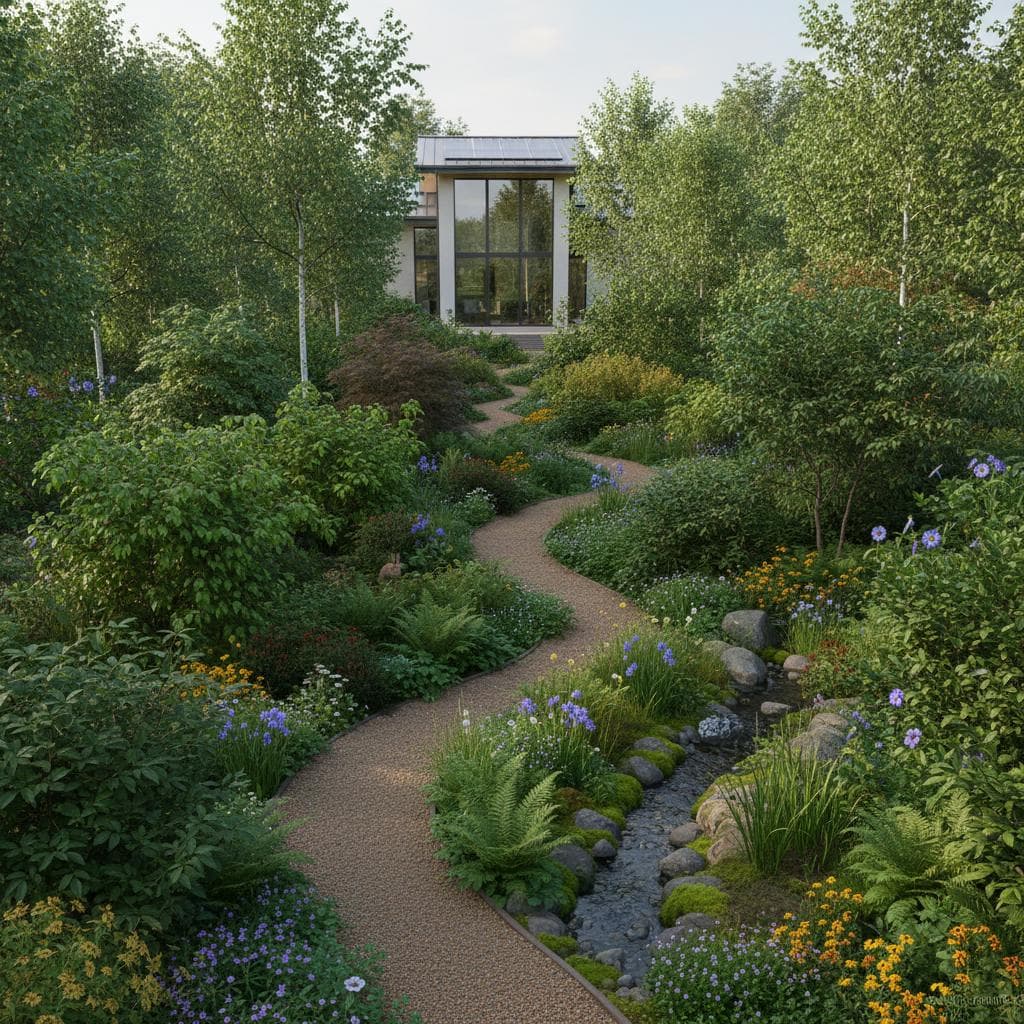
Revolutionize Your Suburb: Micro-Forests for 10x Biodiversity
Suburban yards often consist of expansive lawns, decorative shrubs, and isolated trees. These arrangements appear neat yet fail to support the robust ecosystems found in native forests. Micro-forests address this gap by converting modest land areas into multilayered habitats that enhance biodiversity, refine air quality, and establish inviting green areas within residential settings.
This guide defines micro-forests, outlines their mechanisms, and provides practical steps for implementation. Homeowners and community groups can apply these methods to cultivate suburbs rich with ten times the biodiversity of conventional landscapes.
What is a Micro-Forest?
A micro-forest represents a small-scale, densely populated area of native trees, shrubs, and ground covers that emulate the composition and operations of a full forest. These installations typically occupy spaces smaller than a tennis court and develop quickly to draw diverse organisms. Through imitation of woodland dynamics, micro-forests restore soil vitality, sequester carbon, and offer essential refuges for avian species, pollinators, and minor mammals.
Benefits of a Micro-Forest
Micro-forests provide substantial ecological and communal advantages that surpass their compact footprint.
- Biodiversity Boost: These areas draw insects, birds, and small mammals, forming connectivity pathways that link isolated natural zones.
- Cleaner Air and Cooler Spaces: The thick vegetation filters airborne contaminants and reduces surrounding heat, particularly in summer periods.
- Water Management: Plants with extensive roots enhance soil integrity and minimize surface runoff, facilitating effective stormwater control.
- Community Wellbeing: Accessible green zones encourage mental repose, exercise, and a sense of local accomplishment.
Key Elements of a Thriving Micro-Forest
To maximize species diversity, a micro-forest incorporates multiple vegetation tiers that mirror woodland stratification.
1. Canopy Layer
Native trees of significant height serve as the foundational structure. Options such as oak, maple, or elm deliver overhead cover and protection for subordinate flora and fauna. Select varieties that align with regional hardiness zones for optimal longevity.
2. Understory Layer
Intermediate trees and substantial shrubs occupy the middle stratum. Choices like dogwood or hawthorn contribute seasonal fruits, blooms, and perching opportunities. These elements foster vertical complexity and seasonal interest.
3. Shrub Layer
Compact shrubs, including serviceberry or native viburnum, populate the lower mid-levels. They produce berries and floral resources that sustain avian and insect populations. Position these plants to create transitional zones between taller and shorter growth.
4. Groundcover Layer
Ferns, indigenous grasses, and blooming perennials anchor the base. These species secure soil against erosion and harbor ground-dwelling invertebrates. Integrate a mix to ensure year-round coverage and nutritional variety.
5. Soil and Mulch
Fertile soil enriched with organic decomposition underpins the system. Apply mulch layers to conserve hydration and suppress competing vegetation. Test soil pH and nutrient levels beforehand to guide amendments.
The Micro-Forest Creation Process
Establishing a micro-forest combines scientific principles with creative planning. The following steps outline a comprehensive approach.
-
Site Selection and Assessment
Identify a location with partial to full sunlight and adequate room for intensive planting. Evaluate drainage patterns, soil composition, and present flora to anticipate challenges. -
Design and Species Selection
Investigate flora indigenous to your region, considering climate and edaphic conditions. Develop a blueprint that balances layers for symbiotic interactions and resilience. -
Soil Preparation
Aerate dense soils and incorporate compost or leaf litter to stimulate root expansion and microbial communities. Aim for a loamy texture that retains yet drains water effectively. -
Dense Planting
Plant at high density, positioning three to five specimens per square meter. This proximity promotes swift canopy closure and natural selection for vigorous growth. -
Mulching and Watering
Spread a generous mulch covering to maintain soil dampness and deter invasives. Irrigate consistently in the initial phase to secure root establishment, tapering as plants adapt. -
Ongoing Care and Monitoring
After rooting, interventions remain light. Eliminate non-native competitors, substitute deceased individuals, and track faunal colonization to gauge success.
Micro-Forests vs. Traditional Landscaping
| Feature | Micro-Forest | Traditional Lawn or Garden |
|---|---|---|
| Biodiversity | Extremely high, supports many species | Low, limited to ornamental plants |
| Maintenance Needs | Low after establishment | Continuous mowing, fertilizing, and watering |
| Water Use | Efficient, retains moisture naturally | High, frequent irrigation needed |
| Aesthetic Appeal | Natural, evolving, and lush | Manicured but less dynamic |
| Environmental Benefits | Improves air, soil, and habitat quality | Minimal ecological value |
DIY vs. Professional Micro-Forest Installation
When to DIY
For modest spaces like personal yards or shared plots under 100 square meters, individuals can manage the project. Source native stock from regional nurseries, utilize on-site organics for soil enhancement, and adhere to established protocols. This method builds skills and fosters community involvement.
When to Hire a Professional
Larger initiatives or intricate terrains benefit from expert input by arborists or restoration specialists. Professionals conduct thorough site analyses, orchestrate tiered compositions, and promote enduring stability. Their involvement also ensures adherence to municipal regulations and ecological best practices.
How to Choose the Right Micro-Forest Partner
A reliable collaborator elevates project outcomes from inception.
- Check Credentials and Permits: Verify licensing and insurance to safeguard against liabilities.
- Ask for Native Plant Expertise: Seek professionals versed in regional botany for authentic selections.
- Review Previous Projects: Examine visual documentation and endorsements from past clients.
- Get Multiple Quotes: Evaluate pricing structures and schedules for informed decisions.
- Confirm Maintenance Plans: Secure commitments for initial hydration, invasive control, and progress evaluations.
Frequently Asked Questions
How long does it take for a micro-forest to mature?
Micro-forests advance swiftly due to their intensive design. Within three to five years, distinct canopy development emerges alongside active wildlife integration.
How much land do I need to start?
A minimum of 30 square meters suffices for a functional micro-forest. Success hinges on strategic density and stratified planting rather than expanse.
Are micro-forests expensive to create?
Expenses fluctuate with scale and botanical choices, yet starter projects prove accessible. Community efforts, volunteer labor, and local sourcing often offset costs significantly.
Will a micro-forest attract unwanted animals?
Well-constructed micro-forests primarily invite advantageous species like birds and bees. Thoughtful species choices and vigilant upkeep mitigate risks from undesirable intruders.
Foster Lasting Suburban Ecosystems
Micro-forests elevate residential areas into supportive habitats that advance biodiversity, public health, and ecological fortitude. Initiate with a modest native planting in your yard or partner on a collective endeavor. Persist with care, and observe as your surroundings develop into a vital, interconnected green network that enriches all inhabitants.