
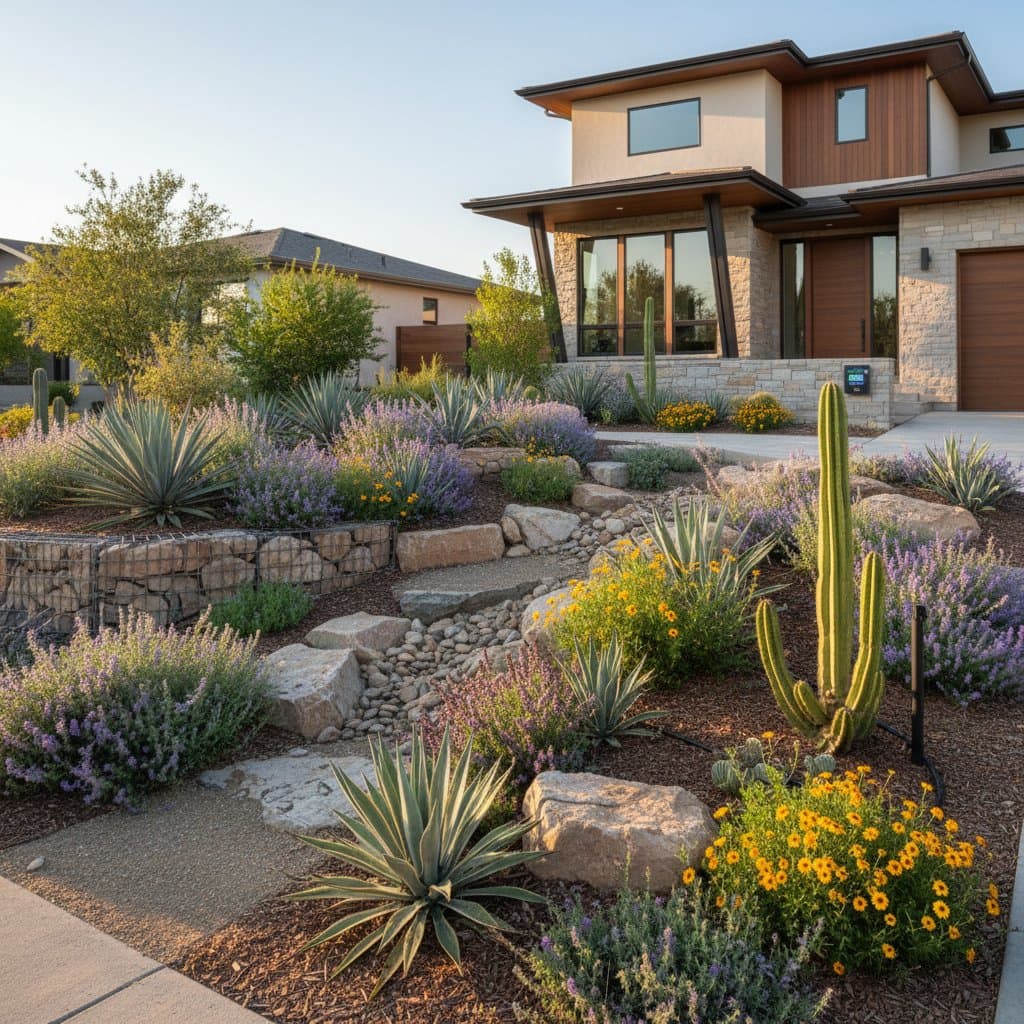
Introduction to Xeriscaping
Xeriscaping represents a strategic approach to landscaping that emphasizes water conservation through the use of drought-tolerant plants, efficient irrigation, and thoughtful design. Homeowners adopt this method to lower utility costs, minimize maintenance demands, and foster sustainable outdoor environments. In regions facing water restrictions or rising bills, xeriscaping delivers substantial savings, often reducing outdoor water consumption by 65 percent compared to conventional turf-based lawns.
This practice suits various climates, from arid deserts to temperate zones, by selecting plants adapted to local conditions. Beyond financial benefits, xeriscapes enhance biodiversity, support pollinators, and increase property values through improved curb appeal. The following sections detail costs, design varieties, implementation options, and maintenance strategies to guide your project.
Factors Influencing Xeriscaping Costs
Initial expenses for a xeriscape project vary based on yard size, materials, and labor. Average costs range from 5,000 to 20,000 dollars for a medium-sized yard, with water savings recouping the investment within three to five years. Key elements that affect the budget include plant selection, irrigation systems, and site preparation.
- Hardscaping elements: Patios, stone borders, or gravel pathways contribute to both aesthetic value and overall expense, typically adding 2,000 to 5,000 dollars depending on materials like flagstone or decomposed granite.
- Design complexity: Custom plans developed by landscape architects elevate costs through detailed site analysis and tailored layouts, often increasing the total by 20 to 30 percent.
- Plant and soil preparation: Drought-tolerant natives cost less long-term but require upfront soil amendments, such as adding compost for better drainage, at around 500 to 1,500 dollars.
- Irrigation upgrades: Installing drip systems with timers runs 1,000 to 3,000 dollars but ensures precise water delivery to roots.
Budget-conscious homeowners focus on phased installations, starting with high-impact areas like front yards to spread costs over time.
Types of Xeriscaping
Xeriscaping adapts to diverse preferences and environments, offering styles that range from rugged desert motifs to refined contemporary layouts. Each type prioritizes water efficiency while providing unique visual and functional benefits. Selecting the right style depends on your climate, soil, and desired maintenance level.
Native Plant Gardens
Native plants thrive in local ecosystems, requiring minimal supplemental water after the first year. These gardens integrate seamlessly with surrounding landscapes and promote ecological balance by providing habitat for birds and insects.
Pros:
- Require low maintenance once roots establish deeply.
- Draw pollinators like bees and butterflies, enhancing garden vitality.
- Harmonize with natural surroundings for an authentic appearance.
Cons:
- Plant options may limit choices in certain areas with sparse native flora.
- Appear less structured than manicured lawns, which some prefer for formality.
Desert-Style Xeriscapes
Ideal for sun-baked regions, these designs incorporate cacti, succulents, boulders, and mulched beds to mimic arid terrains. The bold textures create dramatic focal points with virtually no ongoing watering needs.
Pros:
- Consume extremely low amounts of water, often none after establishment.
- Offer striking contrasts through sculptural plant forms and rock arrangements.
- Demand minimal upkeep, freeing time for enjoyment rather than labor.
Cons:
- Risk appearing barren if plants space too widely without careful planning.
- Certain species need winter protection, such as frost cloth, in cooler zones.
Mediterranean Xeriscapes
This style blends evergreen shrubs, drought-resistant herbs, and terracotta accents for a warm, inviting atmosphere. It suits milder climates where subtle greenery adds softness without high water demands.
Pros:
- Provide seasonal color and scents from plants like rosemary and thyme.
- Pair effectively with outdoor living spaces, such as patios or arbors.
- Involve straightforward care routines focused on occasional trimming.
Cons:
- Demand marginally more water than pure desert setups during peak summer.
- Benefit from regular pruning to preserve tidy shapes and prevent overgrowth.
Contemporary Gravel Gardens
Modern gravel gardens feature sleek aggregates, ornamental grasses, and geometric patterns for a polished, urban edge. They excel in drainage and pair with minimalist architecture.
Pros:
- Promote superior drainage while naturally deterring weed growth.
- Complement various home styles, from mid-century to industrial.
- Require little intervention beyond initial setup.
Cons:
- Absorb and radiate heat, potentially warming nearby patios in hot areas.
- Need periodic raking or topping off to maintain a fresh, even surface.
DIY Versus Professional Installation
Homeowners weigh DIY efforts against professional services based on project scale, expertise, and time availability. Both paths yield effective results when matched to skill levels and goals.
DIY Advantages:
- Eliminate labor fees, potentially halving total costs for basic projects.
- Allow complete customization to reflect personal vision and style.
- Build skills and pride through hands-on involvement in the process.
DIY Challenges:
- Demand knowledge of regional flora, soil pH, and microclimates to avoid errors.
- Risk inefficiencies, such as improper drip line placement leading to uneven watering.
- Extend timelines, often spanning weekends over several months.
Professional Advantages:
- Leverage specialized knowledge for optimal plant choices and site-specific designs.
- Ensure professional-grade execution, including precise grading and system integration.
- Offer guarantees, seasonal check-ins, and resources for long-term success.
Small-scale updates, like converting a flower bed, suit DIY enthusiasts with gardening experience. Larger overhauls benefit from expert input to maximize efficiency and durability.
Steps to Plan and Install Your Xeriscape
Successful xeriscaping begins with assessment and proceeds through deliberate phases. Follow these steps to create a cohesive, water-smart landscape tailored to your property.
-
Evaluate your yard: Map sun exposure, shade patterns, slopes, and current drainage. Test soil for texture and nutrients to match compatible plants.
-
Develop a design plan: Draw zones for vegetation, hardscapes, and amenities. Cluster species with matching hydration requirements to streamline watering schedules.
-
Eliminate excess turf: Remove grass via solarization with black plastic or manual extraction. Transition to ground covers like mulch or decomposed granite for immediate coverage.
-
Amend the soil: Aerate dense areas and incorporate organic matter or grit to enhance percolation and root health.
-
Set up smart irrigation: Opt for subsurface drip lines connected to automated controllers that adjust based on weather data or soil moisture levels.
-
Choose resilient plants: Prioritize locals like black-eyed Susan, switchgrass, or penstemon, which endure dry spells and add seasonal interest.
-
Incorporate mulch and features: Layer two to three inches of organic material around bases to lock in moisture. Add stepping stones or raised beds for structure and access.
-
Establish and adjust: Provide consistent moisture to new arrivals for the first season. Gradually taper off as systems root, monitoring for pests or nutrient gaps.
Essential Tips for Xeriscaping Achievement
Refine your approach with these targeted strategies to ensure longevity and efficiency.
-
Scale gradually: Test concepts in a single bed or border to refine techniques before expanding.
-
Select mulch wisely: Organic options like shredded bark outperform stones in moisture retention and soil enrichment.
-
Zone by hydration: Separate moderate-water plants from ultra-dry ones to prevent over- or under-watering.
-
Direct water flow: Slope surfaces subtly to guide rainfall toward root zones, reducing runoff loss.
-
Resist excess moisture: Even tough plants falter in soggy conditions; calibrate systems to deliver just enough.
Frequently Asked Questions
How much water does xeriscaping save?
A thoughtfully executed xeriscape cuts outdoor water demands by up to 65 percent relative to standard grass setups. Actual reductions hinge on vegetation selections, system precision, and regional weather patterns.
Does a xeriscape project require permits?
Residential efforts rarely need approvals, but alterations involving earth-moving, walls over two feet, or electrical irrigation components warrant local authority review.
Is xeriscaping suitable for humid areas?
Absolutely. The principles focus on targeted efficiency, so mulching and zoning minimize waste even amid frequent rains.
When does a xeriscape fully establish?
Visual fullness emerges in two to three years as roots expand and foliage densifies, with natives accelerating post-initial rooting.
Which plants suit novice gardeners?
Begin with forgiving options such as salvia, yarrow, coreopsis, or feather reed grass, which tolerate errors while delivering reliable color and form.
Does xeriscaping boost home value?
Indeed. Sustainable, effortless yards appeal to eco-aware buyers, trimming ongoing costs and elevating market desirability through enhanced exteriors.
Implementing Your Xeriscape Vision
Xeriscaping equips homeowners to cultivate enduring, resource-efficient yards that blend beauty with practicality. Transition from water-intensive lawns to vibrant, native-filled spaces through strategic choices in plants, systems, and layouts. This shift not only curbs expenses but also aligns personal landscapes with broader conservation efforts.
Assess your space, outline objectives, and engage experts for complex elements. The result: a thriving haven that demands little while delivering abundant rewards year-round.