
Introduction to Biochar for Stump Control
Tree stumps left after removal can sprout new growth, complicating landscaping efforts. Traditional chemical treatments pose risks to soil, water, and wildlife. Biochar injection emerges as a superior alternative, blocking up to 95% of regrowth through natural means.
Biochar consists of carbon-rich materialorganic waste like wood or agricultural residues at high temperatures in low-oxygen conditions. When injected into stump vascular systems, it alters soil chemistry and microbial balance, starving roots of essential nutrients. This approach not only halts sprouts but also enriches the surrounding soil over time.
Studies from agricultural research institutions demonstrate biochar's efficacy on various tree species, with visible results often appearing within weeks. Homeowners and landscapers appreciate its long-term soil benefits, including improved water retention and reduced erosion.
How Biochar Injection Works
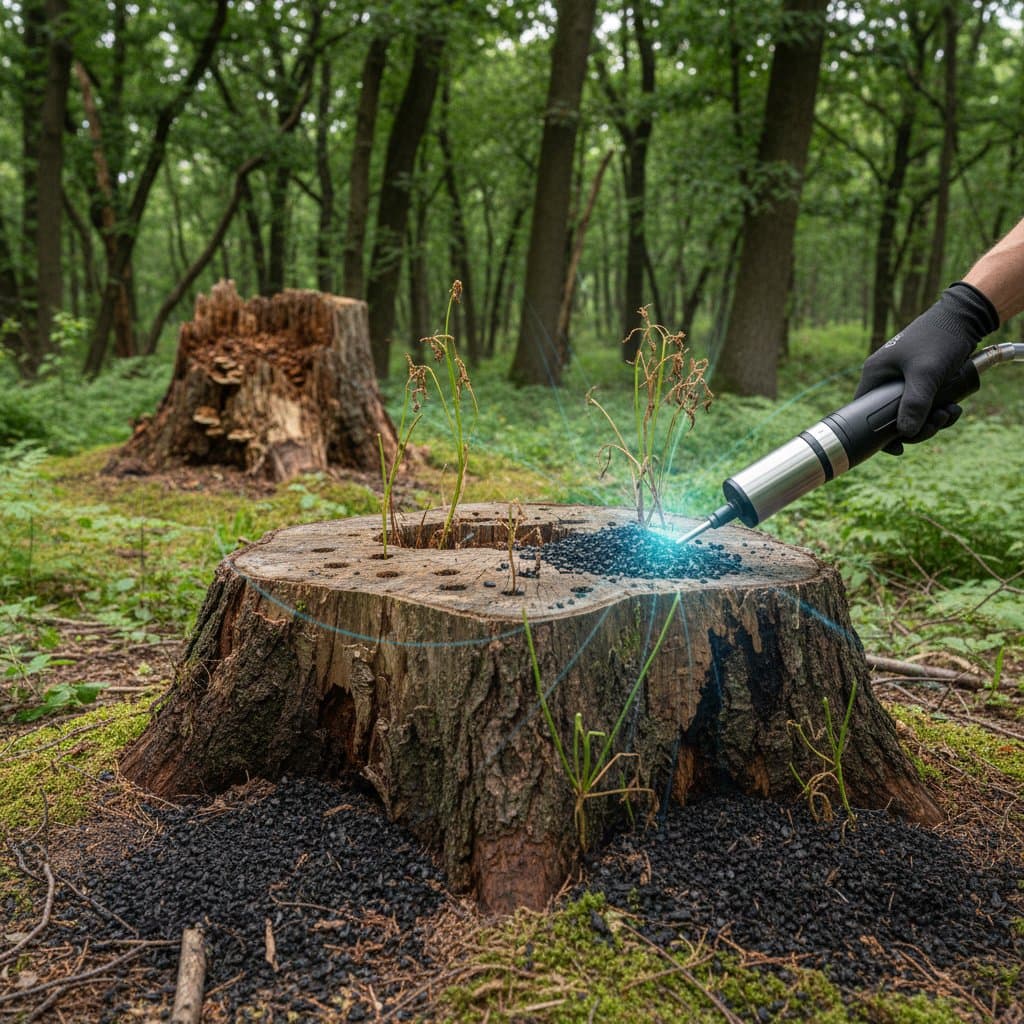
The process targets the stump's root network directly. Professionals or skilled DIY users drill small holes into the stump and surrounding soil, then inject a biochar slurry mixed with water. This delivery method ensures the material reaches the cambium layer, where nutrient transport occurs.
Once applied, biochar particles bind to soil components, creating a barrier that limits water and mineral uptake. It also fosters beneficial bacteria that accelerate wood breakdown. Unlike chemicals that kill indiscriminately, biochar supports ecosystem health by sequestering carbon and preventing nutrient leaching.
Expect initial wilting of any emerging shoots within 30 days, with full suppression by 60 days. Factors like stump size, tree species, and soil type influence outcomes, but success rates exceed 90% in most cases.
Benefits of Choosing Biochar Over Chemical Methods
Chemical stump killers rely on salts or herbicides that persist in the environment, potentially contaminating groundwater. Biochar avoids these issues entirely. It decomposes stumps naturally, allowing the area to become plantable sooner.
Additional advantages include cost savings over time, as one application often suffices for years. The material enhances soil fertility, benefiting gardens or lawns nearby. For environmentally sensitive areas like near water bodies or organic farms, biochar aligns with sustainable practices.
Compared to physical removal, which requires heavy machinery and high labor costs, injection proves less invasive. A typical 12-inch diameter stump treatment might cost $50 to $150 for materials, versus $200 or more for grinding services.
Step-by-Step Application Guide
Prepare the site by clearing debris around the stump. Use a cordless drill with a 1/2-inch bit to create 4 to 6 holes, spaced evenly and penetrating 6 to 8 inches deep. For larger stumps, add holes along the root flare.
Mix biochar with water to form a thick paste, using about 1 pound per foot of stump diameter. Pour or inject the mixture into the holes, then cover with soil or mulch to retain moisture. Water the area lightly to activate the biochar.
Monitor progress weekly, noting any sprout attempts. Full integration into the soil takes 2 to 4 weeks, after which the stump begins to soften.
DIY Versus Professional Application
DIY suits small stumps under 18 inches, requiring basic tools available at hardware stores. Purchase food-grade biochar to ensure purity. However, larger or multiple stumps benefit from professional services, which include site assessment and precise dosing.
Professionals use specialized equipment for deeper injection, achieving higher efficacy rates. Expect to pay $100 to $300 per stump, depending on location and complexity. Consult certified arborists for advice on local regulations.
Maintenance and Enhancement Tips
To maximize results, incorporate complementary practices. Mix compost into the surrounding soil to speed up the decay process. This adds organic matter that works synergistically with biochar.
Inspect the area regularly and reapply biochar to any exposed areas after heavy rain or soil movement. Early intervention prevents minor regrowth from establishing.
Select high-quality biochar labeled for soil amendment, avoiding barbecue charcoal which contains additives. Opt for varieties derived from hardwood for better porosity and longevity.
Frequently Asked Questions
Does biochar completely kill the stump?
Biochar does not eradicate the stump like a chemical agent. Instead, it modifies soil conditions to inhibit regrowth and encourage gradual decomposition. The stump persists but loses vitality, breaking down naturally over 1 to 3 years.
How long does biochar remain effective?
Biochar persists in soil for decades, providing ongoing benefits. Its primary regrowth prevention peaks in the first 3 to 6 months. Many users apply a maintenance dose after the initial growing season to reinforce effects.
Can biochar be used near other plants?
Yes, when applied as directed. Biochar poses no threat to adjacent vegetation and often enhances growth by improving nutrient and water retention in the soil.
What trees respond best to biochar injection?
Most species show strong responses, particularly hardwoods like oak and maple, and softwoods such as pine. Stumps with extensive root systems respond quickest due to targeted nutrient disruption.
Is biochar environmentally friendly?
Absolutely. Derived from renewable sources, biochar sequesters carbon and avoids toxic releases. It promotes soil biodiversity, making it ideal for sustainable land management.
Achieving Sustainable Stump Management
Biochar injection provides an effective, green strategy for stump control that aligns with modern environmental priorities. It delivers reliable results while fostering healthier soil for future use.
For optimal outcomes, assess your needs and choose the application method that fits your resources. Engage a specialist for complex sites to ensure thorough treatment and lasting dormancy.