
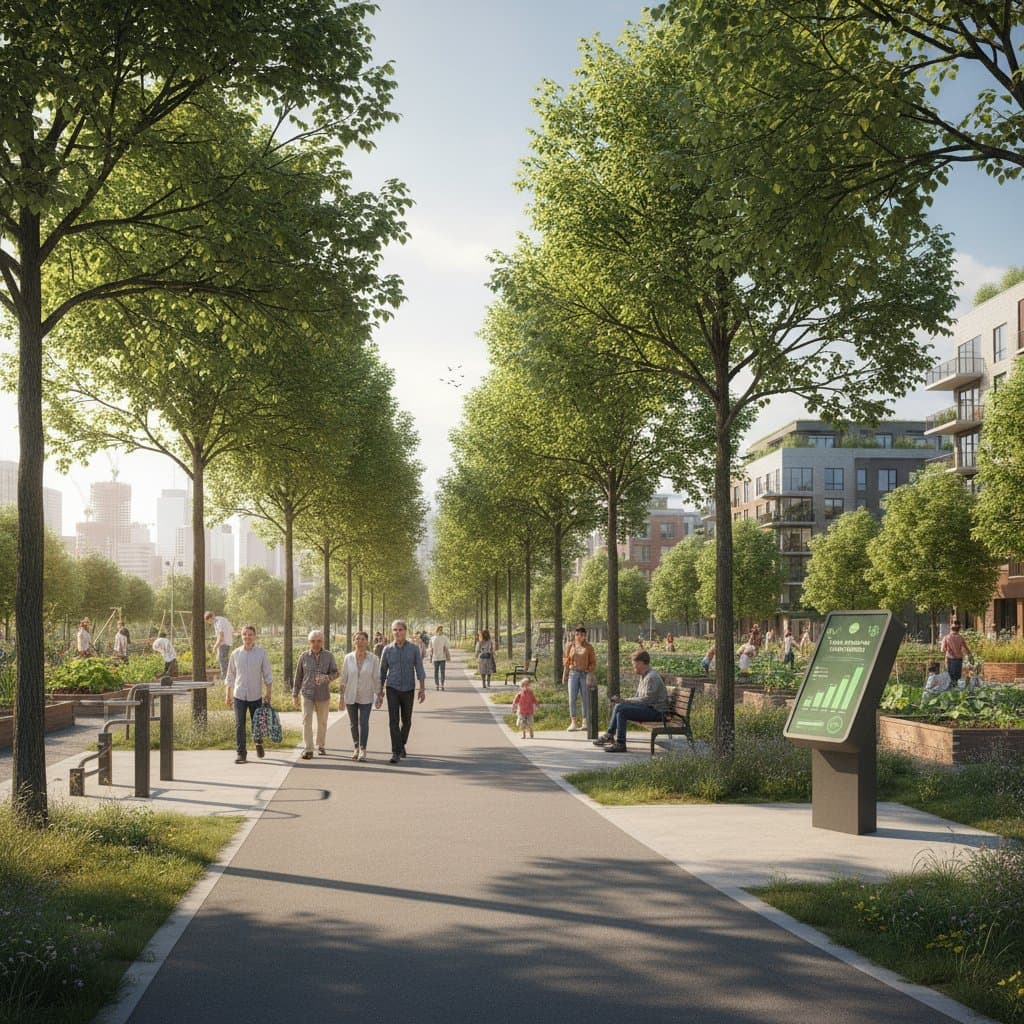
Tree Equity Laws: Mandating Urban Canopy Coverage by 2026
Urban areas confront escalating temperatures and environmental inequities. Cities now implement tree equity laws to distribute green benefits evenly. These regulations mandate expanded tree canopies in disadvantaged neighborhoods by 2026, yielding cooler environments, superior air quality, and elevated community well-being. Homeowners and property managers gain insights here into compliance expectations and participation opportunities.
What Are Tree Equity Laws?
Tree equity laws consist of municipal or regional policies that obligate governments to cultivate and sustain tree canopies equitably. Such laws address disparities where affluent districts enjoy abundant foliage, while economically challenged zones suffer from minimal shade. Benefits include moderated street heat, reduced pollution, and supported psychological health. Policymakers integrate these laws into broader urban sustainability frameworks.
Average Urban Canopy Expansion Costs
Expenses for fulfilling tree equity mandates vary by geography, site availability, and baseline coverage. Typical urban tree installation fees span $150 to $1,500 per tree, encompassing labor, supplies, and initial upkeep.
| Tree Size or Type | Average Cost Range |
|---|---|
| Small Tree (under 15 ft) | $150 - $400 |
| Medium Tree (15-30 ft) | $400 - $900 |
| Large Tree (over 30 ft) | $900 - $1,500 |
Public initiatives frequently provide subsidies to homeowners or groups engaged in canopy enhancement efforts.
Factors Affecting Urban Canopy Costs
Tree Size and Species
Planting larger specimens demands additional equipment and personnel for secure installation. Authorities favor indigenous varieties, such as oaks or maples, which adapt readily to regional conditions and demand minimal ongoing intervention.
Site Conditions
Challenges like dense soil, subsurface infrastructure, or constrained planting areas elevate expenses. Urban locations may necessitate soil amendment or engineered root support systems.
Maintenance Requirements
Sustained investment hinges on care protocols. Irrigation, trimming, and insect control prove essential for saplings to develop into robust canopy elements.
Local Ordinances and Permits
Certain municipalities enforce approvals for tree placement or removal on communal grounds or adjacent to pathways. These procedural elements extend timelines and budgets.
Community Involvement
Resident-led planting drives and alliances with local organizations reduce financial burdens while cultivating enthusiasm for green initiatives.
The Urban Canopy Implementation Process
- Assessment and Mapping: Forestry experts analyze current coverage via satellite photos and ground surveys.
- Planning and Permitting: Officials designate high-need districts and obtain regulatory clearances.
- Tree Selection: Choices prioritize compatibility with terrain, weather, and metropolitan tolerances.
- Planting and Establishment: Trained professionals execute installation, stabilization, and early hydration routines.
- Ongoing Maintenance: Periodic evaluations, shaping, and replacements safeguard long-term viability.
DIY vs. Professional Tree Planting
Homeowners manage DIY efforts for:
- Installing compact decorative or edible trees in personal gardens.
- Applying mulch and monitoring hydration for juveniles.
Professionals handle complex urban integrations, ensuring adherence to equity standards.
How to Support Tree Equity Initiatives
- Research municipal funding or incentives that offset installation fees.
- Partner with community bodies to coordinate group planting activities.
- Engage certified tree specialists familiar with regional mandates.
- Preserve current vegetation via appropriate trimming and irrigation to prolong utility.
Common Questions About Tree Equity Laws
Do homeowners need to plant trees to comply with these laws?
Participation remains voluntary for private properties in most jurisdictions. Efforts concentrate on public spaces, yet individual actions accelerate collective progress.
Will these laws affect property development?
Affirmative. Developers must incorporate canopy strategies or retain mature trees to secure building approvals under updated regulations.
How do cities measure tree equity?
Assessments combine canopy imagery with socioeconomic indicators to pinpoint deficiencies and direct interventions.
Advancing Urban Tree Equity Through Action
Tree equity laws redefine urban environmental strategies and equity principles. Residents and leaders who champion canopy growth foster resilient, vibrant communities. Practical involvement today secures enduring benefits for tomorrow's cities.