
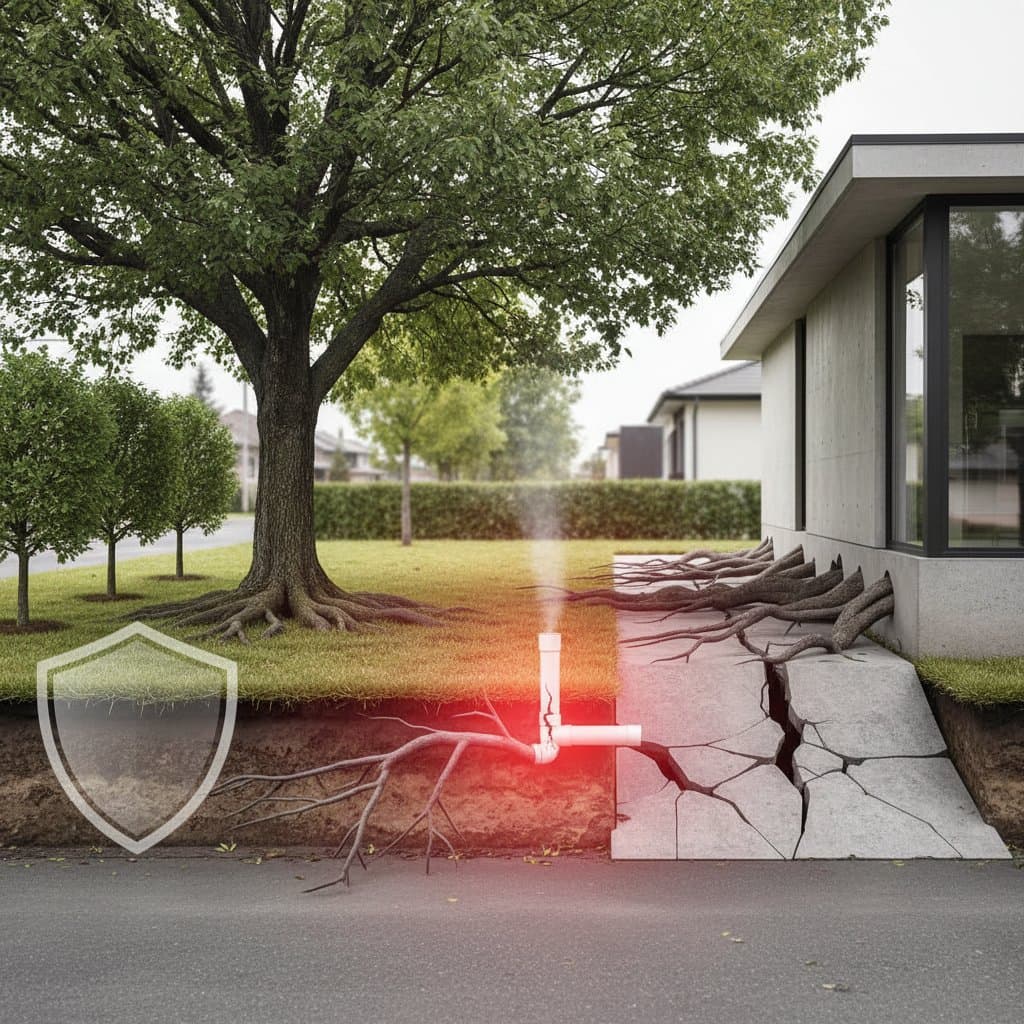
Tree Root Damage Claims Surge 65%: Strategies to Safeguard Your Yard and Home
Tree roots possess remarkable strength and determination as they seek water, oxygen, and nutrients. These forces often lead roots to infiltrate pipes, foundations, and driveways, resulting in substantial damage. Recent data indicates a 65 percent increase in tree root damage claims, raising concerns among homeowners and insurance providers. Such intrusions demand prompt attention to avoid high repair costs and disruptions.
This comprehensive guide details the origins of tree root damage, the implications of escalating claims, and practical methods to protect your property. Through informed planting choices, routine maintenance, and timely professional involvement, you can mitigate risks effectively.
Understanding the Costs of Tree Root Damage
National Averages and Variations
The expense of addressing tree root damage varies based on severity and location. Simple tasks, such as removing minor roots and restoring soil, may cost between $300 and $800. More extensive work, including foundation reinforcement or plumbing overhauls, frequently exceeds $5,000. Homeowners typically allocate $2,000 to $4,000 on average for interventions involving structural or utility impacts.
Breakdown by Repair Category
- Root Removal and Pruning: Expect $200 to $1,500, influenced by tree dimensions and site access. Arborists use specialized tools to ensure minimal harm to the tree.
- Sidewalk or Driveway Restoration: Prices range from $1,000 to $10,000, depending on whether slab replacement or mudjacking suffices. Assess the extent of upheaval before quoting.
- Plumbing Interventions: Root intrusion into sewer lines often incurs $500 to $6,000, covering camera inspections, hydro-jetting, or full pipe relining.
- Foundation Stabilization: This category commands $3,000 to $20,000 or more, involving hydraulic lifting, pier installation, or epoxy injections for crack sealing.
Influencing Factors on Expenses
Several elements determine the final bill for root-related repairs. Tree species like willows, poplars, and silver maples exhibit expansive root networks that accelerate issues. Proximity matters: trees within 10 to 15 feet of buildings heighten vulnerability.
Soil type plays a role; clay-heavy or compacted ground compels roots to extend laterally toward easier paths. Moisture imbalances, such as drought conditions, draw roots to irrigated areas or faulty pipes. Aging infrastructure, including pre-1970s plumbing with cast-iron joints, invites penetration more readily.
Access challenges, like fenced yards or oversized roots, elevate labor demands and equipment needs. By evaluating these aspects early, homeowners can budget for potential maintenance and avert surprise expenditures.
Common Forms of Tree Root Damage
Tree roots manifest damage in diverse ways across your property. Early identification enables targeted responses that limit escalation and costs.
Impacts on Structures
Roots expanding under slabs or alongside foundations exert upward pressure, causing cracks and shifts. For instance, a mature oak root might lift a garage foundation by several inches over years.
Advantages of early action include precise pruning that preserves tree health. Engineers can then apply shoring techniques to secure stability.
Drawbacks involve high remediation fees for slab realignment. Aggressive root excision near the trunk risks toppling the tree, necessitating removal.
Effects on Plumbing Systems
Seeking moisture, roots exploit fissures in sewer or drain lines, often via tree joints or bell-shaped connections. A single willow can clog a line within two to three years of planting nearby.
Benefits encompass advanced solutions like cured-in-place pipe (CIPP) lining, which seals interiors without digging. Chemical treatments or mechanical cutters provide interim relief.
Challenges arise when lines collapse, demanding full excavation and $4,000-plus replacements. Persistent tree presence invites recurring invasions unless addressed at the source.
Disruptions to Landscapes and Hardscapes
Roots uplift patios, walkways, driveways, and walls, forming hazards and aesthetic issues. Heaving can misalign pavers by up to six inches annually in expansive soils.
Paver systems allow modular resets with minimal expense compared to monolithic concrete pours. Installing barriers post-damage redirects future growth.
Ongoing vigilance remains essential to catch regrowth. In extreme scenarios, relocating or excising the offending tree ensures lasting resolution.
Alterations to Soil and Drainage
Roots compact soil and impede water percolation, fostering erosion or standing water. Dense networks from ficus trees, for example, can redirect runoff toward basements.
Regrading slopes and installing French drains restore balance effectively. Aeration tools loosen compacted zones while sparing vital roots.
Drawbacks include stress on adjacent vegetation from altered hydrology. Even after root pruning, legacy effects may persist, requiring sustained soil amendments.
Deciding Between DIY Efforts and Professional Services
The feasibility of handling tree root issues independently hinges on scale and complexity. Surface-level problems suit amateur intervention, but subsurface threats demand expertise.
DIY Options
Target exposed roots impeding lawns or beds, measuring under two inches thick. Employ loppers or air spades to excavate and sever cleanly, sealing cuts with pruning sealant.
Limit efforts to 20 percent of visible roots per session to avoid shocking the tree. Mark utility locations via 811 calls to prevent accidental strikes.
Risks include tree decline from over-pruning or utility disruptions from blind digging. Regrowth often occurs without addressing underlying moisture draws.
Professional Interventions
Arborists certified by the International Society of Arboriculture (ISA) assess via ground-penetrating radar or air excavation. They deploy hydraulic root pruners for safe, deep cuts.
Contractors integrate services, such as combining root barriers with hardscape leveling. Post-service guarantees, often spanning one to five years, underscore reliability.
Opt for pros when roots encroach on utilities, foundations, or trees over 20 feet tall. Their diagnostics prevent missteps that amplify damage.
Guidance for Choices
Reserve DIY for cosmetic trims in open areas. Engage specialists for any sign of structural compromise or invasive growth. This approach balances cost with safety.
Proactive Measures to Avoid Tree Root Damage
Investing in prevention yields savings over reactive fixes. Integrate these steps into your landscape routine for enduring protection.
Strategic Planning and Planting
Select species with compact root habits, like crape myrtles or hawthorns, for urban lots. Maintain 20 to 30 feet separation from foundations and 10 feet from utilities for mature specimens.
Consult local extension services for region-specific recommendations. Raised beds or containers suit aggressive rooters in confined spaces.
Soil and Water Management
Apply two to three inches of mulch annually to retain moisture and promote deep rooting. Irrigate slowly at the drip line to encourage vertical extension.
Repair leaks immediately; a dripping faucet can attract roots within months. Test soil pH and amend with compost to reduce compaction.
Deploying Root Barriers
Choose high-density polyethylene barriers, 24 to 36 inches deep, for optimal deflection. Position them during initial planting or retrofit via trenching machines.
Professionals ensure proper overlap and anchoring to thwart circumvention. Monitor barrier integrity every five years for degradation.
Routine Root Maintenance
Inspect and prune annually in late fall, targeting laterals over 50 feet from the trunk. Use oscillating saws for precise, angled cuts that heal rapidly.
Never exceed 25 percent root removal in one year. Follow with fertilizer to bolster recovery and inward growth.
Regular Expert Evaluations
Schedule ISA-certified inspections biennially, focusing on high-risk zones. Drones or sonar detect conflicts non-invasively.
Post-event checks after construction or weather extremes catch emerging problems. Early flagging averts 70 percent of major claims.
Strategies to Minimize Insurance Claims
Proactive documentation strengthens your position with insurers. These practices streamline processes and demonstrate due diligence.
- Record Maintenance Activities: Log dates, photos, and invoices for prunings or installations. Digital apps track schedules efficiently.
- Review Policy Details: Confirm exclusions for root-induced wear versus sudden failures. Add riders for tree-related perils if needed.
- Optimize Drainage: Install permeable pavers and extend downspouts 10 feet from foundations. Annual cleanings prevent overflow.
- Conduct Routine Checks: Probe hardscapes quarterly for shifts exceeding one inch. Address cracks with flexible sealants promptly.
- Evaluate Tree Viability: Commission risk assessments for problem species. Budget $1,000 to $3,000 for safe removals when benefits outweigh risks.
Addressing Common Concerns
Coverage Under Homeowner Policies
Standard policies exclude progressive root damage as maintenance oversight. Sudden events, like root-triggered pipe bursts causing flooding, may qualify for reimbursement up to dwelling limits.
Consult your agent for endorsements covering preventive measures. Bundling with landscape policies expands protection.
Detecting Foundation Threats
Observe diagonal wall cracks wider than 1/8 inch or sloping floors. Moisture stains or musty odors signal root-driven shifts.
Hire engineers for level surveys using laser tools. Differentiate root pressure from settling via soil borings.
Safe Root Pruning Practices
Sever only feeder roots under two inches, at least four feet from the trunk. Apply wound dressings and water deeply post-cut.
Avoid spring prunings when trees actively grow. If unsure, arborist consultations prevent legal liabilities on shared properties.
Selecting Low-Risk Tree Varieties
Prioritize fibrous-rooted options like eastern redbuds or flowering dogwoods, thriving within 15 feet of structures. Verify mature spreads via USDA databases.
Steer clear of water-loving types in irrigated yards. Native selections adapt best, reducing stress-induced rooting.
Mechanics of Root Barriers
These impermeable sheets force roots to descend or veer, installed at 45-degree angles for guidance. HDPE variants last 50 years in most soils.
Trench to native grade minus barrier depth, backfill with sand for stability. Effectiveness hinges on full encirclement of at-risk zones.
Inspection Frequency Recommendations
Annual reviews suit young trees; mature ones need checks every two years. Increase to quarterly near renovations or after root disturbances.
Combine with overall health scans for pests or nutrient deficiencies. Proactive care extends tree lifespan by decades.
Securing Your Property Against Root Risks
Tree root challenges demand vigilance, yet informed actions transform potential crises into manageable routines. Begin with a site audit to map high-vulnerability areas, then implement tailored preventives like barriers and watering protocols.
Collaborate with arborists for customized plans that harmonize aesthetics and safety. Swift responses to indicators preserve structural integrity and financial stability.
Ultimately, a well-maintained landscape enhances property value while minimizing liabilities. Embrace these expert strategies to foster resilient trees that complement, rather than compromise, your home.