
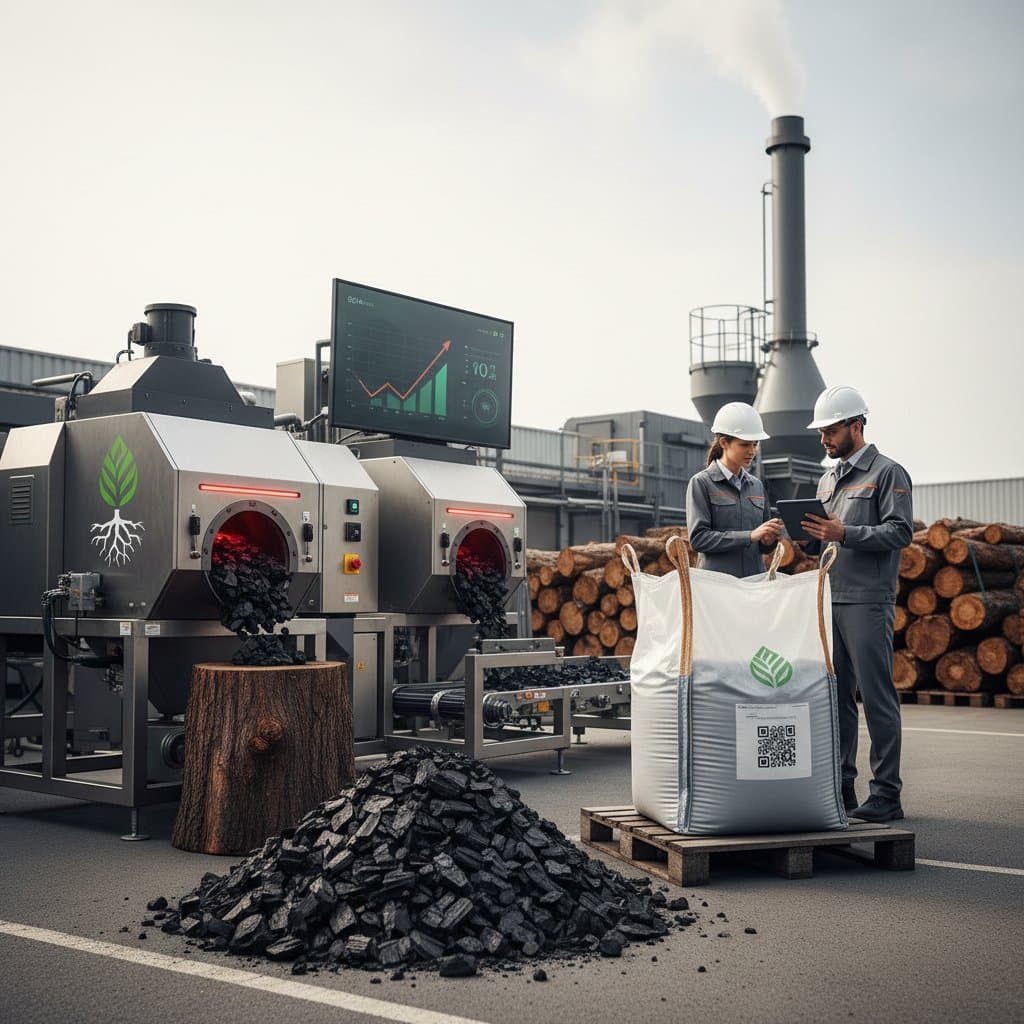
Stumps to Biochar: $800/Ton Profits by 2026
Tree stumps often appear as unwanted remnants after tree removal, yet they hold untapped potential in the realm of sustainable practices. A rising movement in forestry and landscaping converts these materials into biochar, a valuable carbon-rich product. Homeowners, contractors, and tree service experts now view stump conversion as a pathway to revenue, transforming disposal expenses into earnings. As demand for carbon-negative solutions escalates, biochar from local stumps may yield profits of up to $800 per ton soon. This article details the conversion process, value drivers, and practical steps for participation.
What is Biochar?
Biochar consists of a stable, carbon-rich material produced from organic matter such as wood, branches, or stumps. Manufacturers create it through pyrolysis, a heating process in a low-oxygen environment that solidifies carbon for centuries in soil. This material enhances soil fertility, maintains moisture levels, and mitigates greenhouse gas emissions. Its ability to sequester carbon otherwise released into the atmosphere positions biochar as a carbon-negative resource.
Average Conversion Costs and Profit Potential
Conversion costs for stumps into biochar vary based on equipment, labor, and feedstock characteristics. Typically, production expenses range from $200 to $400 per ton. Biochar sells for $600 to $800 per ton in markets focused on agriculture and environmental uses, depending on purity and carbon levels. Operations using waste wood that avoids disposal fees achieve significant net gains.
| Factor | Average Cost or Value |
|---|---|
| Stump Grinding or Harvesting | $50 - $150 per stump |
| Pyrolysis Equipment Operation | $100 - $200 per ton |
| Biochar Market Value | $600 - $800 per ton |
| Net Profit Margin | $200 - $400 per ton |
Profitability increases when teams integrate stump collection into routine tree removal or land clearing activities. This approach shifts material from a liability to an asset.
Factors Affecting Stump-to-Biochar Conversion Costs
Stump Size and Density
Stumps from larger, denser hardwoods like oak or maple offer higher carbon content, boosting yield and market price. Processing these requires greater energy for grinding and handling. In contrast, smaller pine or fir stumps process with less effort but generate lower volumes of biochar per ton.
Moisture Content
Newly extracted stumps retain substantial water, which hampers pyrolysis efficiency and carbon capture. Elevated moisture demands more energy and may degrade product quality. Pre-drying through air exposure or mechanical methods optimizes energy consumption and elevates final biochar standards.
Equipment Type
Small-scale kilns or portable pyrolysis units suit modest operations with lower operating costs and batch sizes. Larger industrial systems manage high volumes for uniform output, though they demand substantial upfront capital. Selection hinges on stump availability and regional biochar demand.
Collection and Transportation
Proximity of removal sites to processing locations directly impacts expenses. On-site or nearby processing minimizes hauling costs and emissions. Such strategies enhance both financial returns and ecological footprints.
Market Demand
Pricing reflects buyer priorities, from farmers improving soil to builders incorporating biochar in concrete or governments seeking carbon credits. The surge in certified carbon-negative products sustains upward price trends and long-term viability.
The Stump-to-Biochar Process
-
Stump Removal and Collection
Professionals or landowners extract stumps with grinders or excavators. Select clean, untreated wood to guarantee premium biochar quality. -
Preprocessing and Drying
Chip or shred stumps to consistent sizes. Employ natural air drying or mechanical systems to lower moisture levels effectively. -
Pyrolysis Conversion
Heat the prepared feedstock in an oxygen-limited chamber. This expels volatile gases and yields solid carbon as biochar. -
Cooling and Screening
Allow the material to cool, then screen out ash for uniform particle sizes. Crush oversized fragments if needed for consistency. -
Packaging and Distribution
Package biochar in bags or bulk for delivery to agricultural outlets, landscapers, or industrial clients. Pair sales with carbon credit documentation where applicable.
DIY vs. Hiring a Professional Conversion Service
| Option | When to Choose | Key Considerations |
|---|---|---|
| DIY Conversion | Ideal for small properties with few stumps and basic tools available. | Involves safety measures, compact kilns, and pyrolysis expertise. Best avoided for extensive projects. |
| Professional Service | Preferred for homeowners and businesses handling larger scales. | Experts manage extraction, conversion, and regulatory adherence with efficient mobile or industrial setups. |
DIY efforts demand vigilance against fire hazards and emissions. Professionals deliver safer, more effective results with superior product consistency.
How to Partner with a Tree Service or Biochar Producer
-
Inquire About Stump Recycling Options
During tree removal discussions, ask if the company provides biochar conversion or collaborates with producers. -
Verify Certification and Environmental Compliance
Select partners adhering to standards that verify carbon sequestration benefits. -
Compare Quotes and Revenue Sharing Models
Evaluate offers where services compensate for stumps or reduce removal fees in exchange for material access. -
Assess Local Market Demand
Identify nearby buyers like farms, nurseries, or construction firms to maximize sales and minimize logistics. -
Secure a Written Agreement
Document collection, processing, compensation, and responsibilities to foster clear partnerships.
Frequently Asked Questions
How much biochar can one large stump produce?
A 500-pound hardwood stump typically produces 100 to 150 pounds of biochar. Results depend on wood type, initial moisture, and process efficiency.
Is stump-to-biochar conversion environmentally friendly?
The method sequesters carbon that decomposition or incineration would release. Biochar further aids soil vitality and water conservation for broader sustainability.
Can any type of stump be used for biochar production?
Untreated wood stumps work well in most cases. Exclude those with paints, chemicals, or preservatives to prevent toxic releases during heating.
How profitable is stump-to-biochar conversion for small operators?
Small-scale ventures partnering with tree services often net $200 to $400 per ton. Connections to agricultural or credit markets amplify returns.
What equipment is needed to start producing biochar?
Core items include grinders or chippers, pyrolysis kilns, and screeners. Portable units facilitate operations at remote removal locations.
Steps to Launch Your Stump Conversion Initiative
Stumps represent more than removal challenges; they offer pathways to profit and planetary health. Collaborate with local experts to gather and transform this resource, diverting it from landfills. Producing biochar fosters resilient soils and advances carbon goals. Start by evaluating your stump sources and connecting with reliable partners to realize $800-per-ton potential.