
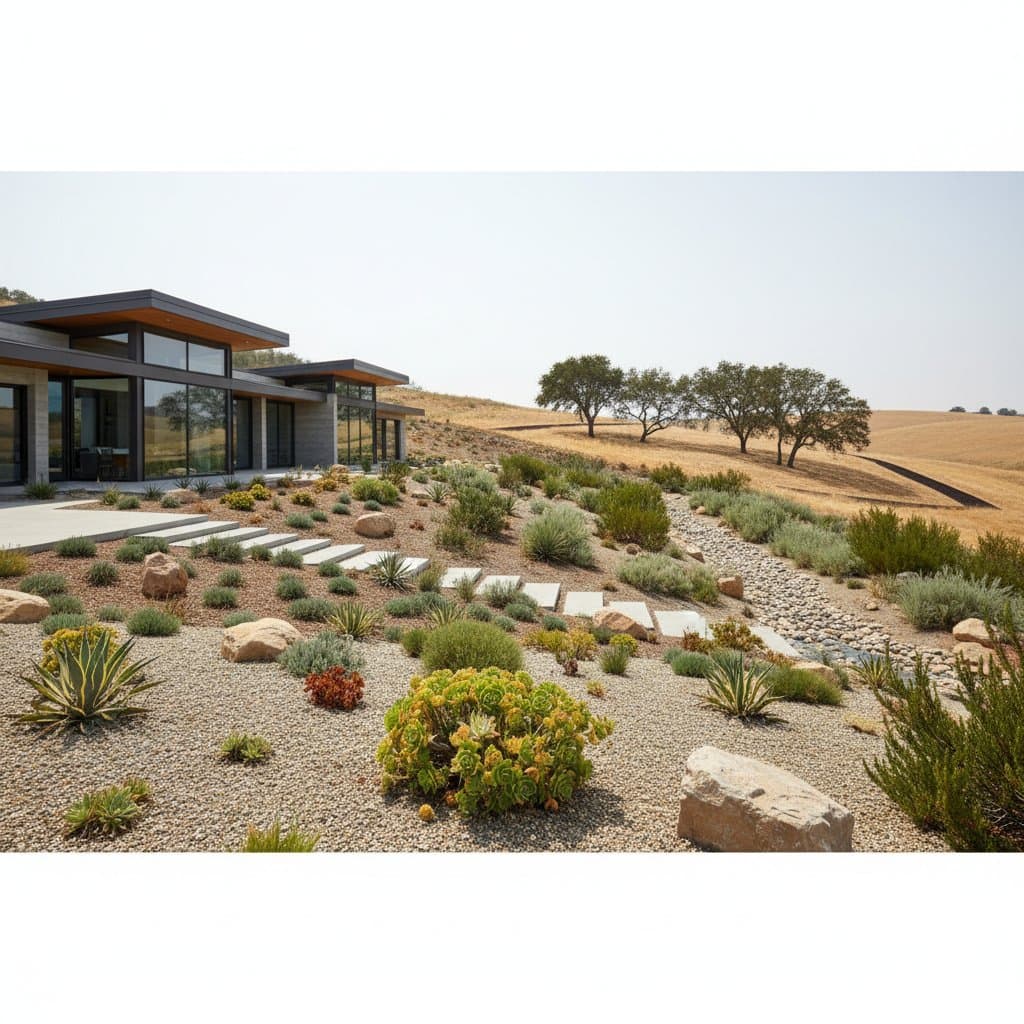
Why Fire-Proof Yards Save Homes from 2026 Blazes
Creating a fire-proof yard can be the difference between saving your home and losing it during a wildfire. By designing a defensible space with fire-resistant plants, proper spacing, and clean landscaping, homeowners drastically reduce the risk of their property catching fire. A well-planned yard acts as a protective barrier that slows flames and shields structures from radiant heat.
Wildfire seasons are becoming longer and more unpredictable, which makes prevention through landscaping more important than ever. Homeowners who adopt fire-smart practices not only protect their houses but also help firefighters defend entire neighborhoods. The goal is to make every yard a line of defense, not a source of fuel.
Key Factors That Influence Fire Resistance in Yards
A fire-proof yard is not built overnight. It depends on several interconnected factors that determine how easily flames can spread. The most important elements include:
- Plant selection: Use species that contain more moisture, like succulents, agaves, and deciduous trees. Avoid those with resin, oil, or dense dry foliage such as junipers and eucalyptus.
- Spacing and layout: Maintain at least five feet of non-combustible material around the home. Gravel, rock mulch, or well-watered grass create a buffer zone that helps slow flames.
- Maintenance: Regularly prune trees, clear fallen leaves, and remove dead branches. Accumulated debris acts as kindling that can ignite quickly.
- Irrigation: Keep vegetation hydrated to prevent it from drying out. Moist plants are far less likely to ignite.
- Materials: Replace wooden fences and decks near the house with metal or composite materials that resist burning.
Each of these factors works together to create a layered defense that reduces fire spread and heat intensity.
Understanding Defensible Space
Defensible space refers to the area around a home that is strategically managed to reduce wildfire risk. Arborists and fire safety experts typically divide this zone into three sections.
- Immediate Zone (0–5 feet): Keep this area completely free of flammable materials. Use stone paths, concrete patios, or gravel beds next to the structure.
- Intermediate Zone (5–30 feet): Plant low-growing, fire-resistant shrubs and keep trees pruned so that branches are at least six feet above the ground.
- Extended Zone (30–100 feet): Maintain wider spacing between trees, mow dry grasses regularly, and remove dead vegetation.
This structure provides firefighters safe access to defend the property and prevents flames from reaching the home itself.
The Fire-Proof Landscaping Process: Step-by-Step
Creating a fire-proof yard follows a clear sequence of actions designed for both safety and aesthetics.
- Assessment: A certified arborist or landscape professional evaluates the property’s vegetation, slope, and exposure to wind.
- Planning: The layout is redesigned to create defensible zones, selecting suitable plants and non-flammable materials.
- Implementation: Crews remove dry brush, trim trees, and install rock or gravel features. Irrigation systems are adjusted to maintain soil moisture.
- Maintenance: Regular inspections ensure the space remains effective. Even the best design fails without consistent upkeep.
This process may take several days to complete depending on property size and vegetation density, but the results last for years with proper care.
DIY vs. Hiring a Professional: What to Consider
Homeowners can handle basic maintenance like clearing leaves or trimming small shrubs. However, larger projects such as tree removal or slope stabilization require professional help. Certified arborists have the training and equipment to manage high-risk trees safely. They also understand local vegetation patterns and can recommend native, fire-resistant plants suited to the region.
FAQs About Fire-Proof Yards
What are the best fire-resistant plants?
Plants like lavender, sage, aloe, and ornamental grasses retain moisture and burn slowly. Always choose native species that adapt well to local climates.
How often should I clear debris from my yard?
Inspect and clear debris at least once a month during dry seasons. Remove fallen leaves, pine needles, and branches as soon as they appear.
Can mulch catch fire?
Organic mulch such as bark or wood chips can ignite. Use gravel or stone mulch close to the home for better protection.
Do trees near the house increase risk?
Yes, if branches overhang the roof or touch the siding. Keep limbs at least ten feet away from structures and power lines.
Is a green lawn a good fire barrier?
A well-watered lawn can act as a temporary barrier, but it must be maintained. Dry, uncut grass quickly becomes fuel.