
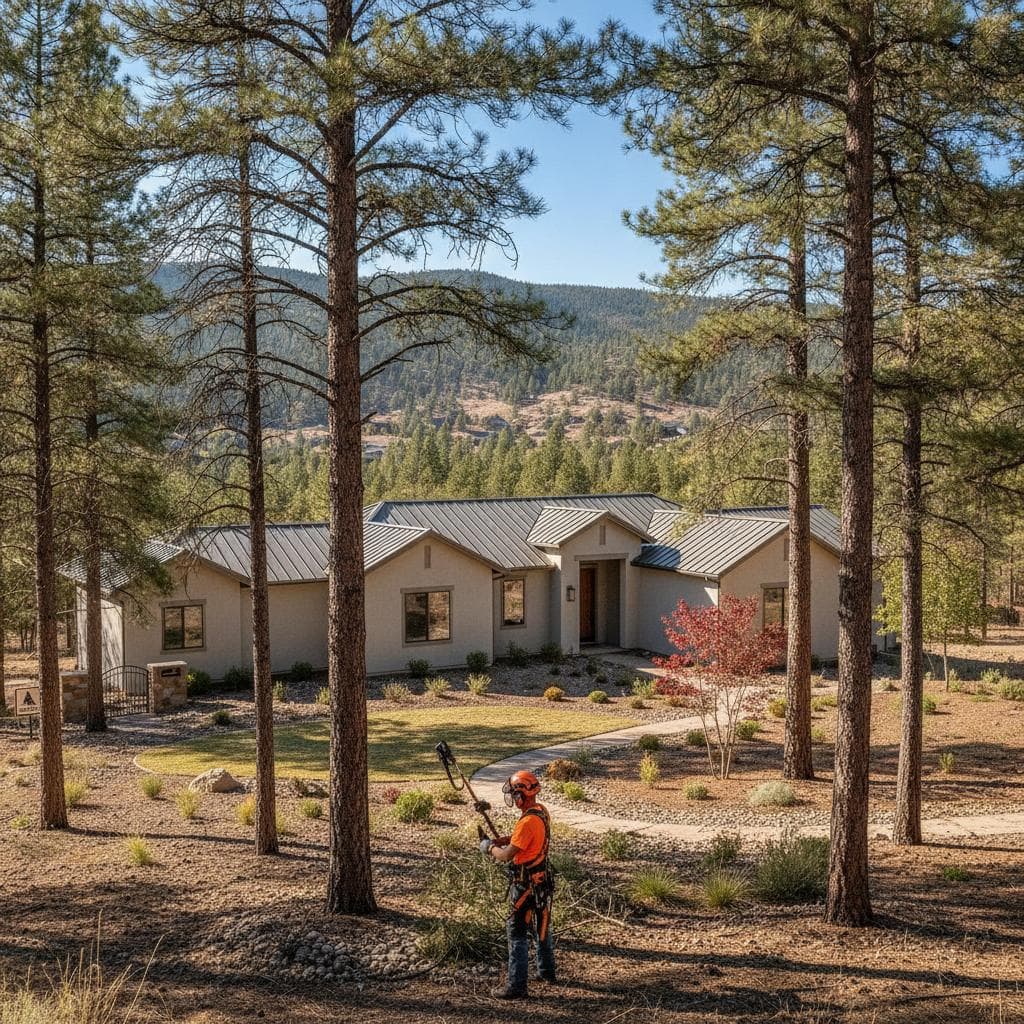
Homeowners Face New Tree Pruning Rules in Eight States
Homeowners across eight states are adjusting to new tree pruning regulations. These rules aim to reduce wildfire risk and improve defensible space around homes. The requirements call for more frequent maintenance and stricter distance guidelines for vegetation near structures, utilities, and property lines.
The updates form part of a broader effort to manage vegetation responsibly. Property owners now carry greater responsibility and risk penalties for unsafe conditions. Clear information on the changes helps owners stay compliant while protecting their homes.
Reasons Behind Updated Pruning Standards
The regulations respond directly to recent wildfires that damaged residential areas. State agencies and fire departments identified unmanaged trees and dense vegetation as primary factors in fire spread. Enforcing defined pruning and spacing standards limits fuel buildup and creates effective defensible zones.
A defensible space is an area where vegetation management slows or stops fire before it reaches a structure. In most affected states the rules target three goals. They reduce vertical and horizontal fuel continuity. They improve access for emergency responders. They promote proactive maintenance over reactive cleanup.
Factors That Shape Compliance Needs
Property conditions determine how the rules apply in each case. Tree species and growth rate matter because fast-growing varieties such as eucalyptus or pine need more frequent attention. Distance from structures requires trimming of branches that overhang roofs or sit close to walls. Topography on slopes or in windy zones calls for extra clearance to limit ember travel. Local climate in drier regions often imposes stricter spacing requirements.
Owners should contact their local fire authority or environmental agency for exact standards. Some states mandate inspections or require certification for contractors.
Defensible Space Zones Explained
Most states organize properties into zones that guide vegetation management.
- Zone 1 covers the area within 30 feet of the home. Branches must stay clear of roofs, decks, and chimneys. Dead leaves and twigs require regular removal.
- Zone 2 extends from 30 to 100 feet. Trees need spacing that prevents fire from moving between canopies. Grass stays short and low branches that act as ladder fuels are removed.
- Zone 3 forms the outer property area. Natural vegetation remains but receives thinning to slow fire spread and maintain emergency access.
These zones build layered protection for structures and surrounding land.
Steps in a Wildfire-Focused Pruning Process
Certified arborists follow a structured approach to meet safety and compliance standards.
- Assessment identifies hazardous trees, deadwood, and branches near structures.
- Planning sets goals such as crown thinning or canopy raising to improve spacing.
- Pruning removes selected branches with proper tools while preserving tree health.
- Debris removal clears, chips, or hauls away cut material to eliminate flammable accumulation.
- Final inspection confirms that clearance and spacing meet local fire codes.
The work may require several hours or multiple visits based on property size and tree density.
Professional Service Versus DIY Work
Homeowners can handle light pruning, yet wildfire compliance often requires professional skill. Large limbs, ladders, and chainsaws near power lines create serious hazards. A certified arborist completes the job safely and meets legal standards. Professionals also spot diseased or weak trees that could fail in wind or fire.
Owners who choose DIY methods use clean, sharp tools and keep at least ten feet from overhead lines. Gloves, helmets, and safety glasses remain essential.
Selecting a Qualified Arborist
Look for arborists who hold current ISA certification and carry liability insurance. Request references from recent local projects and confirm experience with wildfire regulations in your state. Obtain written estimates that detail scope, timeline, and debris disposal. Verify that the crew follows ANSI A300 pruning standards to protect long-term tree health.
Frequently Asked Questions
Which states have adopted new tree pruning rules?
Eight states with elevated wildfire risk have updated vegetation management regulations. These states lie mainly in western and southern regions that experience dry conditions.
How much does professional wildfire pruning cost?
Prices range from several hundred dollars for small yards to several thousand dollars for large or wooded properties. Cost depends on tree size, access challenges, and debris volume.
How often should pruning occur to maintain compliance?
Most properties need service every one to three years. Fast-growing species or dense canopies may require annual visits.
Can fines result from noncompliance?
Yes. Many jurisdictions issue citations or fines when required clearances are not maintained, especially if hazards contribute to fire risk.
Do the rules cover ornamental and fruit trees?
Yes. All trees inside defensible space zones must satisfy clearance standards. Pruning techniques may vary to support fruit production or preserve shape.
What occurs with overly aggressive pruning?
Removing more than one-third of the canopy at once weakens trees and raises pest or disease risk. Cuts should avoid the main trunk.
Scheduling Ongoing Maintenance
Regular inspections each spring and fall keep properties aligned with current standards. Track growth patterns of individual trees and adjust frequency accordingly. Consistent attention reduces emergency costs and supports both safety and property value over time.