
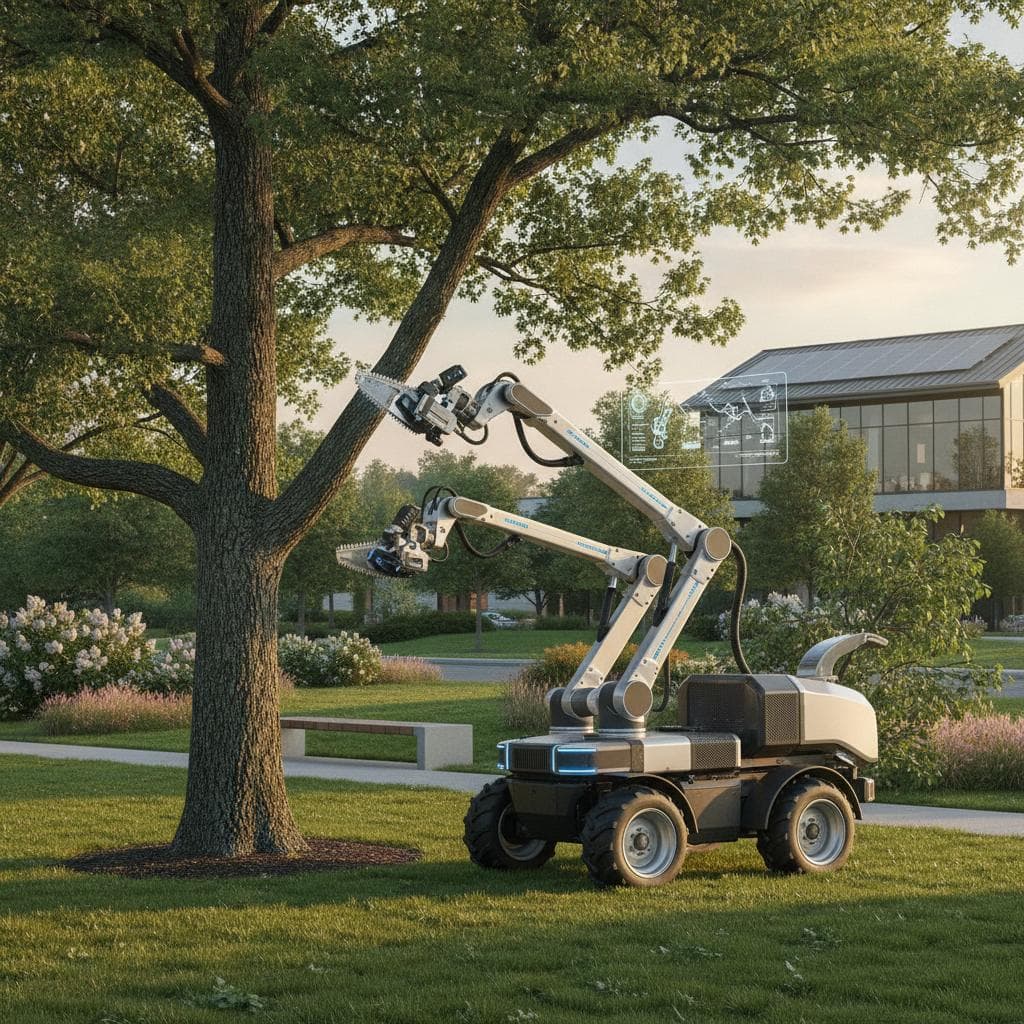
Robotic Pruning Cuts Tree Labor Costs by 60%
Homeowners and property managers seek effective ways to maintain tree health without excessive expenses. Pruning remains essential for safety and growth yet often ranks among the most demanding tasks in landscape management. Robotic pruning technology reduces labor costs by as much as 60 percent. This approach alters professional tree service operations. The following sections detail the technology, associated costs, operational processes, and comparisons to conventional methods.
What is Robotic Pruning?
Robotic pruning employs automated equipment fitted with sensors, cameras, and cutting mechanisms to trim trees. These machines recognize branches requiring removal and execute precise cuts. Artificial intelligence integration accelerates the procedure while enhancing accuracy and decreasing dependence on manual effort.
Average Robotic Pruning Costs
Costs for robotic tree pruning typically fall between 150 and 800 dollars. Factors include tree dimensions, species, and site complexity. Conventional methods range from 300 to 1200 dollars for comparable services. Reduced labor requirements generate these savings.
| Tree Size | Average Robotic Pruning Cost Range |
|---|---|
| Small Tree (under 20 ft) | $150 - $250 |
| Medium Tree (20-40 ft) | $250 - $500 |
| Large Tree (40-60 ft) | $500 - $800 |
Robotic pruning delivers consistent professional results through a combination of human oversight and automated equipment. Service providers increasingly adopt this hybrid model to balance safety with operational efficiency.
Factors Affecting the Cost of Robotic Pruning
Tree Size
Larger trees demand extended operation time along with greater equipment and energy resources. Smaller trees require less time and therefore incur lower per job expenses.
Tree Condition
Diseased, damaged, or overgrown trees necessitate additional sensor assessment and intricate cutting sequences. Robotic systems identify weak limbs through integrated detection yet added complexity can elevate overall expenses.
Tree Species
Dense canopy species such as oak and maple require more processing time than lighter varieties including birch and pine. The guiding algorithm adapts to branch thickness and density which directly influences duration and pricing.
Location and Accessibility
Robotic units require stable level ground for reliable function. Confined areas, steep terrain, or proximity to power lines may necessitate manual support and extend service duration.
Time of Year
Demand fluctuations during peak pruning periods affect scheduling and rates. Robotic systems operate throughout the year yet off peak appointments sometimes yield more favorable pricing.
Urgency
Storm related or emergency limb removal may still require conventional response. Routine maintenance benefits most from automation while urgent calls incur higher fees due to rapid mobilization.
The Robotic Pruning Process
Robotic pruning follows a structured sequence overseen by trained technicians.
- Initial Assessment and Quote
A technician measures the tree and generates a digital map to guide the robotic unit. - Setup and Calibration
The machine is positioned and sensors map branch locations together with canopy density. - Automated Scanning
Cameras and laser sensors identify branches that obstruct growth or create hazards. The system calculates an efficient cutting sequence. - Precision Cutting
The robotic arm removes selected branches according to established arboricultural standards that promote healthy regrowth. - Cleanup and Data Review
Debris is collected and the system records branch health metrics for future planning. The technician verifies outcomes prior to departure.
This sequence typically requires half the time of traditional pruning while collected data supports predictive maintenance scheduling.
DIY vs. Hiring a Professional Robotic Pruning Service
When to DIY
Homeowners may safely address light trimming on small shrubs or young trees using manual tools.
When to Hire a Pro
Professional robotic pruning suits any tree exceeding 15 feet in height or located near structures, roadways, or utility lines. Equipment calibration and safety protocols require certified expertise.
| Scenario | DIY or Professional |
|---|---|
| Small sapling trimming | DIY |
| Mature tree near home | Professional |
| Dense or diseased branches | Professional |
| Routine shaping of hedges | DIY or Professional |
| Large canopy thinning | Professional |
How to Hire a Tree Service Using Robotic Technology
- Check for Credentials and Insurance
Confirm that the provider employs certified arborists and maintains appropriate liability coverage. - Ask About Equipment and Training
Verify use of approved robotic systems and technician proficiency in automated operations. - Review References and Work Samples
Examine customer feedback and visual documentation of prior projects. - Get Multiple Estimates
Obtain at least two detailed quotes to compare pricing and service inclusions.
Frequently Asked Questions
How much does it cost to prune a 50-foot tree with a robot?
A 50 foot tree typically costs between 500 and 800 dollars. Canopy density and site access determine the final amount.
Is robotic pruning cheaper than traditional tree trimming?
Yes. Robotic pruning lowers costs by up to 60 percent through reduced labor hours and faster setup. Savings become especially evident on large properties containing multiple trees.
Can robotic pruning handle diseased trees?
Yes, under supervision. The system detects irregular patterns and compromised branches yet an arborist must decide on removal or treatment.
What trees benefit most from robotic pruning?
Large regularly maintained specimens such as oak, maple, and elm respond well because their structure aligns with automated mapping capabilities.
Is robotic pruning safe for the environment?
Yes. Electric or battery powered tools reduce fuel emissions and limit physical stress on the tree.
Selecting a Robotic Pruning Provider
Property owners achieve reliable outcomes by evaluating provider credentials, equipment standards, and service scope before engagement. This preparation supports consistent tree health and cost control over successive maintenance cycles.