
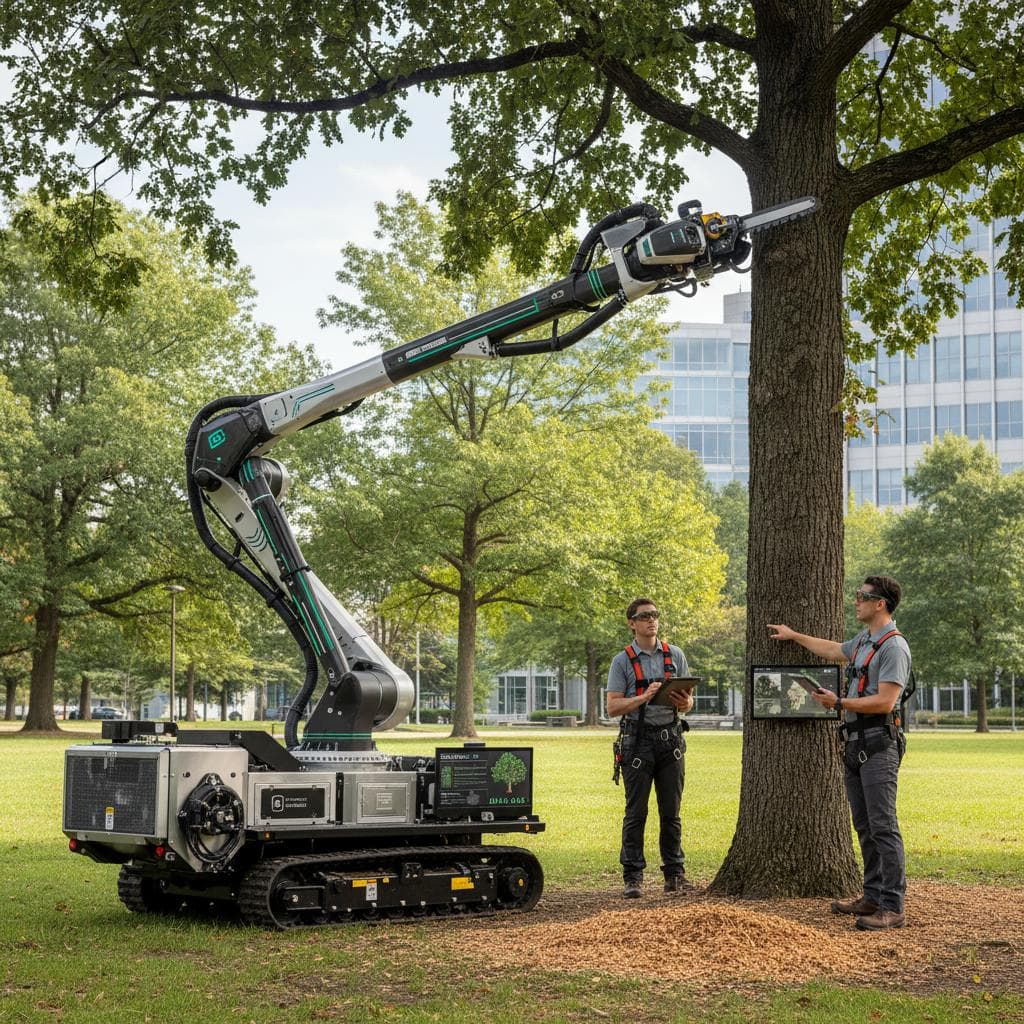
Robotic Pruning Delivers 50% Tree Care Savings This Year
Robotic pruning technology is transforming tree maintenance by cutting costs for homeowners by up to half. Automated pruning systems complete routine trimming, canopy shaping, and branch removal faster, more safely, and more precisely than manual crews. The result is healthier trees, fewer accidents, and lower long-term expenses.
This advancement in tree care technology is no longer experimental. Many professional arborists now integrate robotic systems into daily operations to handle repetitive cuts, assess canopy density, and optimize pruning schedules. For homeowners, this means faster service, consistent quality, and more predictable pricing.
Key Factors That Influence Robotic Tree Care Costs
The cost of robotic pruning typically ranges from moderate to high depending on the size and species of trees, property access, and the equipment used. Homeowners can expect to pay roughly half of what traditional manual pruning would cost for comparable results. Several factors influence the final price.
- Tree Size and Type: Larger trees with dense canopies require more time for the robotic system to map and trim. Smaller ornamental trees cost less to maintain.
- Accessibility: Trees located near fences, power lines, or buildings may require manual assistance. This can slightly increase the total cost.
- Service Frequency: Regular maintenance schedules reduce costs per visit since the robotic system collects data for future pruning patterns.
- Technology Used: Advanced robotic systems with high-resolution sensors and adaptive algorithms may cost more upfront but require less labor and fewer repeat visits.
Overall, robotic pruning offers a more predictable pricing model compared to traditional methods, which often depend on manual labor availability and weather delays.
Understanding How Robotic Pruning Works
Robotic pruning uses automated machinery equipped with cameras, sensors, and precision cutting tools. The system scans the tree canopy, identifies branches that need removal, and then executes cuts with a consistent level of accuracy that human operators can rarely match.
Most robotic systems operate through a combination of these components:
- High-Resolution Scanning: Cameras and lidar sensors build a 3D model of the tree to identify structural weaknesses and overcrowded branches.
- Data Analysis: Software algorithms interpret the scan and create an optimal pruning plan that supports healthy growth while maintaining the tree natural shape.
- Precision Cutting: Mechanical arms or drones equipped with cutting tools execute the plan, removing branches in a controlled manner.
- Performance Monitoring: The system records results and updates its data for the next maintenance cycle.
This process eliminates guesswork and ensures every cut follows arboricultural standards. The data-driven approach also improves the long-term health of trees by avoiding over-pruning or uneven cuts.
Signs You Could Benefit from Robotic Pruning
Not every homeowner needs robotic pruning, but it becomes a strong option when traditional trimming is costly, time-consuming, or risky. You may benefit from this technology if:
- You have multiple trees that require regular trimming.
- Your property includes tall or hard-to-reach trees.
- You have experienced inconsistent results from manual crews.
- You want to reduce the risk of property damage or worker injury.
- You value precise, data-based maintenance that promotes sustainable growth.
These systems are particularly effective for properties with mixed landscapes, where each tree species requires unique attention. Automated technology can store pruning profiles for each species, guaranteeing consistent care over time.
The Robotic Pruning Process: Step-by-Step
Homeowners often wonder what happens when a robotic pruning service arrives. The process is straightforward and efficient.
- Initial Assessment: A certified arborist evaluates your trees and determines whether robotic pruning is suitable. Some trees with severe disease or structural issues may still require manual intervention.
- Scanning and Mapping: The robot or drone scans the tree canopy to build a detailed 3D model.
- Pruning Plan Creation: Software generates a pruning map showing which branches will be trimmed and why.
- Execution: The robotic system performs the cuts, guided by real-time feedback from sensors.
- Quality Check: The arborist inspects the results to ensure safety and aesthetic standards are met.
- Clean-Up and Data Storage: Debris is removed, and the system logs data for future visits.
This step-by-step process ensures safety, consistency, and minimal disruption to the property.
DIY vs. Hiring a Professional Robotic Tree Service
While automated pruning might sound like something homeowners can handle themselves, the technology requires professional oversight. The machines are complex, and improper use can lead to injury, tree stress, or property damage.
DIY Robotic Pruning Challenges:
- High equipment costs and limited availability for non-professionals.
- Risk of damaging tree structure without arboricultural training.
- Lack of proper calibration tools for sensors and cutting arms.
- No liability coverage if an accident occurs.
Hiring a Professional Service Benefits:
- Certified arborists oversee every step for safety and compliance.
- Access to advanced robotic equipment without ownership costs.
- Consistent, data-backed pruning schedules for long-term health.
- Insurance coverage and safety protocols protect your property.
The best approach is to work with a licensed and insured tree care company that integrates robotic equipment with expert human supervision.
How to Choose a Qualified Tree Specialist
- Certification: Confirm that the arborist is certified by a recognized organization.
- Experience with Automation: Ask how long they have used robotic systems and how many projects they complete on average.
- Safety Record: Request details about their safety practices, equipment checks, and insurance coverage.
- Maintenance Plans: Choose a provider offering regular care programs rather than one-time services.
- Transparent Pricing: Reputable companies provide written estimates and explain how robotic pricing compares to manual trimming.
FAQ: Robotic Pruning and Tree Care Technology
Is robotic pruning safe for all types of trees?
Robotic pruning is safe for most species, including oaks, maples, and pines. However, trees with severe rot or disease may still require manual care to avoid spreading pathogens.
How much money can I expect to save?
Homeowners typically save about half compared to traditional pruning services. The reduction comes from lower labor costs and faster completion times.
Does robotic equipment damage the bark or branches?
No. The machines use calibrated cutting tools that create clean, precise cuts. This helps the tree heal faster and reduces the risk of infection.
Can robotic pruning handle storm-damaged trees?
Robotic systems can assist with storm cleanup, but severely damaged trees often need manual evaluation first to ensure structural safety.
How often should trees be pruned using automation?
Most trees benefit from annual or semi-annual pruning, depending on their species and growth rate. The robotic data logs help determine the optimal schedule for each tree.
Do robotic systems operate in poor weather?
Most robotic pruning systems require dry conditions for accurate scanning and cutting. Professional crews monitor weather forecasts to schedule safe operation windows.
Is this technology environmentally friendly?
Yes. Robotic pruning reduces fuel use, waste, and carbon emissions by completing tasks more efficiently and minimizing repeat visits.
Moving Toward Smarter, Safer Tree Care
Robotic pruning represents a major advancement in modern arboriculture. By combining expert human oversight with precise automation, homeowners can achieve healthier trees, safer working conditions, and significant cost savings.
Ready to improve your tree health and reduce maintenance costs? Connect with a trusted local tree care professional who offers robotic pruning services.