
How Robot Climbers Will Slash Tree Trimming Costs by 35% by 2026
Homeowners across the country seek reliable methods to maintain tree health and property safety while managing expenses. Robotic tree climbers emerge as a transformative tool in arboriculture, automating hazardous tasks to deliver professional results at reduced rates. Projections indicate these systems will lower trimming costs by up to 35% as adoption grows. This article details the mechanics of robotic technology, cost breakdowns, influencing factors, and practical steps for integrating it into tree care routines.
Understanding Robotic Tree Trimming
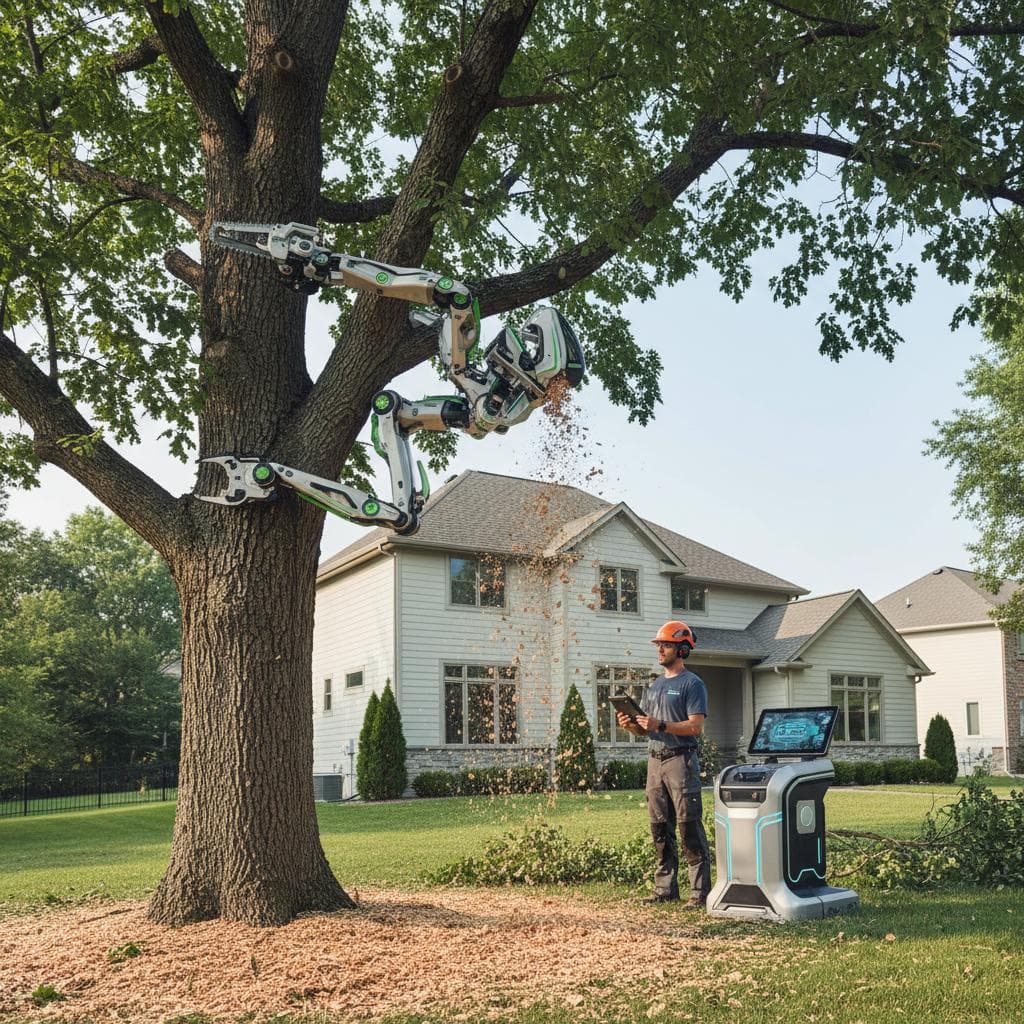
Robotic tree trimming involves specialized machines that ascend trunks using mechanical grips or wheeled mechanisms. These devices integrate high-resolution cameras, LiDAR sensors, and precision cutting arms to identify and sever branches according to predefined parameters or real-time operator input. Certified arborists oversee operations, ensuring compliance with safety standards and tree health guidelines.
This approach combines established arboricultural practices with advanced automation, minimizing physical strain on workers and accelerating project timelines. As a result, services achieve greater consistency in cut quality and reduced risk of human error.
Current Tree Trimming Costs and Projections
Standard tree trimming expenses vary widely based on project scope, typically falling between $250 and $1,200 per tree, with a national midpoint of $600. Widespread robotic integration promises to trim these figures by approximately 35%, potentially adjusting ranges to $163 to $780. The table below outlines costs by tree size, reflecting both current and anticipated adjustments.
| Tree Size | Current Cost Range | Projected Robotic Cost Range |
|---|---|---|
| Small (under 30 ft) | $150 - $350 | $98 - $228 |
| Medium (30-60 ft) | $300 - $700 | $195 - $455 |
| Large (over 60 ft) | $800 - $1,500 | $520 - $975 |
These estimates account for variables like regional labor rates and equipment access, with robotics primarily driving savings through efficiency gains.
Key Factors Influencing Robotic Tree Trimming Expenses
Tree Dimensions
Taller or broader trees demand extended machine operation, as climbers must traverse greater heights and denser foliage. For instance, a 40-foot oak might require 20% more runtime than a 20-foot shrub, directly impacting billing.
Health and Structural Integrity
Trees in robust condition allow for straightforward pruning, enabling robots to execute cuts at optimal speeds. In contrast, those affected by pests or structural weaknesses necessitate slower scans and selective removals, increasing time by up to 50%. Sensor arrays in modern robots detect such issues early, guiding arborists toward targeted interventions.
Species Characteristics
Wood hardness and branching habits vary across species, influencing tool performance. Dense hardwoods like hickory demand reinforced blades, while softer conifers such as cedar permit faster processing. Adaptive algorithms in robotic systems modulate torque and speed, ensuring minimal bark damage and extended equipment life.
Site Accessibility
Proximity to utilities or structures complicates access, often requiring additional precautions. Robotic climbers bypass traditional rigging by self-ascending, cutting setup time by half in urban settings. This efficiency offsets premiums for high-risk locations near overhead lines.
Seasonal Demand
Spring and fall surges in service requests elevate rates due to backlog. Automation enables crews to complete 30% more jobs daily, stabilizing prices year-round and reducing wait times for non-urgent work.
Response Urgency
Storm-damaged trees command higher fees for immediate action. Robots excel in adverse weather, operating via remote control to clear hazards swiftly without exposing personnel, thus moderating emergency surcharges.
Step-by-Step Robotic Tree Trimming Procedure
Professional services follow a methodical sequence to guarantee safety and efficacy. Homeowners benefit from this streamlined workflow, which shortens durations compared to conventional methods.
-
Site Evaluation and Proposal Development
Arborists conduct on-site analyses using drones or ground inspections to assess tree stability and pruning needs. They recommend robotic application where feasible and provide itemized quotes outlining scope and savings. -
Regulatory Compliance and Risk Mitigation
Teams secure necessary permits for public or protected trees, developing contingency plans for potential complications like unstable limbs. -
Site Preparation and Equipment Deployment
Crews secure the perimeter, relocate obstacles, and anchor the climber at the trunk base. Calibration tests verify adhesion and sensor accuracy before ascent. -
Execution of Pruning Operations
The machine navigates canopy layers, pausing for operator approvals on critical cuts. Integrated AI assists in branch prioritization, completing tasks with sub-inch precision. -
Debris Management and Final Inspection
Fallen material undergoes on-site chipping or bundling for removal. Arborists perform walkthroughs to confirm structural integrity and aesthetic balance.
Overall, robotic processes conclude 25-40% faster, enhancing cost-effectiveness without compromising thoroughness.
Evaluating DIY Pruning Against Professional Services
Suitable DIY Scenarios
For minor upkeep on compact trees under 10 feet, individuals can employ hand pruners or extendable loppers to excise deadwood or shape growth. Focus on accessible, low-hanging elements away from electrical hazards to avoid injury.
Necessity of Expert Intervention
Complex scenarios, including mature trees or those near infrastructure, demand certified professionals. Unauthorized robotic use risks equipment malfunction and liability issues; experts ensure adherence to ANSI standards and provide post-service guarantees.
Selecting a Robotic-Equipped Tree Care Provider
Reliable partnerships yield optimal outcomes and financial benefits. Prospective clients should prioritize verified expertise in automation.
-
Credential Verification
Seek International Society of Arboriculture certification and proof of comprehensive insurance policies covering automated operations. -
Technology Integration Inquiry
Inquire about specific robotic models, integration levels, and demonstrated cost reductions from prior projects. -
Comparative Bidding
Solicit detailed proposals from three providers, evaluating inclusions like travel fees and post-trim health assessments. -
Reputation Assessment
Review online testimonials and request case studies highlighting robotic efficiency and client satisfaction. -
Contractual Clarity
Finalize agreements specifying timelines, payment structures, and resolution protocols for any deviations.
Common Queries on Robotic Tree Services
Pricing for 50-Foot Pine Removal
Full removal of a 50-foot pine generally incurs $500 to $1,000, factoring in stump grinding and debris clearance. Robotic assistance could reduce this to $325 to $650 by streamlining ascent and cutting phases.
Trimming Versus Complete Removal Economics
Pruning remains the more economical choice for ongoing care, preserving tree value and landscape integrity. Removal suits irreparable specimens, involving extensive labor that robotics mitigates but cannot eliminate entirely.
Optimal Timing for Pruning Activities
Dormant seasons minimize stress on trees and sap flow, ideal for most deciduous varieties. Evergreen work aligns with post-growth periods; robotics facilitates off-season tasks when conditions permit safe machinery use.
Insurance Implications for Preventive Trimming
Policies reimburse damage from fallen trees but exclude proactive maintenance like robotic pruning. Document services for potential claims related to hazard mitigation.
Maximizing Benefits from Automated Arboriculture
Robotic climbers enhance tree longevity and property resilience by enabling precise, timely interventions. Homeowners gain from diminished risks, accelerated schedules, and sustained affordability as technology proliferates. Embracing these advancements supports proactive landscape stewardship, safeguarding investments for years ahead.