
Mycelial Mapping Reduces Tree Removal Risks by Half
Tree removal ranks among the most hazardous tasks in residential landscaping. Homeowners frequently face concerns over property damage, personal injuries, and unexpected expenses when dealing with large or diseased trees. Mycelial mapping offers a new solution by identifying underground fungal networks that connect and stabilize tree roots. This technique has demonstrated the ability to cut removal risks in half through improved planning and precision.
The following sections cover the definition of mycelial mapping, its impact on safety, associated costs, and steps for selecting qualified professionals.
What is Mycelial Mapping?
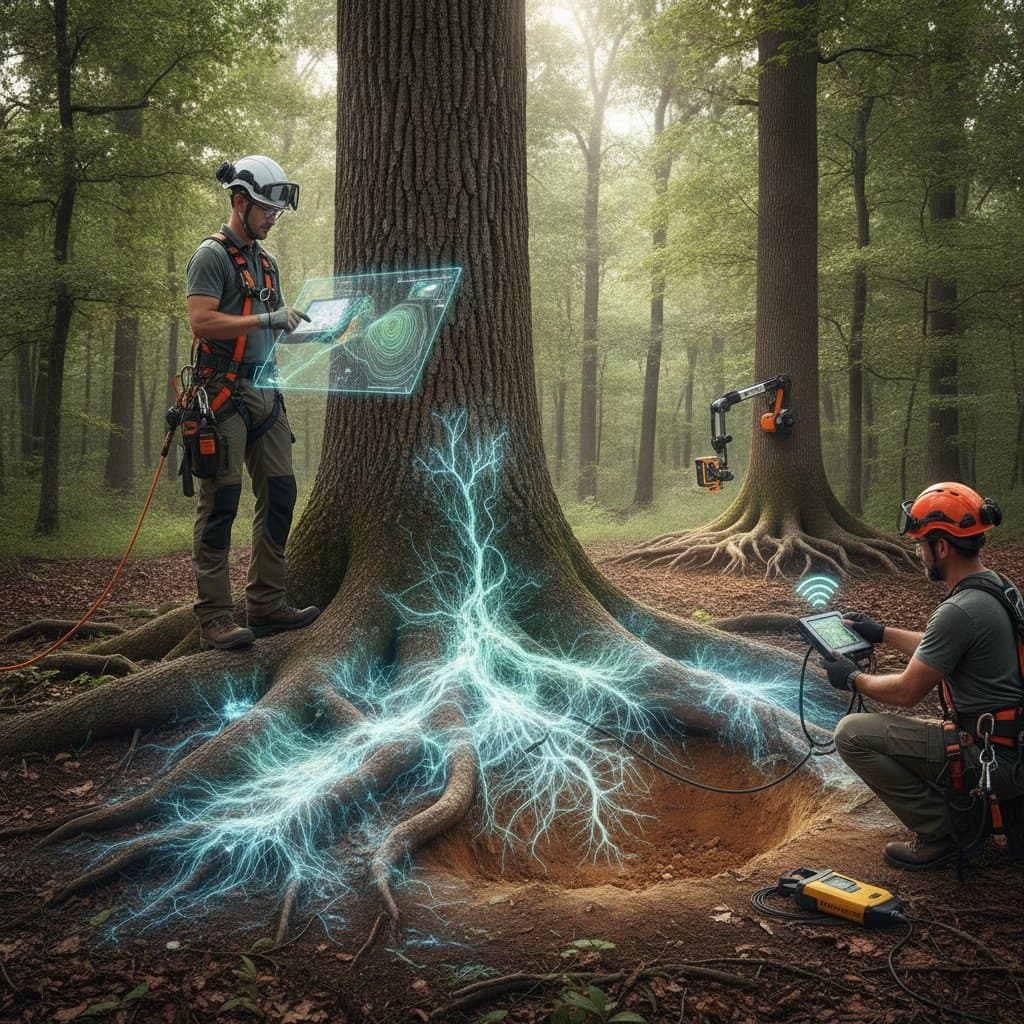
Mycelial mapping uses sensors and soil samples to locate and visualize fungal networks known as mycorrhizal systems. These networks link tree roots over wide areas and facilitate nutrient exchange. Arborists convert the collected data into digital models that show root depth, spread, and connections to neighboring trees. The resulting maps support safer cutting decisions and limit disturbance to surrounding soil.
Average Cost of Mycelial Mapping for Tree Removal
Homeowners typically pay between 200 and 600 dollars for mycelial mapping on a single tree. When mapping is bundled with full removal, total expenses usually fall between 400 and 1500 dollars. The added mapping fee is frequently recovered through lower risk of damage and shorter project duration.
| Factor | Average Cost Range |
|---|---|
| Small Tree (under 20 ft) | 200 - 400 |
| Medium Tree (20-40 ft) | 400 - 700 |
| Large Tree (over 40 ft) | 700 - 1200 |
| Complex Root Systems | 1000 - 1500 |
Factors Affecting the Cost to Use Mycelial Mapping
Tree Size
Larger trees possess deeper and wider root systems that demand more extensive scanning and analysis. Greater canopy width and trunk diameter increase both mapping time and overall expense.
Tree Condition
Dead or diseased trees often feature weakened roots that fragment fungal networks. Arborists may require extra soil samples to trace remaining viable paths and produce an accurate model.
Tree Species
Species such as oak and pine maintain stronger fungal partnerships than others. Arborists adjust mapping intensity according to these biological differences to ensure reliable results.
Location and Accessibility
Trees near buildings, driveways, or utilities require higher mapping precision. Restricted access zones can necessitate specialized equipment and raise service fees.
Urgency and Scheduling
Emergency work commands higher rates because crews must rearrange priorities and travel quickly. Advance booking of mapping and removal keeps costs lower.
The Mycelial Mapping and Tree Removal Process
- A certified arborist visits the property, assesses tree health, and supplies a written estimate that covers both mapping and removal.
- Technicians deploy sensors and collect soil samples to trace fungal and root networks, then generate a digital map from the data.
- The crew examines the map to select safe cut locations and to protect nearby trees and soil stability.
- Removal proceeds with controlled cuts that reduce vibration and ground disturbance.
- After the tree is down, crews stabilize the soil and inspect adjacent trees for continued root health.
DIY vs. Hiring a Professional for Mycelial Mapping
Homeowners may handle light pruning on small saplings. Consumer soil test kits supply only basic fungal activity readings and cannot generate the detailed maps required for safe removal of mature trees.
Professional mapping becomes necessary for any tree near structures, fences, or power lines. Certified arborists possess the instruments and expertise to interpret data, execute compliant removals, and safeguard surrounding vegetation.
How to Hire a Tree Service That Offers Mycelial Mapping
- Confirm that arborists hold current certifications from recognized industry bodies and have completed training in soil and fungal analysis.
- Verify that the company maintains liability and workers compensation insurance.
- Ask whether the team employs current mapping technology or works with soil biologists.
- Obtain written estimates from at least three providers and compare scope, timeline, and pricing.
- Require a contract that details mapping procedures, removal steps, cleanup standards, and final cost.
Frequently Asked Questions
How does mycelial mapping make tree removal safer?
The maps reveal root and fungal structure so arborists can anticipate tree movement during cutting. This knowledge lowers the likelihood of sudden root failure, soil slippage, or harm to neighboring trees.
Is mycelial mapping necessary for every tree removal?
Mapping adds the greatest value when trees stand close to buildings or when root decay is suspected. Straightforward removals of small, isolated trees may proceed safely without it.
Does mycelial mapping help with stump grinding?
Yes. The same root maps guide grinder depth and direction, which reduces the chance of damaging nearby utility lines or root systems of remaining trees.
Will mycelial mapping affect nearby landscaping?
Mapping minimizes excavation and vibration, which helps preserve lawns, flower beds, and adjacent plantings. Post-removal soil stabilization further protects the site.
Next Steps for Property Owners
Mycelial mapping combines ecological data with practical safety measures to produce cleaner, lower-risk tree removals. Homeowners who select services equipped with this approach gain reduced accident potential, limited property impact, and improved long-term soil conditions.