
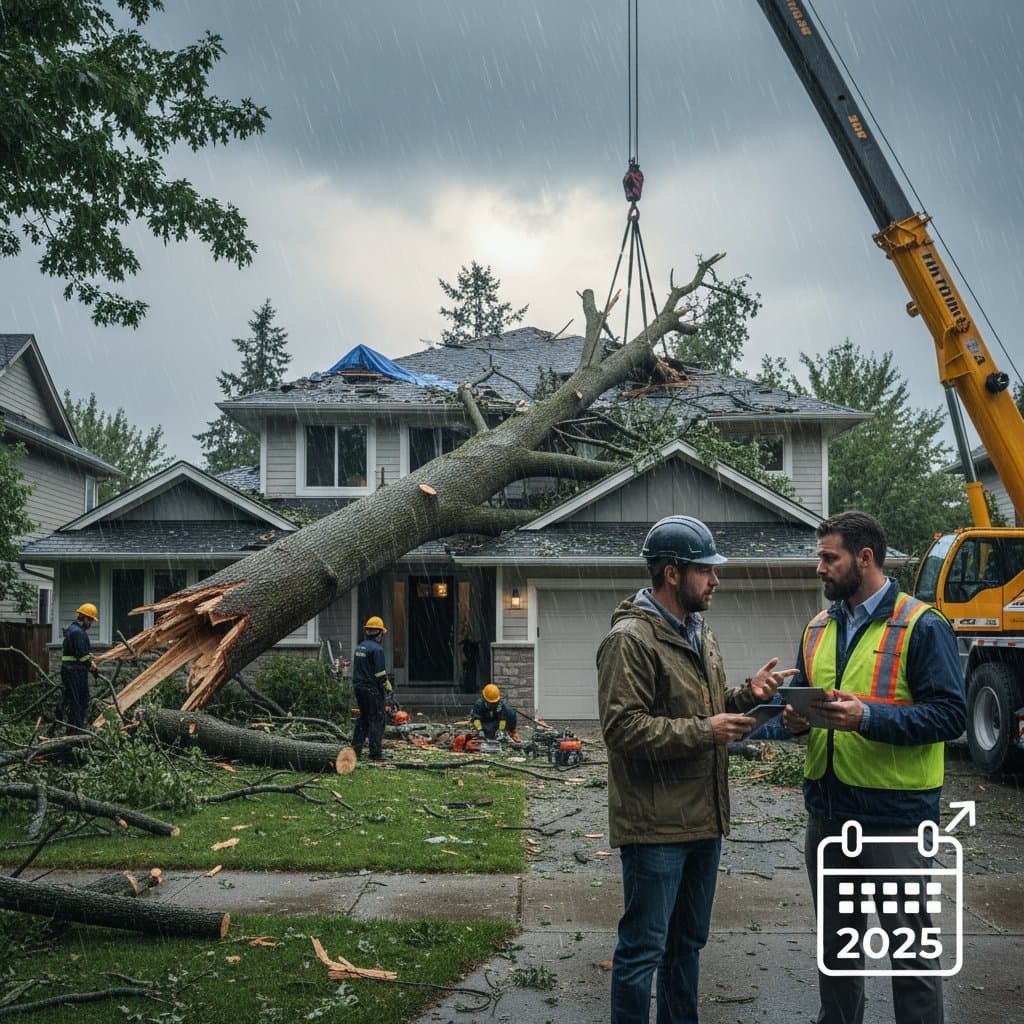
Tree Claims Surge 65% With New Storm Rules
Major storms bring fallen trees that generate financial burdens alongside physical destruction. Insurance companies now report a 65% increase in tree-related claims due to recently implemented storm rules. Homeowners nationwide confront uncertainties regarding coverage, liability, and property protection strategies. Knowledge of these rules empowers individuals to act swiftly and sidestep expensive errors following intense weather events.
This guide details the reasons behind the claim increase, outlines expectations from insurance providers, and provides strategies to reduce risks ahead of the next significant storm.
Tree Damage Claim Costs
National Average Cost
Costs for tree damage claims fluctuate based on damage extent and affected property type. Removal of a storm-fallen tree typically costs between a few hundred dollars for small trees and several thousand dollars for large ones that impact structures, power lines, or vehicles. Claims involving structural repairs frequently surpass multiple thousands of dollars.
Cost by Severity and Location
- Minor Damage: Trees falling in open spaces or affecting only fences and landscaping generally yield lower claim values.
- Moderate Damage: Trees impacting detached structures such as sheds or carports elevate costs through debris clearance and minor structural fixes.
- Severe Damage: Large trees striking roofs, garages, or primary living spaces result in substantial claims. Emergency removal and rebuilding efforts significantly inflate expenses.
Geographic location influences pricing as well. Urban settings with restricted equipment access often incur higher removal fees, whereas rural locations experience elevated travel expenses.
Key Cost Factors
Multiple factors determine the ultimate expense of a tree-related claim:
- Tree size and species. Substantial hardwoods prove heavier and demand more intricate removal processes.
- Proximity to structures or power lines. Greater closeness necessitates enhanced safety measures.
- Accessibility. Restricted yard entry prolongs labor and escalates equipment expenses.
- Emergency response. Post-storm service demand surges, which raises rates.
- Insurance coverage type. Policies vary in coverage for damage types and responsibility for removal.
Types of Tree Damage After Storms
Storm damage varieties dictate insurer claim processing and homeowner response protocols.
Uprooted Trees
Intense winds or waterlogged soil can dislodge trees entirely, exposing roots.
Advantages:
- Clear identification of total tree failure simplifies assessment.
- Full coverage applies frequently when the tree contacts a protected structure.
Disadvantages:
- Extensive root and soil disruption occurs.
- Heavy machinery becomes essential for removal.
Broken or Hanging Limbs
Gusts frequently fracture major branches that lodge in the canopy or land on adjacent areas.
Advantages:
- Removal expenses remain lower than for entire trees.
- Partial pruning or trimming often suffices.
Disadvantages:
- Suspended limbs present immediate hazards.
- Specialized climbers or cranes may prove necessary for safe handling.
Split Trunks
Trunk splits render trees precarious and hazardous.
Advantages:
- Documentation for insurance proves straightforward.
- Removal qualifies as urgent service in most cases.
Disadvantages:
- The tree often requires complete elimination.
- Leaning splits toward homes risk further structural harm.
Secondary Damage
Downed trees commonly trigger follow-on problems including roof leaks, shattered windows, or impaired gutters.
Advantages:
- Inclusion in broad storm damage claims occurs routinely for related fixes.
- Justification for comprehensive repair coverage strengthens.
Disadvantages:
- Distinguishing from prior conditions challenges investigators.
- Coordination among various contractors supports full recovery.
Why Tree Claims Are Increasing
The 65% claim escalation links directly to revised insurer interpretations of storm-related damage. New rules expand definitions of weather-induced losses, classifying trees compromised by sustained winds or soaked soil as storm victims more readily.
Additional influences include:
- More intense storms. Escalating wind and rain patterns generate greater claim quantities.
- Aging landscapes. Mature trees adjacent to residences approach vulnerability peaks.
- Increased property development. Denser home placements heighten cross-property damage potential.
- Policyholder awareness. Enhanced coverage understandings prompt more frequent claim submissions.
DIY vs. Hiring a Professional
Homeowners frequently debate self-removal of storm-affected trees. While minor cleanup suits certain scenarios, professional intervention dominates for most storm-induced tree tasks.
DIY Removal:
- Appropriate for ground-level small branches or debris handled securely.
- Immediate labor savings materialize.
Risks of DIY:
- Concealed tensions in limbs provoke unexpected shifts.
- Operations near power lines endanger lives severely.
- Improper techniques exacerbate damage or invalidate insurance approvals.
Hiring a Professional:
- Certified arborists evaluate stability and advise on secure methods.
- Worker and homeowner protections stem from professional insurance.
- Insurer coordination and precise damage recording occur efficiently with experts.
Recommendation:
Engage professionals for any large, structure-leaning, or utility-proximate trees. Thorough records and safety adherence distinguish approved from rejected claims.
How to File a Tree Damage Insurance Claim
Claim submission intensifies stress amid storm aftermaths. A structured approach accelerates approvals and secures equitable reimbursements.
- Document the damage. Capture comprehensive photographs of affected trees and impacted property.
- Prevent further loss. Secure exposed zones with tarps if feasible, and block debris from additional harm.
- Contact your insurer. Report to the company promptly, supplying images, site specifics, and hazard alerts.
- Schedule an inspection. Adjusters assess destruction and align with policy provisions.
- Hire a qualified tree service. Select licensed, insured providers versed in insurance protocols.
- Keep all receipts. Preserve bills for removal, repairs, and interim safeguards to bolster reimbursements.
Tips for Preventing Future Tree Damage
Proactive measures eclipse reactive claim handling in reducing stress. Consistent upkeep and foresight substantially lower risks.
- Schedule regular inspections. Annual arborist evaluations detect decay or instability early in trees.
- Trim overhanging limbs. Maintain clearances from roofs and power lines through pruning.
- Improve drainage. Enhanced soil water management around roots diminishes uprooting threats.
- Remove hazardous trees early. Eliminate trees showing cracks or dead zones prior to storm periods.
- Review insurance coverage. Verify inclusions for tree removal and storm repair in policies.
Frequently Asked Questions
Does homeowners insurance cover fallen tree removal?
Most policies include removal coverage when trees damage covered structures such as houses, garages, or fences. Coverage limits to debris obstructing driveways or access if no structural impact occurs.
Who pays if my neighbor’s tree falls on my property?
Your insurance generally addresses damage to your property regardless of tree origin. Insurers pursue neighbor reimbursement if negligence evidence emerges.
Are dead or diseased trees covered under storm damage claims?
Denials arise for pre-storm dead or neglected trees. Maintenance logs and arborist evaluations demonstrate weather causation over neglect for healthy trees.
How long do I have to file a storm-related tree claim?
Insurers demand immediate notification when safety permits. Postponements hinder processing or diminish awards, particularly with ensuing damage.
Can I choose my own tree removal contractor?
Yes, policies typically permit contractor selection, though insurers might suggest preferred providers for streamlined claims. Ensure the chosen service holds proper licensing and insurance to avoid complications.
What if multiple trees fall during the same storm?
Each tree counts within one incident, applying a single deductible. Policy limits may restrict total debris removal reimbursements, so consult specifics for details.
Prepare Your Property for Storm Season
Grasping new storm rules' impact on tree claims equips homeowners for decisive, assured responses. The notable claim uptick underscores preparation, thorough records, and expert assistance as essentials.
Assess properties, refine insurance terms, and connect with reliable tree services before impending storms. Such forward actions preserve homes and tranquility amid nature's challenges.