
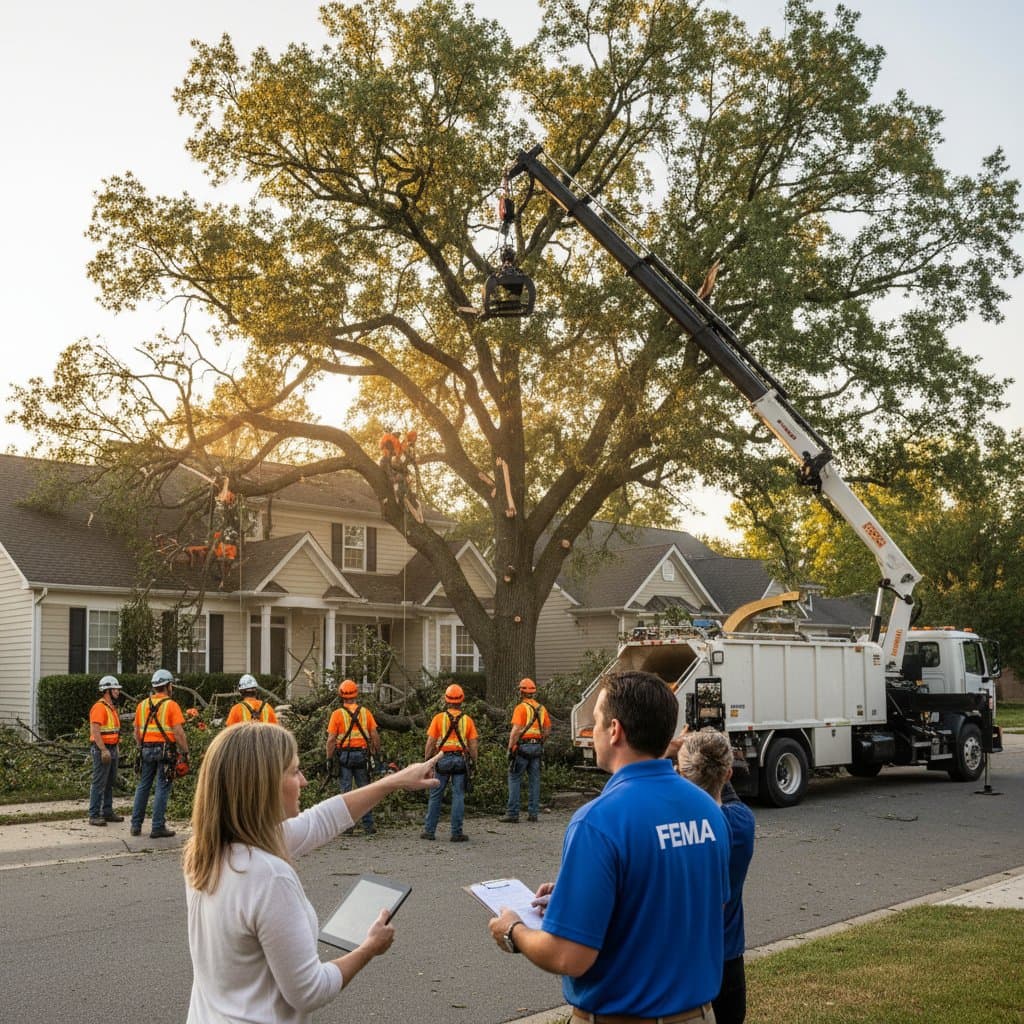
Understanding FEMA's 2025 Tree Removal Coverage
The Federal Emergency Management Agency (FEMA) plays a vital role in aiding communities after natural disasters. For 2025, FEMA introduces an expanded policy that covers the full costs of tree removal following severe storms. This initiative targets homeowners whose properties suffer damage from fallen trees, branches, or debris in federally declared disaster areas.
Previously, assistance focused on essential repairs, but the new guidelines prioritize immediate safety and environmental hazards posed by storm debris. Homeowners now receive direct reimbursement or free services through approved contractors. This change addresses the rising frequency of extreme weather events and their impact on residential areas.
Eligibility hinges on the disaster declaration by state and federal authorities. Once declared, residents in affected zones qualify for assistance without extensive prior approvals. The policy ensures that cleanup efforts prevent further damage, such as to foundations or power lines.
Eligibility Criteria for Homeowners
To access FEMA's tree removal benefits, property owners must meet specific requirements. First, the incident must occur within a federally declared disaster zone, as announced by the President or FEMA officials. Storms qualifying include hurricanes, tornadoes, floods, and severe wind events that cause widespread tree damage.
Homeowners need to own the affected property or hold legal tenancy rights. Rental properties qualify if the landlord or tenant reports the damage, but coordination between parties is essential. FEMA excludes cosmetic or preventive removals; only trees posing immediate risks or blocking access receive coverage.
Documentation forms the backbone of eligibility. Applicants submit proof of ownership, such as deeds or tax records, alongside photos or videos of the damage. FEMA evaluators assess the site to confirm the storm's role in the tree fall, ensuring funds target genuine disaster impacts.
Documenting Damage for Successful Claims
Effective documentation increases approval chances and speeds processing. Begin by photographing the affected area from multiple angles, capturing the tree's position relative to the home and any structural threats. Include timestamps and weather reports linking the damage to the storm event.
Maintain a detailed log of impacts, such as blocked driveways or roof punctures from branches. Secure written estimates from local arborists outlining removal scope and hazards. FEMA requires these records within 60 days of the disaster declaration to avoid claim denials.
Digital tools simplify this process. Use smartphone apps for geotagged images or cloud storage for organized files. Submit everything through FEMA's online portal or local disaster recovery centers, where staff guide applicants through verification steps.
The Application Process Step by Step
Applying for FEMA assistance follows a structured path. Start by registering with FEMA via their hotline or website immediately after the disaster declaration. Provide basic contact information and a description of the tree damage to receive an application number.
Next, an inspector visits the property, typically within two weeks. This professional evaluates the removal necessity and estimates costs based on tree size, location, and complexity. FEMA then approves or denies the claim, notifying applicants by mail or email.
Upon approval, homeowners select from a list of vetted contractors. FEMA coordinates the work, covering expenses directly or reimbursing receipts. The entire process aims for completion within 30 to 90 days, depending on disaster scale and backlog.
- Register online or by phone post-declaration.
- Schedule an inspection and prepare documentation.
- Receive approval and contractor assignment.
- Oversee removal and submit final receipts if needed.
Average Costs and Reimbursement Details
Storm tree removal expenses vary by region and damage extent. A single large tree near a home averages $1,000 to $3,000 for professional extraction, including stump grinding and debris hauling. Smaller branches or multiple fallen limbs range from $500 to $1,500.
FEMA's 2025 policy reimburses 100 percent of these costs for eligible removals, up to policy limits per property. Exclusions apply to non-hazardous trees or those on public land. Homeowners pay upfront in some cases but receive full refunds upon verification.
Budget for incidental fees, such as permits or equipment rentals, though FEMA often waives these in disaster zones. Compare local rates to ensure fair pricing; overcharges lead to claim adjustments. This coverage alleviates financial burdens, allowing focus on overall recovery.
Hiring Approved Professionals for Safe Cleanup
Safety remains paramount in post-storm tree removal. FEMA mandates hiring certified arborists or tree service companies listed in their approved vendor database. These professionals possess insurance, bonding, and expertise in handling unstable debris near structures.
Verify credentials through state licensing boards or the International Society of Arboriculture. Avoid unlicensed operators who risk further property damage or personal injury. FEMA provides a referral service connecting homeowners with vetted locals experienced in disaster scenarios.
During removal, ensure workers follow environmental guidelines, such as proper wood chipping for erosion control. Post-cleanup inspections confirm compliance, releasing final payments. This structured approach minimizes liabilities and ensures thorough, hazard-free results.
Expert Tips to Expedite Recovery
Recovering from storm damage requires proactive steps. Clear minor debris yourself if safe, but reserve major removals for professionals to avoid voiding FEMA claims. Coordinate with neighbors for shared contractor hires, reducing individual costs and timelines.
Monitor FEMA updates through official channels for policy extensions or additional aid. Integrate tree removal with broader repairs, like roofing or landscaping, for efficient resource use. Consult local extension services for replanting advice to enhance future storm resilience.
Prioritize high-risk areas first, such as those near electrical lines or entryways. Track all communications with FEMA for dispute resolution if delays occur. These strategies transform overwhelming cleanup into a manageable process.
Securing Your Property's Future After Storms
FEMA's 2025 tree removal coverage empowers homeowners to rebuild swiftly and securely. By understanding eligibility, mastering documentation, and partnering with experts, individuals navigate recovery with confidence. This support not only restores properties but also strengthens community resilience against future weather threats.
Embrace these resources to minimize downtime and financial stress. A well-maintained yard post-removal contributes to long-term safety and aesthetic appeal. Contact FEMA early to leverage this vital assistance and focus on what matters most: returning to normal life.