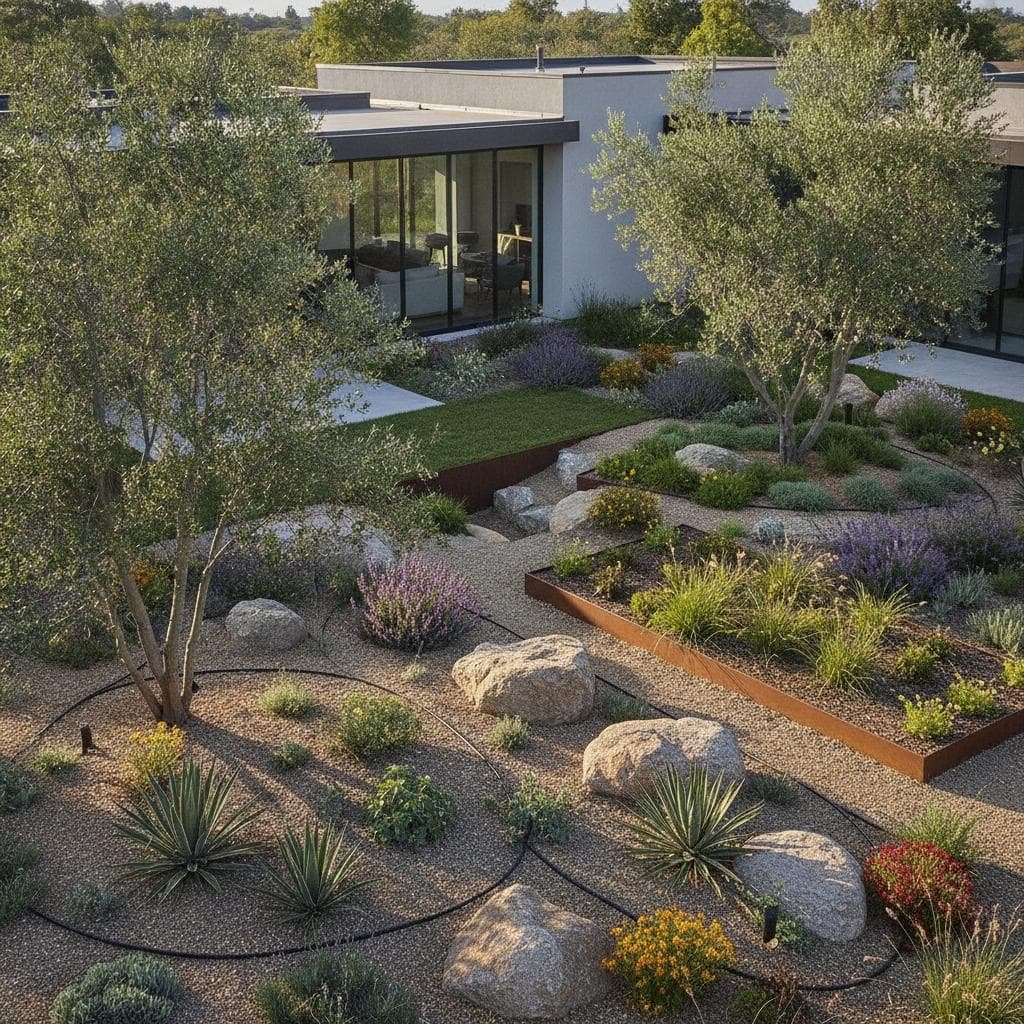
Microclimate Landscaping Cuts Water Bills in Half
Microclimate landscaping tailors plants and design to unique yard conditions. Homeowners can cut outdoor water use by half, reduce bills, and create a resilient landscape with targeted strategies.
Loading...

Microclimate landscaping tailors plants and design to unique yard conditions. Homeowners can cut outdoor water use by half, reduce bills, and create a resilient landscape with targeted strategies.
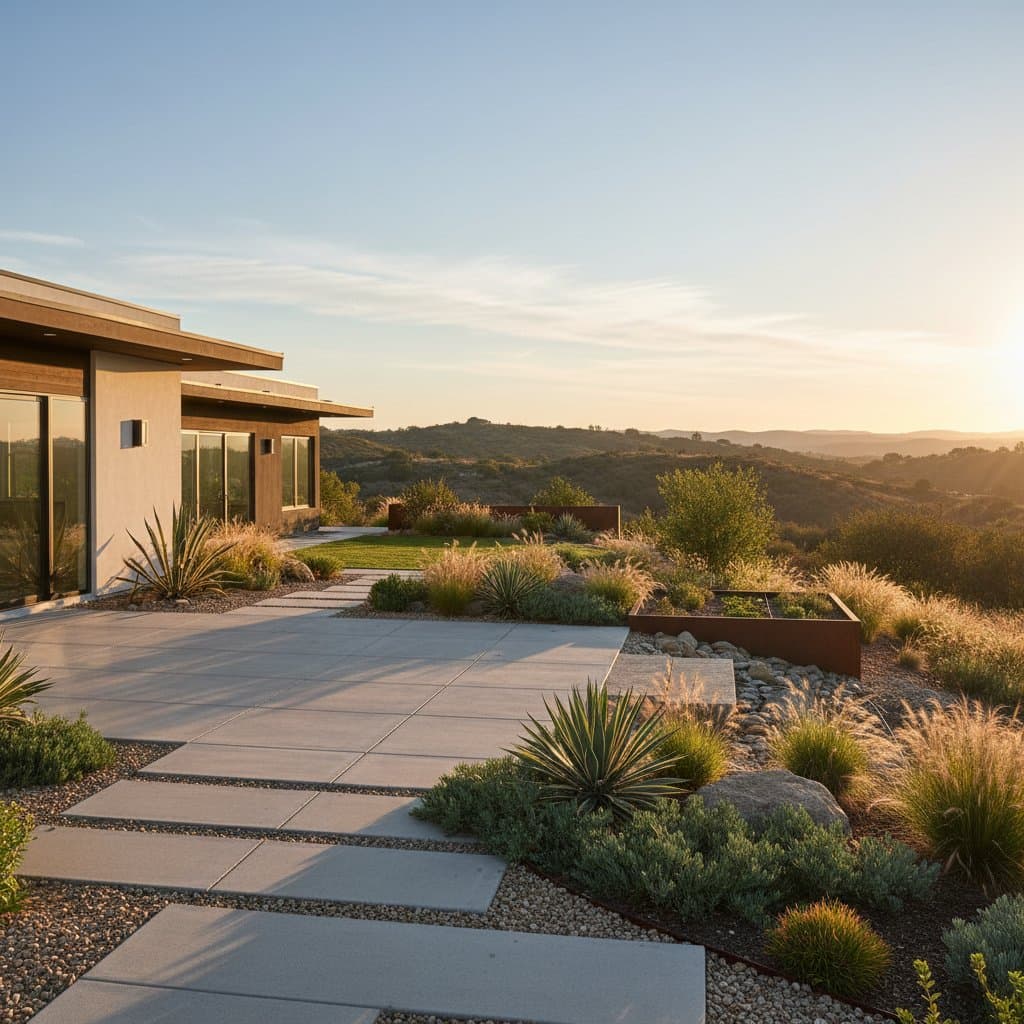
Eight states mandate wildfire-resistant landscaping, transforming outdoor design for safety. These policies promote defensible spaces, resilient plants, and durable materials to shield properties from fires. From California's rigorous standards to Arizona's community programs, compliance ensures secure, appealing yards.
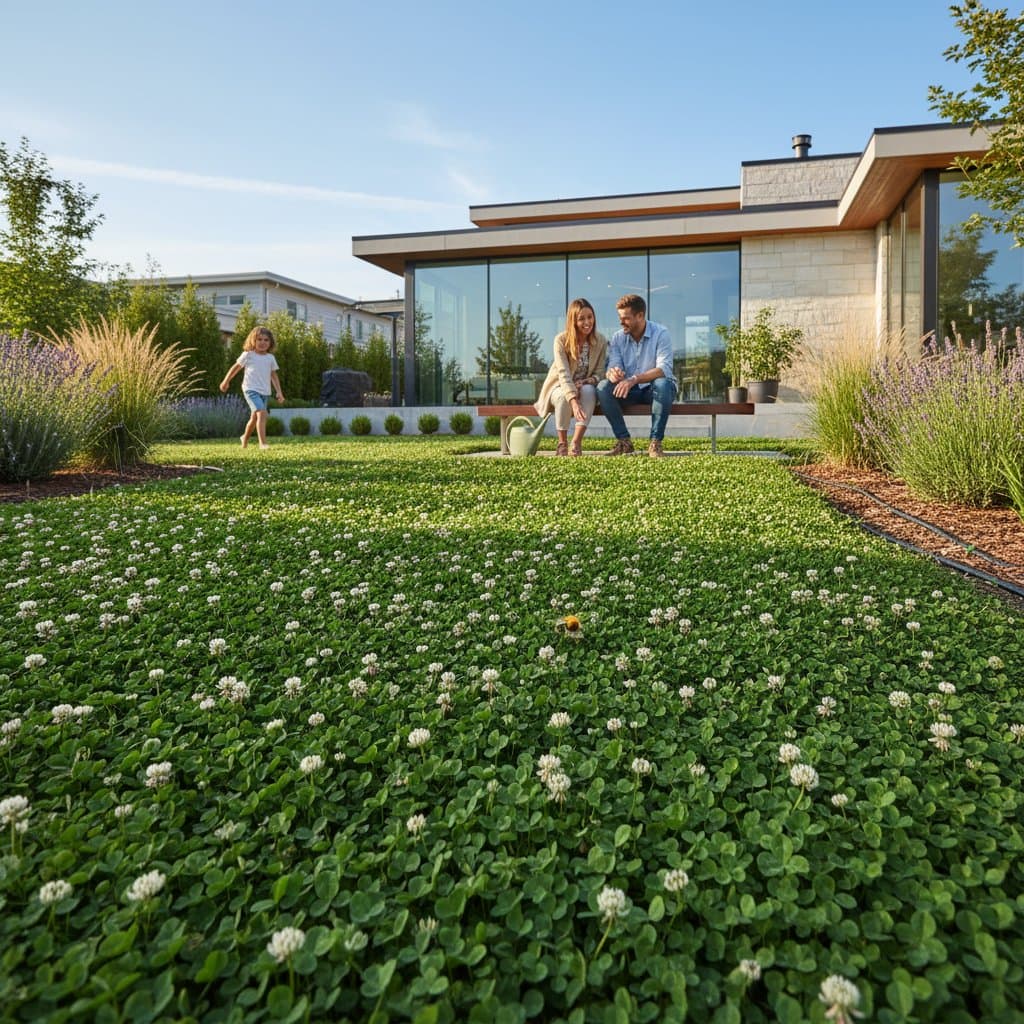
Switch to micro-clover for a vibrant, low-water lawn that saves up to 70 percent on irrigation. This guide covers installation costs, influencing factors, and choices between DIY and professional services, plus benefits for soil and pollinators.

Eight states have enacted fire-resistant landscaping laws, requiring defensible spaces to mitigate wildfire threats. This resource details implementation costs, step-by-step compliance, recommended plants, and professional guidance to balance safety, regulations, and aesthetic appeal amid rising fire risks.
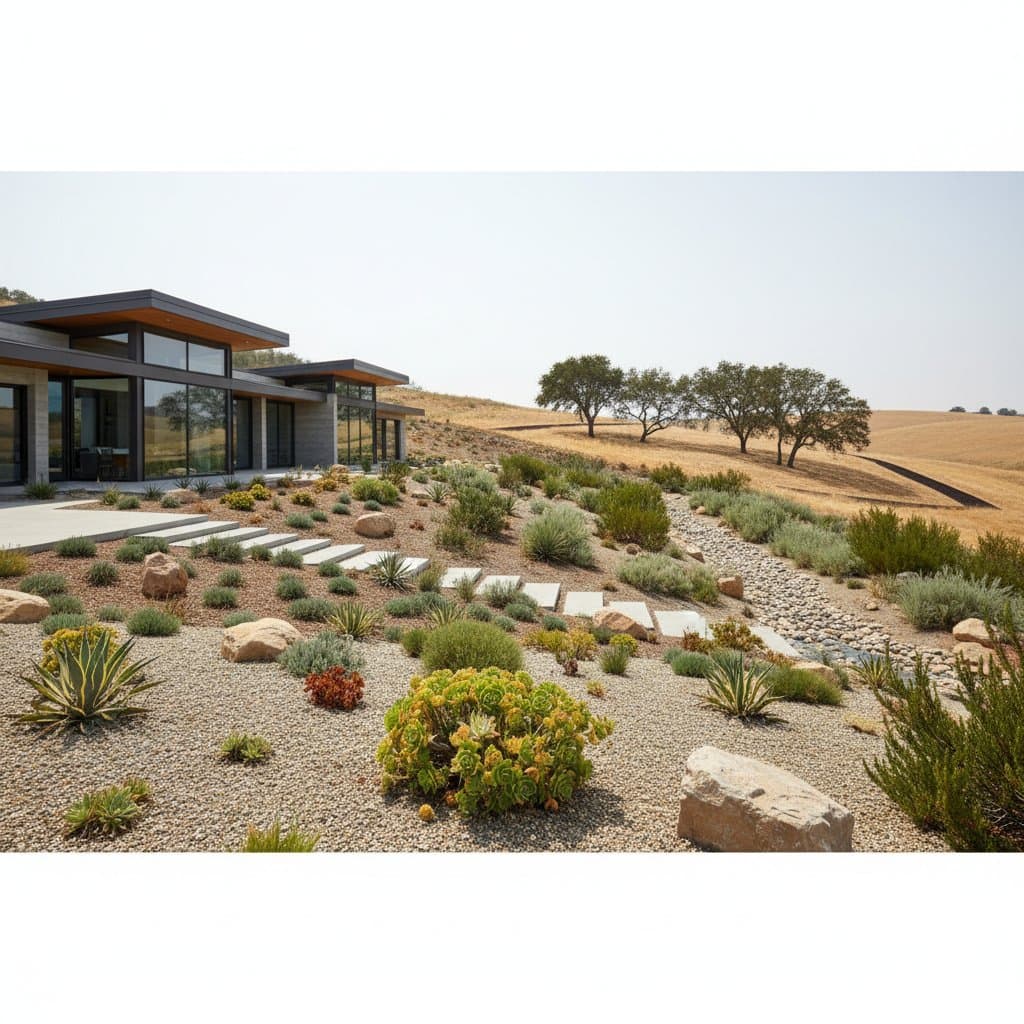
Fire-proof landscaping can mean the difference between losing or saving your home during wildfires. By using fire-resistant plants, strategic spacing, and consistent maintenance, homeowners create defensible zones that slow flames and protect structures. Learn how smart yard design transforms ordinary landscapes into powerful shields against escalating wildfire threats.
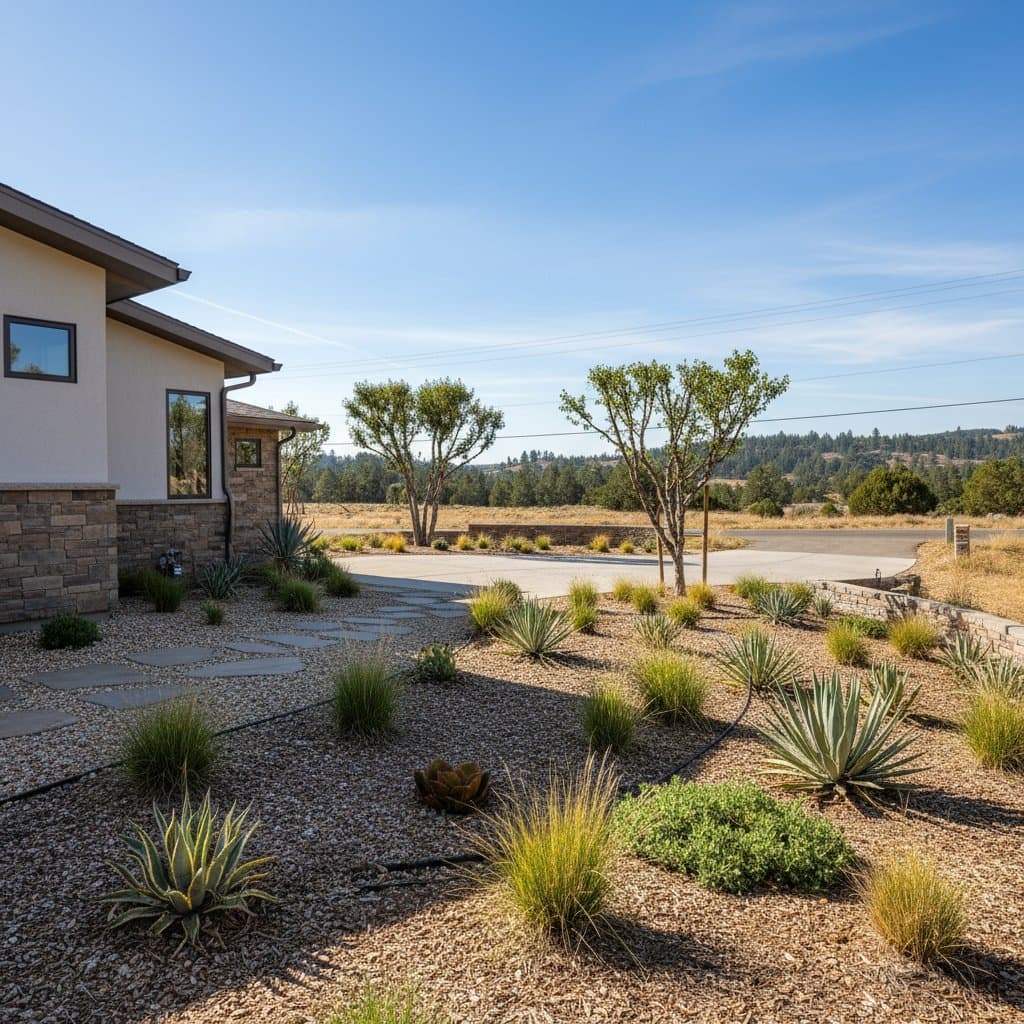
Eight states mandate fire-resistant yards in wildfire-prone areas to enhance safety and reduce risks. These regulations emphasize defensible space, fire-safe vegetation, and durable materials near homes. Compliance safeguards properties, eases insurance concerns, and aids firefighting efforts. Explore core requirements, implementation strategies, expenses, and professional advice for effective protection.
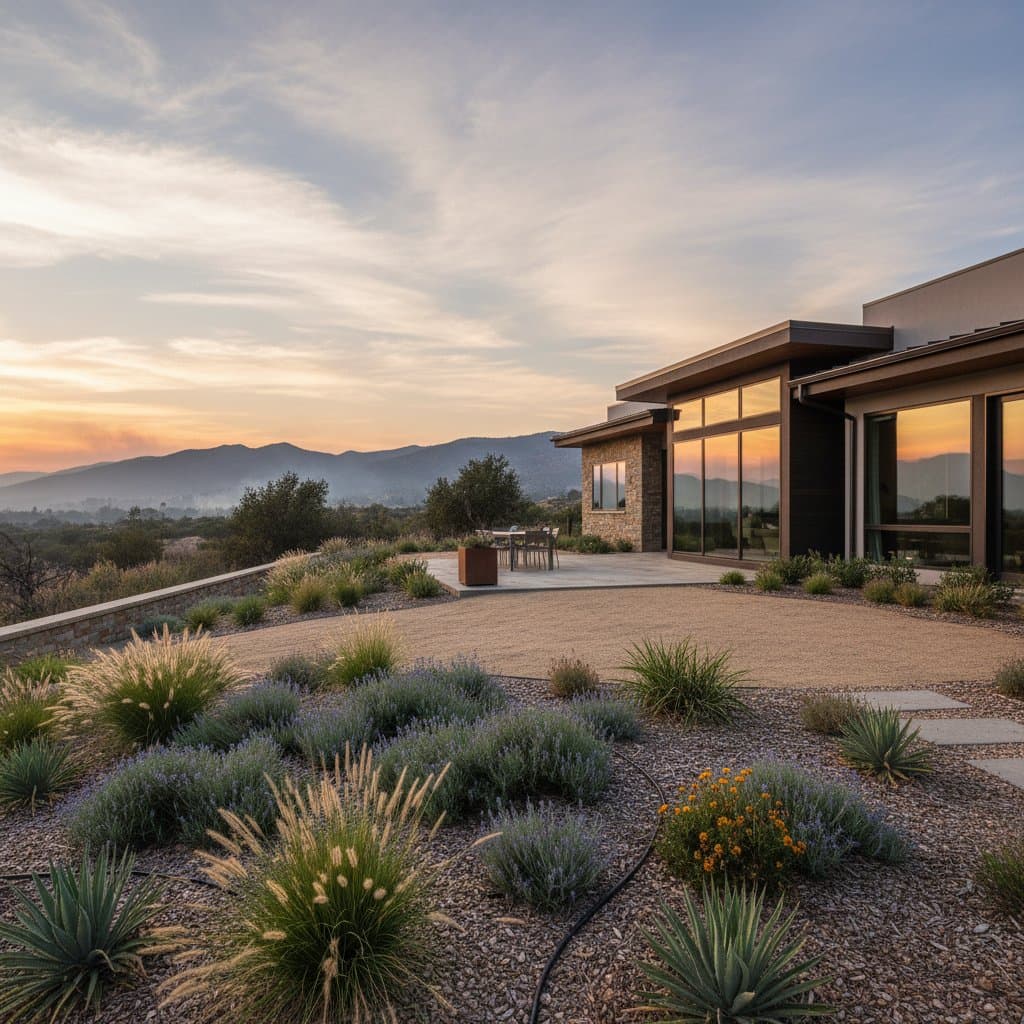
With wildfires intensifying, eight states now enforce fire-resistant landscaping in high-risk areas. This strategy involves crafting defensible spaces with low-flammability plants, durable hardscapes, and targeted irrigation. Expect costs of $2 to $10 per square foot, yielding benefits in safety, regulatory adherence, elevated property values, and resilient, eco-friendly outdoor environments.

As wildfires intensify, eight states enforce fire-resistant yard laws to promote safer communities. Explore state-specific regulations, budgeting insights, zone strategies, plant choices, and step-by-step guidance for building resilient, attractive defensible spaces.
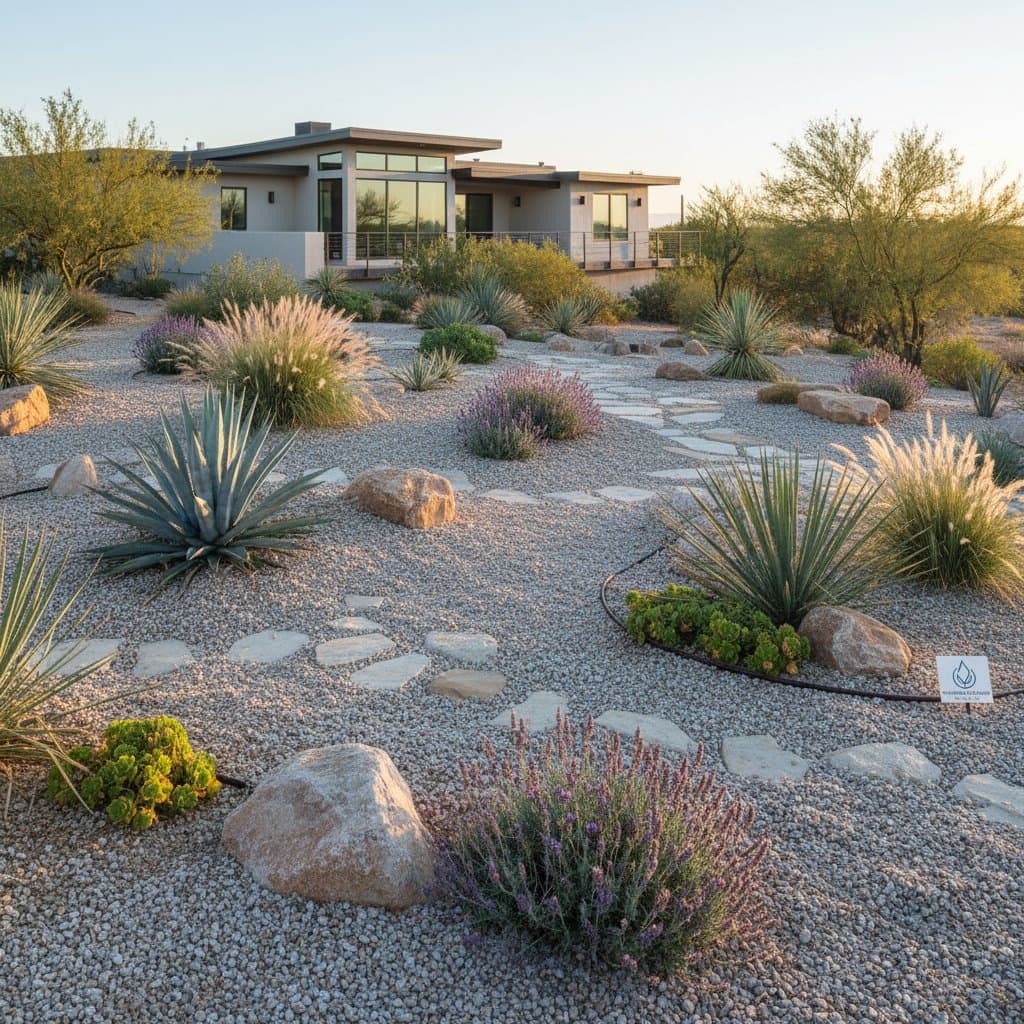
With rising water costs and frequent droughts, gravel gardens provide a sustainable, low-maintenance substitute for traditional mulch landscapes. This comprehensive guide details installation expenses, gravel options, design principles, and upkeep requirements to help you build an attractive, eco-friendly outdoor area that demands little water and delivers enduring savings.
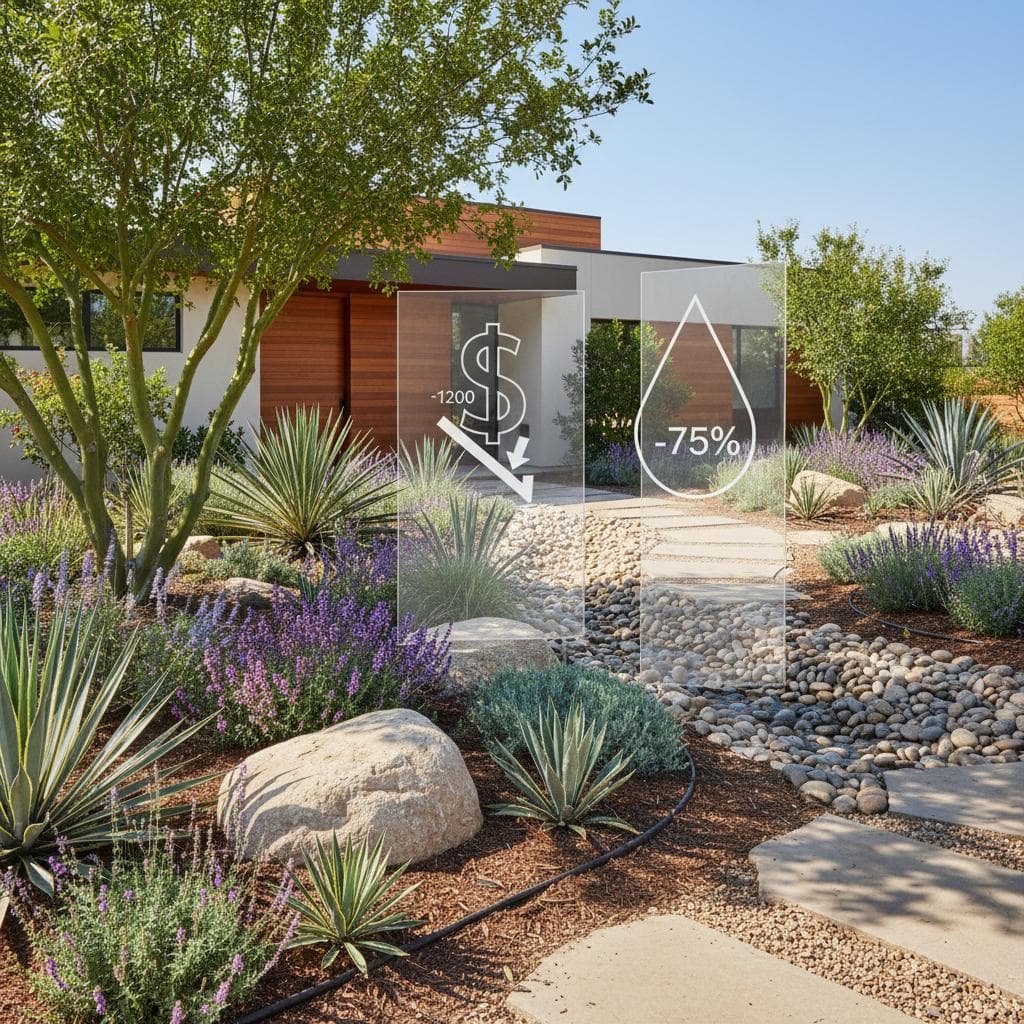
Reduce water costs by up to $1,200 yearly through xeriscaping, which merges aesthetics with eco-efficiency. Explore drought-hardy plants, smart irrigation, and design tips to decrease usage by 75 percent, elevate home value, and secure ongoing savings with ease.

Eight Western states have implemented requirements for fire-resistant landscaping in high-risk wildfire areas. These regulations guide homeowners in establishing defensible zones, selecting appropriate vegetation, and incorporating non-combustible elements. Such measures not only ensure regulatory compliance but also safeguard properties, lower maintenance needs, and foster resilient outdoor environments.
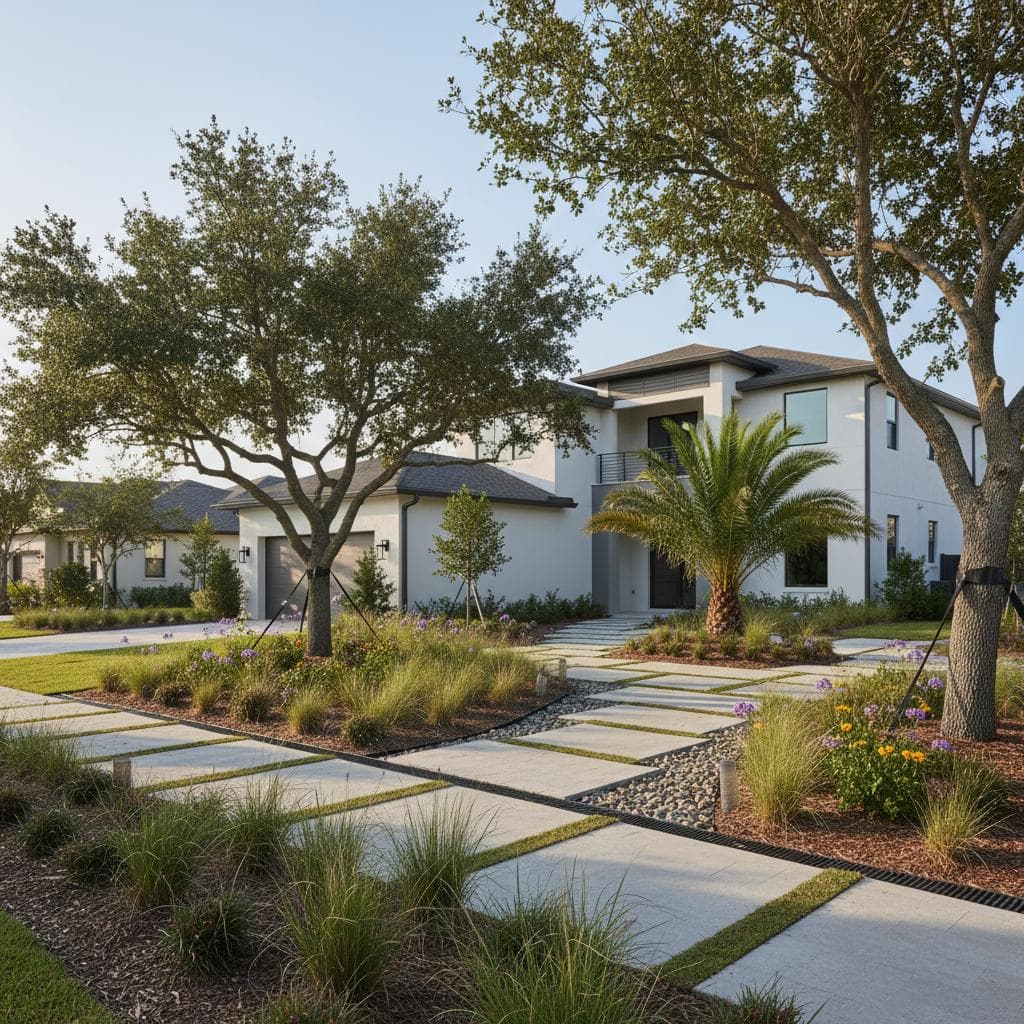
The 2025 landscaping codes mark a shift in storm preparation, empowering homeowners to craft yards that withstand hurricanes while preserving aesthetic appeal. These guidelines cover tree choices, spacing techniques, drainage solutions, and robust materials to shield properties and foster community resilience. Discover practical strategies for converting at-risk landscapes into durable, storm-proof havens.

Homeowners increasingly adopt fire-resistant landscaping to safeguard properties and secure insurance savings of up to 25% in 2025. This method integrates safety, environmental benefits, and aesthetic appeal via defensible zones, native species, and efficient irrigation. Discover associated costs, design techniques, and expert advice for developing a durable, insurance-endorsed landscape resilient to wildfire threats.
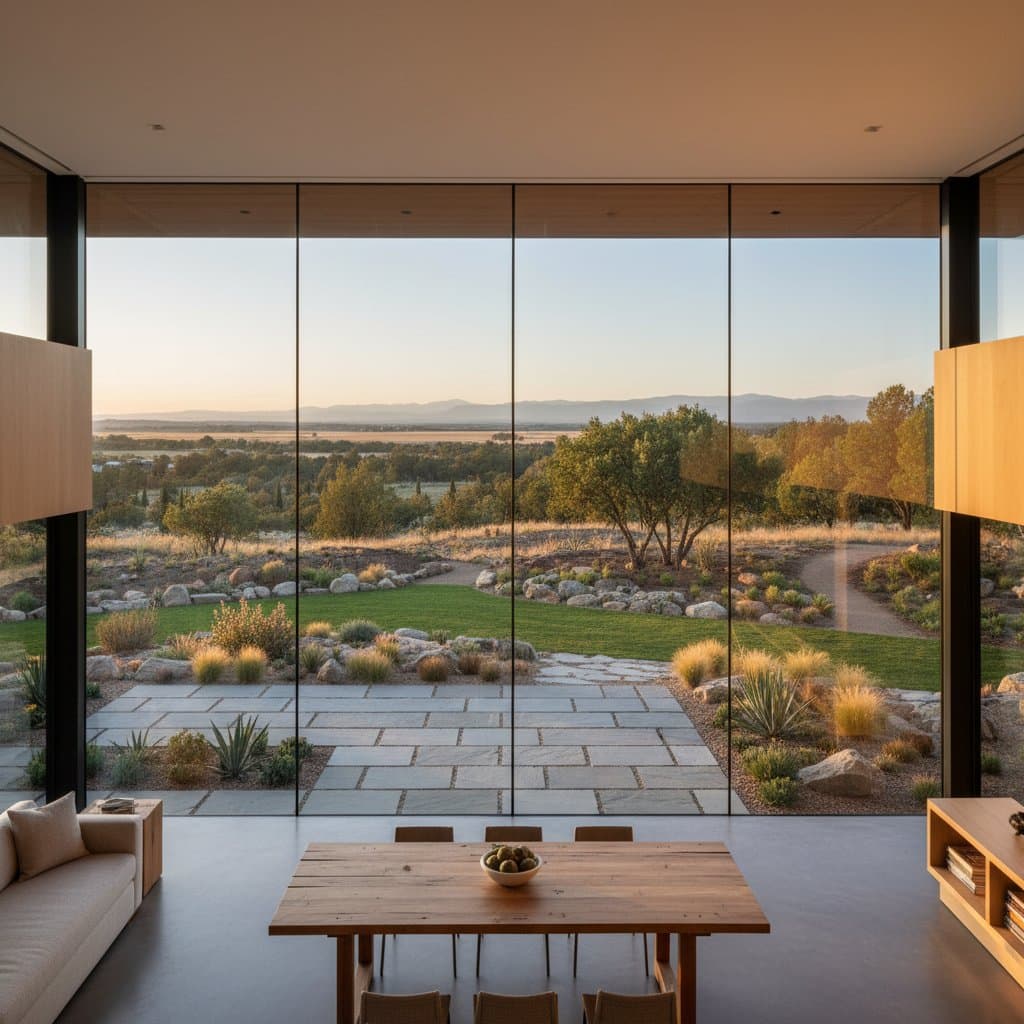
From 2025, California, Colorado, and six other states enforce fire-safe yard standards to curb wildfire spread. This resource covers defensible space essentials, typical expenses, landscaping techniques, and professional hiring tips for compliance and resilience.

With wildfires growing more severe in 2025, fire-resistant landscaping provides homeowners with an essential shield. Strategic elements like moisture-rich plants, gravel barriers, and defensible spaces enhance safety without sacrificing curb appeal. Investment costs depend on scale, yet professional guidance and routine care yield enduring benefits for property protection and value.

In eight wildfire-vulnerable states, homeowners must remove specific trees to mitigate fire risks. These regulations emphasize defensible space, hazardous species, and canopy management. Consult certified experts, follow local guidelines, and opt for fire-resistant replanting to enhance property safety amid escalating wildfire dangers.
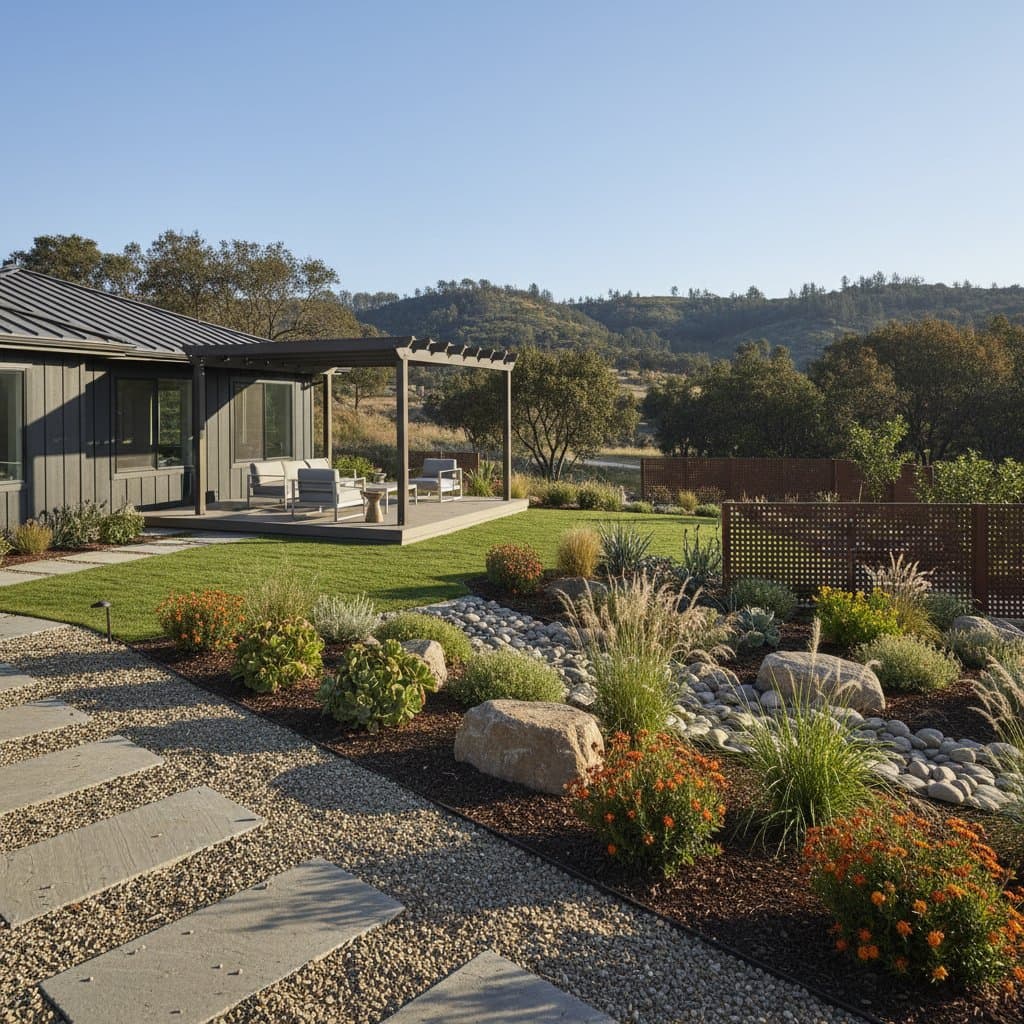
By 2025, eight western states mandate fire-resistant yards to mitigate wildfire threats.