
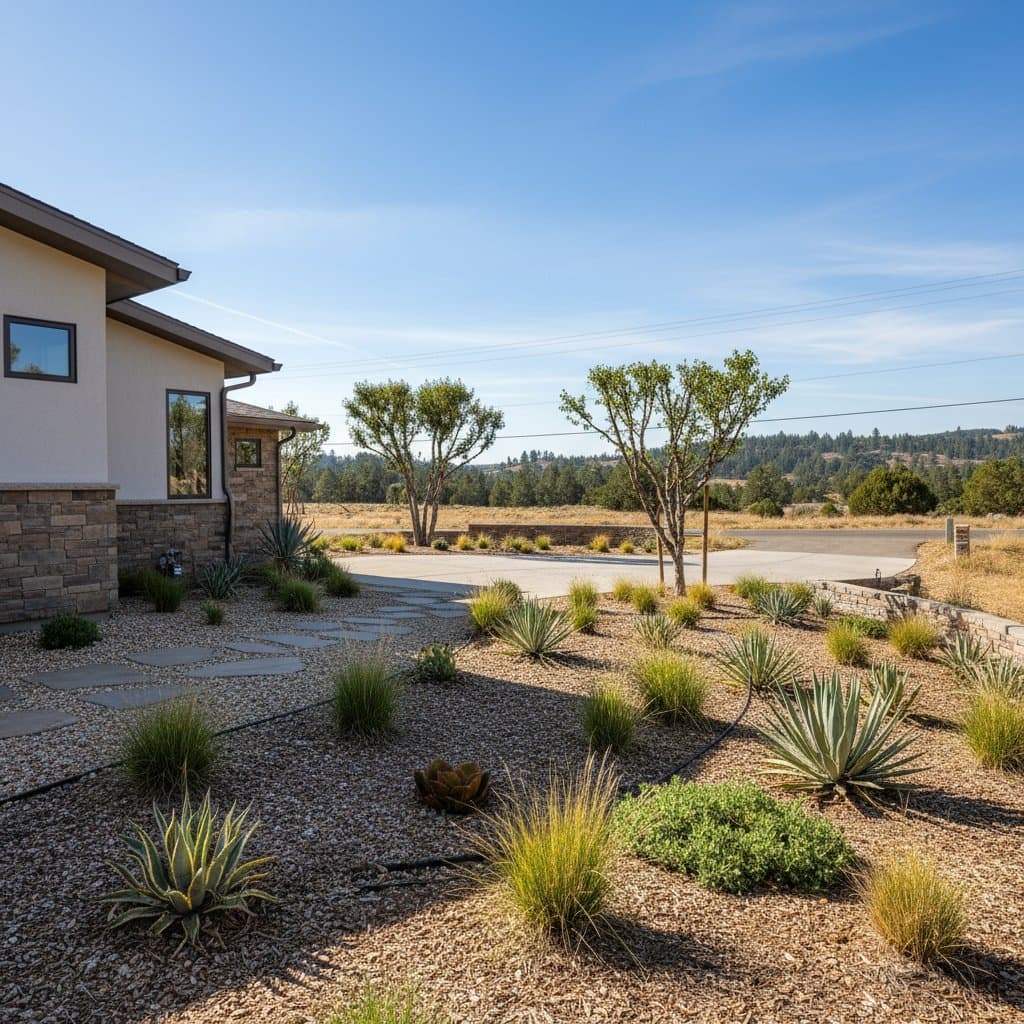
Homeowners in wildfire-prone regions face new obligations to establish fire-resistant landscapes. Eight states require the creation and maintenance of defensible space using specified materials and vegetation practices. These measures aim to limit fire spread, protect structures, and facilitate emergency response efforts.
Compliance involves careful planning of plant choices, spacing, and ongoing upkeep. Property owners benefit from reduced fire hazards, potential insurance savings, and alignment with community safety standards. This guide outlines the regulations, implementation steps, and resources needed for adherence.
Reasons for State-Mandated Fire-Resistant Landscapes
Escalating wildfire intensity, driven by prolonged droughts and overgrown vegetation near residences, prompts legislative action. Governments establish defensible space as a protective buffer that interrupts fire paths and creates workable zones for suppression teams. Such zones typically extend from structures into surrounding wildland areas.
The affected states concentrate in the western and southern United States, where fire threats peak. Regulations target high-risk zones, requiring reductions in flammable elements through targeted vegetation control and material substitutions. Homeowners receive clear directives on permissible practices to foster resilient environments.
Core Elements of Fire-Resistant Landscaping Regulations
While specifics vary by state, regulations converge on fundamental strategies for risk mitigation. Familiarity with these elements ensures broad applicability across jurisdictions.
Standard provisions encompass:
- Establishment of defensible space ranging from 30 to 100 feet, adjusted for terrain slope and fuel types
- Substitution of volatile species, including certain junipers and pines, with resilient alternatives like succulents, native oaks, and maples
- Trimming of tree limbs to maintain at least 10 feet of clearance from roofs, chimneys, and other projections
- Routine clearance of accumulated debris such as dead leaves, needles, and grasses
- Application of non-flammable mulches like gravel, concrete, or stone within five feet of buildings, avoiding organic options
- Positioning of combustible storage, including firewood stacks and propane units, at designated safe distances
Non-adherence risks penalties, elevated insurance costs, or policy denials. Beyond fines, insufficient preparation heightens vulnerability to ember ignition and radiant heat exposure.
Defensible Space Zone Breakdown
Fire authorities delineate defensible space into distinct zones with tailored management protocols. This zoned approach optimizes protection by addressing varying fuel loads and fire behaviors at different distances.
Zone 1: Immediate Zone (0 to 5 Feet)
This closest perimeter demands the strictest controls to shield against direct flame contact and flying embers. Prioritize impermeable surfaces such as stone patios, brick pathways, or gravel beds. Select compact, irrigated plants like ice plants or sedums that retain moisture and resist ignition.
Construct attached features, including decks and eaves, from treated wood, fiber-cement, or metal composites. Eliminate vines on walls and ensure gutters remain clear of organic buildup to prevent hidden fuel sources.
Zone 2: Intermediate Zone (5 to 30 Feet)
Here, efforts focus on breaking continuous fuel paths that could carry fire toward the home. Plant trees and shrubs with minimum separations: for example, space medium shrubs 2 to 3 times their mature height apart. Eliminate ladder fuels by removing branches below 6 to 10 feet on trees.
Cultivate irrigated turf or low-fuel groundcovers to fill gaps. Apply mulch sparingly with non-combustible types, and mow or weed-whack regularly to keep heights under 4 inches.
Zone 3: Extended Zone (30 to 100 Feet)
This outer buffer reduces overall fuel density to weaken fire momentum before it reaches inner zones. Thin tree canopies to achieve 10 to 20 feet between crowns, depending on species and slope. Create mosaics of open clearings and retained vegetation to disrupt uniform fuel beds.
Focus on natural firebreaks like rocky outcrops or mowed fields. Annual inspections help sustain these configurations amid seasonal growth.
Selecting Appropriate Plants and Materials
Effective choices hinge on inherent plant traits that deter rapid combustion, such as sap-filled tissues and minimal volatile compounds. Prioritize species that sustain green foliage through irrigation and demonstrate slow-burning characteristics in tests.
Recommended fire-resistant options include:
- Rockrose (Cistus species), with leathery leaves and open growth
- Lavender (Lavandula), aromatic yet low-resin foliage
- Agave, succulent forms with thick, water-storing leaves
- Red hot poker (Kniphofia), upright structure and minimal litter
- Native oaks, featuring thick bark and deep roots
- Maples, broad-leaved with high sap content
- Daylilies (Hemerocallis), clumping perennials with low flammability
Steer clear of resinous evergreens like eucalyptus or dense conifers. Opt for inorganic mulches and hardscape elements, such as river rock borders or steel-reinforced planters, to encircle habitable areas.
Expenses Associated with Fire-Resistant Conversions
Budgeting for these modifications depends on site scale, current conditions, and labor involvement. Professional services typically range from $2 to $5 per square foot, covering demolition of hazardous plants, grading for drainage, system upgrades, and installation of compliant features.
DIY initiatives, like debris hauling or basic pruning, incur minimal outlays beyond tools and materials. Local incentives, including tax credits or grants from fire districts, often subsidize costs in designated zones. Long-term savings arise from lower maintenance and insurance adjustments.
DIY Approaches Versus Professional Services
Many tasks suit homeowner execution, building skills in fire safety while controlling expenses. Start with accessible actions: rake accumulations, limb trees to code, and lay gravel pathways using rented equipment.
Engage experts for intricate elements, such as hazardous tree felling or erosion control on slopes. Specialists conduct site-specific hazard assessments, propose jurisdiction-approved designs, and execute with precision to avoid unintended risks.
Selecting Reliable Tree and Landscape Experts
- Verify Credentials: Seek International Society of Arboriculture (ISA) certification for tree work or state licensing for broader landscaping.
- Assess Expertise: Prioritize firms versed in regional fire codes and prevention protocols.
- Confirm Coverage: Require proof of general liability and workers' compensation insurance.
- Review Portfolio: Examine case studies of defensible space implementations in similar terrains.
- Demand Clarity: Insist on detailed proposals outlining scope, timelines, and costs.
Frequently Asked Questions on Fire-Resistant Regulations
Must All Trees Be Removed?
Healthy specimens remain viable with adequate spacing, elevation pruning, and debris management. Target reductions in understory fuels that bridge ground fires to crowns.
Is a Lawn Compatible?
Well-watered, short-cropped grass integrates effectively as a low-fuel separator. Transition abruptly to higher vegetation and avoid drought-stressed patches.
Consequences of Non-Compliance?
Authorities may impose citations, mandate remediation, or flag properties for insurers, leading to higher rates or exclusions.
Advantages of Gravel Over Organic Mulch?
Inert aggregates resist ember ignition and do not smolder, unlike wood-based products that sustain ground fires.
Maintenance Frequency?
Conduct quarterly reviews, intensifying during dry seasons: prune, irrigate, and clear to preserve efficacy.
Applicability to Rentals?
Owners bear primary responsibility, though leases can assign tenant duties for routine care.
Inherent Limits of Fire-Resistant Plants?
Extreme exposures can overwhelm any vegetation, yet selected types delay ignition and limit ember production compared to flammables.
Steps to Implement Protective Landscaping Now
Adopting these practices fortifies homes against evolving threats while fulfilling legal duties. Begin with a property audit to identify priorities, then source materials and expertise aligned with local standards.
Schedule a consultation with certified professionals to customize a plan that balances aesthetics, functionality, and safety. This investment yields enduring security for your residence and surroundings.