
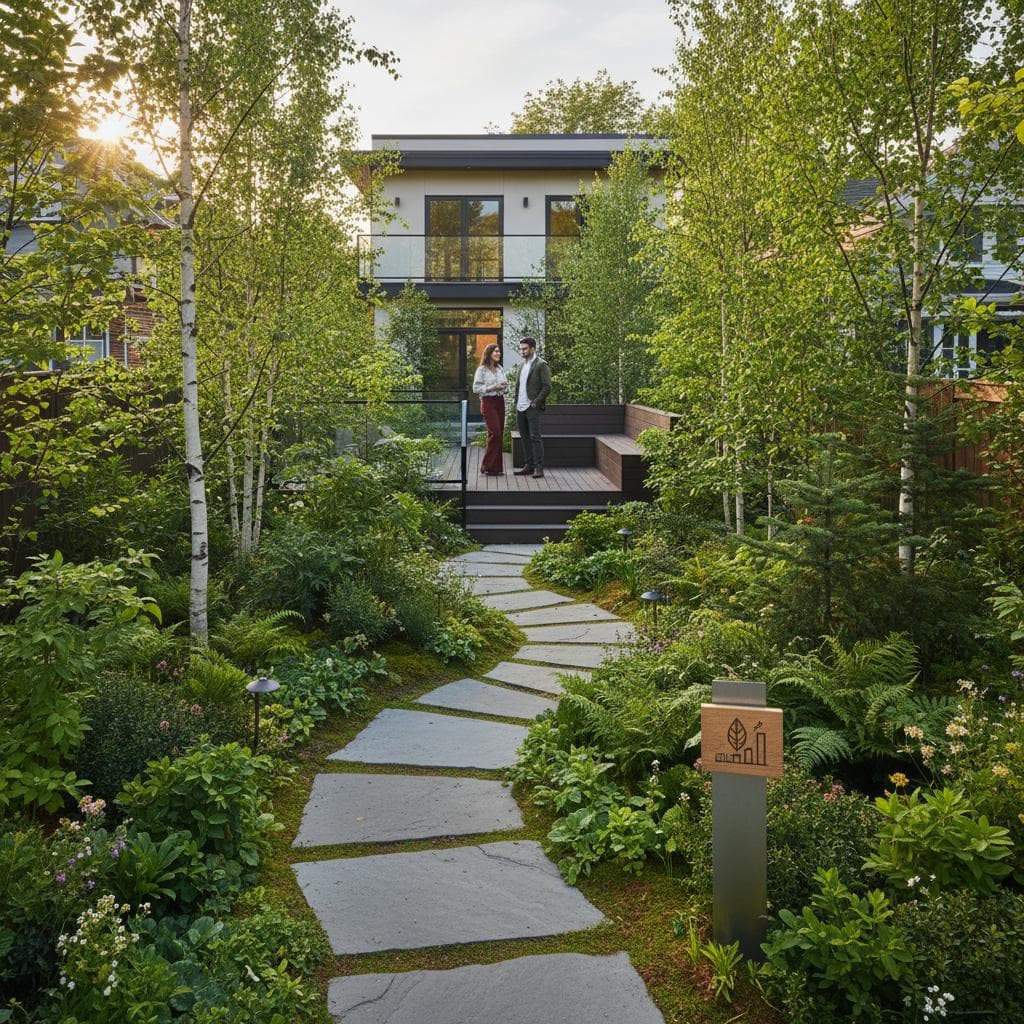
Understanding Micro-Forests and Their Impact
Micro-forests offer a innovative solution for homeowners seeking to enhance their properties while contributing to environmental health. These dense plantings mimic natural forest ecosystems in limited spaces, such as backyards or urban lots. By employing the Miyawaki method, which involves planting a diverse mix of native species at high density, micro-forests accelerate growth and foster resilience.
The financial appeal lies in their potential to significantly increase property values. Real estate experts project that well-established micro-forests could elevate home worth by up to 300% by 2026, driven by rising demand for sustainable features. Buyers increasingly prioritize properties with established green spaces that demonstrate ecological responsibility and low-maintenance appeal.
Beyond economics, micro-forests provide practical benefits. They improve air quality, support local wildlife, and create private, serene outdoor areas. Homeowners enjoy reduced utility bills through natural shading and water conservation, making these installations a smart long-term choice.
The Science Behind the Miyawaki Method
The Miyawaki method, developed by Japanese botanist Akira Miyawaki, focuses on rapid forest regeneration. It emphasizes selecting native plants that thrive in local conditions, planting them in layers from ground cover to canopy trees, and maintaining the site initially to encourage root development.
This technique results in forests that grow 10 times faster than traditional plantings. Within a few years, the dense arrangement creates a self-regulating system where plants compete healthily, suppress weeds, and build robust soil structures. For residential applications, adapting this method to small scales ensures compatibility with urban constraints.
Studies indicate that such ecosystems enhance soil health by supporting native microbes, which in turn bolster plant immunity against diseases. This natural defense reduces the need for interventions, aligning with sustainable living principles.
Designing Your Micro-Forest
Creating a micro-forest begins with site assessment. Evaluate sunlight exposure, soil type, and available space. Even areas as small as 100 square feet can accommodate a thriving installation if planned carefully.
Select species suited to your region. Include a mix of shrubs, small trees, and perennials to form multiple layers. For example, in temperate climates, incorporate oaks for canopy, ferns for understory, and wildflowers for ground cover. This diversity promotes biodiversity and visual interest throughout the seasons.
Budget considerations vary by size and location. Initial costs range from $5,000 to $15,000 for a 200-square-foot area, covering plants, soil amendments, and labor. Professional installation ensures proper density, typically 3 to 5 plants per square meter, to achieve the method's benefits.
Step-by-Step Installation Guide
Prepare the site by clearing existing grass or weeds. Test soil pH and amend with organic matter if necessary to support microbial activity.
- Gather materials: Native plants, mulch, and tools for planting.
- Dig holes spaced closely to encourage interlocking roots.
- Plant in clusters, varying heights for natural layering.
- Water deeply immediately after planting to settle the soil.
- Mulch around plants to retain moisture and suppress weeds.
During the first year, provide supplemental watering, especially in dry periods. Monitor for pests but rely on natural predators within the ecosystem.
Essential Care Tips
Effective maintenance ensures long-term success. Focus on practices that enhance natural processes.
- Support native soil microbes that strengthen plant immunity through organic mulching.
- Avoid chemical fertilizers, as they disrupt soil ecology and hinder natural growth cycles.
- Incorporate rainwater harvesting with simple barrel systems to lower irrigation expenses.
- Plant during seasonal windows of cool, moist weather to minimize transplant shock.
- Track growth progress with seasonal photos or measurements to refine care approaches.
These steps promote a balanced environment where the forest thrives with minimal human input.
Frequently Asked Questions
How does a micro-forest increase property value?
A mature micro-forest enhances curb appeal, provides privacy screening, and signals environmental stewardship. These attributes attract buyers who value sustainability, often leading to higher offers for homes with integrated green features.
What is the Miyawaki method?
The Miyawaki method recreates native forest dynamics through dense planting of mixed species. It accelerates maturation and establishes self-sustaining habitats much faster than standard landscaping techniques.
Can a micro-forest fit in a small backyard?
Yes, spaces starting at 100 square feet work well with dense, vertical-oriented designs. Select compact native species to maximize growth without overwhelming the area.
How long before a micro-forest becomes self-sustaining?
Typically, self-sufficiency emerges within three years. Initial efforts in watering and light weeding allow roots to develop deeply and interlock for stability.
Do micro-forests require special permits?
Residential projects seldom need permits, but verify local regulations if trees might exceed height limits or border property lines.
What maintenance is needed after establishment?
Mature micro-forests demand only periodic pruning and debris removal. Leaf litter naturally enriches the soil, while resilient natives ward off common pests and illnesses.
Realizing the Benefits of Your Investment
Investing in a micro-forest transforms a backyard into a dynamic asset. It delivers ongoing savings on maintenance and water, alongside substantial appreciation in property value. Homeowners gain a space that evolves, offering relaxation, wildlife observation, and a sense of contribution to broader ecological goals.
To proceed, engage a specialist familiar with the Miyawaki approach. Collaborate on a custom plan that aligns with your property's unique characteristics. This partnership ensures a micro-forest that enriches daily life and secures financial and environmental returns for years ahead.