
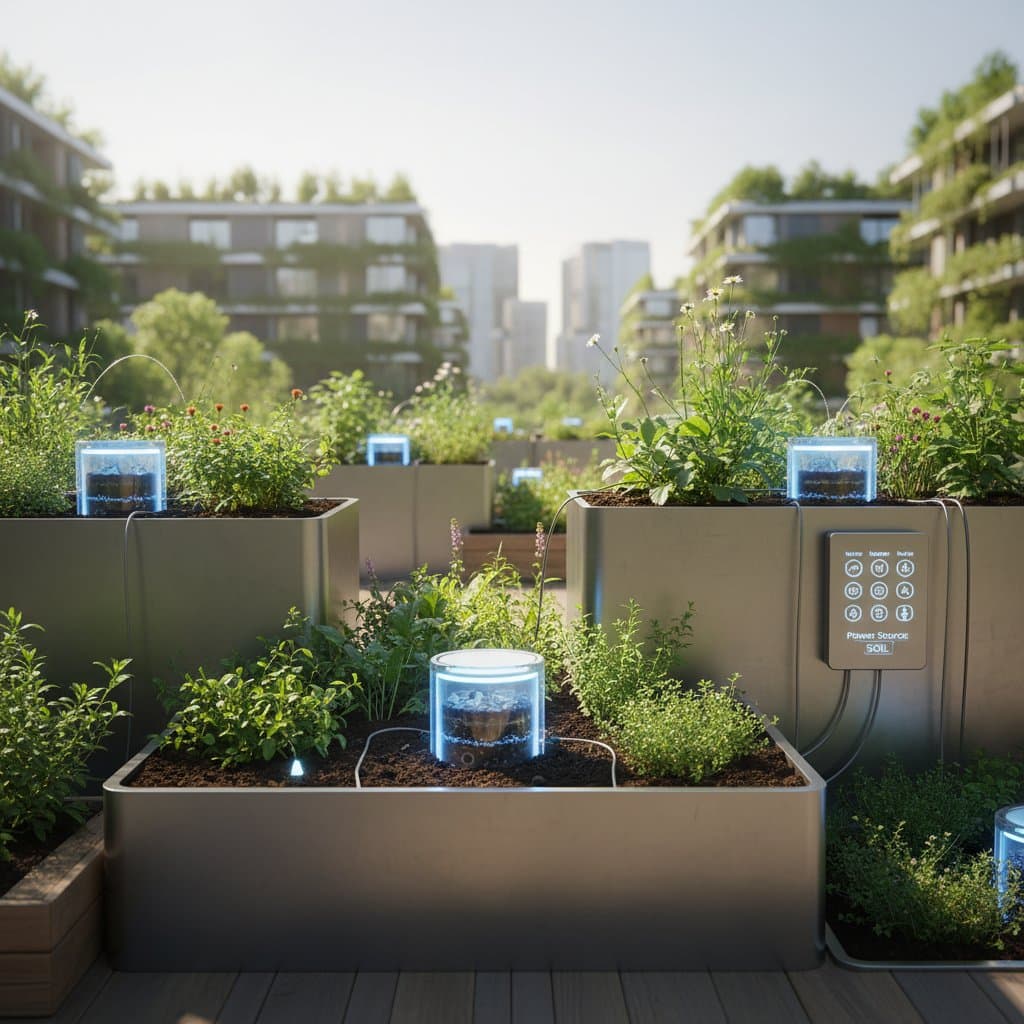
Introduction to Soil Batteries in Gardening
Soil batteries represent an innovative approach to sustainable gardening, harnessing the natural properties of soil to generate electricity for self-watering systems. By 2026, these devices will power sensors and pumps that deliver precise irrigation, minimizing water waste and simplifying maintenance for homeowners. This technology integrates seamlessly into residential gardens, urban balconies, and larger landscapes, promoting efficiency and environmental responsibility.
Factors Influencing Soil Battery Performance
Several environmental elements determine the effectiveness of soil batteries. Moisture plays a central role, as it enables the chemical reactions between electrodes that produce power. Consistent levels of moderate moisture ensure reliable energy output, while extremes can disrupt operations.
Electrode materials also impact performance. Combinations such as copper and zinc, or graphite and aluminum, influence voltage and longevity. Select materials based on your soil composition to optimize durability and efficiency.
Temperature affects microbial activity within the soil. Warmer conditions accelerate processes that enhance power generation. In colder environments, production may slow, requiring adjustments like insulation for consistent results.
Maintenance remains straightforward yet essential. Periodically inspect electrodes to remove corrosion or debris. This practice extends the system's lifespan and maintains optimal functionality.
Exploring Soil Battery System Types
Soil battery designs vary to suit different garden scales and objectives. Each type leverages soil's inherent properties to produce electricity for irrigation control.
Microbial fuel cells utilize soil microorganisms to break down organic matter and generate power. These systems thrive in gardens rich in biodiversity, supporting long-term sustainability.
Metal-electrode batteries depend on chemical interactions between metal plates and soil minerals. Their simplicity makes them ideal for compact setups, such as potted plants or small beds.
Hybrid systems merge microbial and conductive elements for improved output. They provide stable power for extensive irrigation networks and hold promise for widespread adoption as costs decline.
Choose a type aligned with your garden's needs. Microbial options suit organic-rich plots, while hybrids offer versatility for evolving residential designs.
Indicators That Your Garden Needs a Soil Battery System
Many gardeners face challenges in maintaining consistent hydration. Soil battery systems address these issues by automating water delivery based on real-time data.
Frequent lapses in watering or overwatering signal a need for automation. Such inconsistencies stress plants and waste resources.
Rising water bills during dry periods highlight inefficiency. Automated systems optimize usage, stabilizing costs.
Travel or busy schedules demand low-effort solutions. These systems operate independently, ensuring plant health in your absence.
Uneven soil drying creates patchy conditions. Sensors detect variations and target hydration precisely.
A desire to minimize grid power reliance favors off-grid options. Soil batteries provide a renewable alternative for irrigation controls.
Implementing this technology fosters reliable care, enhancing plant vitality and resource conservation.
The Step-by-Step Operation of a Self-Watering System
Soil battery systems function through an intuitive cycle that mimics natural processes. Grasping this mechanism builds confidence in their reliability.
Begin with installation. Position electrodes, sensors, and a control module in the soil, then connect a water source like a reservoir or drip line.
Power generation follows naturally. Microbes and minerals create an electrical current across the electrodes.
Sensors track moisture levels continuously, relaying information to the soil-powered control unit.
Upon detecting low moisture, the unit activates a pump or valve to dispense water.
Hydration targets the root zone until levels normalize, preventing excess.
The system then enters monitoring mode, repeating the cycle as environmental conditions dictate.
This automated loop adapts to weather and soil changes, allowing the garden to sustain itself effectively.
Weighing DIY Installation Against Professional Services
Homeowners with technical interest may consider assembling a soil battery system themselves. Evaluate capabilities carefully to decide the best path.
DIY approaches offer cost savings and personalization. They provide learning opportunities for small-scale projects, such as container gardens.
However, success demands knowledge of electrical basics and irrigation setup. Inconsistent power or durability issues may arise in varied soils.
Professional installation ensures precision for larger areas. Experts evaluate site specifics, including soil and layout, to select and position components optimally.
While initial expenses are higher, professionals deliver safe, calibrated systems with enduring performance. This option suits those prioritizing reliability over hands-on involvement.
Selecting a Competent Specialist for Soil Battery Installation
As adoption grows, qualified experts will specialize in these systems. Focus on credentials to secure quality service.
Prioritize certifications in sustainable irrigation or environmental engineering. These indicate expertise in eco-friendly technologies.
Review experience through case studies or client references. Confirm familiarity with soil battery applications in similar settings.
Demand clear communication on pricing, benefits, and constraints. Transparency builds trust and sets realistic expectations.
Seek warranties covering parts and labor. Ongoing service plans address future needs.
Verify adherence to safety protocols, such as proper grounding. This prevents hazards and prolongs system life.
A thorough selection process yields a seamless, long-lasting installation.
Essential Questions for Soil Battery System Evaluation
Informed decisions stem from targeted inquiries. Pose these to manufacturers, installers, or suppliers before proceeding.
Assess your soil's power-generating potential. Test conductivity to confirm suitability.
Determine reservoir capacity based on garden dimensions. Scale it to cover peak demand periods.
Check integration with current irrigation infrastructure. Compatibility simplifies upgrades.
Inquire about component durability. Expect sensors and electrodes to endure several years with care.
Clarify inspection frequency. Routine checks every few months suffice for most setups.
Explore smart home connectivity. Weather-responsive features enhance adaptability.
Project maintenance expenses. Budget for minor replacements to maintain efficiency.
These questions uncover fit and feasibility, guiding a tailored implementation.
Environmental and Financial Advantages
Soil batteries advance eco-conscious practices beyond mere convenience. They generate renewable energy through biological and chemical means, emitting no pollutants.
This independence from grid power curtails fossil fuel use. Gardens become self-sufficient contributors to sustainability.
Financially, optimized watering reduces utility bills by curbing waste. Savings accumulate, often recouping setup costs within years.
Healthier plants require less intervention, lowering expenses on replacements or supplements. Robust growth follows consistent care.
Urban planners recognize the potential for scalable green spaces. Efficient landscapes bolster community resilience and biodiversity.
Addressing Challenges in Soil Battery Adoption
Emerging technologies present hurdles, though ongoing advancements mitigate them. Understand these to set appropriate expectations.
Upfront investments exceed those for basic timers. Prioritize value in long-term efficiency.
Low-voltage output limits support for high-demand features. Supplement with batteries for expanded capabilities.
Performance fluctuates with weather extremes. Droughts or floods may pause operations briefly.
Availability lags for cutting-edge models. Start with proven options while innovations mature.
Research drives improvements in cost and reliability. Future iterations will broaden accessibility for diverse applications.
Frequently Asked Questions
What is the typical cost of a soil battery system?
Small-scale setups for home gardens range from several hundred to thousands of dollars, varying by size and features. Installation fees apply for professional services, yet water and upkeep savings often balance the outlay over time.
Will soil batteries function in every soil type?
Most soils generate electricity, though output differs. Organic loams perform best; amend clays or sands with conductive additives for better results.
Do soil batteries require sunlight exposure?
Unlike solar alternatives, they depend on subsurface reactions. Shaded or indoor environments pose no issue.
What is the expected duration of a soil battery?
Electrodes endure years with regular upkeep. Overall longevity ties to soil quality and material standards.
Are these systems harmless to plants and ecosystems?
Materials prove non-toxic, and low voltages ensure safety. Enhanced microbial activity benefits soil vitality while conserving water.
Steps to Integrate a Soil Battery System into Your Garden
Transition to automated care begins with assessment. Test your soil and map garden zones to identify irrigation needs.
Research available systems matching your scale. Consult specialists for customized recommendations.
Plan the installation timeline, considering seasonal factors. Spring setups allow immediate benefits.
Monitor initial performance and adjust thresholds. Fine-tuning ensures optimal operation.
Embrace the resulting ease and sustainability. Your garden will thrive with minimal input, yielding rewards in health and efficiency.