
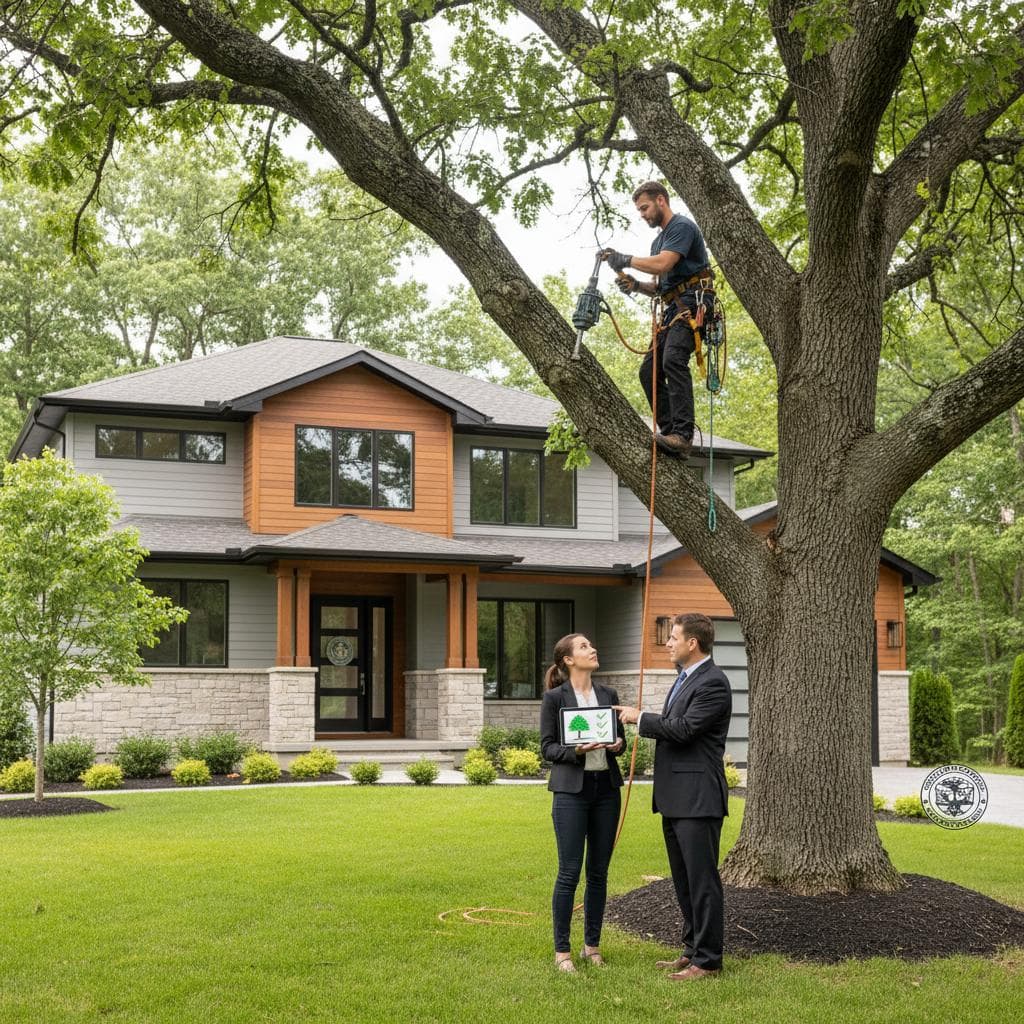
15 States Require Tree Risk Assessments for Home Insurance Coverage
Homeowners across the United States face new responsibilities regarding trees on their properties. Fifteen states now mandate tree risk assessments as a condition for home insurance approval or renewal. These requirements shift the focus toward proactive hazard management, helping insurers assess risks and homeowners maintain safe landscapes.
Compliance with these rules safeguards coverage while minimizing potential damage from tree failures. Property owners benefit from clearer guidelines on tree care, which can prevent disputes over claims and support long-term financial stability.
Reasons for Mandating Tree Risk Assessments
Frequent severe weather, including storms and high winds, has led to a rise in insurance claims involving fallen trees and branches. State regulators and insurers respond by requiring evidence of tree maintenance to mitigate these risks. Assessments identify vulnerabilities early, reducing the likelihood of property damage or personal injury.
Beyond claim prevention, these evaluations foster community safety and limit legal liabilities for property owners. Insurers view professional tree reports on par with essential inspections for roofs or electrical systems, integrating them into standard policy reviews.
States Implementing Tree Risk Requirements
Fifteen states enforce tree risk evaluations for insurance purposes, with variations in scope and triggers. Mandates typically target properties featuring mature trees close to homes, utilities, or boundaries. High-risk areas, such as those prone to storms, wildfires, or heavy foliage, prioritize these checks.
Some jurisdictions demand assessments for every policy application, while others activate them post-claim or at renewal. This approach emphasizes prevention over response, aligning with broader efforts to manage environmental hazards in residential zones.
Elements of a Tree Risk Assessment
Certified arborists conduct these evaluations to pinpoint threats from tree instability or environmental factors. The process examines visible and underlying issues that could compromise safety. Key components include:
- Visual examination of trunks, branches, and root systems for defects
- Analysis of soil stability and moisture levels near roots
- Measurement of distances to structures, vehicles, and overhead lines
- Review of past maintenance, including cuts or weather impacts
- Preparation of a detailed report with risk ratings and corrective actions
Insurers rely on this documentation to approve policies, ensuring risks align with coverage terms. Homeowners receive practical insights to address identified concerns promptly.
Pricing for Tree Risk Assessments
Average Costs Across the Country
Standard assessments range from $150 to $500, influenced by property scale and tree count. Simple evaluations for one or two trees fall at the lower end, while extensive reviews of larger estates command higher fees due to required time and tools.
Factors Influencing Expenses
- Quantity and species of trees under review
- Height, spread, and ease of access for inspection
- Depth of reporting needed to meet insurer standards
- Regional rates for certified professionals
- Additional recommendations, like cabling or soil treatments
A thorough report often offsets costs by securing favorable insurance terms, such as reduced rates for low-risk properties.
Categories of Tree Risk Assessments
Basic Visual Evaluation
This entry-level option scans for apparent dangers, such as split bark or unbalanced growth.
Advantages: Low expense, completed in under an hour, ideal for routine checks on modest lots.
Disadvantages: Limited to surface-level observations, potentially missing subsurface decay.
Intermediate Level 2 Inspection
Professionals use tools like mallets and probes to assess internal health and load-bearing capacity.
Advantages: Offers reliable insights at a moderate price, commonly endorsed by insurance carriers.
Disadvantages: Requires more on-site time and equipment, increasing overall duration.
Advanced Level 3 Analysis
Reserved for suspected severe issues, this incorporates advanced diagnostics like tomography or radar scans.
Advantages: Delivers precise data on hidden flaws, supporting informed decisions.
Disadvantages: Highest cost and complexity, suited only to confirmed problem areas.
Self-Evaluation Versus Professional Services
Homeowners sometimes inspect trees independently using online guides or basic tools. However, insurers dismiss such efforts due to lack of certification and detail. Self-checks serve as a starting point but fall short for official compliance.
Advantages of Self-Inspection:
- No upfront fees and quick execution
- Spots evident problems, like fungal growth or storm scars
Limitations of Self-Inspection:
- No formal validation for policy purposes
- Overlooks concealed rot or root compaction
- Risks inaccurate conclusions leading to overlooked dangers
Benefits of Professional Engagement:
- Generates insurer-accepted reports with liability protection
- Provides expert advice on treatments and timelines
- Enhances overall property resilience against failures
Professionals deliver the credibility essential for meeting state and carrier expectations.
Steps to Ready Your Property for Assessment
- Collect relevant documents, including policy numbers and site plans.
- Remove yard clutter to facilitate arborist access.
- Flag potential hotspots, such as branches over patios.
- Select an arborist certified by bodies like the International Society of Arboriculture.
- Discuss the report post-inspection and implement suggestions.
- Forward the certified document to your insurer for verification.
These preparations streamline the process and demonstrate proactive stewardship.
Strategies for Sustaining Safe Trees
Regular pruning eliminates weak branches and maintains balanced forms. Deep watering during droughts bolsters root vitality against stress. Proper mulching avoids trunk girdling from excess material buildup.
Monitor for indicators of trouble, including wilting foliage or insect infestations. Periodic professional reviews, every three years or after events like hurricanes, keep risks in check. Healthy trees contribute to aesthetic appeal, ecological balance, and insurance eligibility.
Common Questions on Tree Risk Requirements
What Consequences Follow Non-Compliance with Assessment Mandates?
Failure to provide required evaluations may result in elevated rates, rejected applications, or terminated policies. Carriers could deny payouts for tree-induced damages deemed preventable.
Is a Permit Necessary for Hazardous Tree Removal?
Local rules often mandate approvals for cutting significant trees, regardless of risk level. Consult city offices to navigate regulations and avoid fines.
Can a Tree Appear Healthy Yet Pose Threats?
Affirmative. Subterranean issues or core weaknesses evade casual observation. Expert analysis uncovers these concealed perils.
Does Home Insurance Fund Preventive Tree Removal?
Typically, no; such actions qualify as upkeep, not covered events. Review policy riders for possible assistance in high-risk scenarios.
What Interval Suits Tree Inspections?
Experts advise checks every three to five years, or sooner following storms. Dense or aged canopies warrant annual attention.
Securing Coverage Through Proactive Tree Management
Addressing tree risks positions homeowners ahead of regulatory shifts and weather challenges. Professional assessments integrate seamlessly into property routines, yielding safer environments and stable premiums. Start by scheduling an evaluation to align your landscape with insurance standards and long-term protection goals.